How to Hang Planters on Balcony Railing: Easy Steps for a Stunning View
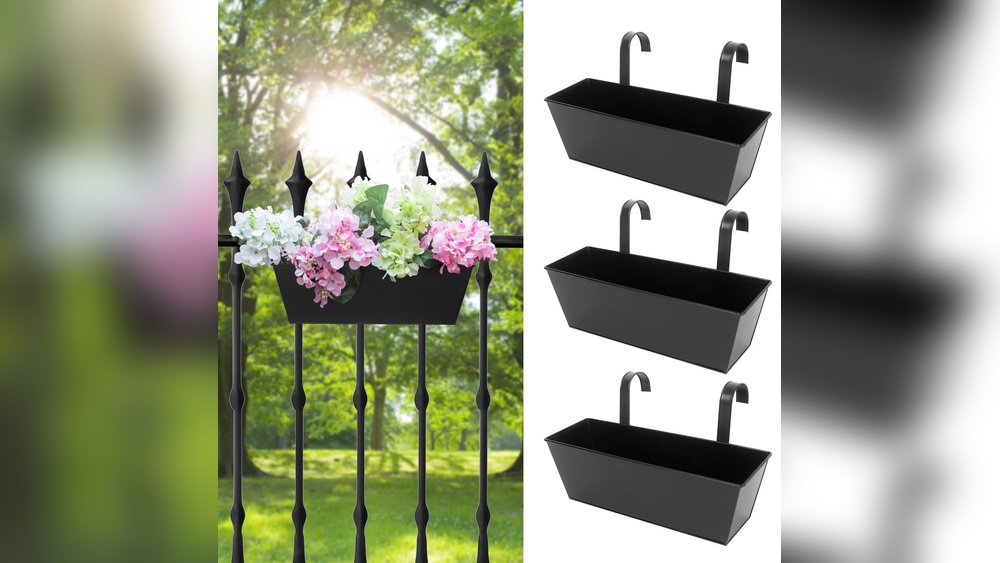
Are you looking to transform your balcony into a green oasis but don’t know where to start? Hanging planters on your balcony railing is a simple and stylish way to add life and color to your outdoor space.
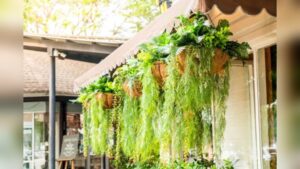
Imagine stepping outside and being greeted by beautiful flowers or fresh herbs right at your fingertips. In this guide, you’ll discover easy, practical tips to hang planters safely and attractively, no matter the size of your balcony. Ready to boost your curb appeal and enjoy nature from home?

Credit: www.ubuy.com.jo
Choosing The Right Planters
Choosing the right planters is a key step for a beautiful balcony garden. The planters should fit your space, suit your plants, and handle weather well. Picking the right ones helps your plants grow healthy and your balcony look neat.
Material Options
Planters come in many materials. Plastic is light and easy to move. Clay pots look natural but can break easily. Metal planters are strong but may get hot in the sun. Wood planters look warm but need protection from water. Choose a material that fits your style and balcony conditions.
Size And Shape
Pick planters that match your plants’ size. Small plants need small pots. Big plants need bigger ones to grow well. Long, narrow planters fit well on railings. Round or square shapes work, too. Make sure the planter does not block your balcony space.
Drainage Needs
Good drainage keeps plants healthy. Planters must have holes at the bottom. This lets extra water escape. Without drainage, roots may rot. Use trays under planters to catch water and protect the railing. Proper drainage helps plants stay strong and happy.
Selecting Balcony Railings
Selecting the right balcony railing is key for hanging planters safely. Not all railings suit every type of planter or weight. Some railings may not support heavy pots or large arrangements. Understanding your railing helps avoid accidents and damage. It also improves the look and feel of your balcony garden.
Measuring Your Space
Start by measuring the length and width of your balcony railing. Note the distance between the railing bars if it has any. Measure the height and thickness of the railing top. These numbers help you pick planters that fit securely and look balanced. Accurate measurements prevent planters from slipping or falling.
Assessing Weight Capacity
Check how much weight your railing can hold. Consider the material of the railing—metal, wood, or concrete. Some materials hold more weight than others. Think about the weight of the planter plus the soil and plants. Avoid overloading the railing to keep it safe and stable.
Safety Considerations
Ensure your railing is sturdy and in good condition. Look for loose parts, rust, or cracks. Secure any weak spots before hanging planters. Use proper hooks or brackets designed for your railing type. Avoid placing planters where strong wind can knock them down. Safety keeps you and your plants protected.
Preparing Planters For Hanging
Preparing planters for hanging on a balcony railing requires some simple steps. Proper preparation helps plants grow well and keeps your balcony clean. Start by making sure planters have the right features for drainage and support.
Next, use liners or saucers to protect your balcony surface. Finally, fill planters with soil and plants carefully. These steps help your balcony garden thrive and look great.
Adding Drainage Holes
Drainage holes let extra water escape from the planter. Without holes, water can pool and harm plant roots. Use a drill or sharp tool to make holes at the bottom. Space the holes evenly for best water flow. Check the size of holes; small enough to keep soil in, but large enough to drain water.
Using Liner Or Saucer
A liner or saucer catches water that drains out. It stops water from dripping on the balcony floor. Choose a liner that fits inside your planter. A saucer should fit snugly under the planter. Both protect your balcony and keep the area tidy.
Filling With Soil And Plants
Start by adding a layer of small stones or gravel for extra drainage. Then, fill the planter with good quality potting soil. Leave some space at the top for watering. Choose plants that fit your balcony light and space. Plant them carefully, firming the soil around roots. Water lightly to settle the soil.

Credit: www.amazon.com
Hanging Methods And Tools
Hanging planters on balcony railings needs the right methods and tools. Choosing the right way keeps your plants safe and your space neat. There are several simple options that fit different railing types and planter sizes. Each method uses easy tools and ensures your plants get enough light and air. Let’s explore some popular hanging methods and tools you can use.
Using Hooks And Brackets
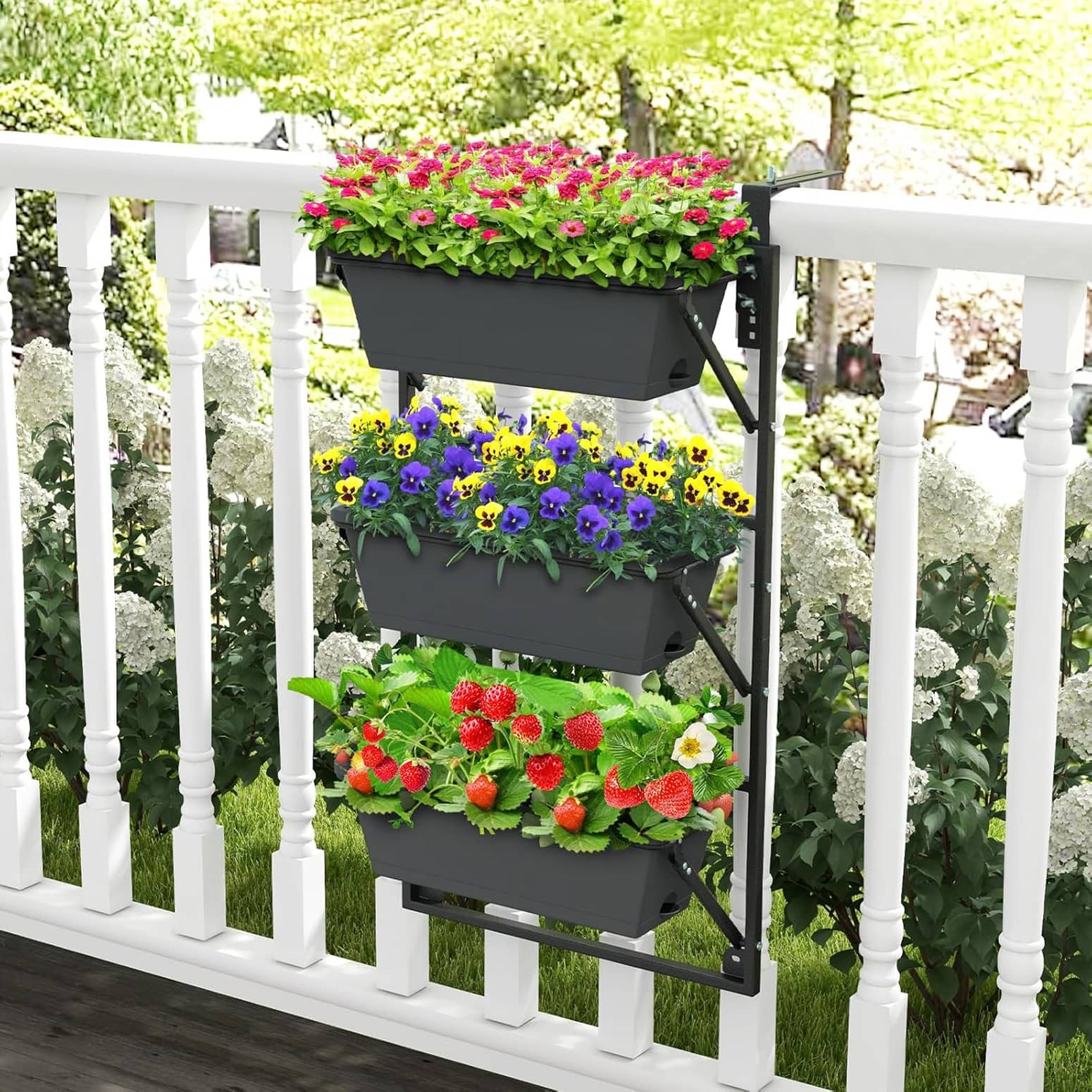
Hooks and brackets are classic solutions for balcony railings. You can find metal or plastic hooks that fit over the railing. These hooks hold planters firmly without damaging the rail. Brackets offer extra support for heavier pots. They screw into the railing or wall, creating a stable base. Both hooks and brackets are easy to install and remove. They work well for a variety of planter shapes and sizes.
Cable And Wire Systems
Cable and wire systems provide a modern, flexible way to hang planters. Thin steel cables run along the railing, holding multiple planters. You can adjust planter positions by sliding them on the wire. This method saves space and looks tidy. It is perfect for smaller balconies with limited railing space. Tools needed include cable clamps and tensioners for secure fixing.
Magnetic And Clamp Options
Magnetic and clamp options suit metal balcony railings. Magnets attach planters without any drilling or screws. Strong magnets hold lightweight pots safely. Clamps grip the railing tightly, supporting medium-weight planters. These methods are quick to set up and remove. They avoid damage to the railing and work well for renters. Choose magnets or clamps based on planter weight and railing type.
Step-by-step Hanging Process
Hanging planters on your balcony railing can brighten your outdoor space. Follow a simple, clear process to secure them safely. This guide breaks down the steps to make your balcony look fresh and green.
Positioning The Planters
Start by choosing the right spot on the railing. Make sure the planter gets enough sunlight. Leave enough space between each planter. This helps plants grow well. Check the railing width to fit your planter size. Hold the planter against the railing to see how it looks.
Securing Fasteners
Select strong fasteners like hooks or brackets. Attach them firmly to the railing. Use screws or clamps for a tight hold. Avoid loose or weak fasteners. They can cause the planter to fall. Tighten all fasteners with a screwdriver or wrench. Double-check that fasteners sit flush against the railing.
Checking Stability
Once the planter hangs, test its stability. Gently shake the planter to ensure it does not wobble. Confirm it stays in place without slipping. Check fasteners and adjust if needed. Make sure the planter is balanced and secure. Safety prevents accidents and protects your plants.
Credit: www.thegreenhead.com
Maintaining Your Balcony Garden
Maintaining your balcony garden keeps plants healthy and growing well. Regular care helps plants thrive in small spaces. Simple daily tasks protect your green space from damage.
Watering Tips
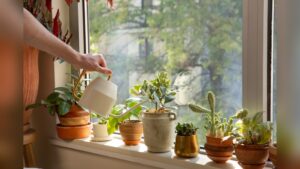
Check soil moisture before watering. Water early in the morning or late afternoon. Avoid overwatering to stop root rot. Use a watering can with a narrow spout for control. Drain holes must stay clear to prevent water buildup.
Pruning And Feeding
Trim dead or yellow leaves regularly. Pruning helps plants grow stronger and fuller. Use small scissors or garden shears for clean cuts. Feed plants with balanced fertilizer every two weeks. Follow package instructions for the right amount.
Seasonal Care
Move delicate plants indoors during cold months. Reduce watering in winter to avoid soggy soil. Remove fallen leaves and debris to prevent pests. Re-pot plants if they outgrow their containers. Rotate planters to ensure even sunlight exposure.
Frequently Asked Questions
How Do I Choose The Right Planter For Balcony Railing?
Pick lightweight, durable planters with secure hooks that fit your railing size perfectly.
What Tools Do I Need To Hang Planters Safely?
You only need hooks, brackets, or zip ties depending on the planter design and railing type.
Can Hanging Planters Damage My Balcony Railing?
Properly installed planters don’t harm railings, but avoid heavy pots or sharp edges to prevent scratches.
How Do I Keep Balcony Planters Stable In Wind?
Use sturdy hooks and heavier soil or add weights inside the pots to reduce movement.
What Plants Grow Best In Balcony Railing Planters?
Choose small, hardy plants like herbs, succulents, or flowers suited for your sunlight exposure.
Conclusion
Hanging planters on your balcony railing adds beauty and green space. Choose strong hooks or brackets that fit your railing well. Secure the planters tightly to avoid accidents. Use lightweight pots for easy handling and safety. Water plants carefully to prevent spills and damage.
Regularly check hooks and pots to keep them stable. Small changes make your balcony fresh and inviting. Enjoy your new green corner every day. Simple steps bring nature closer to your home.