How to Water Hanging Planters: Expert Tips for Lush Growth
Are your hanging planters looking dry or struggling to thrive? Watering them might seem simple, but it’s easy to get it wrong—and your plants can suffer.
You want your green friends to stay healthy and vibrant, right? You’ll discover easy tips and tricks to water your hanging planters just right. By the time you finish reading, you’ll know exactly how to keep your plants happy, saving you time and worry.
Ready to become a watering pro? Let’s dive in!
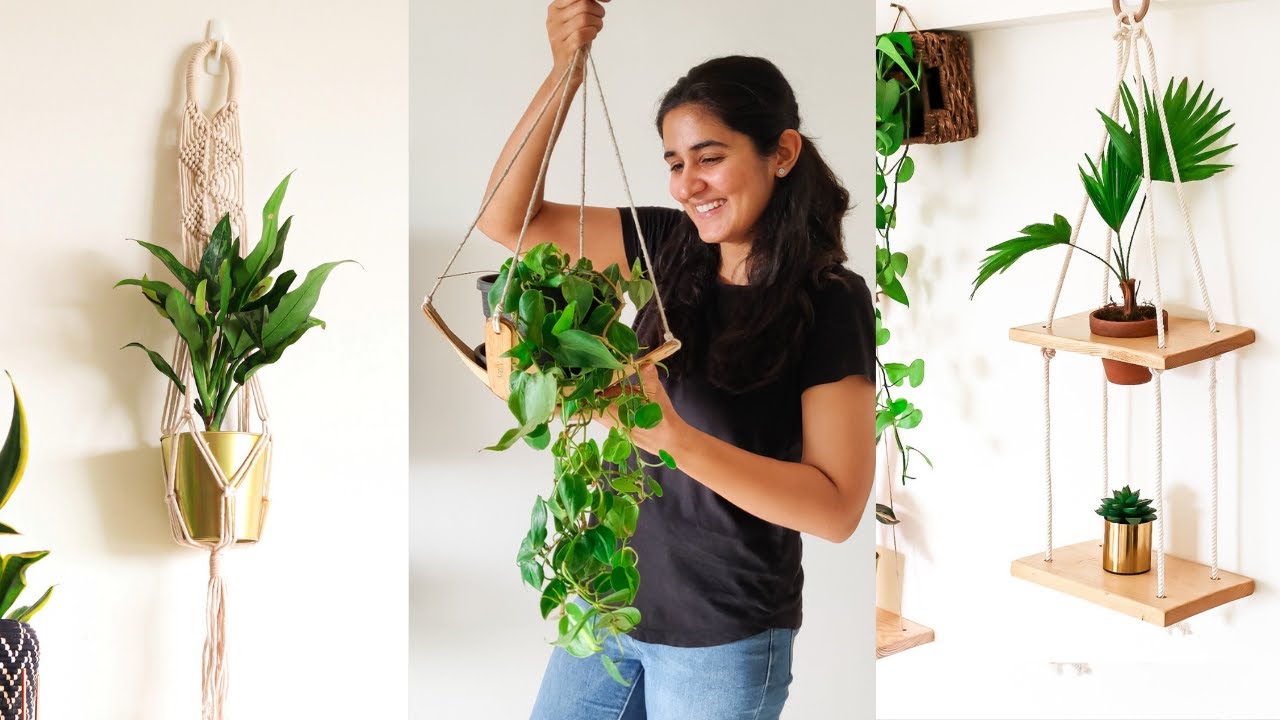
Credit: www.youtube.com
Choosing The Right Planters
Choosing the right planter is key for healthy hanging plants. The right planter holds water well and fits your space. It also helps your plants grow strong. Picking the right one saves time and keeps plants happy.
Material Options
Planters come in many materials. Plastic is light and easy to move. Clay pots look nice but can dry out fast. Metal pots last long but may get hot in sun. Choose a material that suits your plant and place.
Drainage Importance
Good drainage stops water from sitting in soil. Water that stays can cause root rot. Choose planters with holes at the bottom. If your planter has no holes, add some yourself. Drainage keeps roots healthy and plants alive.
Size Considerations
Pick a planter size that fits your plant’s roots. Too small means roots will crowd and dry quickly. Too big holds too much water and can drown roots. A planter that matches plant size helps water flow well.
Selecting Suitable Plants
Choosing the right plants for hanging planters is very important. Plants have different water needs. Picking plants that match your watering routine helps them grow well. Some plants need less water. Others need more. Knowing these needs can save time and keep plants healthy.
Drought-tolerant Varieties
Drought-tolerant plants do well with less water. They store water in leaves or stems. These plants need watering only once in a while. Succulents and cacti are popular drought-tolerant choices. They stay green and look good even in dry conditions. These plants are perfect if you forget to water often.
Moisture-loving Plants
Moisture-loving plants need frequent watering. They like soil that stays wet but not soggy. Ferns and begonias are good examples. These plants need attention to keep soil moist. They grow best in shaded spots. These plants bring lush green color and soft texture to hanging planters.
Watering Techniques
Watering hanging planters properly keeps plants healthy and strong. Different techniques help deliver water efficiently. Choose the right method based on your planter type and your daily routine. Proper watering prevents root rot and dry soil.
Hand Watering Tips
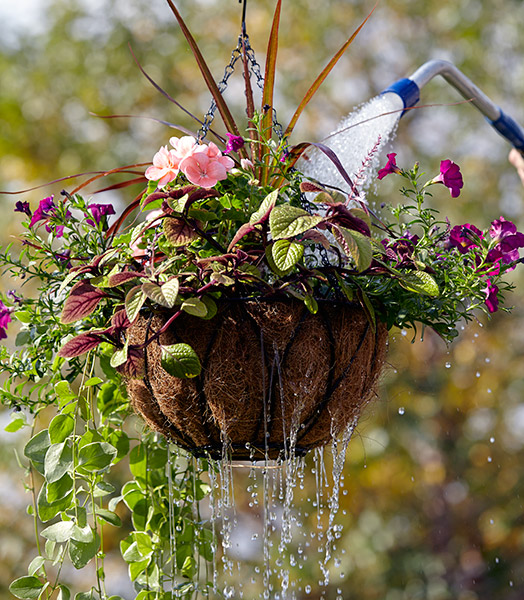
Use a watering can with a narrow spout for better control. Water slowly to let moisture soak into the soil. Avoid pouring water on leaves to prevent mold. Check the soil with your finger before watering. Only water if the top inch feels dry. Water until you see it drip from the bottom.
Using Drip Irrigation
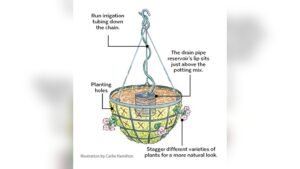
Drip irrigation saves time and water. It delivers water directly to the soil near roots. Install small drip emitters in each planter. Set a timer for regular watering schedules. This method reduces water waste and keeps soil moist. Perfect for busy gardeners or many hanging planters.
Self-watering Solutions
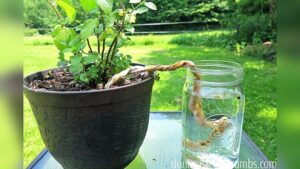
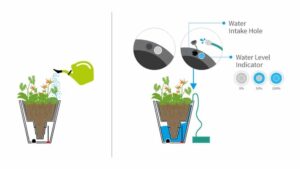
Self-watering planters have reservoirs that hold extra water. Plants absorb water as needed through capillary action. These planters reduce watering frequency. Ideal for people who travel or forget to water often. Check reservoir levels weekly and refill when low. Keeps plants hydrated without daily care.
Credit: www.gardengatemagazine.com
Watering Frequency
Watering frequency is key to keeping hanging planters healthy and vibrant. Too much water can harm roots, while too little causes stress. Each plant has unique needs, but some general rules help. Observing your plants and adjusting watering often leads to success.
Seasonal Adjustments
Plants need more water in warm months. Summer heat dries soil quickly. Watering every day or every other day may be necessary. In colder months, plants grow slower. Water less often to avoid soggy soil. Adjust watering based on the season’s demands.
Climate Impact
Humidity and temperature affect watering needs. Dry, hot climates make soil dry faster. Plants need more frequent watering here. In cool, humid places, water less often. Rainfall also changes how much water plants need. Watch your local weather to adjust watering.
Soil Moisture Monitoring
Check soil moisture before watering. Stick a finger about an inch deep into soil. If it feels dry, it’s time to water. If it’s still moist, wait a day or two. Using a moisture meter helps for accuracy. This prevents overwatering and keeps roots healthy.
Signs Of Overwatering And Underwatering
Understanding the signs of overwatering and underwatering is vital for healthy hanging planters. Both can harm your plants but show different symptoms. Knowing these signs helps you care for your plants better.
Leaf Symptoms
Leaves tell a lot about watering issues. Overwatered plants often have yellow, soft, or drooping leaves. Underwatered plants show dry, brown edges and curled leaves. Watch leaves closely to catch problems early.
Soil Condition
Soil feels different with too much or too little water. Overwatered soil stays wet and soggy for long. It may smell bad or grow mold. Underwatered soil looks dry and pulls away from the pot’s edge. Check soil regularly to guide watering.
Plant Growth Changes
Water stress affects plant growth. Overwatered plants grow slowly and may drop leaves. Underwatered plants stop growing and look weak. New leaves may be small or misshaped. Notice growth to adjust watering habits.

Credit: www.youtube.com
Improving Water Retention
Watering hanging planters can be tricky because water drains quickly. Improving water retention helps plants stay hydrated longer. This reduces the need for frequent watering and keeps plants healthy. You can use simple techniques to keep soil moist and happy.
Soil Amendments
Adding organic matter like compost or coconut coir improves soil structure. These materials hold water and release it slowly to the roots. They also improve air flow, preventing root rot. Mix soil amendments well with potting soil before planting.
Mulching Benefits
Mulch covers the soil surface and slows water evaporation. It keeps soil cool and moist for longer periods. Use materials like shredded bark, straw, or small stones as mulch. Mulching also reduces weed growth, which competes for water.
Using Water Retainers
Water retainers are special crystals or gels that absorb water. They release water gradually to plant roots when soil dries out. Mix them into the soil before planting or top dress existing planters. These retainers help reduce watering frequency.
Maintenance Tips
Maintaining hanging planters keeps plants healthy and vibrant. Regular care helps avoid common problems. Follow simple steps to ensure your plants thrive.
Cleaning Planters
Clean planters regularly to remove dust and dirt. Use a soft cloth or brush to wipe the surface. This helps the plant get enough light and air. Clean drainage holes to prevent water buildup. Avoid harsh chemicals; water and mild soap work well.
Pruning For Health
Prune dead or yellow leaves to boost growth. Trim overgrown branches to keep shape and size. Use clean scissors to avoid spreading disease. Pruning helps plants use water and nutrients better. It also improves air circulation around the plant.
Checking For Pests
Look closely for insects or signs of damage. Check under leaves and on stems carefully. Remove pests by hand or use gentle insect soap. Early pest control stops harm to plants. Healthy plants resist pests more easily.
Frequently Asked Questions
How Often Should I Water Hanging Planters?
Water hanging planters when the top inch of soil feels dry to touch. Check regularly.
What Is The Best Time To Water Hanging Plants?
Water hanging plants early in the morning or late afternoon to reduce evaporation.
How Much Water Do Hanging Planters Need?
Water slowly until it starts to drain from the bottom of the planter.
Can Overwatering Harm Hanging Plants?
Yes, overwatering can cause root rot and damage the plant’s health.
Should I Use A Watering Can Or Hose For Hanging Planters?
A watering can with a long spout offers better control and reduces spills.
Conclusion
Watering hanging planters keeps plants healthy and happy. Check soil moisture often to avoid overwatering. Use a watering can with a long spout for easy reach. Water slowly to let water soak in well. Drainage holes help prevent root rot.
Adjust watering based on weather and plant type. Watch your plants for signs of thirst or too much water. Proper care makes your hanging planters thrive and brighten your space. Simple steps lead to beautiful, green hanging gardens.