How to Plant in Hanging Planters: Easy Steps for Lush Growth
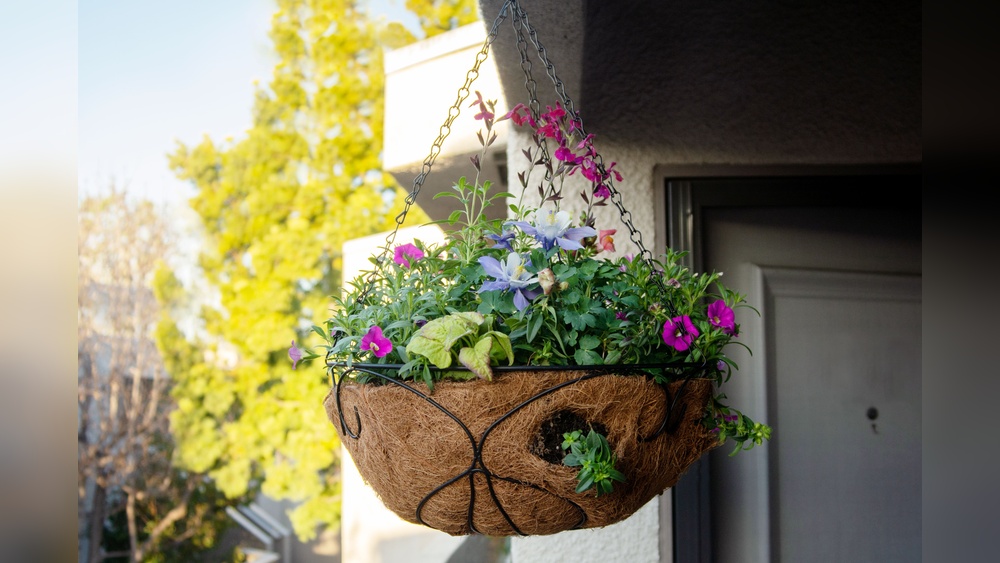
Have you ever wanted to add a splash of green to your space but thought you didn’t have enough room? Hanging planters might be the perfect solution for you.
They save space, look beautiful, and bring nature closer to your everyday life. But how do you get started? In this guide, you’ll learn exactly how to plant in hanging planters so your plants thrive and your space feels fresh and inviting.
Ready to transform your home or balcony? Let’s dive in and make your hanging garden a reality.
Choosing The Right Planter
Choosing the right planter is key to growing healthy plants in hanging planters. The right planter supports plant growth and fits your space well. Think about the material, size, shape, and drainage before buying a planter. These factors help plants get enough air, water, and room to grow.
Material Options
Planters come in many materials like plastic, ceramic, metal, and wood. Plastic planters are lightweight and easy to hang. Ceramic planters look nice but can be heavy. Metal planters last long but may heat up in the sun. Wood planters add a natural look but need protection from rain. Choose a material that suits your style and climate.
Size And Shape
The size of the planter affects how much soil and water your plants get. Small planters dry out fast and need frequent watering. Big planters hold more soil and keep roots cool. Pick a size that fits your plant’s needs and hanging spot. Round planters are common, but square or oval shapes can save space.
Drainage Importance
Good drainage prevents water from pooling in the planter. Too much water can cause root rot and kill plants. Check for holes at the bottom of the planter. If there are no holes, drill some before planting. Adding small stones or gravel at the bottom helps water flow better.
Credit: www.gardengatemagazine.com
Selecting Suitable Plants
Selecting the right plants for hanging planters is key to a thriving garden. Plants must fit the space and care you can provide. They should also suit the environment where the planter hangs.
Choosing plants that match your planter’s conditions helps them grow well. This step saves time and effort while making your hanging garden look beautiful.
Best Plants For Hanging Planters
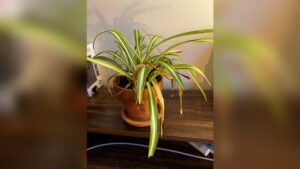
Trailing plants work well in hanging planters. They spill over the edges, creating a soft look. Examples include ivy, spider plants, and pothos.
Small flowering plants also add color. Petunias, fuchsias, and begonias thrive in hanging planters. They bloom often and need little space.
Herbs like thyme, oregano, and mint can grow in these planters too. They provide fresh flavors and a pleasant scent.
Consider Light And Climate
Light is a major factor. Some plants need full sun, while others prefer shade. Match plants to the amount of light your space gets daily.
Climate affects plant health. Choose plants that handle your local temperature and humidity. Tropical plants may not survive cold winters.
Indoor hanging planters need plants that tolerate low light. Snake plants and pothos are good choices for indoors.
Combining Different Plants
Mix plants with different shapes and textures. Pair trailing plants with upright ones for contrast.
Use a mix of colors to make the planter eye-catching. Green leaves with bright flowers work well together.
Make sure all plants have similar water and light needs. This keeps care simple and plants healthy.
Preparing The Planter
Preparing the planter is the first step to growing healthy plants in hanging planters. It ensures the plants get enough water, air, and nutrients. A well-prepared planter helps roots grow strong and prevents water from sitting at the bottom. This section explains how to get your planter ready for planting.
Adding Drainage Layer
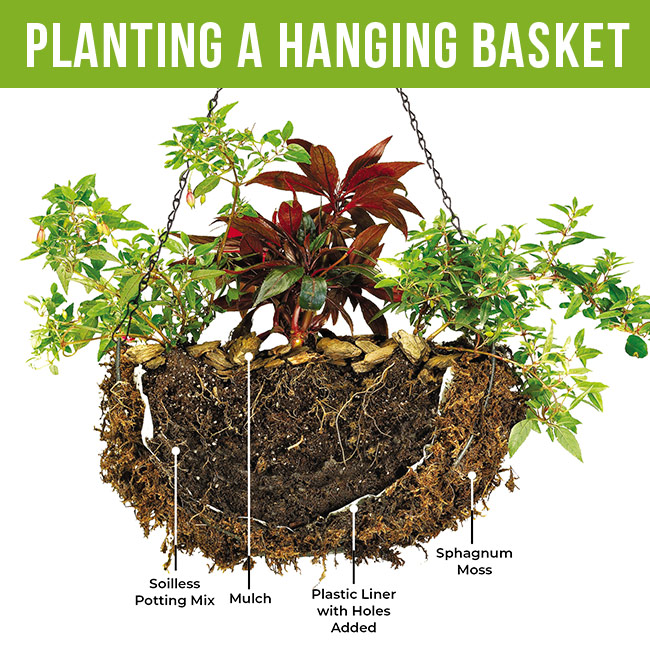
Start by placing a drainage layer at the bottom of the planter. Use small stones, broken pots, or coarse sand. This layer stops water from pooling and causing root rot. It helps water drain quickly and keeps roots healthy. The drainage layer should be about one inch deep.
Using Quality Potting Mix
Choose a light, well-draining potting mix made for container plants. Avoid garden soil because it is too heavy and can hold too much water. A good potting mix gives roots space to breathe. It also holds enough moisture for the plants to stay hydrated. Fill the planter with potting mix above the drainage layer.
Fertilizer Tips
Add slow-release fertilizer to the potting mix before planting. It feeds plants over time without burning the roots. Use a balanced fertilizer with equal amounts of nitrogen, phosphorus, and potassium. Follow the package instructions for the right amount. Fertilizer keeps plants healthy and helps flowers and leaves grow strong.
Credit: www.homedepot.com
Planting Process
The planting process in hanging planters is simple and fun. It helps your plants grow strong and healthy. Follow easy steps for the best results. Start by preparing your plants and planter. Then place the plants carefully. Finally, add soil and press it gently. This way, your plants will have a good home.
Removing Plants From Containers
Gently squeeze the sides of the plant container. This loosens the soil inside. Turn the container upside down. Support the plant with your hand. Slowly pull the plant out by the base. Avoid pulling the leaves or stem. Check the roots for health. Trim any dead roots carefully.
Arranging Plants In Planter
Plan the layout before placing plants. Put taller plants in the center or back. Place smaller plants around the edges. Leave enough space between plants. This gives them room to grow. Arrange plants to balance colors and shapes. Keep plants with similar water needs together.
Filling Soil And Firming
Fill the planter with fresh potting soil. Add soil around the plant roots gently. Press the soil lightly to hold plants firm. Do not pack the soil too tight. Leave some space at the top for watering. Water the plants well after planting. This helps the soil settle around roots.
Watering Techniques
Watering hanging planters correctly is key to healthy plants. These planters dry out faster than ground pots. Understanding how to water helps plants grow strong and stay green. Let’s explore simple watering tips for your hanging garden.
How Often To Water
Check soil moisture every few days. Water when the top inch feels dry. In hot weather, water more often. During cool or rainy days, reduce watering. Keep soil moist but not soggy.
Avoiding Overwatering
Too much water can harm roots and cause rot. Use planters with drainage holes to let water escape. Water slowly and stop if water drains out quickly. Always let soil dry slightly before watering again.
Signs Of Underwatering
Leaves may look wilted or dry at the edges. Soil pulls away from the planter sides. Plants stop growing or drop leaves. Water plants immediately if you see these signs.
Maintaining Healthy Growth
Maintaining healthy growth in hanging planters is key to keeping plants vibrant and strong. Proper care helps plants thrive and look beautiful over time. It involves regular attention to pruning, pest control, and feeding. Each step supports the plant’s overall health and encourages steady growth.
Pruning And Deadheading
Pruning removes dead or overgrown parts of the plant. It allows new growth to flourish. Deadheading means cutting off spent flowers. This stops the plant from wasting energy on old blooms. Both practices keep plants tidy and encourage more flowers and leaves.
Pest Control
Check plants often for signs of pests like aphids or spider mites. Early detection prevents damage. Use mild insect soap or natural remedies to remove pests. Avoid harsh chemicals that can harm the plant. Clean leaves gently to keep pests away.
Feeding Schedule
Plants in hanging planters need regular feeding. Use a balanced liquid fertilizer every two weeks during growing seasons. This provides essential nutrients for healthy leaves and flowers. Follow package instructions to avoid overfeeding. Consistent feeding supports steady growth and vibrant colors.
Hanging And Placement Tips
Hanging and placement tips help your plants grow strong and look great. Proper placement improves sunlight, air, and space for your plants. Hanging planters need care in choosing spots and securing safely. Seasonal changes also affect where and how you hang them. Follow these simple tips for healthy, happy hanging plants.
Choosing The Right Location
Pick a spot with the right light for your plant type. Some plants need full sun, others prefer shade. Avoid places with strong wind that can damage plants. Make sure the location has good air circulation. Check that the spot is easy to water your plants. Consider how much space the plant needs to grow.
Securing Your Planter Safely
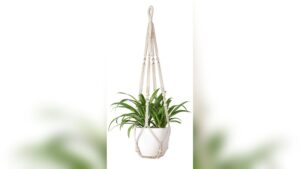
Use strong hooks or brackets made for hanging plants. Check the weight limit to support your planter safely. Install hooks into sturdy surfaces like ceiling joists or beams. Use chains or ropes that do not fray or weaken. Regularly check the planter’s hanging system for wear. Securely fastened planters prevent accidents and plant damage.
Seasonal Adjustments
Move planters during extreme weather to protect plants. Bring plants indoors if temperatures drop too low. In hot months, provide extra shade to avoid leaf burn. Adjust watering based on temperature and sunlight changes. Rotate plants to keep sunlight exposure even. Seasonal care keeps your hanging garden healthy year-round.
:max_bytes(150000):strip_icc()/plant-flowering-hanging-basket-1315962-hero-754aed93d51745c3b59e3ceca8470fbe.jpg)
Credit: www.thespruce.com
Frequently Asked Questions
What Plants Grow Best In Hanging Planters?
Light, trailing, and small plants like ferns, ivy, petunias, and succulents grow best in hanging planters.
How Do I Water Plants In Hanging Planters Properly?
Water slowly to avoid overflow and ensure good drainage to prevent root rot in hanging planters.
What Type Of Soil Is Ideal For Hanging Planters?
Use light, well-draining potting soil mixed with compost for healthy root growth in hanging planters.
How Often Should I Fertilize Plants In Hanging Planters?
Feed plants every 2-4 weeks during growing season with a balanced liquid fertilizer for best results.
Can I Hang Planters Indoors Without Sunlight?
Choose low-light tolerant plants like pothos or spider plants and place near bright windows for indoor hanging planters.
Conclusion
Planting in hanging planters creates the perfect space for bright flowers or fresh herbs. Start with a strong planter, add the richest potting mix, and place healthy plants with steady spacing. Set the soil around each root and keep the surface smooth.
Hang the planter in a spot with steady light and simple airflow to support strong growth. Give regular water and clear drainage to keep roots in great shape. This guide on how to plant in hanging planters helps you build the most vibrant display for any home or garden space.