How to Create Hanging Planters: Easy DIY Ideas for Stylish Spaces
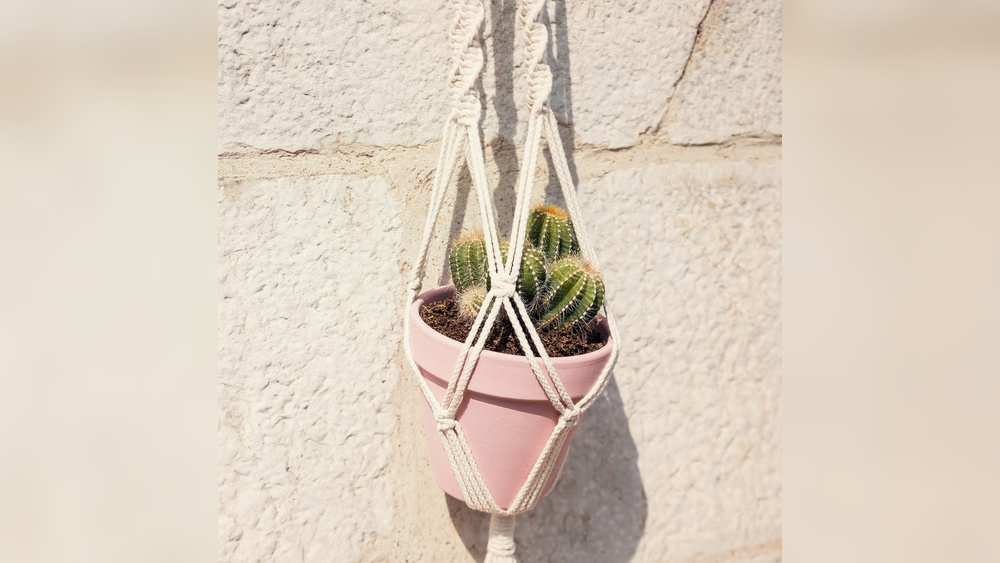
Are you looking to add a touch of green to your space without taking up floor or shelf room? Hanging planters might be just what you need.
They bring life and color to any corner, even the smallest ones. Imagine your favorite plants floating in the air, brightening your home or office effortlessly. In this guide, you’ll discover simple, step-by-step ways to create your own hanging planters.
Whether you’re a beginner or just want fresh ideas, you’ll find easy tips to make your space more inviting. Ready to transform your room with beautiful hanging plants? Let’s get started!
:max_bytes(150000):strip_icc()/diy-plant-hangers-you-can-make-5183699-hero-d50f3aaf60d54e808a99d010ac4b8f7d.JPG)
Credit: www.thespruce.com
Choosing The Right Planters
Choosing the right planters is key to creating beautiful hanging gardens. The right planter supports plant health and fits your space perfectly. Consider the material, size, shape, and drainage to ensure your plants thrive.
Material Options
Planters come in many materials like plastic, ceramic, metal, and wood. Plastic is light and cheap but may look less natural. Ceramic is heavier, holds moisture well, and looks nice. Metal planters add a modern touch but heat up fast in sun. Wood planters offer a rustic look but need sealing to last outdoors.
Size And Shape Considerations
Choose a size that fits your plant type and hanging spot. Small planters suit trailing plants, while bigger ones fit bushy or tall plants. Round shapes work well for most plants. Square or rectangular planters save space on narrow walls or balconies. Ensure the planter is not too heavy for your hanging hook or support.
Drainage Needs
Proper drainage keeps plants healthy and roots from rotting. Check if the planter has holes at the bottom. If not, add some before planting. Use a layer of gravel or small stones inside to improve water flow. Avoid water buildup by watering carefully and regularly checking the soil moisture.
Selecting Plants For Hanging Planters
Selecting the right plants for hanging planters makes a big difference. The plants must suit the space and the light. They should also match your care routine. Choosing the best plants helps your hanging garden look fresh and healthy. It also makes your work easier and more fun.
Low-maintenance Plants
Pick plants that do not need much water or care. Succulents and spider plants are good choices. They survive well with little attention. These plants stay green and fresh for a long time. They suit busy people or beginners in gardening.
Trailing Varieties
Trailing plants add beauty to hanging planters. Their vines hang down and create a lovely look. Examples include pothos, ivy, and string of pearls. They fill the space and make the planter stand out. Trailing plants also grow fast and cover the pot nicely.
Sunlight Requirements
Plants need the right light to grow well. Some like direct sunlight, others prefer shade. Check how much light your space gets. Choose plants that match that light level. This keeps plants healthy and prevents leaves from burning or falling.
Diy Hanging Planter Materials
Creating your own hanging planter starts with gathering the right materials. Choosing good supplies makes your project easier and results stronger. This guide covers all the basics you need for a successful DIY hanging planter.
From tools to containers and hanging options, each part plays a key role. Knowing what to use helps you build planters that look great and hold plants safely.
Essential Tools
Prepare a few basic tools to start your project. You will need scissors or a sharp knife to cut materials cleanly. A drill or screwdriver helps with attaching hooks or screws. Measuring tape or ruler ensures accurate sizes. Pliers are useful for bending wires or hooks. Keep gloves handy for safety.
Creative Container Ideas
Almost any container can become a hanging planter. Try using old jars, tin cans, or plastic bottles. Small baskets or wooden boxes also work well. Look for containers with good drainage or add holes yourself. Choose containers that fit your space and style.
Hanging Hardware Choices
Select strong hardware for secure hanging. Rope, jute twine, or macramé cords make natural, sturdy hangers. Metal chains or wire offer a modern look and high strength. Use ceiling hooks, wall brackets, or S-hooks to hang the planter safely. Match hardware to container weight and location.
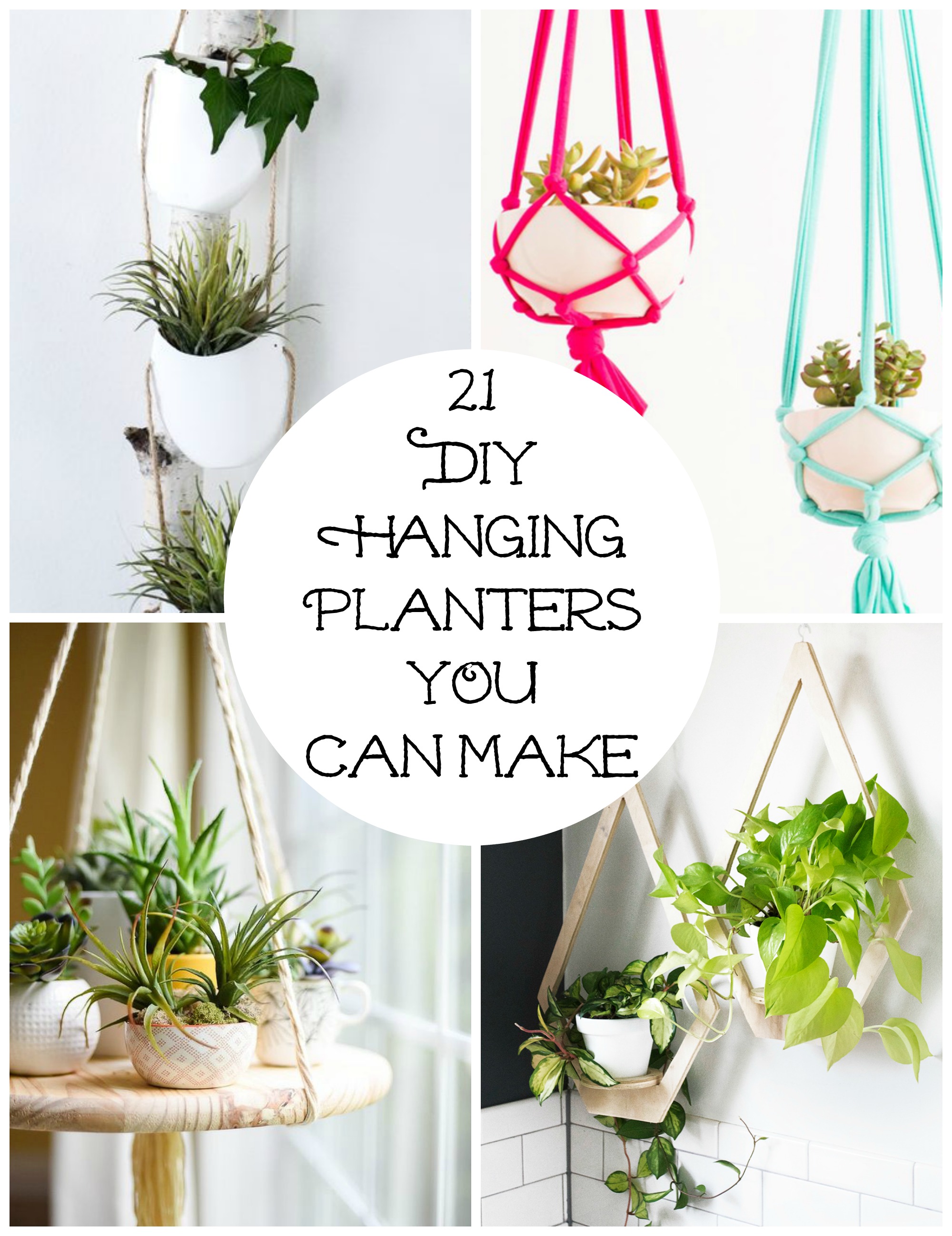
Credit: makeandtakes.com
Step-by-step Planter Construction
Creating hanging planters is a fun way to bring greenery into small spaces. Follow these simple steps to build your own. Each step is clear and easy to follow. You will need basic tools and materials to start.
Preparing The Container
Choose a container that fits your style and space. Clean it well to remove dirt and dust. Drill drainage holes at the bottom for water flow. Use sandpaper to smooth sharp edges. This prevents damage to plants and fingers.
Attaching The Hanging Mechanism
Pick strong ropes, chains, or wires to hang your planter. Attach hooks or eye screws to the container’s sides. Make sure they are secure and balanced. Tie the ropes or chains evenly to avoid tilting. Test the strength before hanging it up.
Planting And Arranging
Fill the container with potting soil, leaving space at the top. Choose plants that suit the container size and light conditions. Place taller plants in the center or back. Arrange smaller plants around for a full look. Water the plants lightly after planting to settle soil.
Styling Tips For Hanging Planters
Hanging planters bring life and charm to any space. Styling them well makes your area more inviting and fresh. Small changes in arrangement, color, and season can create a big impact. Here are simple tips to style your hanging planters beautifully.
Grouping And Placement
Group different planters at varied heights for visual interest. Use clusters of three or five to balance the look. Place them near windows or corners to brighten dull spots. Avoid clutter by spacing each planter enough to let plants grow. Mix sizes and shapes for a natural feel.
Color Coordination
Match planter colors with your room or outdoor decor. Soft tones suit calm spaces, while bright colors add energy. Use neutral pots to highlight colorful plants. Combine pots in similar shades for harmony. Think about leaf colors too, for a balanced palette.
Seasonal Decorating Ideas
Change plants and pots to suit each season. Use evergreen plants in winter for lasting greenery. Bright flowers work well in spring and summer. Autumn calls for warm-colored pots and foliage. Add small decorations like ribbons or ornaments for holidays.
Care And Maintenance
Taking good care of your hanging planters helps plants stay healthy and grow well. Regular care keeps the soil right and prevents problems. Proper maintenance also makes your hanging plants look beautiful for a long time.
Watering Techniques
Water your hanging planters slowly and evenly. Let water soak the soil deeply. Avoid overwatering to stop root rot. Check soil moisture by touching the top layer. Water again only when the soil feels dry.
Fertilizing Tips
Use a balanced fertilizer to feed your plants. Apply fertilizer every two to four weeks during growing season. Choose a liquid or slow-release fertilizer for easy use. Follow the instructions on the package carefully. Too much fertilizer can harm plants.
Pest Prevention
Check your plants often for pests like aphids or spider mites. Remove pests by hand or use mild soap spray. Keep the area clean to avoid pest problems. Healthy plants resist pests better than weak ones. Act quickly if you notice any pest damage.
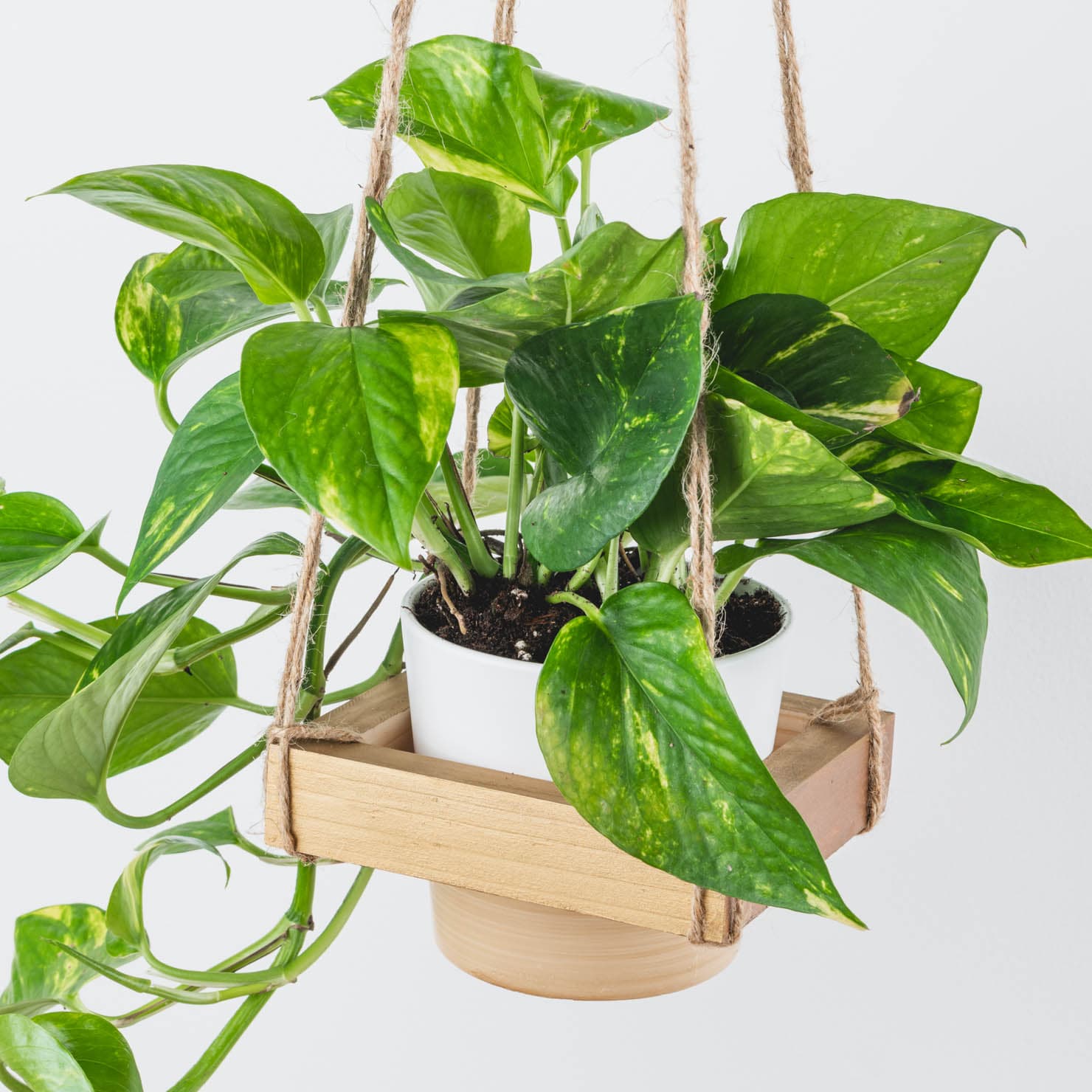
Credit: www.giggleliving.com
Frequently Asked Questions
What Materials Are Needed To Create Hanging Planters?
You need pots, ropes or chains, hooks, soil, and plants to make hanging planters.
How Do I Choose The Right Plants For Hanging Planters?
Pick lightweight plants that do well in indirect light and have shallow roots.
Can I Make Hanging Planters From Recycled Materials?
Yes, old jars, cans, and baskets work well for eco-friendly hanging planters.
How Do I Hang Planters Safely Indoors?
Use strong ceiling hooks and find studs or solid anchors for secure hanging.
How Often Should I Water Hanging Planters?
Water when the soil feels dry, usually once or twice a week depending on plant type.
Conclusion
Creating hanging planters is simple and fun. You only need a few materials and some patience. Choose the right plants for your space and light. Hang your planters where they get enough air and sunlight. Water them carefully to keep plants healthy.
Enjoy the beauty and freshness they bring to your home. Try different styles and colors to match your taste. Hanging planters add life to any room or garden. Start your project today and watch your plants grow!