How to Fill Hanging Planters: Easy Steps for Lush, Thriving Greens
Are you ready to transform your space with vibrant greenery but unsure how to fill hanging planters properly? Filling hanging planters might seem simple, but doing it the right way can make all the difference in keeping your plants healthy and your space looking stunning.
In this guide, you’ll discover easy steps and insider tips that ensure your hanging planters not only look great but also help your plants thrive. Keep reading, and you’ll learn how to create beautiful, flourishing hanging gardens that catch every eye.

Credit: graybunny.com
Choosing The Right Planter
Choosing the right planter for your hanging garden is important. The right planter helps plants grow well and look beautiful. It must fit the space and support the plant’s needs. Consider the planter’s material, size, shape, and drainage. These factors affect plant health and ease of care.
Material Options
Planters come in many materials. Plastic is light and affordable. It does not break easily. Clay and terracotta look natural but are heavy. They absorb water and dry out faster. Metal planters are strong and modern but can get hot in the sun. Wood offers a rustic look but may need extra care to avoid rot. Choose a material that suits your style and plant needs.
Size And Shape
The planter must be big enough for roots to grow. Small planters dry out fast and need more water. Deep planters work well for plants with long roots. Shallow ones suit plants with short roots. Round shapes allow even root growth. Narrow or square shapes save space. Pick a size and shape that fits your plant type and hanging spot.
Drainage Importance
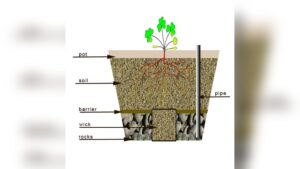
Good drainage keeps plants healthy. Water must flow out to stop root rot. Check for drainage holes in the planter. If none exist, drill some yourself. Use a layer of small stones at the bottom for extra drainage. Proper drainage prevents water buildup and keeps soil fresh. Your plants will thank you with strong growth.
Selecting Healthy Plants
Selecting healthy plants is the first step to a beautiful hanging planter. Healthy plants grow well and last longer. Choosing the right plants ensures your planter stays vibrant and full of life. Look for signs of good health before buying.
Check leaves for bright color and no spots. Avoid plants with yellow or wilted leaves. Stems should be firm, not soft or dry. Healthy roots show through the soil and are white or light brown.
Best Plants For Hanging Planters
Choose plants that thrive in hanging planters. Trailing plants like ivy, spider plants, and pothos work well. They spill over the sides and create a lush look. Ferns and begonias add texture and color. Succulents are great for dry, sunny spots.
Considering Light Requirements
Match plants to the light where you will hang them. Some plants need full sun, like petunias and geraniums. Others prefer shade or indirect light, such as ferns and philodendrons. Wrong light can stress plants and cause poor growth.
Matching Plant Size To Planter
Pick plants that fit your planter’s size. Small plants suit small pots. Large plants need bigger containers for roots to grow. Overcrowding limits air and water flow. Space helps plants grow strong and healthy.
Preparing The Planter
Preparing the planter is the first step to a healthy hanging garden. It sets the stage for strong plant growth and easy care. Taking time to prepare your planter well helps avoid problems later. This section explains how to get your planter ready for planting.
Cleaning And Inspecting
Start by cleaning the planter thoroughly. Remove old soil, debris, and dust. Use a brush and water to scrub the inside. This removes pests and mold that harm plants. Check for cracks or holes. Fix small cracks with waterproof glue. Replace the planter if it has big damage. Clean and inspect to ensure a safe home for your plants.
Adding Drainage Layer
Good drainage stops water from pooling at the roots. Add a layer of small stones or broken pottery pieces at the bottom. This layer helps water flow out easily. Avoid using large rocks that block water. The drainage layer protects roots from rotting and keeps plants healthy.
Choosing The Right Soil Mix
Use soil that holds moisture but drains well. A mix of potting soil, peat moss, and perlite works best. Avoid garden soil, which is too dense for hanging planters. The right soil mix provides air and nutrients to roots. This helps plants grow strong and bloom beautifully.
Planting Techniques
Planting techniques are key to filling hanging planters successfully. They ensure plants grow healthy and look great. Good methods help roots get enough air and water. These tips make your hanging garden thrive all season.
Arranging Plants For Balance
Place taller plants in the center or back of the planter. Use trailing plants near the edges to hang down. Fill gaps with medium-height plants for a full look. This creates a balanced and pleasing shape. Avoid crowding; each plant needs room to shine.
Proper Planting Depth
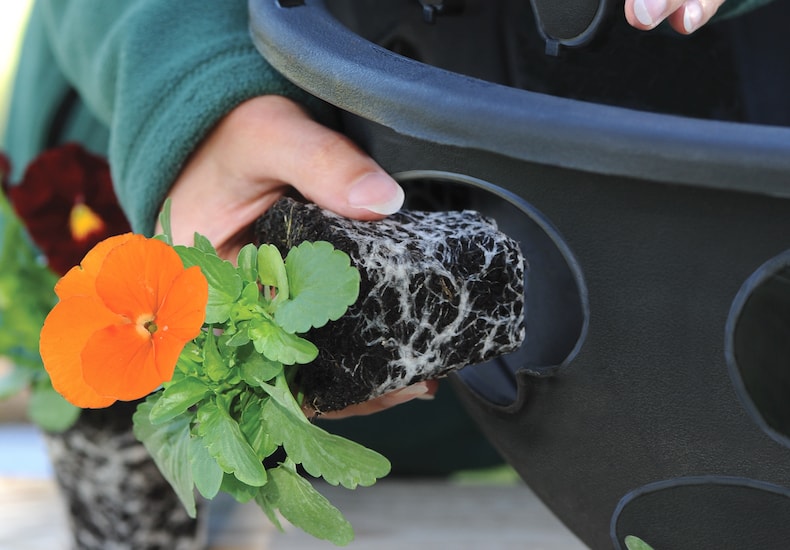
Plant at the same depth as in their nursery pots. Too deep can cause stem rot. Too shallow leaves roots exposed and dry. Firm soil gently around each plant to hold it steady. Water after planting to settle the soil well.
Spacing For Growth
Leave enough space between plants for air and growth. Crowded plants compete for light and nutrients. Follow seed packet or plant tag spacing advice. Watch growth habits to adjust spacing in future plantings. Good spacing keeps plants healthy and prevents disease.
Watering And Maintenance
Watering and maintenance keep hanging planters healthy and vibrant. Proper care helps plants grow strong and bloom beautifully. Regular attention prevents common problems like wilting and pests.
Watering Frequency
Check soil moisture daily, especially in warm weather. Most hanging planters need watering every 2-3 days. Water until it drains from the bottom to reach roots. Avoid overwatering, which can cause root rot.
Fertilizing Tips
Use a balanced liquid fertilizer every 2-4 weeks. Dilute fertilizer to half strength for young plants. Fertilizer supports growth and flowering. Avoid excess fertilizer; it can harm plants.
Pruning And Deadheading
Remove dead or yellow leaves regularly. Pinch off faded flowers to encourage new blooms. Pruning keeps plants tidy and promotes fuller growth. Use clean scissors or fingers for pruning.
Credit: www.walmart.com
Troubleshooting Common Issues
Hanging planters add charm to any space but can face common problems. Knowing how to fix these issues keeps plants healthy and beautiful. Troubleshooting helps you enjoy your hanging garden without stress. Below are easy tips for common problems with hanging planters.
Dealing With Overwatering
Too much water harms plant roots and causes yellow leaves. Check the soil before watering. It should feel dry on top. Use pots with drainage holes to avoid water buildup. Remove excess water from the saucer after watering. Water less often in cooler months to prevent soggy soil.
Pest Control
Insects like aphids and spider mites can attack hanging plants. Inspect leaves regularly for tiny bugs or webs. Wipe leaves with a damp cloth to remove pests. Use mild soap mixed with water to spray affected areas. Keep plants clean and remove dead leaves to stop pests. Natural predators like ladybugs help control bugs too.
Reviving Wilting Plants
Wilting shows plants need help fast. Check soil moisture and water if dry. Look for signs of pests or disease on leaves. Move the planter to a spot with better light if needed. Trim dead or yellow leaves to boost growth. Give plants time to recover after care changes.
Credit: www.thompson-morgan.com
Frequently Asked Questions
What Materials Do I Need To Fill Hanging Planters?
You need potting soil, plants, a small shovel, and water for filling hanging planters.
How Much Soil Should I Put In Hanging Planters?
Fill hanging planters about two-thirds full with soil to leave space for roots.
Can I Use Garden Soil For Hanging Planters?
Use potting soil, not garden soil, for better drainage and plant health.
How Do I Arrange Plants In A Hanging Planter?
Place taller plants in the center and trailing plants near the edges for balance.
How Often Should I Water Hanging Planters After Filling?
Water hanging planters thoroughly right after filling, then water when the soil feels dry.
Conclusion
Filling hanging planters is simple and fun. Choose good soil and add drainage materials first. Then, gently place your plants and fill gaps with soil. Water carefully to keep plants happy. These steps help your planters look fresh and healthy.
Enjoy the beauty your hanging plants bring to any space. Keep practicing, and you will get better every time. Happy planting!