How to Keep Birds from Nesting in Hanging Planters
Are you tired of finding bird nests taking over your beautiful hanging planters? You’re not alone.
While birds are lovely to watch, their nesting can damage your plants and make a mess. Imagine enjoying your greenery without worrying about unwanted guests settling in. You’ll discover simple, effective ways to keep birds from nesting in your hanging planters—so your plants stay healthy and your outdoor space stays clean.
Keep reading to find out how to protect your planters with easy tips you can start using today.
Credit: www.meadowsfarms.com
Why Birds Choose Hanging Planters
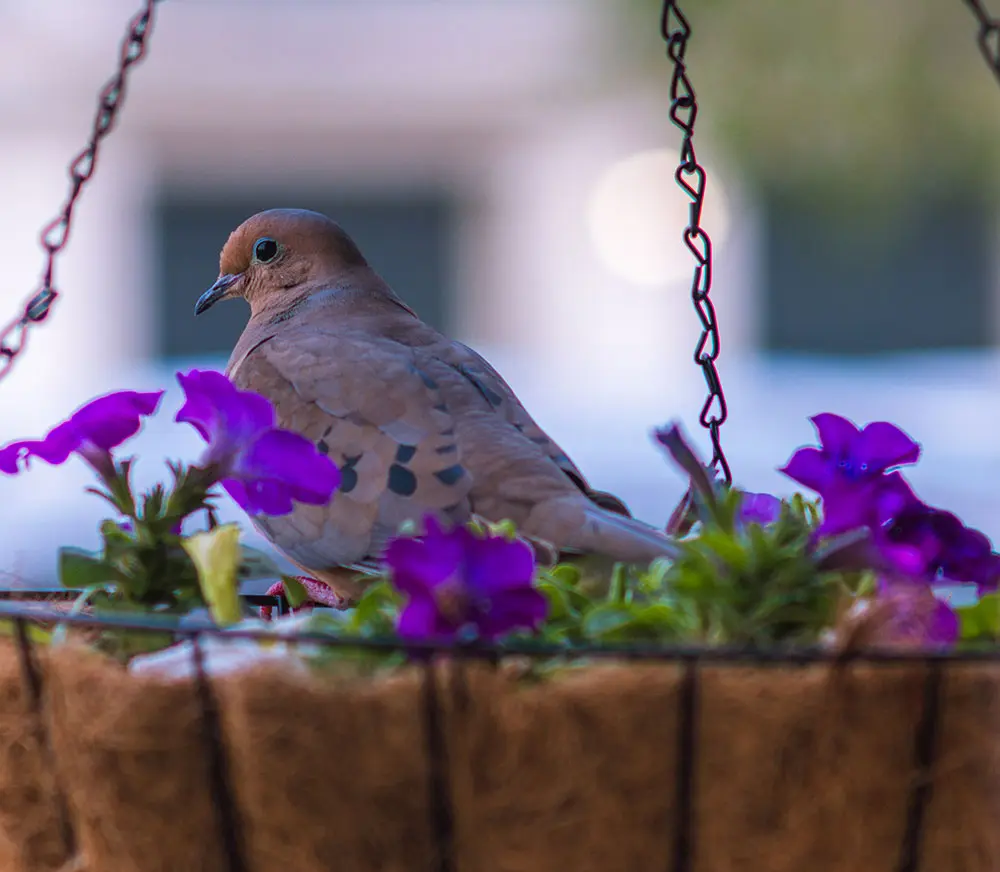
Birds often choose hanging planters as nesting spots. These planters offer safety and comfort. They hang off the ground, keeping nests away from many predators. The sheltered environment inside a planter feels like a perfect home for birds. Understanding why birds pick these spots helps in keeping them away.
Common Bird Species
Many small birds like sparrows, finches, and wrens prefer hanging planters. These birds look for quiet, hidden places to build nests. Hanging planters provide a cozy space that suits their size. Birds such as robins and swallows also use these planters. They find the structure ideal for shelter and raising chicks.
Attractive Features Of Planters
Hanging planters offer shelter from rain and wind. The containers often have thick foliage that hides nests well. Their height above the ground helps birds avoid many ground predators. The warmth inside the planter helps eggs and chicks stay safe. These features make hanging planters very inviting for birds.
Signs Of Bird Nesting
Birds nesting in hanging planters can cause damage and mess. Recognizing the signs early helps protect your plants and keep your space clean. Knowing what to look for makes it easier to act fast and gently discourage birds from settling.
Identifying Nests
Bird nests often look like small cups made of twigs, leaves, and soft materials. They may be tucked deep inside the planter or hidden among the plants. Look for clusters of sticks and grass that seem out of place or unusual. Sometimes, you may spot feathers or small eggs inside the nest.
Behavioral Clues
Birds may visit the planter frequently, carrying twigs or soft materials. You might hear chirping or see birds sitting quietly for long periods. Birds often fly in and out of the planter repeatedly. These actions suggest they are building or tending to a nest nearby.
Physical Barriers To Prevent Nesting
Physical barriers are simple and effective to stop birds from nesting in hanging planters. These barriers block birds from reaching the planter. They make the space less inviting and harder to access. Using physical barriers avoids harm to birds while protecting your plants.
Using Netting And Mesh
Netting and mesh create a strong shield around hanging planters. Choose a fine mesh to stop small birds. Attach the net tightly around the planter without gaps. This prevents birds from slipping inside to build nests. Netting is light and allows sunlight and rain through. It keeps plants safe and healthy while keeping birds away.
Installing Spikes Or Guards
Spikes or guards make landing difficult for birds. Place plastic or metal spikes on top or around the planter rim. The spikes are uncomfortable for birds but cause no harm. Guards can also be clear plastic strips that block access. These tools work well in stopping birds from settling and nesting. They are easy to install and need little maintenance.

Credit: www.youtube.com
Natural Deterrents For Birds
Natural deterrents offer a safe way to keep birds away from hanging planters. They do not harm the birds or plants. Using natural methods helps maintain a healthy garden environment. Many gardeners prefer these gentle yet effective options.
Scent-based Repellents
Certain smells discourage birds from nesting in planters. Birds dislike strong scents like garlic, peppermint, and vinegar. You can place cotton balls soaked in these scents near your plants. Essential oils also work well for this purpose. These smells keep birds away without using chemicals. Change the scent regularly to maintain its effect.
Visual Deterrents
Birds often avoid areas with moving or shiny objects. Hanging reflective items like old CDs or aluminum foil strips can help. These objects move with the wind and scare birds. Fake predators, such as plastic owls or snakes, also work well. Move these decoys occasionally to keep birds cautious. Visual deterrents are simple to set up and safe for your garden.
Planter Placement Strategies
Planter placement plays a big role in keeping birds from nesting. Birds choose spots that feel safe and easy to reach. Changing where and how you hang your planters can help stop birds from settling in. Smart placement can protect your plants and keep your space neat.
Choosing Less Accessible Spots
Pick places that birds find hard to reach. Avoid spots near walls or corners where birds feel protected. Choose open areas with less cover. Birds like calm and quiet places. Moving planters to busier spots can scare them away. Avoid placing planters near food sources or bird feeders.
Altering Planter Height And Location
Change the height of your hanging planters. Hang them higher than usual to make access tough for birds. Move planters away from tree branches and ledges. Birds use these as jumping points. Keeping planters in new locations confuses birds. They may look for other nesting spots instead.

Credit: www.youtube.com
Maintenance Tips To Discourage Nesting
Keeping birds from nesting in hanging planters requires consistent care. Regular maintenance helps stop birds from settling in your planters. Small actions can make a big difference in discouraging nesting.
Regular Cleaning
Clean your hanging planters often. Remove dirt, leaves, and debris that birds might use. Wet soil and old plant material can attract birds. Use a mild soap and water to wash the planter. Let it dry completely before adding new soil or plants. This routine keeps the area fresh and uninviting for birds.
Removing Early Nesting Materials
Check your planters for any twigs, feathers, or leaves daily. Birds start building nests early. Removing these materials stops nests from growing. Be gentle but thorough to avoid disturbing your plants. Early removal makes birds look for other places. This simple step reduces the chance of nesting in your planters.
Safe Removal Of Existing Nests
Removing bird nests from hanging planters needs care and thought. Birds build nests to lay eggs and raise chicks. Removing nests without care can harm birds and break laws. Safe removal protects birds and keeps your plants clean.
Legal Considerations
Many birds are protected by law. It is illegal to remove nests with eggs or young birds. Check local rules before touching any nest. Some birds are more protected than others. Violating laws can cause fines or penalties. Always follow wildlife protection laws carefully.
Humane Removal Methods
Remove empty nests only. Wait until birds have left the nest for good. Wear gloves to avoid disturbing wildlife. Gently take down the nest from the planter. Clean the area to discourage new nests. Use safe deterrents like fake predators or reflective objects. Avoid harmful chemicals or traps. Be patient and kind to the birds.
Preventive Plant Choices
Choosing the right plants for your hanging planters helps stop birds from nesting. Some plants naturally keep birds away. Others do not create a good home for them. Picking these plants prevents birds from settling in your planters. This keeps your plants safe and your space clean.
Plants That Deter Birds
Certain plants have smells or textures birds dislike. Lavender is one example. Its strong scent can keep birds at bay. Another good choice is rosemary. It also has a strong smell and thick leaves. Thorny plants like rose or holly make it hard for birds to build nests. These plants protect your hanging planters without harming birds.
Avoiding Nest-friendly Vegetation
Birds like plants with soft, dense foliage. Avoid plants like ferns or ivy that provide cozy spots. Stay away from fruit-bearing plants that attract birds. Soft grasses and fluffy seed heads invite birds to nest. Choose plants with thin leaves and firm stems. This makes your planters less inviting for birds to settle in.
Frequently Asked Questions
How Can I Stop Birds Nesting In Hanging Planters?
Use physical barriers like mesh or netting to block birds from accessing planters.
What Natural Repellents Keep Birds Away From Planters?
Sprinkle chili powder or use vinegar sprays to deter birds without harming plants.
Does Noise Scare Birds Away From Hanging Planters?
Yes, wind chimes or reflective objects create noise and light that birds dislike.
Can Plant Choice Help Prevent Bird Nesting?
Plants with strong scents or thorny leaves can discourage birds from settling.
How Often Should I Check My Hanging Planters For Nests?
Inspect planters weekly to remove early nests and prevent birds from settling.
Conclusion
Keeping birds from nesting in hanging planters takes patience and simple steps. Use physical barriers like mesh or netting to block access. Regularly check your planters and remove any early nests. Change the location of your planters if birds keep coming back.
Avoid using harmful chemicals that can hurt birds and plants. Small efforts can protect your plants and keep your space clean. Try these tips and enjoy your garden without unwanted guests.