How to Install Hanging Planters: Easy Steps for Stunning Decor
Looking to add a fresh, green touch to your space without taking up floor room? Hanging planters are the perfect solution.
They bring life and color right where you want it—whether it’s your living room, balcony, or kitchen. But maybe you’re unsure how to get started or worried about making mistakes. Don’t worry. This guide will walk you through every simple step to install hanging planters safely and stylishly.
By the end, you’ll have the confidence to transform your space and enjoy your plants like never before. Ready to get your hands a little dirty? Let’s dive in!
Credit: www.thehandymansdaughter.com
Choosing The Right Planter
Choosing the right planter is key to a successful hanging garden. The planter must suit your plant and your space. Picking the right one ensures your plants stay healthy and your space looks great.
Materials And Styles
Planters come in many materials like plastic, ceramic, metal, and wood. Each material affects the look and durability. Plastic is light and cheap. Ceramic looks nice but can be heavy. Metal is strong but may rust. Wood gives a natural feel but needs care. Styles range from modern to rustic. Pick a style that fits your room’s theme.
Size And Weight Considerations
Choose a planter size that fits your plant’s root system. Too small can hurt growth. Too large can hold too much water. Weight matters for hanging. Heavy planters need strong hooks and supports. Consider the ceiling or wall strength. Lightweight planters are easier to hang and move.
Matching Your Space
Think about the space where you will hang your planter. Small spaces need smaller planters. Large spaces can hold bigger ones. Check the height and width available. Match the planter color to your room. It helps the plant and planter blend or stand out. Consider the light in the space too. Some planters suit bright spots better than dark ones.
Credit: www.youtube.com
Selecting The Perfect Location
Choosing the right spot for hanging planters is key to their health and beauty. The perfect location helps plants grow strong and look great. Think about light, temperature, and space before hanging your planter. The right place also keeps your home safe and easy to use. Below are some tips to help you pick the best location.
Light And Temperature Needs
Plants need the right light to thrive. Some love bright sunlight, while others prefer shade. Check your plant’s label for its light needs. Avoid spots with direct sun if the plant likes shade. Temperature matters too. Most hanging plants like steady, moderate warmth. Keep them away from drafts, heaters, or air conditioners. A stable environment helps plants stay healthy.
Wall And Ceiling Options
Choose a strong wall or ceiling to support your planter. Make sure the surface can hold the weight of the plant and soil. Use proper hooks or brackets for secure hanging. Avoid thin walls or weak ceilings that may not support the planter. Measure the space to ensure enough room for the plant to grow. Leave space for watering and care.
Safety And Accessibility
Place hanging planters where they won’t fall or cause accidents. Avoid busy walkways or low ceilings where people can bump into them. Hang planters at a height easy to reach for watering and trimming. Keep them out of reach of pets or children if needed. Safety and ease of care keep your plants and home safe.
Gathering Tools And Supplies
Before you start installing hanging planters, gather all the tools and supplies. This step saves time and makes the process smooth. Having everything ready helps avoid interruptions and frustration. You will need specific tools, mounting hardware, and plant care items. Each plays a key role in setting up your hanging garden safely and beautifully.
Essential Tools
Start with basic tools for measuring and drilling. A tape measure helps find the perfect spot. A drill makes holes for screws and hooks. Screwdrivers are needed to secure mounting hardware. Pliers can help twist wires or adjust hooks. A level ensures your planter hangs straight. Keep a ladder or step stool nearby to reach high places.
Mounting Hardware
Choose strong mounting hardware to hold your planter safely. Hooks, screws, and anchors are common choices. Hooks with a closed loop offer better security. Use wall anchors if mounting on drywall. Ceiling hooks work well for hanging planters indoors. Check the weight limit on all hardware to avoid accidents.
Plant Care Items
Select the right soil for your plants’ needs. Potting mix designed for hanging planters works best. Watering cans or spray bottles help keep plants hydrated. Plant fertilizers support healthy growth over time. Consider using saucers to catch excess water. Gloves protect your hands during planting and maintenance.
Preparing The Mounting Surface
Preparing the mounting surface is the first step to install hanging planters safely. The surface must hold the planter’s weight without damage. Proper preparation helps avoid accidents and keeps your plants secure.
Check the wall or ceiling for strong spots. Use the right tools to find the best place for mounting. Marking the drill points carefully ensures precise installation. Test the stability before hanging the planter to confirm it can hold the load.
Finding Studs Or Supports
Use a stud finder to locate wooden studs behind drywall. Studs provide strong support for heavy planters. If mounting on concrete or brick, find solid areas without cracks. Avoid weak spots like drywall alone. Secure mounting points increase safety and prevent falling.
Marking Drill Points
Hold the planter hook or bracket in place. Use a pencil to mark exact drill points on the surface. Double-check the marks for alignment. Correct marking avoids unnecessary holes and ensures level hanging. Accurate points make drilling easier and faster.
Testing Stability
Drill pilot holes and insert anchors or screws. Attach the hook or bracket firmly. Gently pull or press down to test if it holds. The mounting should feel solid with no movement. Testing stability prevents damage and keeps plants safe on the wall or ceiling.
Installing The Hanging Planter
Installing a hanging planter is a great way to bring life to your space. Proper installation keeps the planter safe and secure. Follow simple steps to make sure your planter hangs perfectly and lasts long.
Drilling And Anchoring
Start by choosing the right spot for your planter. Use a drill to make a hole in the ceiling or wall. Pick a drill bit that matches the size of your anchor. Insert a strong anchor to hold the weight. Anchors help prevent the hook from pulling out.
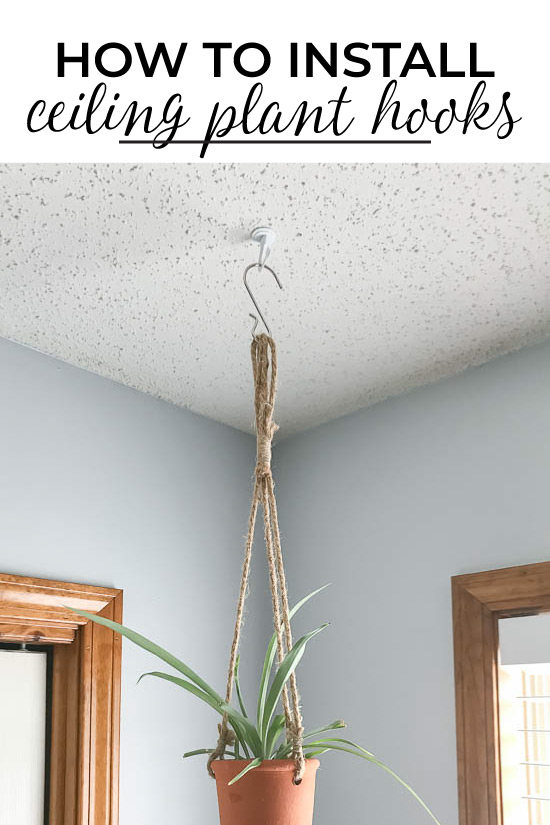
Attaching Hooks Or Brackets
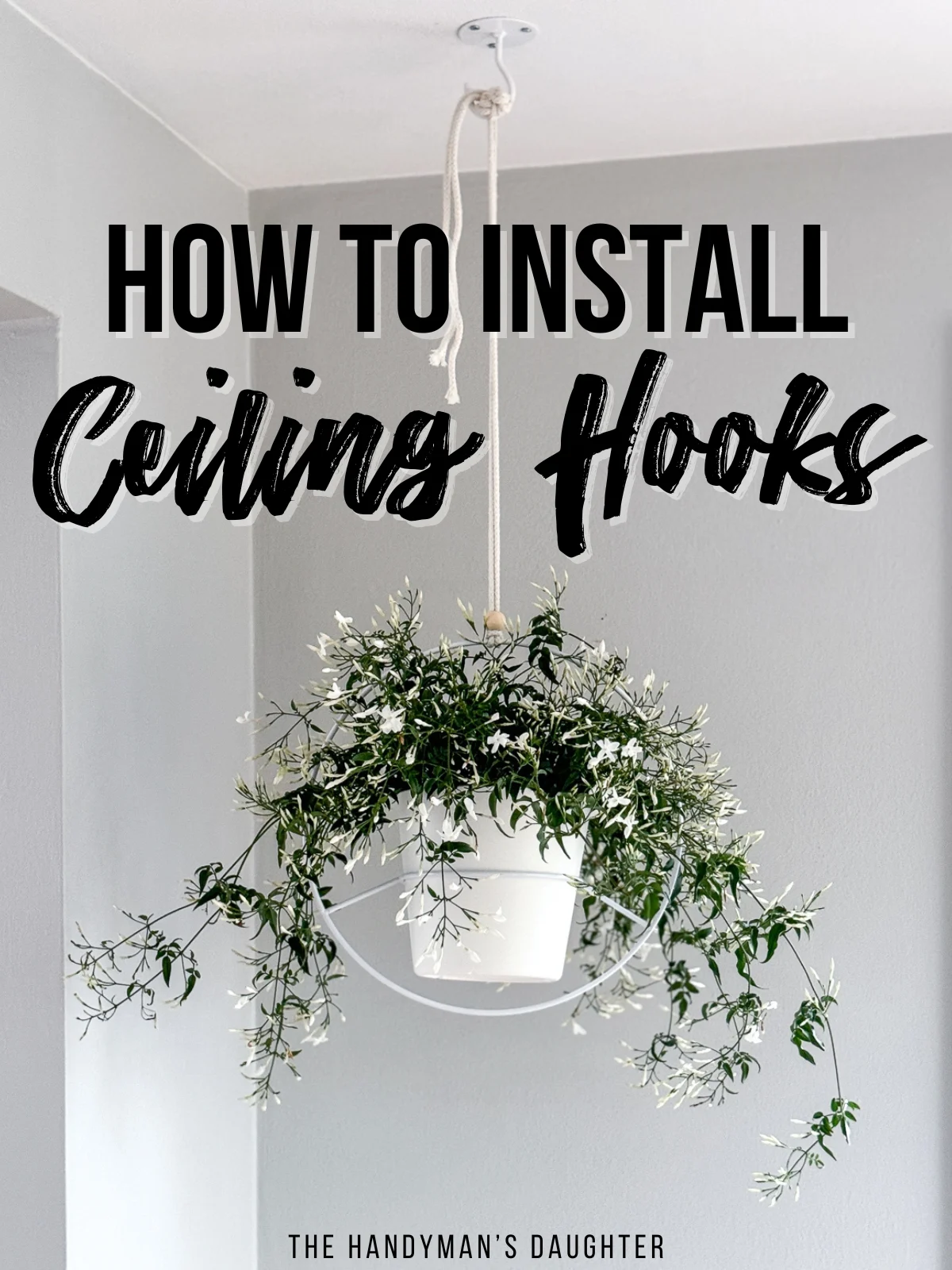
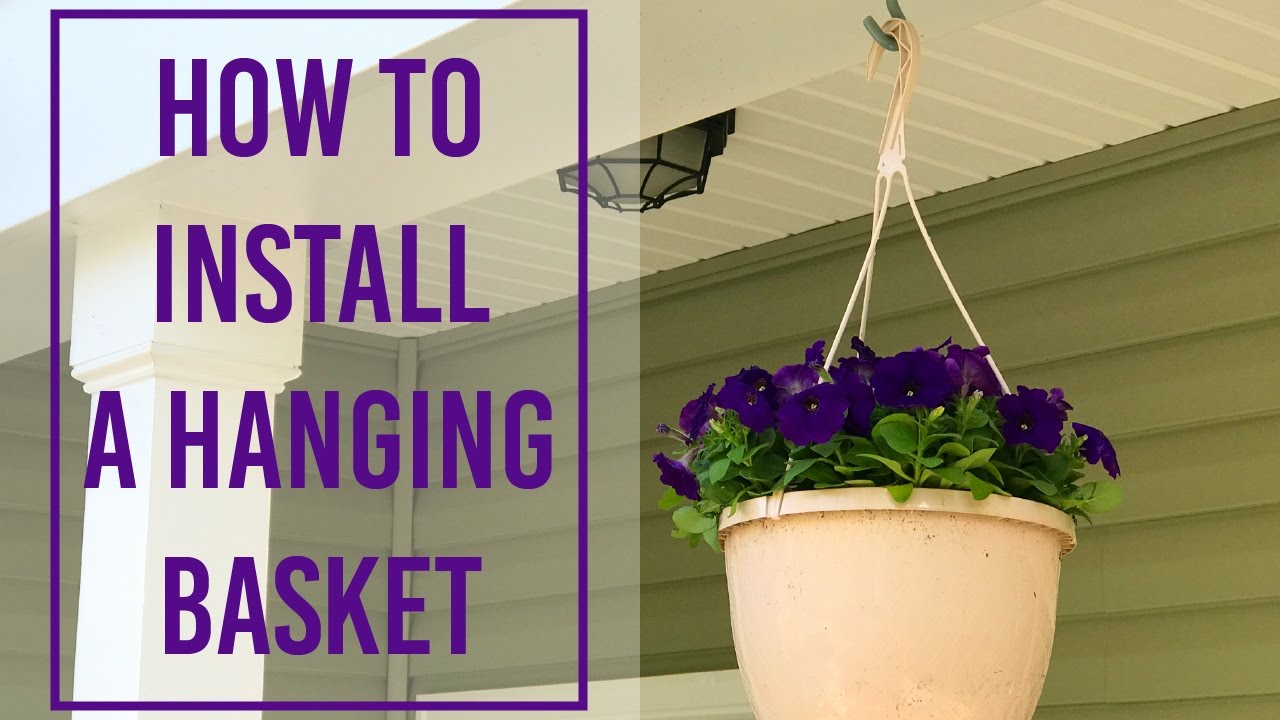
Screw the hook or bracket into the anchor tightly. Make sure it is stable and does not wiggle. Use a hook rated for the weight of your planter. Brackets provide extra support for larger planters. Double check the hook’s position before hanging anything.
Securing The Planter
Hang the planter carefully on the hook or bracket. Check that the planter is balanced and straight. Adjust the ropes or chains if needed. Make sure the planter does not swing too much. Secure knots or fasteners to avoid slipping.
Planting Tips For Hanging Planters
Hanging planters bring life to any space. They save room and add beauty. Growing plants in these planters needs care. The right tips help plants thrive in hanging pots. Follow these simple steps for healthy plants.
Choosing Suitable Plants
Select plants that grow well in hanging pots. Trailing plants like ivy and pothos work great. Small flowers such as petunias add color. Herbs like mint and basil fit well too. Choose plants that do not need deep soil.
Proper Soil And Drainage
Use light potting soil for good air flow. Avoid heavy garden soil that holds water. Add perlite or sand to improve drainage. Make sure the planter has holes at the bottom. This stops water from sitting and hurting roots.
Watering And Maintenance
Water hanging plants regularly but not too much. Check soil moisture before watering again. Remove dead leaves and flowers to keep plants healthy. Feed plants with liquid fertilizer once a month. Keep an eye out for pests and treat early.
Creative Styling Ideas
Creative styling can make hanging planters a stunning part of any space. Simple planters turn into eye-catching decor with the right ideas. Styling brings life and personality to your plants and home. Experimenting with styles makes the process fun and rewarding.
Mixing Plant Varieties
Combine different plants for texture and color contrast. Use leafy greens with flowering plants for variety. Choose plants with different heights to add depth. Succulents with trailing vines create a unique look. Mixing varieties keeps your display interesting and fresh.
Using Multiple Planters
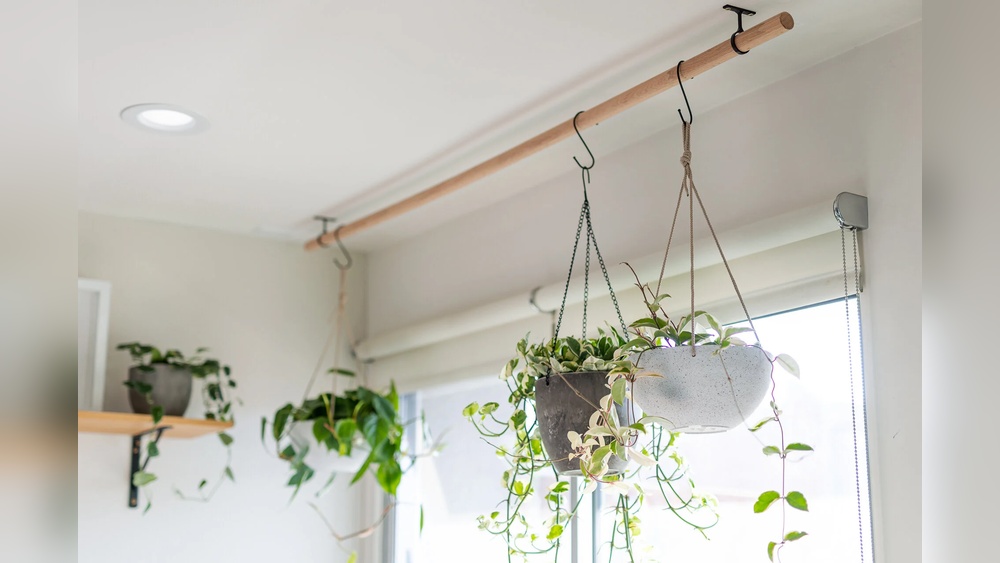
Hang several planters at various heights for a dynamic effect. Grouping planters creates a mini garden in the air. Use different shapes and sizes to add charm. Arrange them close or spread out to fit your space. Multiple planters fill empty walls with natural beauty.
Incorporating Decorative Elements
Add beads, stones, or shells inside the planters for flair. Use colorful ropes or chains to hang your planters. Attach small ornaments or charms to personalize your display. Paint or decorate the pots to match your style. Decorative touches make your hanging plants unique and special.
Credit: prettyhandygirl.com
Troubleshooting Common Issues
Installing hanging planters can be simple, but some problems may arise. Troubleshooting helps fix these issues quickly. This ensures your plants stay healthy and your planters look great.
Planter Stability Problems
Loose hooks or weak ceiling anchors cause planters to wobble. Use strong hooks and proper anchors for support. Check the weight limit of your hook before hanging. Tighten all knots and connections securely. Avoid hanging heavy planters from weak surfaces.
Plant Health Concerns
Yellow leaves or drooping plants show stress or poor care. Water plants according to their needs, not too much or little. Ensure good drainage to avoid root rot. Remove dead leaves to keep plants healthy. Use fresh soil if old soil looks compacted or dry.
Adjusting Light And Placement
Plants may lean or lose color if light is wrong. Move planters closer to windows for more sunlight. Rotate planters regularly to give all sides light. Choose plants that suit the light level of your space. Avoid placing planters where air drafts or heat harm plants.
Frequently Asked Questions
How Do I Choose The Right Spot For Hanging Planters?
Pick a place with enough light and space for your plants to grow well.
What Tools Are Needed To Install Hanging Planters?
You need a drill, screws, hooks, a measuring tape, and a pencil.
Can I Hang Planters On Drywall Without Studs?
Use special drywall anchors to safely hold hanging planters without studs.
How High Should I Hang My Planter From The Ceiling?
Hang planters about 4 to 6 feet high for easy care and good display.
How Do I Care For Plants In Hanging Planters?
Water regularly, check soil moisture, and ensure plants get enough sunlight.
Conclusion
Hanging planters add charm and green space to any room. Follow steps carefully to ensure a safe, strong hold. Choose the right spot with good light for your plants. Use proper tools to make the job easier and faster. Enjoy the fresh look and feel that plants bring inside.
With simple care, your hanging planters will thrive and grow. Start small, and soon you’ll have a lovely green display. Easy to do, and fun to see your plants flourish. Give your home a natural touch that lifts your mood.