How to Avoid Mold And Disease When Watering Plants
Are you tired of seeing mold creeping on your beloved plants every time you water them? You’re not alone—and the good news is, you can stop it before it starts.
Mold and plant diseases don’t just ruin your greenery; they can also drain your time, money, and motivation. But what if you could water your plants the right way to keep them healthy, vibrant, and mold-free? You’ll discover simple, practical tips and proven tricks to avoid mold and disease when watering your plants.
By making a few small changes, you’ll protect your plants from harm and watch them thrive like never before. Ready to become a mold-fighting plant pro? Let’s dive in!
Watering Mistakes To Avoid
Watering plants incorrectly can lead to mold growth and plant diseases. Avoid common watering mistakes to keep plants healthy. Proper watering helps roots breathe and prevents fungal infections. Understanding these errors protects plants from harm and promotes growth.
Overwatering Effects
Giving plants too much water causes roots to stay wet. Roots cannot get air in soggy soil. This creates a perfect place for mold and fungi. Overwatered plants may wilt and turn yellow. Mold can grow on soil surface and stems. Avoid overwatering to keep plants strong and disease-free.
Watering Timing
Water plants at the right time of day. Early morning is best because leaves dry quickly. Wet leaves at night stay damp longer. Dampness encourages mold and fungal diseases. Avoid watering late in the day or night. Proper timing reduces the chance of plant diseases.
Water Distribution Tips
Water plants evenly at the base, not on leaves. Wet leaves invite mold and mildew. Use a watering can or drip irrigation for control. Soak the soil deeply but allow it to dry between waterings. Proper water distribution keeps roots healthy and prevents disease.
Signs Of Mold And Disease
Noticing mold and disease early helps protect your plants. These signs show when plants struggle. Spotting them quickly means you can act fast. Healthy plants grow better and stay strong. Here are key signs to watch for.
Common Mold Types
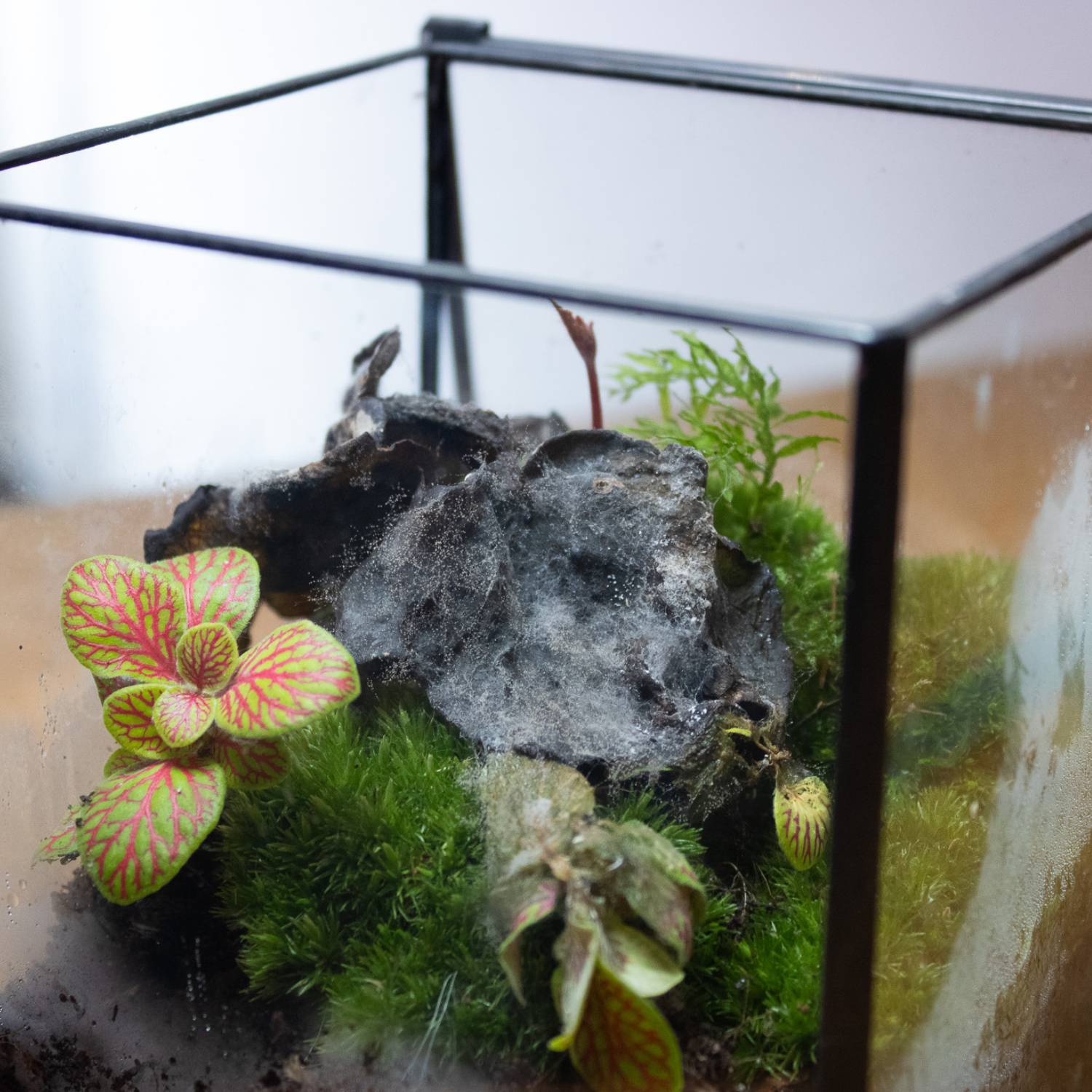
Powdery mildew looks like white dust on leaves. It spreads quickly in warm, dry air. Downy mildew appears as yellow or white patches. It thrives in cool, moist places. Black mold forms dark, fuzzy spots on stems. Sooty mold grows on sticky plant surfaces. Each mold type harms plants differently.
Disease Symptoms
Leaves may yellow, curl, or drop off early. Spots or blotches can appear on leaves and stems. Stunted growth shows plants are weak. Wilting happens even when soil is wet. Roots may rot and smell bad. Some diseases cause a slimy or fuzzy coating. Watch for any unusual plant changes.
Early Detection Methods
Check plants daily, especially under leaves. Use a magnifying glass to see tiny spots. Smell the soil and leaves for musty odors. Remove dead or damaged leaves quickly. Keep plants spaced for good air flow. Use clean tools to avoid spreading disease. Catching problems early stops mold growth.
Natural Remedies For Mold
Using natural remedies helps protect plants from mold without harmful chemicals. These solutions are safe, easy to make, and effective against mold and fungal growth. They improve plant health and keep your garden thriving.
Baking Soda Solutions
Baking soda changes the pH on leaf surfaces. It creates an environment where mold cannot grow well. Mix one teaspoon of baking soda with a quart of water. Add a few drops of mild soap to help it stick. Spray this on affected plants once a week. Avoid spraying in direct sunlight to prevent leaf burn.
Hydrogen Peroxide Uses
Hydrogen peroxide kills mold spores quickly and safely. Dilute three percent hydrogen peroxide with equal parts water. Spray the mixture on moldy leaves and soil. It also adds oxygen to the soil, helping roots stay healthy. Use this treatment every few days until mold disappears. Always test on a small leaf area first.
Milk And Vinegar Sprays
Milk acts as a natural fungicide by strengthening plant defenses. Mix one part milk with two parts water and spray leaves thoroughly. Vinegar also stops mold spores from spreading. Use one tablespoon of white vinegar in a quart of water for spraying. Apply these sprays every week to keep mold under control. Avoid strong vinegar concentrations to protect plants.
Credit: ome.design
Commercial Fungicide Options
Using commercial fungicides can help protect your plants from mold and disease. These products are made to fight fungal problems effectively. Choosing the right fungicide depends on the type of plants and the fungal issue you face. Applying fungicides properly keeps your plants healthy and mold-free.
Copper-based Products
Copper-based fungicides are popular for controlling many fungal diseases. They work by stopping fungi from growing on plant surfaces. These products are safe for most plants when used as directed. Copper fungicides also help prevent future infections. Regular use can reduce mold problems in your garden.
Neem Oil Benefits
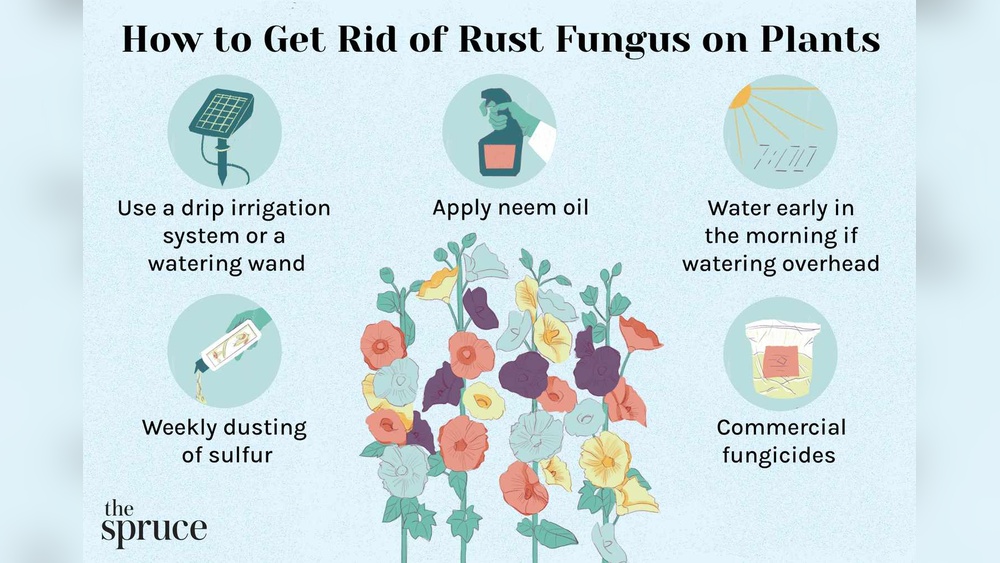
Neem oil is a natural fungicide extracted from neem tree seeds. It kills fungal spores and stops mold growth. Neem oil also repels harmful insects that spread disease. It is gentle on plants and safe for the environment. Spraying neem oil regularly keeps plants strong and disease-free.
Potassium Bicarbonate Sprays
Potassium bicarbonate sprays act fast to kill mold and mildew on contact. They change the surface pH, creating an environment fungi cannot survive. These sprays are less toxic than many chemical fungicides. They work well for powdery mildew and other common fungal issues. Using them often helps maintain healthy, clean plants.
Application Strategies
Proper application strategies help keep plants healthy and free from mold and disease. How you apply treatments matters as much as what you use. Correct timing, thorough coverage, and consistent frequency play key roles. These factors ensure sprays work effectively without harming your plants.
Best Time To Spray
Spray plants in the evening or early morning. Cooler temperatures reduce evaporation and increase spray effectiveness. Avoid spraying under direct sunlight to prevent leaf burn. Moist conditions help sprays stick better to leaves. Choose calm days to avoid wind drift and waste.
Coverage Techniques
Cover all parts of the plant evenly. Spray the tops and undersides of leaves carefully. Include stems and any spots showing mold or damage. Use a fine mist for better distribution. Hold the spray nozzle close but not too near to avoid runoff. Rotate plants if possible for full coverage.
Frequency Of Treatment
Apply treatments regularly for best results. Follow product instructions on how often to spray. Repeat every 7 to 14 days or after heavy rain. Increase frequency if mold returns quickly or spreads fast. Consistent care prevents mold from gaining a foothold.
:strip_icc()/treating-powdery-mildew-plant-ac36e077ba4a4f6184824bd68483489c.jpg)
Credit: www.bhg.com
Controlling Pest-related Mold
Mold growth on plants often links to pests that produce sticky substances. These substances create an ideal environment for mold. Controlling these pests helps prevent mold and diseases. Focus on identifying the insects, choosing the right insecticides, and preventing honeydew buildup.
Identifying Insect Sources
Look closely at plant leaves and stems. Common pests include aphids, whiteflies, and scale insects. They secrete a sugary liquid called honeydew. This sticky fluid attracts mold and ants. Early identification stops mold before it spreads. Check regularly for small, soft-bodied insects and tiny whiteflies.
Insecticide Choices
Choose insecticides safe for your plants and environment. Neem oil works well as a natural insecticide. It controls many soft-bodied insects without harsh chemicals. Insecticidal soaps also reduce pest numbers effectively. Apply sprays in the early morning or late evening. This prevents damage from strong sunlight and helps insecticides work better.
Preventing Honeydew Build-up
Remove honeydew to block mold growth. Wash leaves gently with water to remove sticky residue. Encourage natural predators like ladybugs to eat pests. Keep plants healthy with proper watering and good air circulation. Healthy plants resist pests and mold better. Regular cleaning and pest control reduce honeydew and mold risks.
Soil And Environment Care
Soil and environment care plays a vital role in preventing mold and disease in plants. Healthy soil and proper surroundings create a strong base for plant growth. This lowers the chances of harmful fungi and bacteria attacking your plants. Paying attention to drainage, humidity, and air movement helps keep plants safe and thriving.
Improving Drainage
Good drainage stops water from sitting in the soil. Excess water can cause root rot and mold. Use pots with holes at the bottom. Mix soil with sand or perlite to make it less dense. Avoid compacted soil, which holds too much moisture. Proper drainage keeps roots healthy and prevents disease.
Humidity Management
High humidity favors mold growth. Keep humidity levels moderate around your plants. Use a hygrometer to check humidity regularly. Water plants early in the day to allow leaves to dry. Avoid overhead watering if possible. Lower humidity reduces mold spores and protects plant leaves.
Air Circulation Tips
Good air flow helps dry soil and leaves faster. Place plants where air moves freely. Use fans indoors to increase air circulation. Avoid crowding plants close together. Trim dense foliage to allow airflow inside the plant. Proper air circulation limits mold growth and keeps plants healthy.
:max_bytes(150000):strip_icc()/how-to-prevent-and-treat-mold-in-houseplants-0123-2000-b009a2b8c8de4ff393809417cd559a1c.jpg)
Credit: www.marthastewart.com
Frequently Asked Questions
What To Spray On Plants To Prevent Mold?
Spray plants with neem oil, copper-based fungicides, or potassium bicarbonate to prevent mold. Homemade options include baking soda or diluted hydrogen peroxide solutions. Apply sprays thoroughly on leaves, stems, and repeat regularly, preferably in the evening, for effective mold control.
What Plant Removes 78% Of Airborne Mold?
The Boston Fern removes up to 78% of airborne mold, improving indoor air quality effectively and naturally.
How Do You Prevent Fungal Diseases In Plants?
Prevent fungal diseases by ensuring good air circulation and avoiding overhead watering. Use fungicidal sprays like neem oil or baking soda solution. Remove infected plant parts promptly and keep plants healthy with proper nutrition. Apply treatments regularly and control insect pests to reduce fungal growth.
Does Cinnamon Prevent Mold On Plants?
Cinnamon has mild antifungal properties that may reduce mold growth on plants. Use it as a natural, preventive dusting. For severe mold, rely on proven fungicides or neem oil sprays. Regular application and proper plant care improve effectiveness in preventing mold.
Conclusion
Avoid overwatering to keep plant roots dry and healthy. Water early or late to reduce leaf wetness. Use natural or commercial sprays to stop mold growth. Check plants regularly for signs of disease. Remove damaged leaves to prevent spread. Good air flow helps plants stay strong and clean.
Healthy habits protect your garden from mold and disease. Keep these tips in mind for thriving plants.