How Often Should an Orchid Plant Be Watered
Are you wondering how often you should water your orchid to keep it healthy and blooming? Watering orchids might seem simple, but giving them too much or too little water can harm your plant.
You want your orchid to thrive, not just survive. You’ll discover the perfect watering routine tailored to your orchid’s needs. By the end, you’ll know exactly when and how to water your orchid so it stays vibrant and beautiful. Let’s dive in and make sure your orchid gets the care it truly deserves!
Watering Frequency
Watering frequency is key to keeping your orchid healthy. Orchids need water, but not too much. Overwatering can harm roots and cause rot. Too little water makes the plant dry and weak. Finding the right balance is important for growth and blooms.
Different types of orchids and environments change how often you should water. Watch your plant and adjust watering to fit its needs.
Weekly Watering Guidelines
Most orchids do well with watering once a week. Use room temperature water and soak the pot thoroughly. Let water drain completely to avoid standing water. Avoid watering leaves or crown to prevent rot. Check the potting mix before watering; it should feel dry.
Seasonal Adjustments
Watering needs change with the seasons. In warmer months, orchids use more water and may need watering twice a week. Cooler seasons slow growth, so water less often. Indoor heating can dry air, so monitor moisture carefully. Adjust watering based on temperature and humidity.
Signs Your Orchid Needs Water
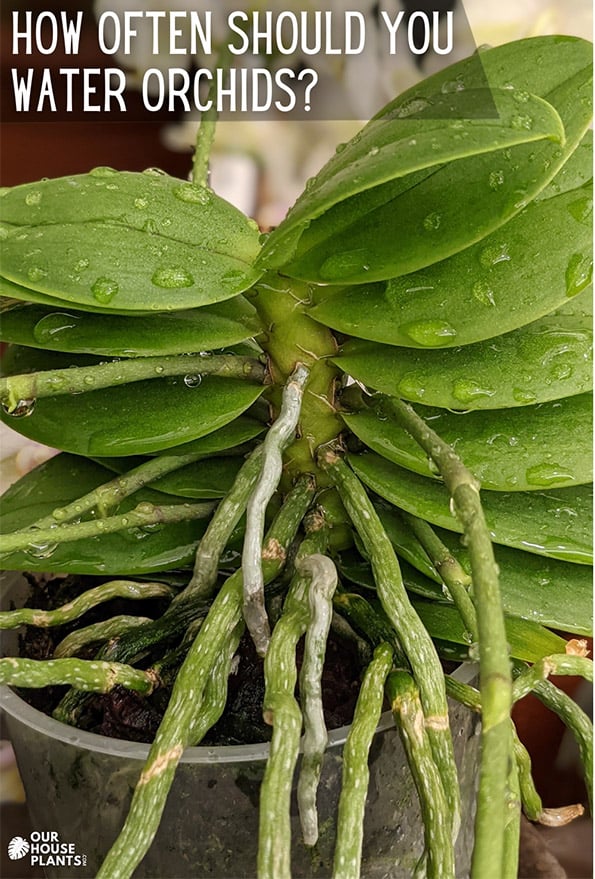
Leaves that look wrinkled or limp show your orchid is thirsty. The potting medium feels dry and light. Roots turn silvery or white when dry. Leaves may yellow or drop if water is too little. Watch these signs to know when to water next.
Watering Techniques
Watering orchids correctly supports their health and beautiful blooms. Different techniques affect how water reaches the roots and leaves. Using the right method helps avoid root rot or dehydration. Understanding these techniques helps keep orchids happy and thriving.
Soaking Vs. Misting
Soaking means placing the orchid pot in water briefly. This allows roots to absorb moisture fully. Usually, soak for 10 to 15 minutes, then let it drain well. Misting sprays water on leaves and air roots. It raises humidity but does not replace deep watering. Soaking gives the plant enough water, while misting helps keep leaves fresh.
Using Ice Cubes Safely
Some growers use ice cubes on orchid media to water slowly. Use only a few ice cubes at a time. Avoid placing ice directly on roots or leaves. Let the ice melt naturally and soak into the medium. This method works best in warm rooms and for small pots. Do not rely only on ice cubes for regular watering.
Water Temperature Tips
Use room temperature water to avoid shocking orchid roots. Cold water can stress the plant and slow growth. Warm water helps nutrients move better in the soil. Avoid hot water; it may burn the roots. Let tap water sit overnight to lose chlorine before watering.
Orchid Types And Water Needs
Orchid plants vary widely in how much water they need. Different types have unique watering requirements based on their natural habitats and growth habits. Understanding these needs helps keep orchids healthy and blooming longer. Here is a guide for common orchid types and their water needs.
Phalaenopsis Care
Phalaenopsis orchids are popular and easy to grow indoors. They store little water in their leaves and roots. Water these orchids once a week in most homes. Let the potting mix dry slightly before watering again. Avoid letting water sit in the crown of the plant to prevent rot.
Cattleya And Oncidium Needs
Cattleyas and Oncidiums have thick pseudobulbs. These store water, so the plant can go longer between waterings. Water these orchids every 10 to 14 days. Allow the potting medium to dry completely before adding water. Overwatering can cause root rot and harm the plant.
Vanda Watering Routine
Vandas do not have pseudobulbs or thick leaves. They need frequent watering, about every 2 to 3 days. In warm climates, daily watering may be necessary. These orchids like to dry out only a little before watering again. Water the roots thoroughly to keep the plant healthy and strong.
Credit: www.ourhouseplants.com
Potting And Drainage
Proper potting and drainage are key to keeping orchid plants healthy. Orchids need pots that let water flow out easily. Good drainage stops water from sitting at the roots. This helps avoid problems like root rot. Choosing the right pot and improving drainage work together to create the best environment for orchids.
Choosing The Right Pot
Pick a pot with many holes or slits for water to escape. Clear plastic pots show root health and moisture levels. Clay pots breathe well but dry out faster. Avoid pots without drainage holes. Orchids need air around their roots to grow strong.
Improving Drainage
Use a special orchid mix with bark, charcoal, and perlite. This mix drains quickly and keeps air near roots. Add small stones or broken pottery at the bottom for extra drainage. Do not use regular potting soil. It holds too much water and can drown the roots.
Avoiding Root Rot
Root rot happens when roots stay wet too long. It makes roots soft and black. Water the orchid only when the potting mix feels dry. Remove dead or rotten roots with clean scissors. Good drainage and proper watering keep roots healthy and strong.
Environmental Factors
Environmental factors play a big role in how often you should water your orchid plant. These factors affect the moisture needs and water absorption of the plant. Understanding these details helps keep your orchid healthy and thriving.
Light And Shade Impact
Orchids in bright light dry out faster than those in shade. Direct sunlight increases evaporation from the soil and leaves. Shade slows down this drying process, so watering can be less frequent. Knowing your orchid’s light exposure helps set the right watering schedule.
Humidity Levels
Orchids love humidity. High humidity means the air holds more moisture, so the soil stays damp longer. In dry air, orchids lose water quickly through their leaves. This causes the plant to need water more often. Monitor your home’s humidity to adjust watering properly.
Temperature Influence
Higher temperatures cause orchids to use water faster. Warm air speeds up evaporation and plant transpiration. Cool temperatures slow down these processes, letting the soil stay moist longer. Checking the room or outdoor temperature guides you on when to water your orchid.
Common Watering Mistakes
Watering orchids might seem simple but many gardeners make common mistakes. These errors affect orchid health and growth. Understanding these mistakes helps keep orchids vibrant and blooming longer. Pay attention to watering habits to avoid problems.
Overwatering Risks
Too much water causes root rot and fungal infections. Orchid roots need air to breathe. Constant wetness suffocates roots and leads to decay. Leaves may turn yellow and drop. Overwatering also attracts pests like gnats. These conditions weaken the plant over time.
Underwatering Effects
Not watering enough causes dehydration and shriveled roots. Orchids store water in their roots and leaves but only for short periods. When dry, leaves become wrinkled and limp. Flower buds may drop before blooming. Prolonged dryness stops growth and causes plant stress.
How To Recover A Thirsty Orchid
Start by soaking the orchid pot in water for 15-20 minutes. This rehydrates roots fully. Use room temperature water and let excess drain out. Mist leaves lightly to increase humidity. Move the orchid to a shaded spot to reduce stress. Resume normal watering once the plant recovers.
Frequently Asked Questions
What Is The Best Way To Water An Orchid?
Water orchids thoroughly once a week, letting water drain completely. Avoid letting roots sit in water to prevent rot. Check roots; water when they turn silvery, not green. Use room-temperature water and avoid overwatering for healthy growth and blooming.
How Often Should You Water Indoor Orchids?
Water indoor orchids about once a week. Check roots; water when they turn silvery, not green. Adjust frequency by season and humidity.
Do Orchids Need Sun Or Shade?
Orchids thrive best in bright, indirect light. They prefer shade or filtered sunlight, avoiding direct harsh sun.
When Watering My Orchid, Should I Use Water Or Ice Cubes?
Use room-temperature water to water your orchid. Avoid ice cubes, as they can shock and damage the roots. Water thoroughly until it drains.
Conclusion
Watering orchids requires attention to their specific needs. Most orchids do well with watering once a week. Some types need more frequent watering, especially in warm weather. Always check if the soil feels dry before watering again. Avoid overwatering to prevent root rot.
Proper watering helps orchids bloom beautifully and stay healthy. Understanding your orchid’s watering schedule makes caring easier and more rewarding. Keep observing your plant and adjust watering as needed. Healthy orchids bring joy and beauty to any home.