
How Often Do Strawberry Plants Need to Be Watered
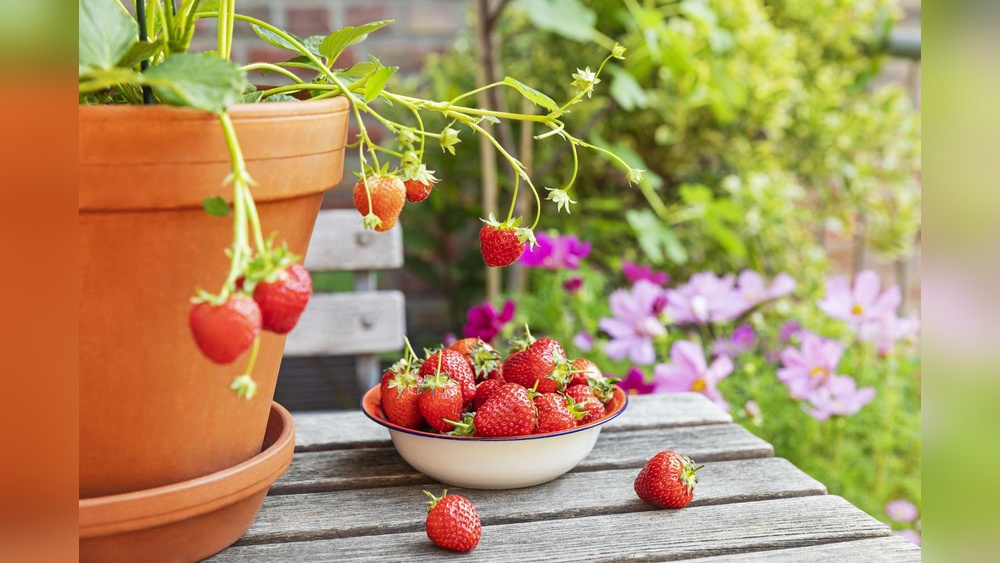
Growing strawberries can be incredibly rewarding, but one question many gardeners struggle with is: how often do strawberry plants need to be watered? If you give your plants too little water, they may wilt, produce fewer berries, or even stop growing.
On the other hand, overwatering can lead to root rot and other problems that stunt growth. Knowing the right watering routine is key to harvesting juicy, flavorful strawberries season after season. You’ll discover simple, practical tips to help you keep your strawberry plants perfectly hydrated—no guesswork needed.
Ready to get your watering schedule just right and enjoy a bountiful harvest? Let’s dive in!
Water Needs Of Strawberry Plants
Strawberry plants need the right amount of water to grow healthy and produce sweet fruit. Water helps the roots absorb nutrients and keeps the plant alive. Knowing how often to water strawberries prevents problems like dry soil or root rot. Water needs change with weather, soil, and plant growth.
Daily Water Requirements
Strawberry plants usually need about 1 inch of water per week. This equals around 0.14 inches daily, but daily watering depends on weather and soil. Hot, dry days need more water. Water in the morning to reduce evaporation. Keep soil moist but not soggy.
Signs Of Underwatering
Leaves curl and droop when plants lack water. Growth slows down, and flowers may not develop well. Fruits can be small and less juicy. Soil feels dry a few inches below the surface. Plants look weak and less green.
Risks Of Overwatering
Too much water causes roots to rot and plants to die. Soil stays wet and lacks air, harming roots. Leaves may turn yellow or wilt. Fruits can become soft and taste bland. Avoid watering if soil is still wet from before.

Credit: cloversgarden.com
Factors Affecting Watering Frequency
Watering frequency for strawberry plants changes with many factors. Understanding these factors helps keep plants healthy and productive. Each factor affects how much and how often strawberries need water.
Impact Of Weather Conditions
Hot and dry weather makes soil dry quickly. Windy days also pull moisture from soil and plants. Cooler or rainy weather slows down drying. Adjust watering to match daily weather changes.
Influence Of Soil Type
Sandy soil drains water fast and dries out sooner. Clay soil holds moisture longer and stays wet. Loamy soil balances water retention and drainage well. Knowing your soil type guides proper watering amounts.
Effect Of Planting Method
Strawberries in containers dry faster than those in the ground. Raised beds have better drainage but lose water quicker. Ground-planted strawberries keep moisture longer. Water needs vary by where plants grow.
Growth Stage Water Needs
Young plants need less water than mature fruiting ones. During flowering and fruiting, plants need more moisture. Water supports berry growth and flavor. Adjust watering as plants develop through stages.
Varietal Differences
Different strawberry varieties have unique water needs. Day-neutral types require steady moisture all season. June-bearing strawberries need more water during fruit production. Choose watering schedules based on variety traits.
Best Practices For Watering
Watering strawberry plants correctly is key to healthy growth and sweet fruit. Proper watering keeps plants hydrated without causing root problems. Follow these best practices to make sure your strawberries get just the right amount of water every time.
Checking Soil Moisture
Check soil moisture before watering. Insert your finger about one inch deep into the soil. If it feels dry, it is time to water. If it still feels moist, wait a day or two and check again. This simple test prevents overwatering, which can harm roots.
Deep Vs Shallow Watering
Water deeply to encourage strong root growth. Shallow watering only wets the surface and can lead to weak roots. Aim to moisten the soil at least 6 inches deep. Deep watering helps plants survive dry spells and grow better fruit.
Watering Techniques
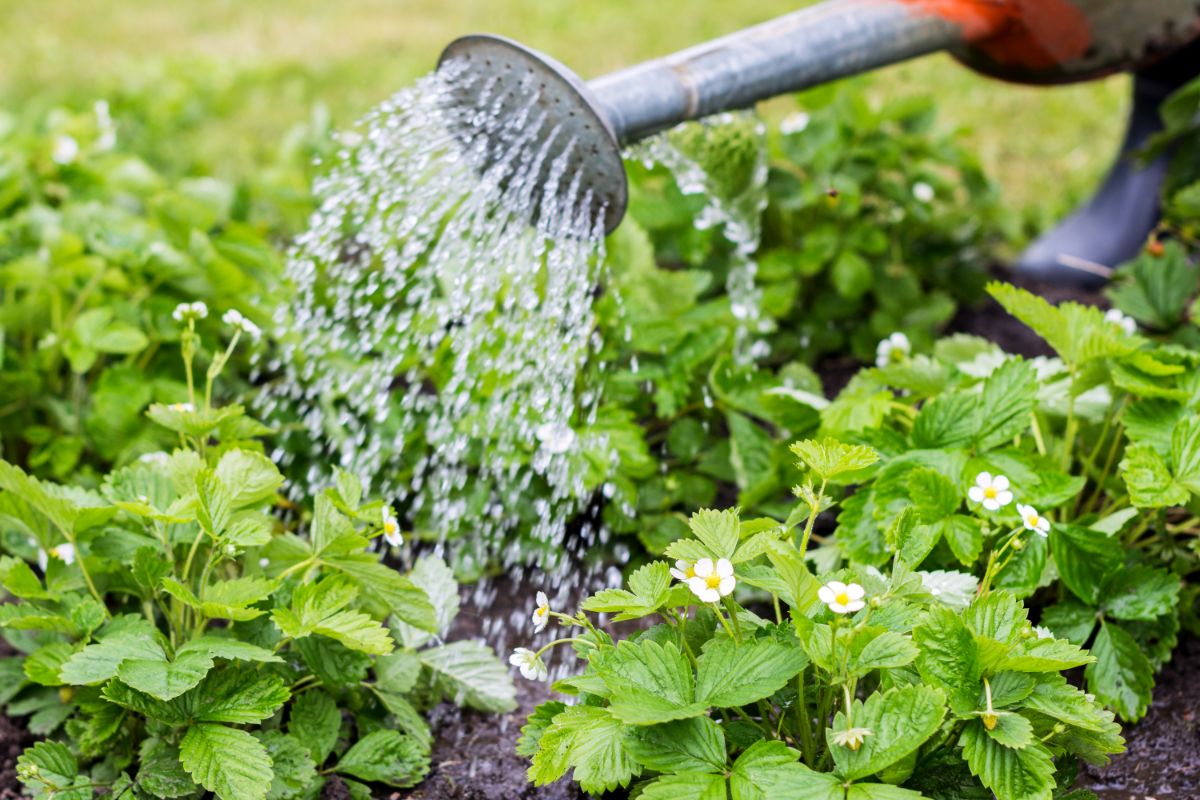
Use a gentle spray or drip irrigation to water strawberries. Avoid overhead watering, which can cause leaves to stay wet and increase disease risk. Water at the base of the plants, near the roots, for best results.
Ideal Timing For Watering
Water early in the morning to reduce evaporation. Morning watering also allows leaves to dry during the day. Avoid watering in the evening to prevent fungal growth. Consistent watering at the right time keeps plants healthy.
Adjusting Watering For Environment
Adjust watering frequency based on weather and soil type. Hot, dry weather means strawberries need more water. Sandy soils drain quickly and require frequent watering. Clay soils hold moisture longer and need less. Container plants need watering more often than garden beds.
Watering Tips For Different Growing Setups
Watering strawberry plants depends on how they are grown. Different setups hold water differently. Understanding each setup helps keep your plants healthy. Proper watering prevents root rot and drought stress. Here are simple tips for common growing methods.
Container-grown Strawberries
Containers dry out faster than garden soil. Water daily during hot weather. Use a saucer to catch excess water. Ensure pots have drainage holes to avoid waterlogging. Check soil moisture by touching the top inch. Water only when dry to the touch. Avoid letting containers sit in standing water.
Raised Beds
Raised beds warm up quickly and drain well. Water every two to three days in warm weather. Mulch helps retain moisture and reduce evaporation. Check soil moisture more often during heat waves. Water early in the morning to reduce evaporation loss. Avoid watering late in the day to prevent disease.
In-ground Plantings
In-ground strawberries need less frequent watering. Water deeply once or twice a week depending on rain. Sandy soils require more water than clay soils. Use mulch to keep soil moist and cool. Test soil moisture by inserting your finger two inches deep. Water only if soil feels dry at that depth.
Troubleshooting Watering Issues
Watering strawberry plants correctly is key to a healthy harvest. Problems with watering can cause poor growth and low fruit yield. Troubleshooting helps spot and fix these issues fast. This section guides you through common watering problems and easy solutions.
Identifying Water Stress Symptoms
Wilting leaves often signal water stress in strawberry plants. Leaves may curl or turn brown at the edges. Fruit can become small or dry. Check soil moisture regularly. Dry soil means the plant needs water. Wet, soggy soil may also cause stress.
Managing Fungal Risks
Too much water invites fungal diseases like root rot or powdery mildew. These fungi thrive in damp conditions. Avoid watering late in the day to keep leaves dry overnight. Ensure good soil drainage. Space plants well to improve air flow and reduce disease chances.
Correcting Overwatering
Overwatered plants have yellowing leaves and soft roots. Soil stays wet for days. Stop watering and let soil dry out. Improve drainage by adding organic matter or raising beds. Use mulch to keep soil moist but not soggy. Check pots for drainage holes.
Fixing Underwatering Problems
Underwatered strawberries show droopy, dry leaves and slow growth. Soil feels hard and dry below the surface. Water deeply to reach roots. Water early in the morning to reduce evaporation. Mulch helps keep soil moist longer. Adjust watering frequency during hot weather.
Credit: strawberryplants.org
Frequently Asked Questions
Should I Water My Strawberries Every Day?
Water strawberries when the top 1-2 inches of soil feel dry. Avoid daily watering unless soil dries quickly. Water deeply in the morning to promote healthy roots and prevent disease. Adjust frequency based on weather, soil type, and plant growth stage for best results.
Can Strawberries Be Overwatered?
Yes, strawberries can be overwatered. Excess water causes root rot and poor plant health. Water only when soil feels dry.
What Do Underwatered Strawberries Look Like?
Underwatered strawberries show curling, drooping leaves and less vigorous growth. Fruits may be small and poorly developed.
How To Tell If Strawberries Need Water?
Check soil moisture by inserting a finger 1-2 inches deep. Dry soil means strawberries need water. Wilted, curling leaves also signal thirst. Water deeply in the morning to avoid fungal issues and promote strong roots. Adjust watering based on weather and soil type for best growth.
Conclusion
How Often Do Strawberry Plants Need to Be Watered guides you with clear steps that support strong growth and sweet harvests. You water the soil often enough to keep it moist without soaking the roots. You check the top layer, feel the texture, and add water only as the soil starts to dry. You give extra care during hot seasons because the soil dries fast. You focus on steady moisture, simple habits, and careful observation. You build a routine that keeps your strawberry plants healthy and productive.