How to Keep Plants Watered When on Vacation
Planning a vacation is exciting, but it can also bring a nagging worry: what will happen to your plants while you’re away? You don’t want to come back to dry, drooping leaves or worse—dead plants.
The good news is, keeping your plants watered and healthy while you enjoy your time off is easier than you think. Whether you’re gone for a weekend or a few weeks, there are simple, effective ways to make sure your plants get just the right amount of water.
Ready to learn how to keep your green friends thriving during your absence? Keep reading, and you’ll discover easy tips and DIY tricks that will give you peace of mind and healthy plants waiting for you when you return.

Credit: homemadebycarmona.com
Choose Self-watering Tools
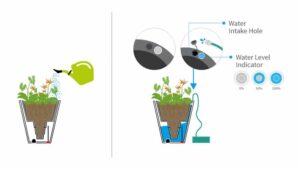
Choosing self-watering tools makes caring for plants easy during vacations. These tools provide steady moisture without daily attention. They help prevent overwatering or drying out. Using simple setups, plants stay healthy and hydrated while you travel.
Plastic Bottle Drip System
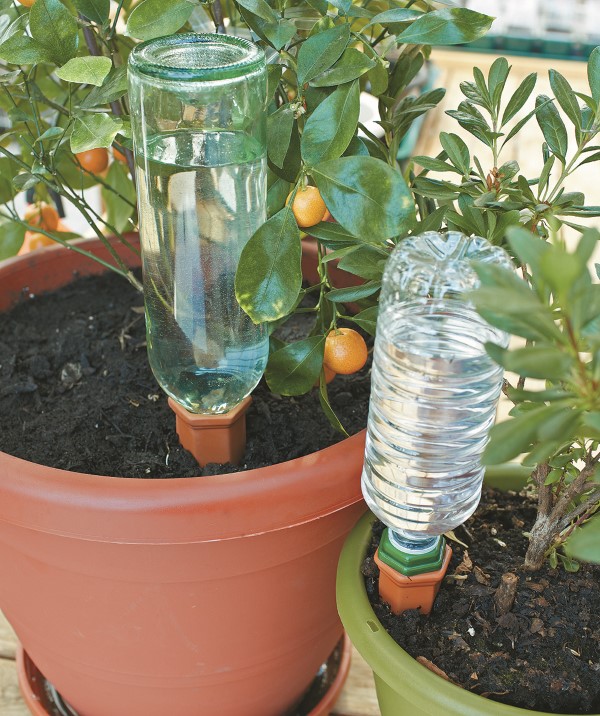
Use a plastic bottle to create a slow drip water system. Fill a clean bottle with water and poke a small hole in the cap. Water the soil well, then insert the bottle upside down near the plant’s roots. Water drips out slowly, keeping soil moist for days.
Blumat Plant Watering Stakes
Blumat stakes connect to a water reservoir and release water as soil dries. Insert the ceramic tip into the soil near the plant roots. The stake senses moisture levels and automatically releases water when needed. This system works well for longer trips and different plant types.
Water Wicking Drip Setup
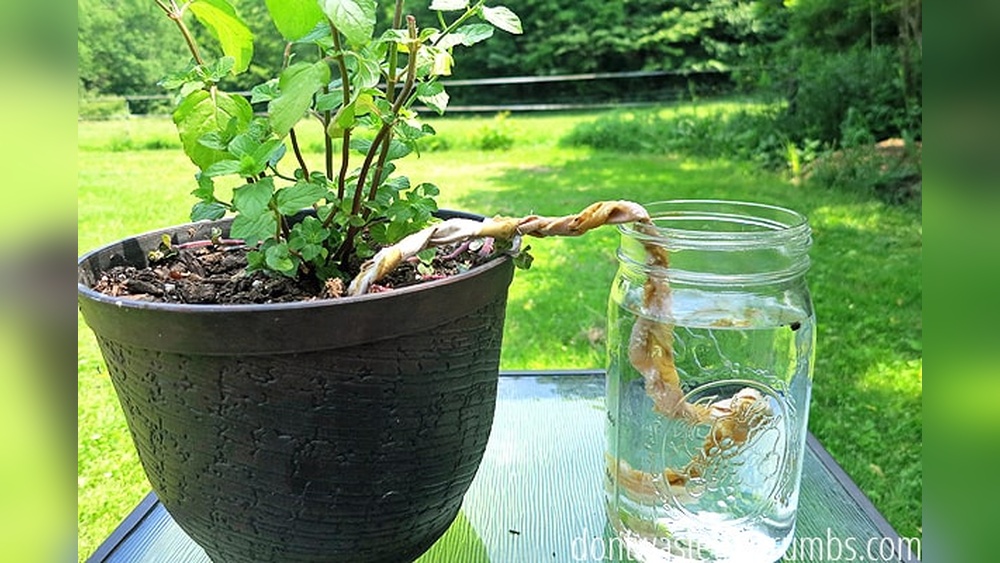
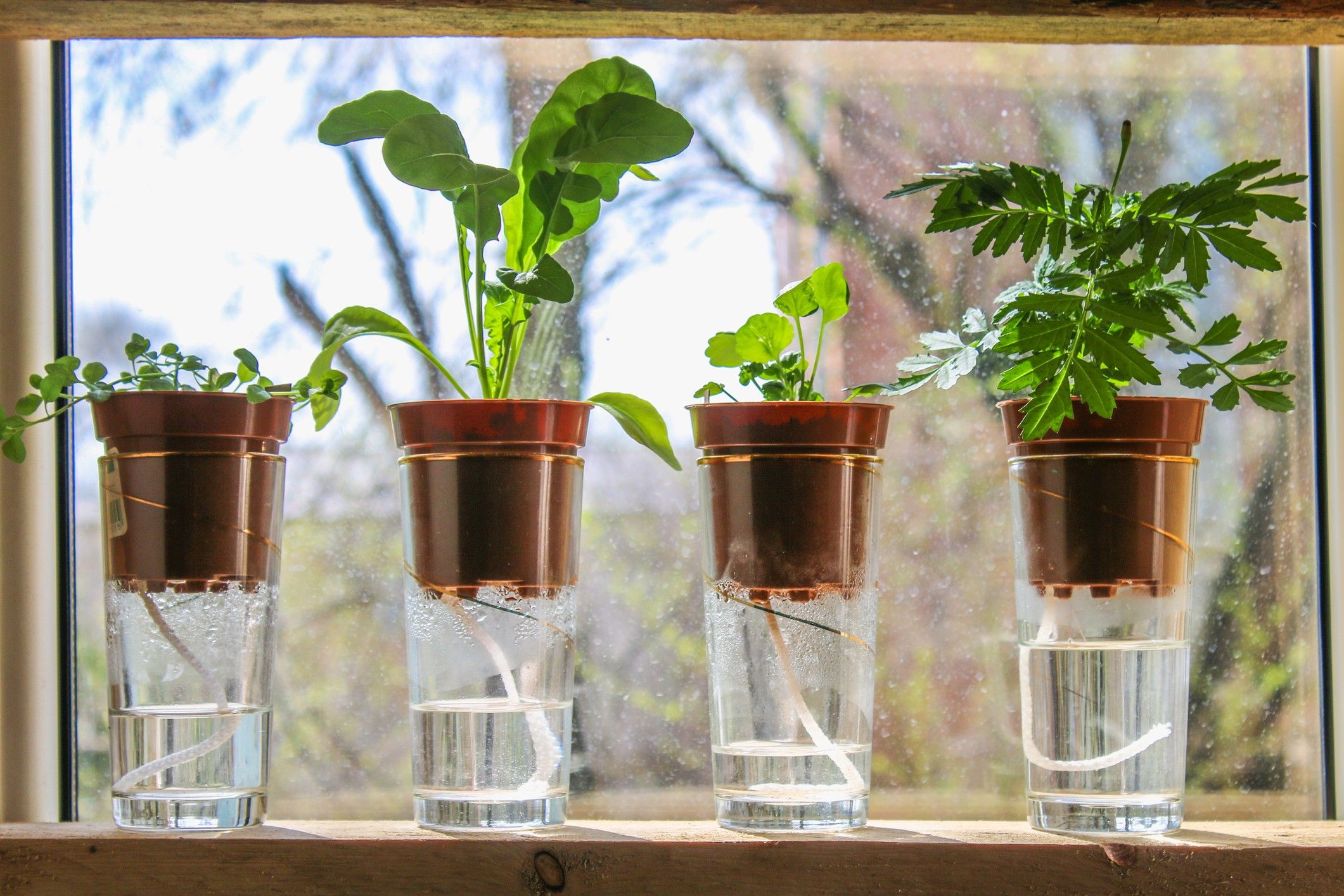
Place a water container above the plants and use cotton wicks to draw water. Lay one end of the wick in the water and the other end in the soil. Water moves slowly along the wick to keep soil damp. This method is inexpensive and easy to set up for multiple plants.
Use Water Reservoirs
Water reservoirs offer a simple way to keep your plants hydrated while you are away. These containers hold water and release it slowly to the soil. This method reduces the risk of overwatering or underwatering. It works well for both indoor and outdoor plants. Using water reservoirs can save you time and worry during your vacation.
Bowls And Buckets As Reservoirs
Bowls and buckets can hold a good amount of water for your plants. Place them near your plants to catch dripping water or to soak cotton wicks. They act as a stable water source that plants can draw from over time. Choose a size that fits the number of plants and the length of your trip.
Elevated Water Containers
Elevate water containers to allow gravity to help water flow. Put the containers on a table or shelf above your plants. This setup helps water move down through wicks or cords into the soil below. It is a gentle way to provide steady moisture without flooding the roots.
Cotton Cord Or Wick Placement
Cotton cords or wicks transfer water from the reservoir to the plant soil. Place one end in the water and the other end deep in the potting soil. The cord slowly pulls water down, keeping the soil moist. Use clean, absorbent cotton for best results. This method works well for several plants at once.
Diy Watering Techniques
DIY watering techniques help keep your plants healthy while you are away. These simple methods use items you already have at home. They deliver water slowly to the soil, keeping moisture steady. This prevents your plants from drying out during vacations. Try these easy ideas to keep your plants happy and hydrated.
Glass Jar And Twine Method
Fill a glass jar with water. Tie one end of a cotton twine and place it inside the jar. Coil the other end of the twine around the plant’s soil. The twine pulls water from the jar to the soil slowly. This keeps the soil moist for days. It works well for small to medium-sized plants.
Upside-down Bottle Insertion
Use a plastic bottle filled with water. Make small holes in the bottle cap. Water your plant’s soil well before inserting the bottle. Turn the bottle upside down and push its neck into the soil. Water will drip out slowly through the holes. This method suits larger pots and outdoor plants.
Newspaper Or Mulch Moisture Retention
Cover the soil surface with wet newspaper or mulch. This layer reduces water evaporation. It keeps the soil damp longer while you are gone. Replace the mulch or newspaper before you leave. This method works best with outdoor plants and garden beds. It also helps protect roots from heat.
Prepare Plants Before Leaving
Preparing your plants before leaving for vacation is essential for their health. Proper preparation helps plants stay hydrated and stress-free. Taking a few simple steps can make a big difference. These steps ensure your plants survive without daily care. Follow these tips to get your plants ready for your trip.
Deep Watering Sessions
Water your plants thoroughly a day before you leave. Deep watering reaches the roots, giving plants enough moisture. Shallow watering only moistens the surface and dries quickly. Check that water drains well to avoid root rot. This helps plants store water for several days. Deep watering reduces the chance of wilting while you are away.
Adding Mulch Or Wood Chips
Cover the soil with mulch or wood chips after watering. Mulch slows down water evaporation from the soil. It also keeps the soil temperature stable. Use organic mulch like bark, straw, or shredded leaves. Spread a 2-3 inch layer around each plant’s base. Mulch keeps roots moist and protects plants from heat. This simple step helps plants retain water longer.
Grouping Plants Together
Place plants close to each other before leaving. Grouping creates a microenvironment that keeps humidity higher. Plants release moisture, which benefits nearby plants. This reduces water loss through evaporation. Keep grouped plants away from direct sunlight. Use trays or shallow containers to catch excess water. Grouping plants helps them stay hydrated with less water loss.
Optimize Plant Placement
Optimizing plant placement helps keep your plants healthy while you are away. Proper positioning reduces water loss and stress. It also extends the time plants can go without watering. Choose the right spot in your home to protect plants from harsh conditions. This simple step makes a big difference for plant care during vacation.
Avoid Direct Sunlight Exposure
Keep plants away from direct sunlight during your absence. Sunlight increases evaporation, drying out soil quickly. Bright, indirect light helps plants stay hydrated longer. South-facing windows may be too harsh. East or north-facing windows often provide gentler light. This reduces water needs and prevents leaves from burning.
Place Near Humidity Sources
Place plants near sources of humidity to keep them moist. Bathrooms and kitchens offer higher humidity levels. This environment slows down water loss through leaves. Grouping plants together also raises humidity around them. Higher humidity reduces the amount of watering needed. It helps plants stay fresh for days.
Use Shaded Or Cooler Rooms
Choose cooler rooms with less direct heat for your plants. Heat causes faster evaporation and dries soil quickly. A shaded room with stable temperatures preserves moisture. Avoid rooms near heaters or vents. Cooler spots help plants use water slowly. This extends the time they remain healthy without watering.
Hire Help Or Swap Plant Care
Leaving your plants unattended during vacation can stress them. Hiring help or swapping plant care ensures they stay healthy. Trusted people can water plants on time and notice problems early. This method gives peace of mind while you relax away from home.
Ask Friends Or Neighbors
Friends or neighbors often help with plant watering. They know your home and can visit regularly. Give clear instructions about how much water each plant needs. Show them the best way to check soil moisture. This simple help keeps plants alive and thriving.
Hire A Plant Care Service
Professional plant care services offer reliable watering and care. They have experience with different types of plants. Services may include watering, pruning, and pest checks. Hiring experts reduces the risk of mistakes. Your plants get expert attention while you are away.
Join Plant Care Exchanges
Plant care exchanges connect you with other plant lovers nearby. You water their plants, and they water yours in return. This saves money and builds a helpful community. It also allows for regular visits to both homes. A smart and friendly way to keep plants healthy.
Monitor And Adjust Systems
Monitoring and adjusting your watering system ensures plants stay healthy during your trip. Systems may not perform as expected without supervision. Checking and tweaking settings helps avoid under- or over-watering. This step is vital for plant survival while you are away.
Test Watering Methods Before Trip
Run your watering system several days before leaving. Observe how much water your plants receive. Watch for dry spots or puddles. Testing helps find problems early. It gives time to fix issues before vacation starts.
Check Soil Moisture Levels
Feel the soil to check moisture depth. Use a moisture meter if available for accuracy. Soil should be moist but not soggy. Monitoring soil ensures plants get enough water without drowning. Adjust watering if soil is too dry or too wet.
Adjust Flow Rates If Needed
Change the water flow speed to match plant needs. Slow flow for small pots and faster for large ones. Make sure water reaches all roots evenly. Proper flow avoids waste and keeps soil balanced. Fine-tuning flow rates protects plants from stress.
Credit: gardentherapy.ca
Credit: www.sproutl.com
Frequently Asked Questions
How Do You Keep Plants Watered While Away For 2 Weeks?
Place water-filled bottles or jars with a wick in the soil to slowly release moisture. Use self-watering stakes or set up a water reservoir with cotton wicks to keep soil damp throughout your two-week absence.
How Do You Make A Self-watering System For Vacation?
Fill a plastic bottle with water and poke a small hole in the cap. Invert and insert it into moist soil. This slowly releases water, keeping plants hydrated during vacation.
Can Plants Go 10 Days Without Water?
Plants can survive 10 days without water depending on species, size, and environment. Succulents and drought-tolerant plants tolerate this better. Most houseplants need watering before a 10-day break. Use self-watering systems or mulch to maintain soil moisture during extended absences.
What Is The 1/2/3/2:1 Watering Method?
The 1/2/3/2:1 watering method means watering plants in a sequence: one part water, two parts rest, three parts water, two parts rest, then one part water. This pattern helps maintain consistent soil moisture and promotes healthy plant growth.
Conclusion
Keeping plants watered during vacation takes simple planning and the right tools. Choose a watering method that fits your plants’ needs and trip length. Test the system before you leave to avoid surprises. Ask a friend to check your plants if possible.
Your green friends will stay healthy and happy until you return. Enjoy your trip without worrying about thirsty plants!