How Often Do Plants Need Watering: Essential Tips for Healthy Growth
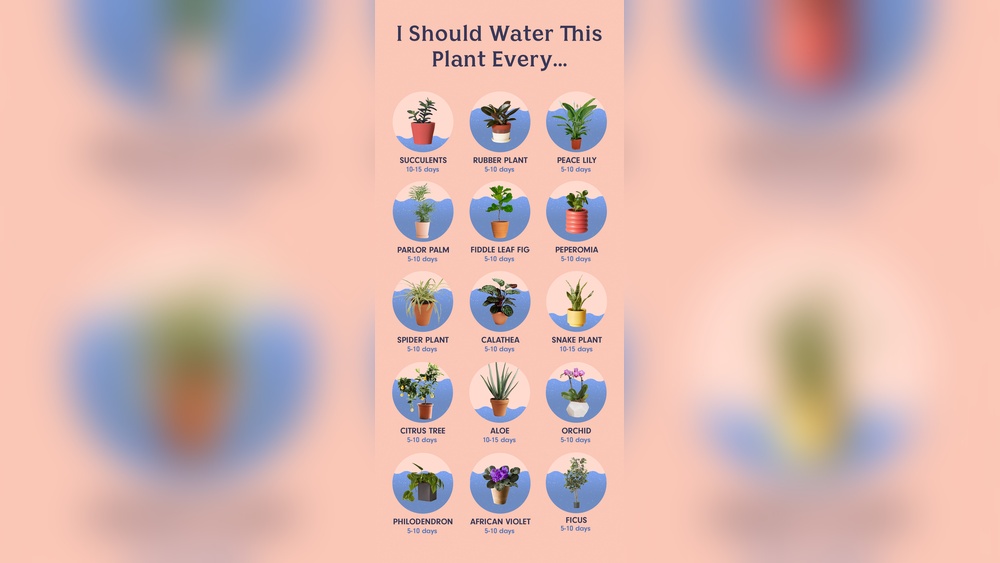
Are you unsure how often your plants really need watering? It’s a common question that can make the difference between thriving greenery and drooping leaves.
Watering too much or too little can harm your plants, but finding the perfect balance doesn’t have to be confusing. You’ll discover simple, easy-to-follow tips to know exactly when and how often to water your plants—whether they’re indoors, in containers, or out in your Austin garden.
Keep reading to learn how to help your plants grow strong and healthy with just the right amount of water.
Water Needs By Plant Type
Plants have different water needs based on their type. Understanding these needs helps keep plants healthy and thriving. Some plants require frequent watering, while others do better with less water. Knowing how often to water each kind saves time and prevents problems like root rot or drought stress.
Houseplants
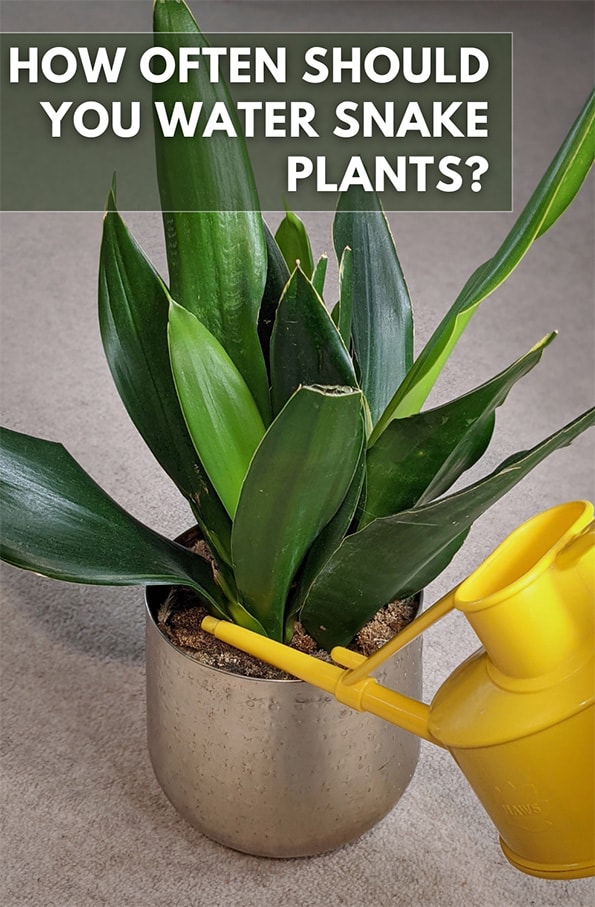
Most houseplants prefer the soil to dry out slightly before watering again. Check the top inch of soil; if it feels dry, water the plant. Watering once a week works well for many common houseplants. Avoid letting water sit in the pot to prevent root rot. Indoor humidity and temperature also affect how often you water.
Outdoor Plants
Outdoor plants usually need more water than indoor ones. Water deeply once or twice a week during dry spells. Rain can reduce the need for watering, so always check the soil first. Mulching around outdoor plants helps retain moisture and reduces watering frequency. Plants in sandy soil may need watering more often.
Succulents And Cacti
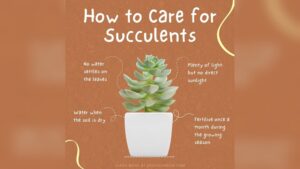
Succulents and cacti store water in their leaves and stems. They need very little water and can suffer if overwatered. Water only when the soil is completely dry, usually every 2-3 weeks. During winter, reduce watering even more. Proper drainage is essential to prevent waterlogging these drought-tolerant plants.
Newly Planted Vegetation
Newly planted vegetation needs frequent watering to establish roots. Water daily or every other day for the first two weeks. Keep the soil moist but not soggy. After roots grow deeper, reduce watering to a normal schedule. This helps young plants survive and grow strong in their new environment.
:max_bytes(150000):strip_icc()/how-often-to-water-snake-plants-hero-7c353647932448349e0a05395be072dd.jpg)
Credit: www.thespruce.com
Soil Moisture Checks
Checking soil moisture is a simple, effective way to know when to water plants. It helps avoid both overwatering and underwatering. This method saves water and keeps plants healthy. You can use basic tools or just your hands to check moisture levels. Understanding soil moisture can improve your plant care routine greatly.
Finger Test Method
Stick your finger about two inches into the soil. If it feels dry, the plant needs water. If it feels moist, wait before watering. This test works well for most houseplants. It is quick and requires no special tools. Repeat the test every few days for best results.
Moisture Meter Use
A moisture meter measures soil wetness more precisely. Insert the probe into the soil and read the gauge. It shows if the soil is dry, moist, or wet. This tool helps especially with larger plants or outdoor gardens. It prevents guesswork and helps water only when needed.
Signs Of Overwatering
Look for yellowing leaves or soft, mushy stems. Soil may feel soggy or emit a bad smell. Plants may drop leaves even when soil is wet. Overwatering can cause root rot and damage plant health. Stop watering and let soil dry if you see these signs.
Signs Of Underwatering
Leaves turn brown or crispy at the edges. Plants look wilted or droopy despite sunlight. Soil feels very dry several inches deep. Growth may slow or stop completely. Water the plant deeply to revive it but avoid flooding the soil.
Watering Frequency Factors
Watering frequency depends on several key factors. These factors affect how much and how often plants need water. Understanding them helps keep plants healthy and thriving. Different conditions require different watering schedules.
Climate And Weather Impact
Climate plays a big role in watering needs. Hot and dry weather causes soil to dry quickly. Plants lose more water through leaves in warm conditions. Rainy or humid weather reduces watering needs. Windy days increase evaporation, making plants thirsty faster. Adjust watering based on daily weather changes.
Container Size Effects
Smaller containers dry out faster than large ones. Small pots hold less soil and moisture. Plants in small containers often need water daily. Larger pots keep soil moist longer. They reduce how often you water. Choose pot size carefully to balance watering needs.
Seasonal Adjustments
Plants need different water amounts in each season. In spring and summer, growth speeds up, raising water demand. Cooler fall and winter slow plant growth, lowering water needs. Adjust watering schedules as seasons change. Watch soil moisture to avoid overwatering or drying out.

Credit: empressofdirt.net
Watering Techniques
Proper watering techniques help your plants stay healthy and strong. Watering is more than just pouring water on soil. Using the right methods improves root growth and prevents problems.
Deep Watering Benefits
Watering deeply encourages roots to grow downwards. This makes plants stronger and able to resist drought. Shallow watering causes roots to stay near the surface. These roots dry out quickly and weaken the plant. Deep watering also helps soil hold moisture longer. It reduces the need for watering every day.
Best Time To Water
Early morning is the best time to water plants. Cool temperatures reduce water loss from evaporation. Plants absorb water better before the heat of the day. Watering in the evening can leave leaves wet overnight. This increases the risk of diseases like mold and fungus.
Avoiding Water On Leaves
Water on leaves can cause damage and diseases. Wet leaves attract pests and fungi. Water the base of the plant instead of the leaves. Use a watering can or drip irrigation for better control. This keeps leaves dry and healthy.
Common Watering Mistakes
Many gardeners struggle with watering their plants correctly. Mistakes during watering can harm plants more than no water at all. Understanding common watering errors helps keep plants healthy and thriving. Avoid these frequent mistakes to improve your plant care routine.
Watering Too Often
Watering plants too often causes root problems. Excess water fills air pockets in the soil. Roots need air to breathe and grow strong. Overwatering can lead to root rot and weak plants. Check soil moisture before adding more water. Let the top inch of soil dry out between watering.
Letting Plants Sit In Water
Plants do not like sitting in standing water. It blocks oxygen from reaching the roots. Pots need good drainage to avoid water buildup. Remove excess water from trays or saucers after watering. Standing water encourages harmful fungi and pests. Use pots with holes and well-draining soil for best results.
Watering During Heat Peaks
Watering plants during the hottest part of the day wastes water. Most of it evaporates before roots can absorb it. Water evaporates quickly from leaves, causing stress. Early morning or late evening is the best time to water. This helps plants absorb moisture and stay cool.
Special Cases
Some plants need special care when it comes to watering. Their needs differ from regular plants. Understanding these special cases helps keep them healthy and thriving. Here are key examples to watch for.
Plants In Small Containers
Small containers hold less soil and water drains quickly. Plants in these pots dry out faster than in larger ones. Check the soil daily. Water them more often but avoid waterlogging. Use pots with drainage holes to prevent root rot.
Watering Newly Planted Seeds
Seeds need consistent moisture to sprout and grow strong. Water gently to keep soil moist but not soaked. Avoid letting the soil dry out completely. Mist the surface if needed to prevent disturbing seeds. Once seedlings appear, adjust watering to support growth.
Adjusting For Hot And Dry Conditions
Heat and dry air increase water loss from soil and leaves. Plants lose moisture faster and need more frequent watering. Water early in the morning to reduce evaporation. Mulch around plants to keep soil moist longer. Watch for wilting and dry soil as signs to water.
Credit: www.ourhouseplants.com
Frequently Asked Questions
Do I Need To Water The Plants Every Day?
No, most plants don’t need daily watering. Water deeply when the top 1-2 inches of soil feels dry. Newly planted or potted plants in hot weather may need more frequent watering. Avoid overwatering to prevent root problems and encourage strong root growth.
What Is The 70/30 Rule In Gardening?
The 70/30 rule in gardening means watering plants so 70% of the soil stays moist, and 30% dries out. This balance prevents overwatering and root rot, promoting healthy root growth and plant health.
How Often Should Indoor Plants Be Watered?
Water indoor plants when the top 1-2 inches of soil feels dry. Water deeply, less often, usually once a week. Adjust frequency for plant type, pot size, and temperature. Avoid daily watering unless plants are new or in small pots during hot weather.
Water in the morning for best results.
What Is The 3-hour Gardening Rule?
The 3-hour gardening rule suggests checking soil moisture every three hours to avoid over or underwatering. Water only when soil feels dry.
Conclusion
Plants need water based on their type and environment. Check soil moisture before watering each time. Water deeply to help roots grow strong and healthy. Avoid watering too often to prevent root problems. Morning watering helps plants absorb water better and stay healthy.
Adjust watering during hot weather or for newly planted species. Paying attention to your plants ensures they thrive and stay green. Simple care makes a big difference in plant health. Keep learning and observing your plants’ needs for best results.