How to Use a Self Watering Planter: Easy Tips for Thriving Plants
Do you struggle with keeping your plants properly watered? A self-watering planter could be just what you need to make plant care easier and more efficient.
These clever planters store water in a reservoir and deliver it directly to your plant’s roots whenever they need it. Imagine never having to worry about overwatering or forgetting to water your plants again. You’ll learn exactly how to use a self-watering planter to keep your greenery thriving with minimal effort.
Ready to make your plant care routine simpler and more successful? Keep reading to discover the easy steps and insider tips that will help you get the most out of your self-watering planter.
How Self-watering Planters Work
Self-watering planters offer a simple way to keep plants hydrated without daily watering. These planters hold water in a special reservoir. The water slowly moves into the soil as the plant needs it. This method helps plants grow well and saves time. Understanding how these planters work can help you use them better and keep plants healthy.
Water Reservoir Function
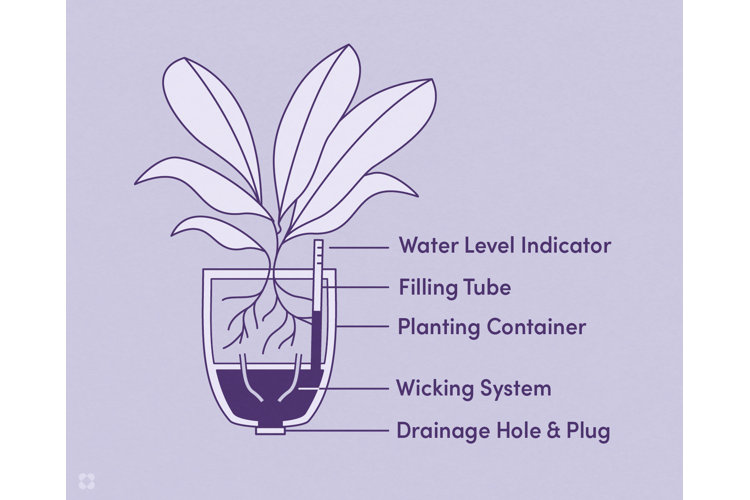
The water reservoir is at the bottom of the planter. It stores extra water for the plant to use later. This storage stops water from evaporating quickly. The reservoir ensures water is always available to the plant roots. It also prevents water from pooling on top, which can harm plants.
Wicking System Role
The wicking system moves water from the reservoir to the soil. Usually, it is a fabric or a tube inside the planter. The wick absorbs water like a sponge. It slowly sends water upward to keep the soil moist. This steady flow helps plants get water evenly over time.
Capillary Action In Soil
Capillary action pulls water into the soil from the reservoir. Tiny spaces in the soil act like small tubes. Water moves through these spaces without needing help. This action spreads moisture where the plant roots can reach it. It works naturally and keeps soil from drying out too fast.
Plant Water Uptake
Plant roots absorb water from the moist soil. They take only what they need to grow and stay healthy. This stops over-watering and root rot. Water moves from the soil into the roots by natural processes. The self-watering planter supports this by keeping soil moisture balanced.
Credit: www.wayfair.com
Key Components Of Planters
Understanding the key components of self-watering planters helps you use them correctly. Each part plays a role in keeping your plants healthy and hydrated. These planters are designed to provide a steady water supply without daily watering. Knowing their structure makes plant care easier and more efficient.
Water Reservoir
The water reservoir holds extra water at the bottom of the planter. It stores enough water for several days or weeks. This reservoir prevents the soil from drying out too fast. It also reduces the risk of overwatering by controlling water flow.
Wicking Material
The wicking material moves water from the reservoir to the soil. It works by capillary action, drawing moisture up slowly. This keeps the soil consistently moist without flooding the roots. Common wicks include fabric strips or special tubes.
Growing Bed
The growing bed is where you plant your seeds or seedlings. It holds the soil and roots above the water reservoir. The soil here stays moist thanks to the wicking material. This setup supports healthy root growth and plant development.
Refill Point
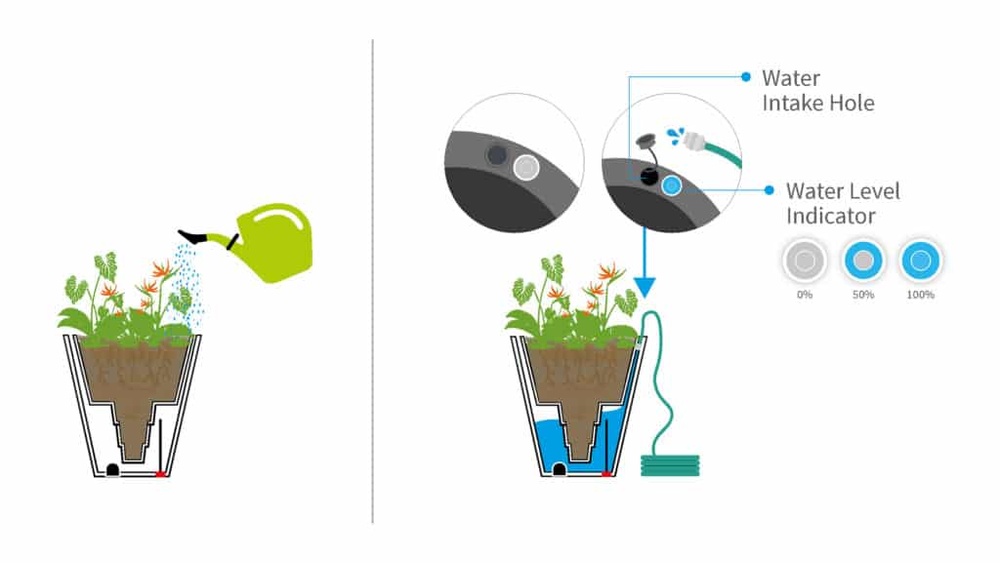
The refill point lets you add water to the reservoir easily. It is usually a small hole or tube at the top or side of the planter. This feature makes watering simple and mess-free. You can check water levels and refill without disturbing the plant.
Setting Up Your Planter
Setting up your self-watering planter correctly is key for healthy plant growth. It ensures your plants get the right amount of water without constant attention. Follow these steps to prepare your planter for success.
Choosing The Right Soil
Select soil that drains well yet retains moisture. A mix with peat moss, perlite, and compost works best. Avoid heavy garden soil as it may hold too much water. Good soil helps roots breathe and absorb water efficiently.
Plant Selection Tips
Pick plants that thrive in moist conditions. Herbs, lettuce, and some flowers do well in self-watering planters. Avoid plants needing dry soil or very deep roots. Check plant labels for water needs before planting.
Filling The Reservoir
Pour clean water into the planter’s reservoir until full. Use room temperature water to avoid shocking roots. Keep an eye on the water level and refill when low. The reservoir feeds water to plants gradually through the soil.
Initial Planting Steps
Place a layer of soil above the water reservoir. Insert your plant gently, spreading roots without damage. Fill around the roots with more soil and press lightly. Water the soil surface once after planting to settle it.
Watering Tips For Thriving Plants
Proper watering is key for plants to grow healthy in a self-watering planter. These planters supply water from a reservoir, making care easier. Still, monitoring and adjusting water is important. Follow these tips to keep your plants thriving and avoid common watering mistakes.
Monitoring Water Levels
Check the water reservoir regularly. Most self-watering planters have a clear gauge or indicator. Keep water above the minimum line to prevent dry roots. If the water runs low, refill promptly. Watching water levels helps plants get consistent moisture.
Adjusting For Plant Needs
Different plants need different water amounts. Succulents require less water than tropical plants. Observe your plant’s leaves for signs of thirst or excess water. Adjust how much water you add based on the plant type and climate. This keeps plants happy and healthy.
Refilling Frequency
Refill the reservoir as needed, usually every one to two weeks. Hot weather or larger plants may need more frequent refills. Avoid letting the reservoir dry out completely. Regular refilling ensures your plants never suffer from drought stress.
Avoiding Overwatering
Self-watering planters reduce overwatering risk but it can still happen. Do not fill the reservoir above the maximum mark. Make sure the planter drains well to avoid soggy soil. Overwatering can cause root rot and harm your plants. Balance is essential for growth.
Benefits Of Self-watering Planters
Self-watering planters offer many advantages for both new and experienced gardeners. These planters provide a steady water supply, making plant care simpler and more efficient. They help maintain healthy plants and save time and water. Understanding the key benefits can help you decide if a self-watering planter fits your gardening needs.
Consistent Moisture Supply
Self-watering planters keep soil evenly moist. The water reservoir slowly releases moisture to plant roots. This steady supply prevents soil from drying out too fast. Plants receive water as needed, reducing stress from drought or excess watering. Consistent moisture helps plants grow strong and healthy.
Reduced Water Waste
These planters use water efficiently. Water stays in the reservoir until plants absorb it. This reduces evaporation and runoff, saving water. You fill the reservoir less often than watering soil directly. Self-watering planters support eco-friendly gardening with less water waste.
Lower Maintenance Effort
Self-watering planters require less frequent watering. The reservoir holds enough water for days or weeks. This lowers the time spent on daily watering chores. They are great for busy gardeners or those who travel. Less maintenance means more enjoyment and less worry about plants.
Healthier Root Growth
Roots grow deeper and stronger with steady moisture. The planter encourages roots to reach down to the water reservoir. This reduces root rot and fungal diseases caused by overwatering. Healthy roots absorb nutrients better, supporting overall plant growth. Self-watering planters promote a healthier root system naturally.

Credit: urbanscapeplanters.com
Common Mistakes To Avoid
Using a self watering planter can simplify plant care. Still, many gardeners make common mistakes. These errors reduce planter efficiency and plant health. Avoiding these pitfalls helps plants thrive and saves time.
Ignoring Reservoir Levels
Check the water reservoir often. Low water means plants cannot absorb enough moisture. Too little water causes stress and wilting. Overfilling the reservoir may lead to root rot. Keep the reservoir filled but not flooded.
Using Wrong Soil Types
Choose soil that drains well and holds moisture. Heavy or compacted soil blocks water flow from the reservoir. Avoid garden soil or clay-heavy mixes. Use a light, airy potting mix designed for self watering planters.
Overcrowding Plants
Give each plant enough space to grow. Crowded plants compete for water and nutrients. Roots may tangle and block water movement. Plant fewer, healthier plants for better growth in each planter.
Neglecting Planter Cleanliness
Clean your planter regularly to prevent mold and algae. Dirty reservoirs clog water flow and harm roots. Remove old soil and rinse the reservoir every few months. Clean planters help plants stay healthy and strong.
Troubleshooting Issues
Troubles with self watering planters can arise even with proper use. Simple problems may stop your plants from growing well. Fixing these issues quickly helps keep plants healthy and thriving. Here are common problems and how to solve them.
Dealing With Root Rot
Root rot happens when soil stays too wet for too long. This makes roots soft and brown. Remove the plant from the planter carefully. Cut away any soft or dark roots with clean scissors. Let the plant dry out before placing it back. Avoid filling the water reservoir too much. Check if the soil drains well to prevent excess moisture.
Fixing Clogged Wicks
Wicks can get blocked by dirt or salt build-up. This stops water from reaching the soil. Remove the wick and soak it in warm water. Gently scrub it with a soft brush to clear any dirt. Rinse well and let it dry before putting it back. Replace the wick if it is damaged or worn out.
Addressing Poor Drainage
Poor drainage causes water to sit and harm roots. Check if the planter has enough holes for water to escape. Add extra holes carefully if needed. Use a layer of small stones or gravel at the bottom. This helps water flow better. Avoid compacting the soil too much when planting.
Handling Pest Problems
Pests can damage plants and reduce growth. Look for small insects or sticky residue on leaves. Remove pests by rinsing leaves with water or wiping gently. Use natural insect sprays made from neem oil or soap solutions. Keep the planter clean and remove dead leaves to stop pests from spreading.
Enhancing Planter Performance
Enhancing the performance of your self watering planter ensures healthier plants and less maintenance. Small adjustments can make a big difference in water use and plant growth. Focus on simple steps that improve soil health and plant comfort.
These tips help your planter work better and keep your plants thriving for longer periods.
Adding Fertilizers
Fertilizers provide essential nutrients that water alone cannot supply. Use slow-release fertilizers to feed plants steadily. Mix fertilizer into the soil or add liquid fertilizer to the water reservoir. Avoid over-fertilizing, which can harm roots and slow growth.
Using Mulch
Mulch helps keep soil moist by reducing evaporation. Apply a thin layer of organic mulch like bark or straw on the soil surface. Mulch also prevents weed growth and keeps soil temperature stable. Replace mulch when it breaks down or gets too thin.
Positioning For Sunlight
Place the planter where plants get the right amount of sunlight. Most plants need at least six hours of sunlight daily. Rotate the planter occasionally to ensure even light exposure. Avoid spots with harsh afternoon sun for sensitive plants.
Seasonal Adjustments
Adjust watering and care based on the season. In hot months, refill the reservoir more often. In cooler months, plants need less water, so reduce reservoir filling. Move planters indoors or to sheltered areas during frost or heavy rain.

Credit: www.wikihow.com
Frequently Asked Questions
How Does A Self-watering Planter Work?
A self-watering planter stores water in a bottom reservoir. A wick or soil draws water up to the roots as needed, ensuring consistent moisture. This prevents over- or under-watering and simplifies plant care by supplying water automatically.
Do You Plant Directly Into Self-watering Pots?
Yes, you can plant directly into self-watering pots. Fill soil above the reservoir and plant as usual. Ensure the wick or soil contacts the water reservoir for proper moisture absorption.
Do You Put Rocks In The Bottom Of A Self-watering Planter?
Do not put rocks at the bottom of a self-watering planter. The reservoir stores water, and soil or a wick draws moisture up efficiently. Rocks can block water flow and reduce the system’s effectiveness. Keep the bottom clear to ensure proper water absorption by plant roots.
How Much Water Do I Put In A Self-watering Planter?
Fill the reservoir of your self-watering planter up to the indicated max fill line. Avoid overfilling to prevent waterlogging.
Conclusion
Using a self-watering planter makes plant care easier and more efficient. It helps plants get just the right amount of water. This reduces the risk of overwatering or underwatering. Regularly check the water level in the reservoir. Refill it as needed to keep plants healthy.
With simple steps, anyone can enjoy thriving plants at home. Self-watering planters save time and give your plants steady moisture. Try using one to see how much it helps your gardening routine.