How Often Should Pepper Plants Be Watered
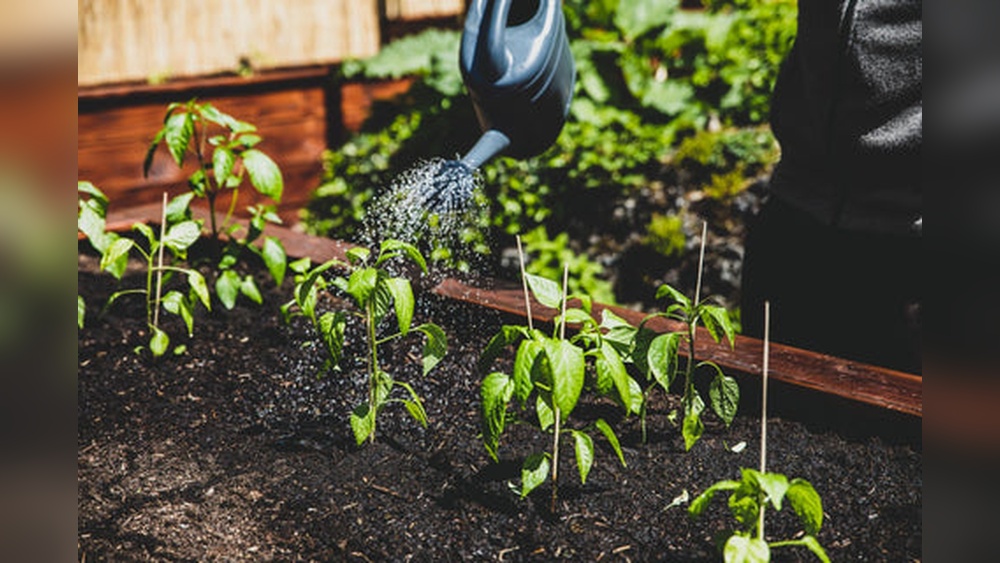
Are you wondering how often you should water your pepper plants to keep them healthy and thriving? Getting the watering right can make all the difference between a bountiful harvest and struggling plants.
Too little water, and your peppers may wilt and stop growing. Too much, and you risk root rot or other issues that stunt their growth. You’ll discover simple, practical tips tailored to your climate and growing conditions, helping you find the perfect watering routine.
Keep reading to unlock the secrets to strong, vibrant pepper plants that will reward you with delicious fruits all season long!
Water Needs By Growth Stage
Pepper plants need different amounts of water during their growth stages. Knowing how to adjust watering helps plants stay healthy. Too much or too little water can harm growth. Understanding each stage’s water needs improves yield and plant strength.
Watering changes from seedling to fruiting stages. Seedlings need gentle moisture. Mature plants require deeper watering. Fruiting peppers demand consistent hydration for good fruit development.
Seedling Watering Tips
Seedlings need moist soil but not soggy. Water lightly every day or every other day. Use a spray bottle to avoid washing away seeds. Keep soil evenly damp to help roots grow strong. Avoid letting soil dry out completely.
Mature Plant Hydration
Mature pepper plants need deep watering once or twice a week. Water the soil, not leaves, to reduce disease risk. Check soil moisture by feeling 1 inch deep. Water more often in hot or dry weather. Mulch helps keep soil moist longer.
Watering Fruiting Peppers
Fruiting peppers need steady water to support fruit growth. Water when the top inch of soil feels dry. Avoid overwatering to prevent root rot. Consistent moisture improves fruit size and taste. Use drip irrigation for even watering and less waste.

Credit: pepperjoe.com
Frequency Guidelines
Understanding how often to water pepper plants is key to healthy growth and good yields. The frequency depends on the plant’s stage, weather, and soil type. Proper watering prevents stress and supports strong fruit development. Follow these simple frequency guidelines for best results.
Weekly Watering Schedule
Water pepper plants about once a week under normal conditions. Provide enough water to moisten the soil deeply. Avoid shallow watering, which encourages weak roots. Check the top inch of soil; if dry, it’s time to water. Consistency helps peppers grow steadily and reduces fruit drop.
Adjusting For Hot Weather
Increase watering during hot, dry weather to every two or three days. High temperatures cause faster soil drying and plant stress. Use mulch to keep soil moist longer. Avoid watering only the surface; water deeply to reach roots. Watch leaves for wilting as a sign of thirst.
Watering In Raised Beds
Raised beds drain faster and may need more frequent watering. Check soil moisture every few days. Water deeply to reach the entire root zone. Adding organic matter improves water retention. Adjust watering schedules based on bed depth and soil type to avoid drying out.
Watering Techniques
Watering techniques affect the health and growth of pepper plants significantly. Using the right method ensures water reaches the roots efficiently. This prevents common issues like root rot or dry soil. Understanding different watering styles helps you care for your plants better.
Choosing the proper watering technique depends on your plant’s stage and location. Some methods suit seedlings, while others work well for mature plants. Let’s explore key watering techniques to keep your pepper plants thriving.
Deep Vs. Shallow Watering
Deep watering means soaking the soil deeply to reach roots. It encourages strong root growth and helps plants resist drought. Shallow watering wets only the top soil, which can cause weak roots. Pepper plants benefit more from deep watering once established. Water less often but more deeply for best results.
Bottom Watering Benefits
Bottom watering feeds plants from below the soil surface. It reduces leaf wetness, lowering disease risk. This method lets roots absorb water as needed. It works great for peppers in pots or containers. Use a tray filled with water and let plants soak it up slowly.
Watering Pepper Plants In Pots
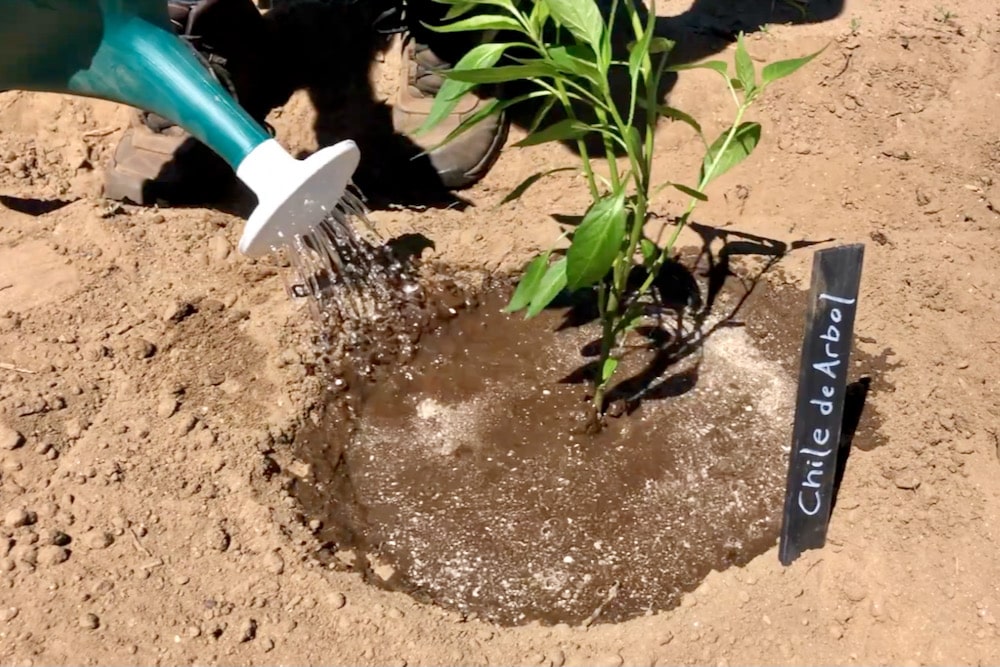
Potted peppers dry out faster than garden plants. Check soil moisture daily during hot weather. Water thoroughly until water drains from the pot’s bottom holes. Avoid letting pots sit in standing water to prevent root rot. Use well-draining soil to keep moisture balanced.
Credit: peppergeek.com
Soil And Drainage
Proper soil and drainage play a key role in watering pepper plants effectively. Peppers need soil that holds moisture but drains well. Poor drainage can cause root problems and reduce plant health. Understanding soil moisture and improving drainage helps keep pepper plants healthy and productive.
Ideal Soil Moisture Levels
Pepper plants prefer soil that is evenly moist. The soil should feel damp but not wet to the touch. Dry soil stresses the plants and slows growth. Overly wet soil can suffocate roots and lead to diseases. Checking soil moisture regularly helps maintain the right balance. Using a finger test or moisture meter works well for this.
Avoiding Overwatering
Too much water harms pepper plants more than too little. Constant soggy soil causes root rot and yellow leaves. Water only when the top inch of soil feels dry. Avoid watering on a strict schedule without checking soil moisture. Proper watering encourages deep root growth and stronger plants. Good drainage reduces the risk of water buildup around roots.
Improving Drainage For Peppers
Well-drained soil prevents water from pooling around pepper roots. Adding organic matter like compost improves soil structure and drainage. Raised beds and containers should have drainage holes to allow excess water to escape. Using sandy or loamy soil mixes helps water flow freely. Avoid heavy clay soils that hold too much water. Mulching also helps by keeping soil moisture steady without waterlogging.
Signs Of Water Stress
Pepper plants show clear signs when they suffer from water stress. Recognizing these signs early helps keep plants healthy. Both underwatering and overwatering cause problems. Identifying the symptoms allows you to adjust watering properly. Healthy pepper plants grow better and produce more fruit.
Symptoms Of Underwatering
Leaves curl and wilt when plants lack water. The edges of leaves may turn brown and dry. Growth slows down and new leaves may be smaller. Soil feels dry and pulls away from the pot edges. Plants look droopy, even during the cooler parts of the day.
Identifying Overwatered Plants
Leaves turn yellow and become soft or mushy. The stem may look swollen or feel weak. Soil stays wet for days after watering. Roots may start to rot and smell bad. Plants may drop flowers or fruit early due to stress.
When To Adjust Watering
Adjust watering if you see dry soil and drooping leaves. Water more often during hot, dry weather or if plants are in pots. Reduce watering if soil stays soggy or leaves yellow. Check soil moisture before watering. Use your finger to feel about two inches deep.
Climate And Environment Factors
Climate and environment play a big role in how often pepper plants need water. Different weather and surroundings change soil moisture and plant needs. Understanding these factors helps keep your pepper plants healthy and productive. Pay attention to temperature, humidity, and seasonal shifts for better watering habits.
Watering In Austin, Texas Heat
Austin’s heat is intense, especially in summer. High temperatures make soil dry out quickly. Pepper plants often need watering every two to three days. Check soil moisture regularly to avoid drying or overwatering. Using mulch can help keep soil cool and moist longer.
Effects Of Humidity On Water Needs
Humidity affects how much water pepper plants use. In high humidity, plants lose less water through leaves. They may need less frequent watering. In dry air, water evaporates fast, so watering should be more frequent. Adjust watering by observing leaf health and soil dryness.
Seasonal Watering Adjustments
Water needs change with the seasons. During spring and fall, cooler weather means slower evaporation. Water less often but deeply for strong roots. In hot summer months, increase watering frequency to keep plants hydrated. Winter usually requires very little watering if plants are dormant.
Measuring Water Amounts
Measuring the right amount of water for pepper plants is essential for healthy growth. Too little water can stress the plant, while too much can cause root problems. Knowing how much to water helps keep plants vibrant and productive.
How Much Water Per Week
Pepper plants usually need about one to two inches of water each week. This amount varies depending on weather and soil type. In hot weather, plants may need more water. In cooler or rainy periods, less water is required. Consistent watering supports steady growth and fruit development.
Using Cups And Inches For Measurement
Measuring water by cups or inches helps maintain the right balance. One inch of water equals about 0.62 gallons per square foot. Using a cup, water the soil slowly until it soaks evenly. Avoid pouring large amounts at once to prevent runoff. This method ensures water reaches the roots effectively.
Monitoring Soil Moisture
Checking soil moisture is a simple way to decide when to water. Insert your finger into the soil about an inch deep. If it feels dry, it is time to water. If it is still moist, wait a day or two. Keeping soil moisture steady prevents overwatering and helps peppers thrive.

Credit: www.sandiaseed.com
Frequently Asked Questions
Can You Overwater A Pepper Plant?
Yes, you can overwater a pepper plant. Excess water causes root rot, yellow leaves, and poor growth. Water only when soil feels dry.
How Often Should I Water Pepper Plants In 100 Degree Weather?
Water pepper plants every 1-2 days in 100-degree weather. Keep soil moist but not soggy to prevent stress and fruit drop.
How Often Should I Water A Jalapeno Plant?
Water jalapeno plants deeply once or twice a week. Adjust frequency based on soil moisture and weather conditions. Avoid overwatering.
How Often Should You Water Pepper Plants In Raised Beds?
Water pepper plants in raised beds deeply once or twice a week. Adjust frequency for hot, dry weather. Keep soil moist but not soggy. Monitor soil moisture and avoid overwatering to prevent root rot.
Conclusion
Proper watering keeps pepper plants healthy and productive. Check soil moisture often to avoid overwatering or drought. Water deeply but less frequently to encourage strong roots. Adjust watering based on weather and plant size. Remember, pepper plants prefer slightly dry soil over soggy conditions.
Consistent care helps peppers grow flavorful and vibrant. Simple attention to watering routines makes a big difference. Keep your peppers thriving with smart watering habits.