How to Set Up Self Watering Planter: Easy Steps for Thriving Plants
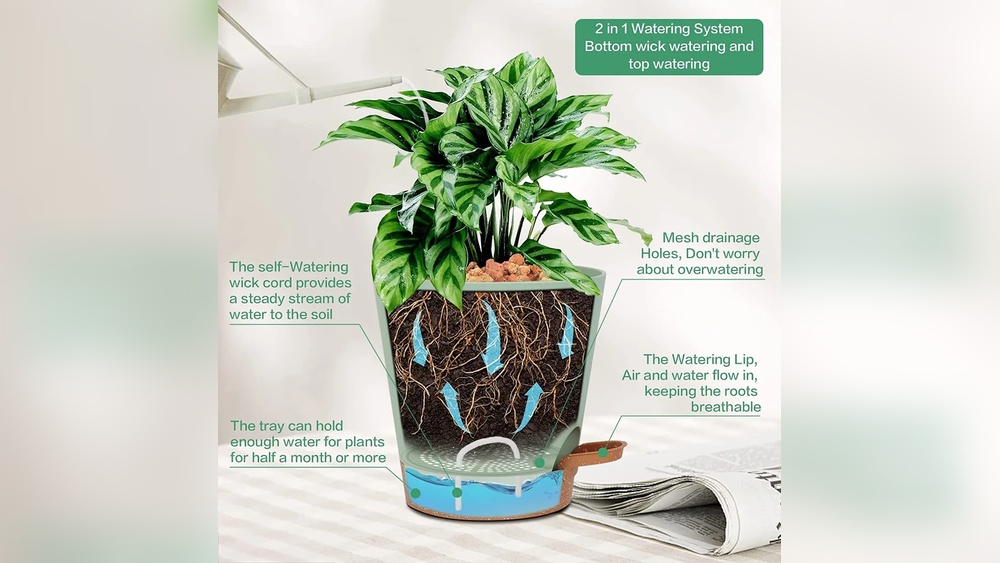
Imagine never worrying about forgetting to water your plants again. A self-watering planter makes this possible by keeping your plants hydrated with minimal effort from you.
If you want to enjoy healthy, thriving plants without the daily hassle, learning how to set up a self-watering planter is the perfect place to start. In this guide, you’ll discover simple, step-by-step instructions that anyone can follow—even if you’re new to gardening.
Ready to make your plant care easier and more efficient? Let’s dive in and get your self-watering planter set up today!

Credit: www.wikihow.com
Benefits Of Self-watering Planters
Self-watering planters offer many advantages for both beginners and experienced gardeners. They help plants get the right amount of water without daily watering. This system saves time and reduces the chance of overwatering or underwatering. These planters make plant care simpler and more efficient.
Using self-watering planters can improve plant health and growth. They keep soil moist for longer periods, helping roots stay strong. This steady water supply reduces plant stress during dry days. Also, it encourages plants to develop deeper roots, making them more resilient.
Improved Water Efficiency
Self-watering planters use water more efficiently than traditional pots. They store water in a reservoir below the soil. This water moves up slowly to the roots through capillary action. It reduces water waste and evaporation. This method means less frequent watering is needed.
Reduced Maintenance
These planters require less frequent watering than regular pots. The reservoir can hold enough water for days or weeks. This is perfect for busy people or those who travel. Plants get a steady water supply without daily care. It also lowers the risk of forgetting to water.
Healthier Root Systems
Self-watering planters keep soil moisture consistent. This prevents roots from drying out or staying soggy. Roots grow deeper and stronger with steady moisture. Healthy roots mean healthier plants that resist diseases better. This system supports overall plant vitality.
Prevention Of Overwatering
Overwatering is a common problem for many gardeners. Self-watering planters help avoid this by controlling water flow. Water moves only when the plant needs it. This reduces root rot and other water-related issues. It creates a better environment for plant growth.
Credit: www.wayfair.com
Choosing The Right Planter
Choosing the right planter is key to setting up a successful self-watering system. The planter must suit your plant’s needs and your care routine. Picking the right type helps the plant stay healthy and saves time on watering. Focus on three main points: material, size, and reservoir type. Each affects how well the planter works.
Material Options
Planters come in many materials like plastic, ceramic, and metal. Plastic is light and holds water well. Ceramic looks nice and keeps soil cool. Metal is strong but may heat up too much in sun. Choose material based on your plant’s needs and the planter’s location.
Size Considerations
Choose a planter size that fits your plant’s roots. Too small a pot limits growth. Too big holds too much water and may cause root rot. The planter should have enough room for soil and water reservoir. Consider the plant’s size and growth rate when picking the pot.
Reservoir Types
Reservoirs store water for the planter to use slowly. Some pots have built-in reservoirs at the bottom. Others use separate water containers with wicks drawing water up. Check if the reservoir is easy to refill and clean. A good reservoir keeps soil moist without flooding the roots.
Gathering Supplies
Gathering the right supplies ensures your self-watering planter works well. Prepare all materials before starting the setup. This saves time and avoids mistakes. Focus on soil quality, plant choices, and useful tools.
Soil And Growing Medium
Use soil that holds moisture but drains well. A mix of potting soil and coconut coir works great. Avoid heavy garden soil that stays soggy. Add perlite or vermiculite to improve air flow. Good soil helps roots grow strong and absorb water evenly.
Plants Suitable For Self-watering
Choose plants that like consistent moisture. Herbs like basil, mint, and parsley thrive in self-watering planters. Vegetables such as lettuce and spinach do well too. Avoid plants that prefer dry soil, like succulents or cacti. Check plant needs before buying for best results.
Additional Tools
Gather basic tools for easy setup. A small trowel helps with planting and soil filling. Scissors or pruning shears keep plants tidy. A watering can or jug fills the reservoir safely. Optional items include a moisture meter to track soil dampness.
Assembling The Planter
Assembling your self-watering planter is the first step to easy plant care. This process ensures your plants get water consistently without daily watering. Follow simple steps to set it up correctly for the best results.
Setting Up The Reservoir
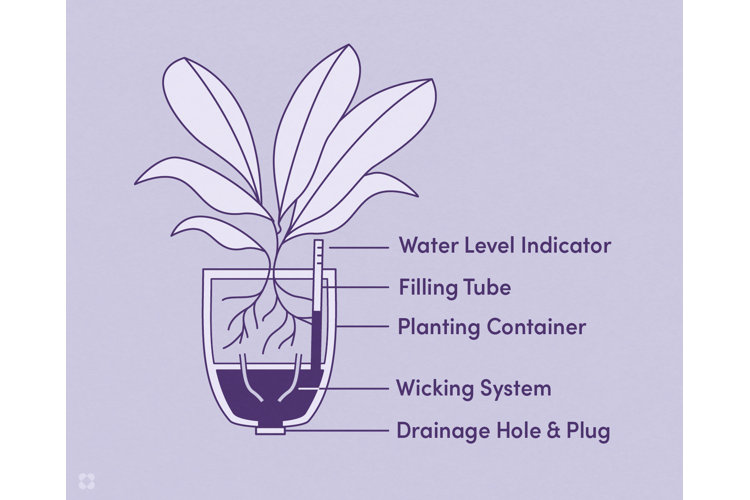
Begin by placing the water reservoir in the bottom of your planter. This part holds the water your plant will absorb slowly. Make sure the reservoir fits snugly and has a way to refill easily. Some planters have a fill tube or opening for adding water without disturbing the plant.
Adding Moist Soil Layer
Next, add a layer of moist soil above the reservoir. This soil acts as a barrier and helps wick water upwards. Use soil that retains moisture but drains well to avoid root rot. Press the soil lightly to remove air pockets but keep it loose enough for roots to grow.
Installing The Plant
Now, place your plant into the soil. Make a hole large enough for the roots to spread comfortably. Gently remove the plant from its original pot, loosen the roots if needed, and set it into the hole. Cover the roots with soil and press gently to secure the plant in place.
Filling And Maintaining Water
Filling and maintaining water in a self-watering planter is simple but important. Proper water levels keep your plants healthy and reduce watering frequency. This section explains how to fill the planter and keep the water at the right level for best results.
Using The Fill Tube
Most self-watering planters have a fill tube. This tube leads directly to the water reservoir below the soil. Pour water slowly into the fill tube to avoid overflow. Stop filling once water reaches the top of the reservoir. Some planters have a float indicator to show when the reservoir is full. Use this feature to avoid overfilling.
Monitoring Water Levels
Check water levels regularly, especially during hot weather. Low water can stress plants and reduce growth. Use the water level indicator, if your planter has one. If not, gently lift the planter or touch the soil surface to judge moisture. Keeping consistent water levels helps plants thrive and prevents root rot.
Refilling Tips
Refill water when the reservoir is low. Early morning is the best time to refill to reduce evaporation. Use clean, room temperature water for best absorption. Avoid using water with chemicals like chlorine. If possible, use rainwater or filtered water to protect your plants. Regular refilling keeps your plants happy and healthy.
Plant Care Tips
Proper care helps your plants thrive in a self-watering planter. Understanding watering habits, plant types, and root health is essential. These tips ensure your plants stay healthy and strong.
Avoiding Overwatering
Self-watering planters provide constant moisture. Check the water reservoir regularly to avoid excess water. Overwatering can cause root rot and damage plant health. Use a moisture meter to monitor soil dampness. Let the soil dry slightly before adding more water.
Suitable Plants To Avoid
Not all plants suit self-watering planters. Avoid plants that prefer dry soil, like cacti and succulents. These plants need less water and may suffer root rot. Choose plants that enjoy consistent moisture, such as herbs, vegetables, and tropical plants. Match plant needs to the planter’s watering style.
Handling Root Health
Healthy roots absorb water and nutrients better. Use well-draining soil to prevent waterlogging. Check roots if plants show signs of stress or yellow leaves. Trim any rotten or dead roots carefully. Proper root care supports overall plant growth and longevity.
Troubleshooting Common Issues
Troubleshooting common issues in self watering planters helps keep plants healthy. This section covers key problems and fixes. Small problems can cause big damage if ignored. Watch for early signs to save your plants.
Root Rot Prevention
Root rot happens when roots stay too wet. Avoid filling the water reservoir too high. Use well-draining soil to stop water from pooling. Check roots regularly for softness or bad smell. Remove affected roots and repot if rot appears. Proper watering keeps roots healthy and strong.
Drainage And Airflow Solutions
Good drainage stops water from staying stagnant. Make sure your planter has drainage holes. Use a layer of small stones or pebbles at the bottom. This helps water flow and prevents clogging. Airflow around roots is vital too. Avoid tightly packed soil and allow space for air. This reduces the risk of root diseases.
Dealing With Mold And Algae
Mold and algae grow in moist, dark places. Keep the water reservoir clean and change water regularly. Use a soft brush to remove algae from surfaces. Place your planter where it gets indirect sunlight. This helps prevent mold growth. Avoid overwatering, which encourages mold. Clean your planter often to keep plants safe.
Credit: kyari.co
Diy Self-watering Planter Ideas
Creating your own self-watering planter saves money and ensures your plants get water regularly. These DIY ideas use simple materials found around the house. They help keep soil moist and reduce watering frequency.
Using Household Containers
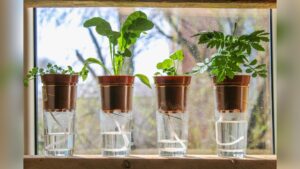
Old containers like jars, buckets, or plastic bottles work well. Cut a container in half and use the bottom part as a water reservoir. Place the top part upside down inside it. Fill the top with soil and plant your seeds.
This method traps water below and lets the soil soak it slowly. It is easy to assemble and perfect for small plants or herbs. Clear containers help you see water levels quickly.
Incorporating Rope Wicks
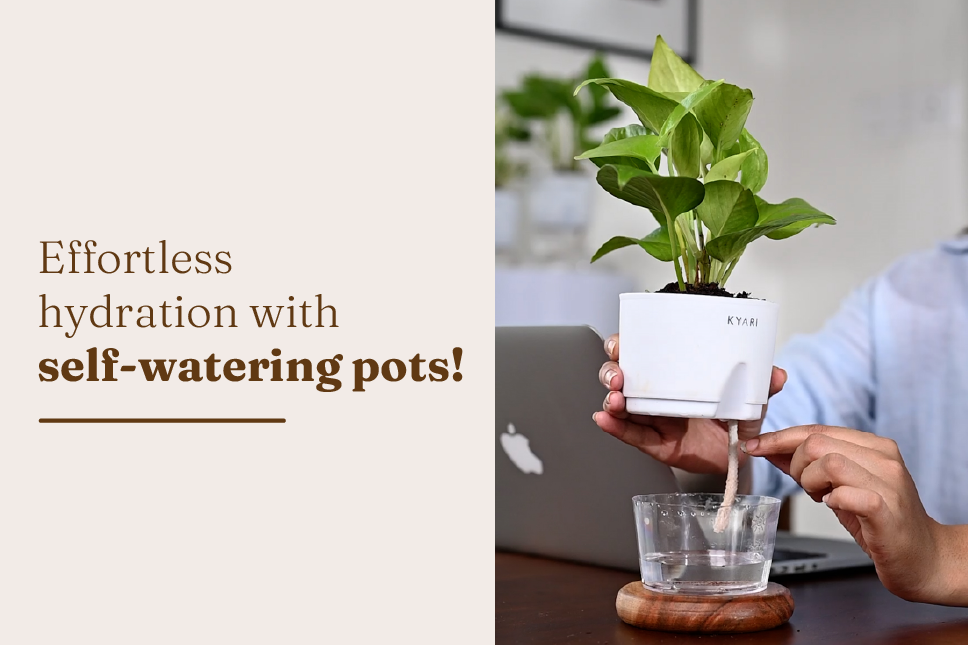
Rope wicks draw water up from the reservoir to the soil. Use cotton or nylon ropes for this. Make a small hole in the planter’s bottom. Thread one end of the rope through the hole and place it in water below.
The other end stays buried in the soil. Water moves up the rope by capillary action. This keeps soil moist without overwatering. Replace the wick if it gets dirty or breaks.
Adding Porous Rocks
Porous rocks like lava stones or pumice hold water well. Place a layer of these rocks at the planter’s bottom. They create a small water reservoir that releases moisture slowly.
This setup improves drainage and prevents soil from sitting in water. The rocks also help air reach the roots. Use clean rocks to avoid mold or pests.
Frequently Asked Questions
Do You Put Rocks In The Bottom Of A Self-watering Planter?
Do not put regular rocks in the bottom of a self-watering planter. Use volcanic rock or porous pebbles to help water retention and aeration.
How Much Water Do I Put In A Self-watering Planter?
Fill the reservoir of your self-watering planter with water up to the indicated fill line or about two-thirds full. Avoid overfilling to prevent waterlogging. Check the water level regularly and refill when the reservoir is low to keep plants consistently hydrated.
What Plants Do Not Do Well In Self-watering Pots?
Succulents, cacti, snake plants, and ZZ plants do not thrive in self-watering pots. They prefer dry soil and risk root rot from constant moisture.
What Is The Disadvantage Of Self-watering Pots?
Self-watering pots risk poor drainage and airflow. Roots may grow into stagnant water, causing root rot and harming plants.
Conclusion
Setting up a self-watering planter saves time and helps plants grow well. It keeps soil moist without daily watering. Choose the right container and materials carefully. Fill the reservoir and plant your seeds or seedlings. Monitor water levels and refill when needed.
This simple system suits busy gardeners and beginners. Enjoy healthy plants with less effort and stress. Try it today for easier plant care at home or in your garden.