How Does a Self Watering Planter Work
Ever found yourself unsure about how much water your plants really need? What if there was a way to take the guesswork out of watering and keep your plants happy and healthy with less effort?
That’s exactly what a self-watering planter promises. But how does this clever tool actually work to deliver just the right amount of moisture to your plants? You’ll discover the simple yet smart mechanism behind self-watering planters, how they can improve your plant care routine, and what you should watch out for to get the best results.
Keep reading to unlock the secret to stress-free watering and thriving greenery in your home or garden!

Credit: urbanscapeplanters.com
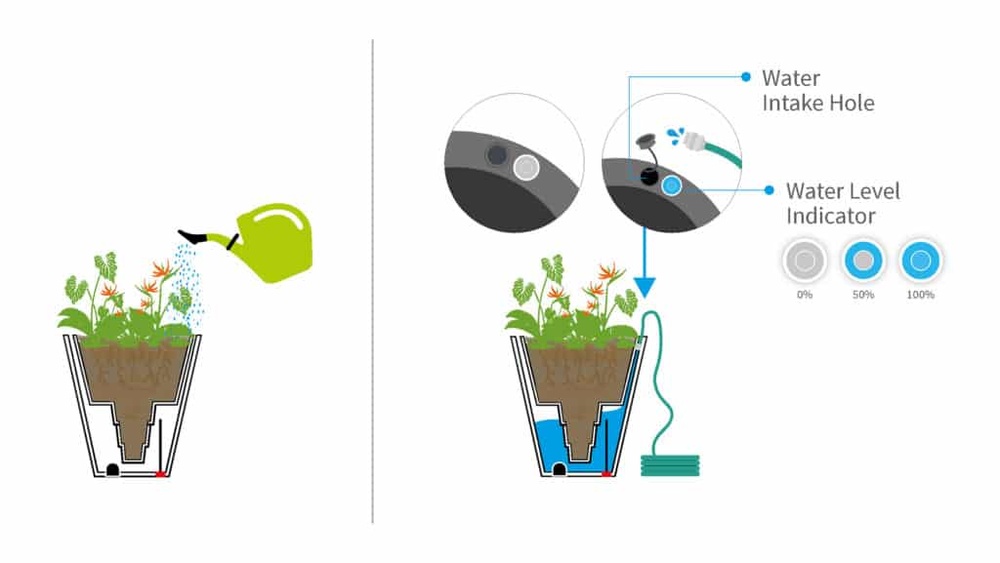
How Self Watering Planters Function
Self watering planters simplify plant care by delivering water efficiently. They use smart design to keep soil moist for longer periods. This helps plants stay healthy without constant watering. Understanding how they function reveals why they are so effective and popular.
Water Reservoir Role
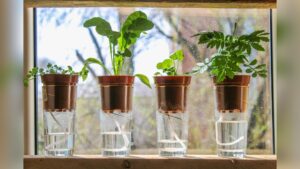
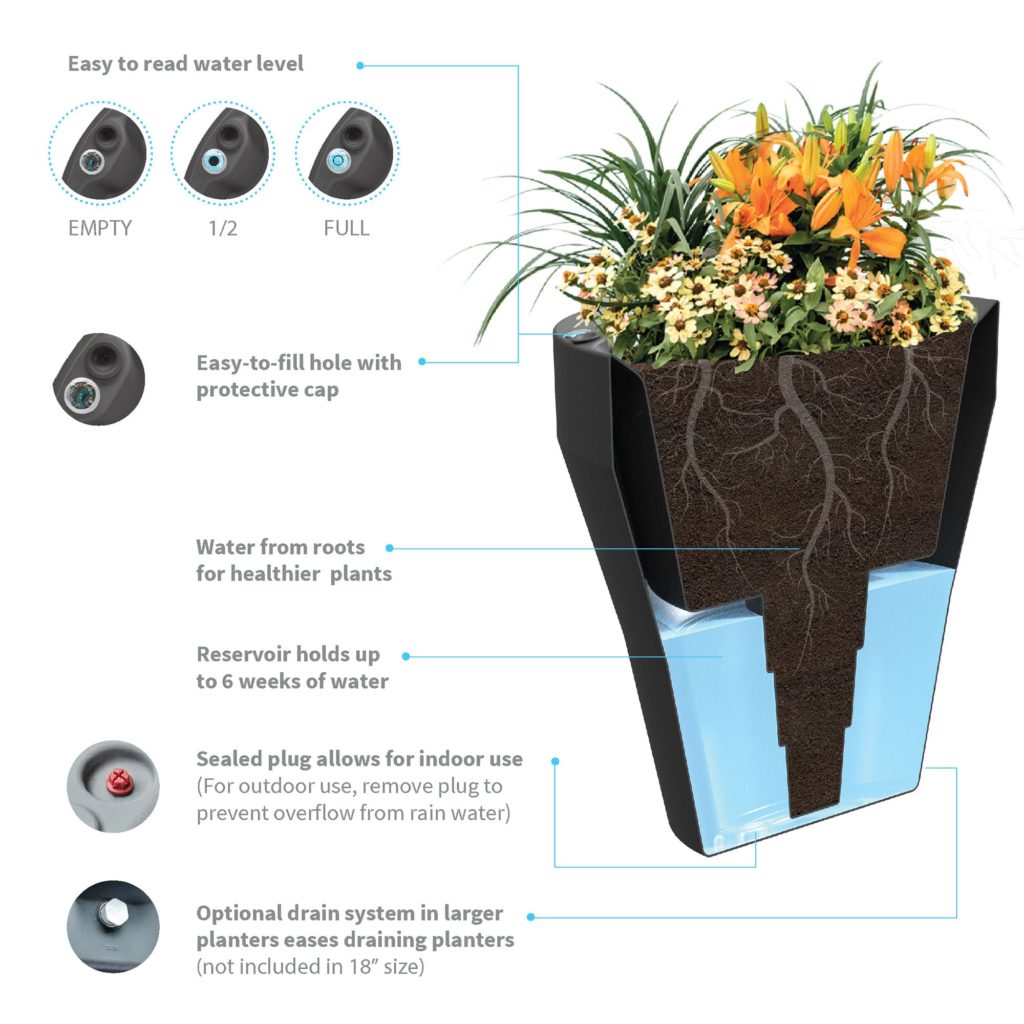
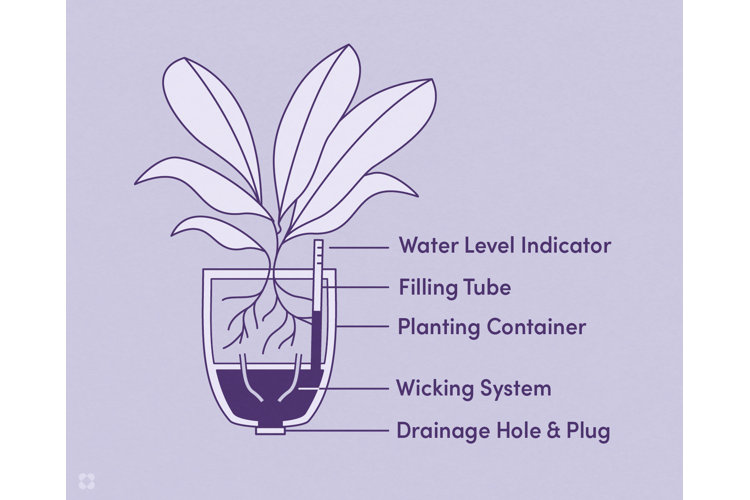
The water reservoir stores extra water below the soil. This reservoir holds enough water to feed the plant for days or weeks. It stops water from pooling at the surface, which can cause root rot. The reservoir ensures a steady supply of moisture is always available for the plant.
Wicking Mechanism
A wick or similar device moves water from the reservoir to the soil. This works through capillary action, pulling water upward slowly. The wick keeps soil moist without flooding it. This system adapts to the plant’s water needs by controlling flow naturally.
Root Absorption Process
Plant roots absorb water directly from the moist soil. They take only what they need, avoiding overwatering. This helps roots grow strong and healthy. The slow water delivery encourages roots to expand deeper into the soil.
Credit: www.crescentgarden.com
Advantages For Gardeners
Self watering planters offer many advantages for gardeners. They simplify plant care and improve growth. These planters provide a steady water supply that suits many plant types. Gardeners enjoy healthier plants and less worry about watering schedules.
Consistent Moisture Supply
Self watering planters keep the soil evenly moist. The built-in reservoir supplies water as plants need it. This prevents dry soil and avoids waterlogging. Plants receive a steady water flow, promoting strong root growth.
Enhanced Plant Health
Plants in self watering planters grow healthier and stronger. They avoid stress from irregular watering. Proper moisture reduces root rot and fungal diseases. The planter helps maintain the right balance of air and water in the soil.
Convenience For Busy Lifestyles
These planters reduce the need for daily watering. Gardeners can spend less time watering and more time enjoying their plants. They are ideal for people with busy schedules or frequent travelers. Plants stay hydrated even during short absences.
Water Efficiency Benefits
Self watering planters use water wisely and reduce waste. The reservoir limits water loss from evaporation and runoff. Water goes directly to the roots where plants absorb it best. This makes them eco-friendly and cost-effective for gardeners.
Plants Best Suited For Self Watering
Choosing the right plants for self watering planters ensures healthy growth and less maintenance. These planters provide water from a reservoir, allowing plants to absorb moisture as needed. Plants that like constant moisture thrive best in these conditions. Some plants adapt better indoors, while others do well outside. Understanding which plants suit self watering planters helps you create a lush, vibrant garden with minimal effort.
Moisture-loving Plants
Plants that prefer steady moisture are ideal for self watering planters. Herbs like basil and mint enjoy consistent water. Leafy greens such as lettuce and spinach also do well. Ferns and peace lilies thrive in moist soil too. These plants avoid stress from drying out between waterings. They use water efficiently from the planter’s reservoir. Avoid cacti and succulents since they need dry soil most of the time.
Indoor Vs Outdoor Suitability
Self watering planters work well indoors for many tropical and houseplants. They maintain steady moisture levels in dry indoor air. Outdoor use suits plants that tolerate some wet roots but dislike waterlogging. Protect planters outside from heavy rain to stop overflow. Herbs, flowers, and vegetables grow well outdoors in these planters during warm seasons. Choose plants based on your environment and watering needs to get the best results.
Limitations And Considerations
Self-watering planters offer many benefits, but they also have limits to consider. Understanding these can help you choose the right planter for your needs. Some plants do not thrive in constant moisture. Overwatering can still happen if the system is not managed well. Using these planters outdoors may pose unique challenges. Cost is another factor that affects many buyers. Each of these points matters for the success of your plants.
Unsuitable Plants
Plants that prefer dry soil do not do well in self-watering planters. Succulents and cacti need less water. These planters keep soil moist, which can cause root rot for such plants. Air plants also do not benefit from constant moisture. Choose plants that like steady water levels for best results.
Overwatering Risks
Self-watering planters reduce the risk of overwatering but do not eliminate it. If the reservoir is too full, roots may sit in water. This can lead to root rot or fungal growth. Regular checking of water levels is important. Adjust watering based on the plant’s needs and environment.
Outdoor Use Challenges
Rain can fill the water reservoir quickly, causing overwatering. Dirt and debris may clog the watering system. Sun exposure can heat the reservoir, affecting water quality. Wind might dry out the soil faster than expected. Outdoor use requires more attention and maintenance.
Cost Factors
Self-watering planters often cost more than regular pots. The built-in reservoir and system add to the price. Replacement parts can be expensive or hard to find. Consider if the cost fits your budget before buying. The convenience may justify the price for some gardeners.
Diy Self Watering Planter Ideas
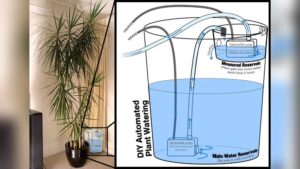
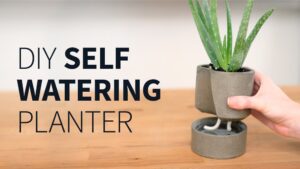
Building your own self watering planter saves money and customizes your garden. These planters keep plants hydrated by using water reservoirs. This system feeds water slowly to the roots. The DIY approach is simple and fun for beginners.
Materials Needed
- A plastic container for the water reservoir
- A larger pot or planter for the soil
- A cotton or nylon wick
- Potting soil
- Drill or sharp tool to make holes
- Scissors
- Water
Step-by-step Construction
- Drill a hole in the bottom of the soil pot.
- Cut the wick to fit through the hole and reach the water reservoir.
- Insert the wick through the hole so one end sits in the water container below.
- Place the soil pot on top of the water reservoir container.
- Fill the soil pot with potting soil, ensuring the wick is buried in the soil.
- Plant your chosen plant in the soil.
- Fill the water reservoir and check the wick absorbs water.
Maintenance Tips
- Refill the water reservoir regularly to keep soil moist.
- Check the wick for dirt or blockage and clean if needed.
- Remove dead leaves and keep the planter clean.
- Adjust the wick size to control water flow if plants get too wet or dry.
- Use fresh water to avoid mold or algae growth.
Credit: www.wayfair.com
Choosing The Right Planter
Choosing the right self watering planter is key to healthy plants and easy care. The right planter matches your plant’s needs, space, and style. Consider factors like size, material, and how the planter waters the plant. A good choice saves time and keeps plants thriving. Understanding the options helps pick the best fit for your home or garden.
Types Of Self Watering Planters
Self watering planters come in many types. Some have a built-in water reservoir at the bottom. Others use a wick system to pull water to the roots. There are also planters with a float valve to control water levels. Choose a type that suits your plant’s watering needs and your lifestyle. Each type works slightly differently but all help keep soil moist.
Size And Material Options
Planters vary in size from small pots to large containers. Pick a size that fits your plant’s root system and your space. Materials include plastic, ceramic, and metal. Plastic planters are lightweight and cheap. Ceramic pots look nice and keep soil cooler. Metal pots are durable but may heat up in sun. Choose a size and material that match your plants and setting.
Brand Comparisons
Many brands offer self watering planters. Some focus on design, others on function. Check reviews to find reliable brands with good water reservoir systems. Popular brands often provide clear instructions and warranties. Compare prices, styles, and customer feedback. A trusted brand helps ensure your planter works well and lasts long.
Frequently Asked Questions
Do Self-watering Planters Really Work?
Yes, self-watering planters work by supplying water from a reservoir, preventing over- and under-watering. They save time, improve plant health, and conserve water but suit mostly moisture-loving plants, not succulents or outdoor areas with heavy rain.
How Do You Use A Self-watering Planter?
Fill the reservoir with water. Plant soil absorbs water through a wick or capillary action. Refill reservoir as needed. Avoid overwatering by checking water levels regularly. Ideal for consistent moisture-loving plants.
How Does A Self-watering Planter Work Without A Wick?
A self-watering planter without a wick uses a water reservoir below the soil. Roots absorb water directly through capillary action. This system provides consistent moisture, preventing over- and under-watering while reducing the need for frequent watering.
What Is The Disadvantage Of Self-watering Pots?
Self-watering pots may cause root rot in plants that prefer dry soil. They offer limited control outdoors and cost more upfront.
Conclusion
Self watering planters make plant care easier and more consistent. They use a water reservoir and wick to deliver water slowly. This system helps plants get just the right amount of water. It reduces the chance of overwatering or underwatering.
These planters save time and water, perfect for busy people. Keep in mind, some plants prefer dry soil and may not thrive. Overall, self watering planters offer a simple way to keep plants healthy and hydrated. Try one to see how it fits your gardening needs.