How to Save Over Watered Plants: Expert Tips to Revive Them Fast

Have you ever watered your plant with good intentions, only to find its leaves turning yellow and droopy? Overwatering is one of the most common mistakes that can silently harm your green friends.
But here’s the good news: your overwatered plant isn’t doomed. With the right steps, you can bring it back to life and watch it thrive again. You’ll discover simple, effective ways to save your overwatered plants and prevent future mishaps.
Keep reading, because your plant’s recovery starts now!
Signs Of Overwatering
Overwatering is a common mistake that can harm your plants. Recognizing the signs early helps you save them. Plants show clear signals when they get too much water. Watching these signs closely keeps your plants healthy.
Wilting And Yellowing Leaves
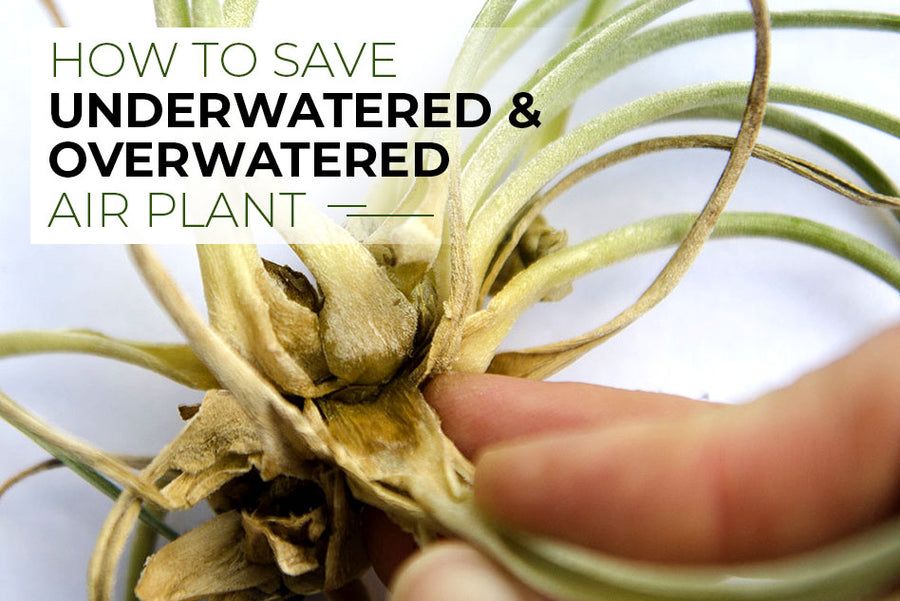
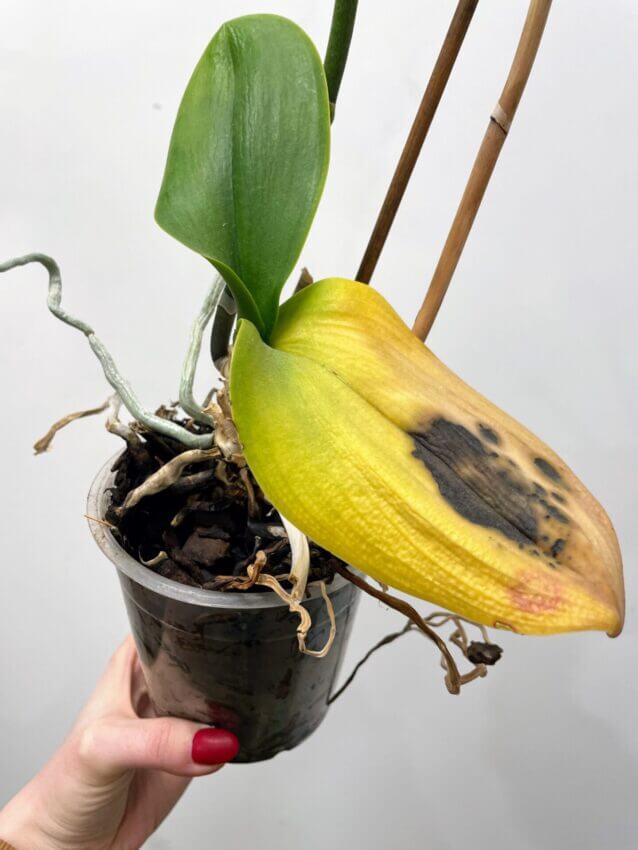
Leaves may look limp or droopy even if the soil is wet. Yellowing leaves often appear on overwatered plants. This happens because roots cannot breathe in soggy soil. The plant struggles to send nutrients to the leaves.
Mushy Or Black Roots
Healthy roots are firm and white. Overwatering causes roots to become soft and black. These rotten roots cannot support the plant. Removing mushy roots stops the spread of decay and helps recovery.
Foul Soil Odor
Wet soil that smells bad is a warning sign. A rotten or sour smell shows harmful bacteria or fungi growth. This environment damages roots and blocks nutrient uptake. Fresh, well-draining soil prevents this problem.
Credit: www.youtube.com
Immediate Actions To Take
Taking quick steps is crucial when dealing with overwatered plants. Acting fast helps prevent root damage and other serious problems. Here are immediate actions you must take to save your plant and give it the best chance to recover.
Stop Watering Immediately
Cease watering your plant at once. Excess water keeps the soil wet and harms the roots. Let the soil dry out before adding more water. This pause helps roots get oxygen and reduces root rot risk.
Move To A Shady Spot
Place the plant in a shaded area. Direct sunlight can stress an overwatered plant. Shade slows down water evaporation, allowing the soil to dry gently. It also reduces plant stress during recovery.
Increase Air Circulation
Improve airflow around the plant to speed drying. Use a fan or open windows nearby. Good air circulation helps dry the soil and leaves. It also prevents fungal growth and promotes healthier roots.
Improving Soil And Drainage
Improving soil and drainage plays a vital role in saving overwatered plants. Good soil and drainage help excess water escape quickly. This stops roots from sitting in water and rotting. Healthy roots mean a healthy plant. Fixing soil and drainage issues gives the plant a better chance to recover.
Check For Drainage Holes
Drainage holes let extra water flow out of the pot. Pots without holes trap water and cause root rot. Check the bottom of the pot for holes. If there are none, move the plant to a pot with holes. This simple step prevents water buildup and improves root health.
Repot With Fresh Soil
Old soil holds too much water and loses air. Fresh soil drains better and feeds the plant well. Choose soil that drains quickly, like a mix with perlite or sand. Gently remove the plant and shake off wet soil. Place it in a new pot with fresh soil. This refreshes the root environment and stops excess moisture.
Aerate The Soil
Compacted soil stops water from draining and air from reaching roots. Use a small tool or fork to poke holes in the soil. This helps water drain and lets air reach roots. Aerating also helps soil dry faster. Do this carefully to avoid hurting the roots. Loose soil keeps roots healthy and encourages growth.
Credit: succulentsbox.com
Root Care And Pruning
Root care and pruning are key steps in saving an overwatered plant. Waterlogged soil can damage roots and stop them from absorbing nutrients. Caring for roots helps the plant recover faster and grow healthy again.
Pruning bad roots stops rot from spreading. It also allows new, strong roots to develop. Proper root care requires careful handling to avoid further harm.
Remove The Plant From Pot
Gently take the plant out of its pot. Avoid pulling hard to keep roots intact. Loosen the soil around the roots with your fingers. This helps you see the root condition clearly.
Inspect Roots For Rot
Check roots for soft, black, or mushy areas. Healthy roots are firm and light-colored. Rotting roots smell bad and look slimy. Spotting rot early prevents damage to the whole plant.
Trim Damaged Roots
Use clean, sharp scissors or pruning shears. Cut away all soft and black roots. Leave only healthy, firm roots. After trimming, let the roots dry for a few hours. This reduces the risk of infection before repotting.
Adjusting Watering Habits
Adjusting watering habits plays a key role in saving overwatered plants. Changing how and when you water helps the soil dry properly. It prevents root rot and other water-related problems. This section shares simple methods to improve your watering routine. These tips help your plants stay healthy and strong.
Check Soil Moisture Before Watering
Always check the soil before adding water. Use your finger or a moisture meter to test the soil. Insert it about two inches deep. If the soil feels damp, wait a few more days. Water only when the soil is dry at this depth. This prevents excess water from harming the roots.
Avoid Strict Watering Schedules
Do not water plants on a fixed schedule. Plants need different amounts of water depending on weather and season. Watering too often can cause overwatering. Instead, observe the plant and soil condition. Water only when the plant shows signs of needing it. This approach supports healthy growth and avoids water stress.
Use Bottom Watering Techniques
Try watering plants from the bottom. Place the pot in a shallow tray of water. Let the soil soak up water through drainage holes. This method ensures even moisture distribution. It also prevents water from pooling on the soil surface. Bottom watering helps avoid overwatering and encourages strong roots.
Patience And Recovery Timeline
Saving an overwatered plant requires patience and understanding its recovery timeline. Plants need time to heal after too much water has affected their roots and overall health. Rushing the process can cause more harm than good. Recognizing the difference between mild and severe overwatering helps set realistic expectations for recovery. Observing the plant closely during this period is essential. Knowing when a plant has fully recovered guides future care and watering habits.
Mild Overwatering Recovery
Mild overwatering usually causes slight yellowing or drooping leaves. The soil remains wet but is not soggy for long. Stop watering immediately and let the soil dry out naturally. Place the plant in a warm, bright area with good air flow. This speeds up evaporation and soil drying. Mild cases often recover within one to three weeks. New growth and firmer leaves signal improvement. Keep monitoring soil moisture to avoid repeating the problem.
Severe Overwatering Challenges
Severe overwatering damages roots deeply, causing rot and blackened root tips. The plant may wilt heavily and lose leaves. Recovery takes longer and needs extra care. Remove the plant from its pot and trim rotten roots with clean scissors. Repot in fresh, well-draining soil and a pot with drainage holes. Avoid watering for at least a week to let roots heal. Recovery can take several months, and some plants may not survive. Patience is vital during this tough stage.
Signs Of Full Recovery
Look for firm, green leaves and steady new growth as signs of recovery. The plant should stand upright without drooping. Soil should dry evenly between waterings. Roots will appear white and healthy if inspected. The plant responds well to regular watering without stress. When these signs appear, return to normal care routines. Careful watering habits prevent future overwatering issues. Patience pays off with a healthy, thriving plant.
Preventing Future Overwatering
Preventing future overwatering is essential to keep plants healthy and thriving. Overwatering can harm roots and reduce oxygen, causing slow growth or death. Taking simple steps helps control water levels and avoids damage.
Choose Proper Pots
Select pots with drainage holes to let excess water escape. Avoid containers without holes, as water can collect and drown roots. Use pots that fit the plant size to prevent too much soil holding water. Clay or terracotta pots help absorb extra moisture, keeping soil balanced.
Use Well-draining Soil
Pick soil mixes designed for good drainage. Soils with sand, perlite, or bark chips allow water to flow through easily. Avoid heavy, compacted soil that traps water near roots. Well-draining soil keeps roots healthy and stops water buildup.
Monitor Environmental Conditions
Check humidity and temperature regularly, as they affect watering needs. Plants in high humidity or low light need less water. Use a moisture meter or finger test to check soil dampness before watering. Adjust watering based on weather and season changes to prevent overwatering.
Credit: highlandmoss.com
Frequently Asked Questions
Can A Plant Recover From Overwatering?
Yes, a plant can recover from overwatering if caught early. Stop watering, improve drainage, prune rotten roots, and let soil dry completely.
How To Fix An Overwatered Plant?
Stop watering immediately and let the soil dry. Move the plant to a shady, ventilated area. Remove and prune rotten roots. Repot using fresh, well-draining soil with drainage holes. Water only when the topsoil feels dry to prevent future overwatering.
How Long Does It Take To Reverse Water Plants?
Reversing overwatered plants takes one to three weeks for mild cases. Severe root rot may require months or may be irreversible.
Should I Put An Overwatered Plant In The Sun?
Do not place an overwatered plant in direct sunlight. Move it to a shaded, well-ventilated spot to help soil dry faster and prevent further stress.
Conclusion
Saving overwatered plants is possible with quick, careful steps. Stop watering and let the soil dry completely. Improve drainage by repotting into pots with holes and fresh soil. Check roots for rot and prune damaged parts gently. Adjust watering by testing soil moisture before adding water again.
Be patient; recovery can take weeks or months. Watch your plant closely to prevent future overwatering. Healthy plants start with simple, consistent care. Keep learning and enjoy your green space growing strong again.