How Often Should a Tomato Plant Be Watered
If you’re growing tomato plants, you’ve probably wondered, “How often should I water them?” Getting the watering schedule right is key to growing juicy, healthy tomatoes. Too little water can leave your plants thirsty and stressed, while too much can drown their roots and invite diseases.
But don’t worry—this guide will help you find the perfect balance. Keep reading to discover simple, effective tips that will keep your tomato plants thriving all season long. Your tomatoes will thank you!
Watering Frequency Basics
Watering tomato plants correctly is key for healthy growth. Knowing how often to water helps prevent common problems. Both underwatering and overwatering can harm your plants.
Understanding the basics of watering frequency sets a strong foundation. It guides you to provide just the right amount of water for your tomato plants.
Daily Or Every Few Days?
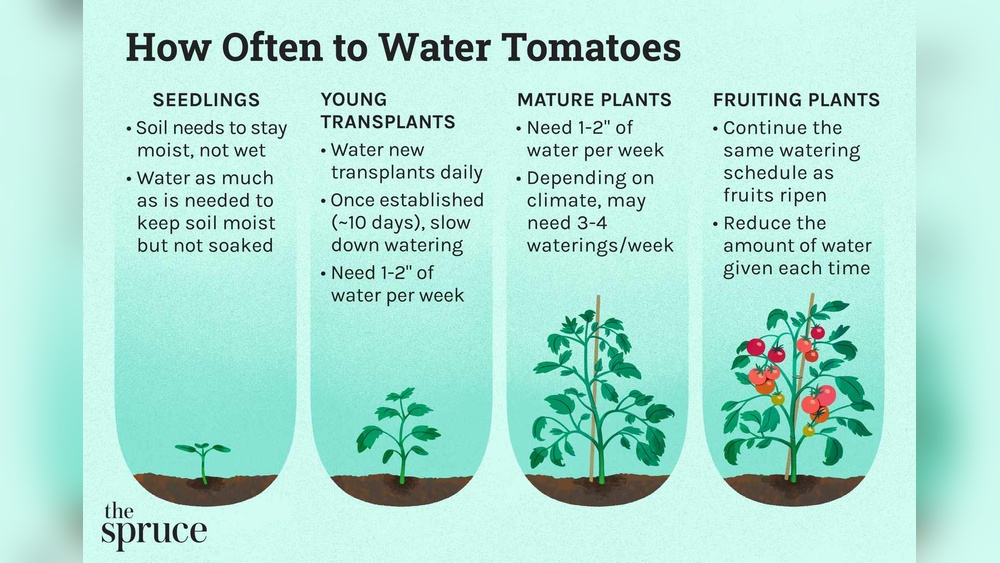
Tomato plants do not always need daily watering. Many gardeners water them every two to three days instead. The soil should be moist but not soggy.
Check the soil surface. If it feels dry, it is time to water. If it is still damp, wait a day or two before watering again. Overwatering can cause root problems and yellow leaves.
Factors Affecting Water Needs
Several factors change how often tomato plants need water. Hot weather and strong sun dry the soil faster. Plants in containers usually need more frequent watering than those in the ground.
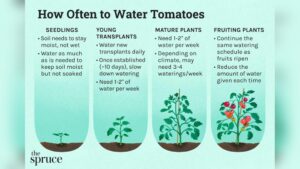
Soil type matters. Sandy soils drain quickly and need more water. Clay soils hold moisture longer, so watering less often is best. Also, the plant’s growth stage affects water needs. Young plants need less water than mature, fruit-bearing plants.
Signs Of Overwatering
Overwatering tomato plants can harm their growth and health. It blocks oxygen from reaching the roots. This causes root damage and increases disease risk. Recognizing signs of overwatering helps save your plants early. Watch for changes in leaves, stems, and soil. These signals show your plant needs less water.
Yellowing And Spotted Leaves
Leaves turn yellow when roots get too wet. Spots may also appear on leaves. These spots often look brown or black. The leaves feel soft or soggy, not dry or crisp. Yellowing usually starts on lower leaves first. This happens because water pools around the roots.
Wilting Despite Moist Soil
Wilting often means the plant needs water. Overwatered plants can also wilt. Roots drown and cannot supply water properly. Soil may feel wet, but leaves droop and curl. This confuses gardeners but shows root stress. The plant looks tired even with moist soil.
Soggy Branches And Roots
Branches become heavy and limp when waterlogged. They may look swollen or feel soft. Roots start to rot and smell bad. This stops the plant from absorbing nutrients. Soggy roots reduce growth and fruit production. Proper drainage avoids this dangerous condition.
Signs Of Underwatering
Tomato plants need the right amount of water to grow healthy and strong. Not watering them enough causes stress and stops them from thriving. Knowing the signs of underwatering helps you save your plants early. Watch your tomato plants carefully to catch these signs.
Dry, Crispy Leaves
Leaves turn dry and crispy when tomato plants lack water. The edges may curl up and feel brittle. These leaves look dull and lose their green color. This happens because the plant tries to save water. Check the leaves often to catch dryness early.
Drooping Stems
Stems droop or bend downward when the plant is thirsty. This drooping shows the plant is weak and stressed. The plant loses turgor pressure, which keeps stems firm. Drooping is easy to spot and a clear sign of underwatering. Water the plant soon if you see this.
Slow Growth
Underwatered tomato plants grow slower than usual. New leaves and stems develop very slowly or stop growing. The plant uses less energy because it lacks water. Slow growth means the plant cannot reach its full size. Keep watering regularly to help growth.

Credit: savvygardening.com
Soil Moisture Checks
Checking soil moisture is a simple yet effective way to know when to water tomato plants. It helps avoid overwatering and underwatering. Keeping the soil just right keeps tomato plants healthy and productive. Two common methods to check soil moisture are the finger test and moisture meters. Both help you water only when needed.
Finger Test Method
Insert your finger about two inches into the soil near the tomato plant. If the soil feels dry, it is time to water. If it feels moist or cool, wait before watering. This test is easy and quick. It helps you avoid giving too much water that can harm roots. Regular checks with your finger give a good idea of soil moisture.
Using Moisture Meters
Moisture meters are small tools that measure soil wetness. Insert the probe into the soil near the plant roots. The meter shows a reading that tells how wet or dry the soil is. This method is more precise than the finger test. It is useful for gardeners who want exact data. Moisture meters help keep tomato plants watered just right.
Best Watering Practices
Watering tomato plants correctly supports healthy growth and bountiful harvests. Best watering practices focus on giving water directly to roots while keeping leaves dry. This prevents diseases and helps plants absorb moisture efficiently. Understanding these methods improves tomato plant care and reduces common problems.
Watering At The Base
Always pour water at the base of the tomato plant. Avoid spraying water on the leaves or stems. Watering at the root zone helps the plant absorb moisture quickly. It also reduces the chance of fungal infections that start on wet leaves. Use a watering can or drip irrigation for best results.
Early Morning Watering
Water tomato plants early in the morning before the sun gets hot. Morning watering lets plants soak up moisture all day. It also helps soil dry out by evening. Dry soil prevents root rot and other diseases. Avoid watering at night because wet soil can damage roots.
Avoiding Leaf Wetness
Keep tomato leaves dry to reduce disease risks. Wet leaves attract fungal spores and pests. Water at the base only and avoid overhead sprinklers. If leaves get wet, air circulation helps them dry faster. Trim lower leaves to improve airflow around the plant base.

Credit: savvygardening.com
Soil And Drainage Tips
Proper soil and drainage are key to healthy tomato plants. Good soil helps roots get enough air and water. It also stops water from pooling around roots. Without good drainage, roots can rot quickly. This makes plants weak and may kill them. Knowing how to prepare soil and keep it draining well can save your tomato plants.
Ensuring Good Drainage
Choose soil that lets water flow through easily. Sandy loam soil is best for tomatoes. Avoid heavy clay soils that hold too much water. If your soil is clay, mix in organic matter like compost. This breaks up the soil and improves drainage.
Plant tomatoes in raised beds or mounds. This helps water drain away from roots. Make sure pots have holes at the bottom. These holes allow extra water to escape. Check drainage by watering and seeing if water pools. If it does, fix the soil or pot drainage before planting.
Using Mulch To Retain Moisture
Mulch keeps soil moist by slowing evaporation. Use straw, grass clippings, or shredded leaves around plants. Spread mulch about 2 to 3 inches thick. Keep mulch a few inches from the plant stem. This stops stem rot and pests.
Mulch also helps control soil temperature. It keeps roots cooler in hot weather. This reduces water stress on tomato plants. Mulch breaks down over time and adds nutrients to soil. Replenish mulch as needed to keep soil moist and healthy.
Adjusting Watering By Climate
Watering tomato plants depends largely on the climate they grow in. Different weather conditions affect how quickly the soil dries out. Adjusting your watering routine based on climate helps keep tomato plants healthy and productive. Paying attention to local weather and soil moisture can guide your watering schedule.
Hot And Dry Conditions
Tomato plants need more water in hot and dry weather. The soil loses moisture quickly under intense sun and dry air. Water deeply at least once a day to keep roots hydrated. Morning watering is best to reduce evaporation. Mulching helps retain soil moisture and cool roots. Check soil moisture often to avoid letting it dry out completely.
Humid And Rainy Weather
Tomatoes require less frequent watering in humid or rainy conditions. The air and soil hold more moisture naturally. Overwatering can cause root rot and diseases. Water only when the top two inches of soil feel dry. Use well-draining soil to prevent waterlogging. Cover plants if heavy rain is expected to protect fruits and reduce disease risk.
:max_bytes(150000):strip_icc()/GettyImages-1266067408-604c5d82922d4a95bd7322f1f20b1026.jpg)
Credit: www.thespruce.com
Rescuing Overwatered Plants
Overwatering tomato plants can cause serious harm quickly. The roots may start to rot from excess water. Leaves turn yellow and wilt, signaling distress. Acting fast to rescue these plants saves them from permanent damage. Proper steps can restore health and vigor to your tomato plants.
Improving Drainage Quickly
Good drainage stops water from pooling around roots. Check the pot or garden bed for blocked holes. Add coarse sand or small gravel to loosen heavy soil. Gently lift the plant and remove excess wet soil if needed. Place the plant back with fresh, dry soil. This helps roots breathe and prevents rot.
Pruning Damaged Foliage
Remove yellow or wilted leaves right away. Cut off any soft or mushy stems. This reduces stress on the plant and stops disease spread. Use clean, sharp scissors or pruning shears. Pruning encourages new, healthy growth to appear. Keep an eye on your plant as it recovers.
Frequently Asked Questions
Are You Supposed To Water Tomato Plants Every Day?
Water tomato plants when the top 2-3 inches of soil feel dry. Avoid daily watering to prevent root damage and diseases. Water deeply at the base early in the day. Use mulch to retain moisture and ensure proper drainage for healthy growth.
Can You Overwater Tomato Plants?
Yes, overwatering tomato plants harms roots, causes yellow leaves, promotes disease, and can kill the plant. Water only when soil’s top 2-3 inches are dry. Ensure good drainage and water at the base to prevent overwatering issues.
How To Tell If Tomato Plants Need Water?
Tomato plants need water when the top 2-3 inches of soil feel dry. Leaves may wilt or curl. Check soil moisture regularly to avoid over or underwatering.
Do Tomato Plants Need A Lot Of Sunlight?
Tomato plants need at least 6 to 8 hours of direct sunlight daily. This sunlight boosts growth and fruit production. Place plants in a sunny spot for best results. Insufficient light can reduce yield and weaken plants. Sunlight is crucial for healthy tomato development.
Conclusion
Tomato plants need regular but careful watering. Water only when the soil feels dry two inches deep. Too much water can harm roots and leaves. Always water the base, not the leaves, to keep plants healthy. Morning watering helps plants absorb water well.
Watching your plants closely helps you find the right balance. Healthy watering leads to strong, productive tomato plants. Keep it simple, steady, and your garden will thank you.