How Does a Self Watering Plant Pot Work: Ultimate Guide to Easy Care
Are you tired of constantly worrying whether your plants are getting too much or too little water? Imagine a plant pot that takes care of watering itself, giving your plants just the right amount of moisture whenever they need it.
That’s exactly what a self-watering plant pot does. But how does this clever system actually work, and can it really make your plant care routine easier? You’ll discover the simple science behind self-watering pots, the key benefits they offer, and what you should watch out for before bringing one home.
Keep reading to find out if a self-watering pot could be the game-changer your plants—and your busy schedule—have been waiting for!
Self-watering Pot Basics
Self-watering pots are simple tools that help plants get the right amount of water. They store water in a special part of the pot and give it to the plant little by little. This system helps plants grow healthier and reduces how often you need to water them. Understanding the basic parts of a self-watering pot shows why they work so well for many gardeners.
Water Reservoir Design
The water reservoir is a container inside or below the pot. It holds extra water for the plant to use later. This design keeps the water separate from the soil at first. It stops the soil from getting too wet and prevents root rot. The reservoir size varies depending on the pot and plant type.
Wicking Mechanism
The wick is a small piece of material like cotton or fabric. It connects the water reservoir to the soil. The wick pulls water up slowly through capillary action. It works like a tiny straw that feeds water to the roots. The plant takes water only when the soil is dry enough.
Root Absorption Process
Plant roots grow down toward the water source. They absorb water directly from the moist soil. The roots take only the water they need at that time. This process stops water waste and helps the plant stay healthy. The steady water supply supports constant growth without stress.
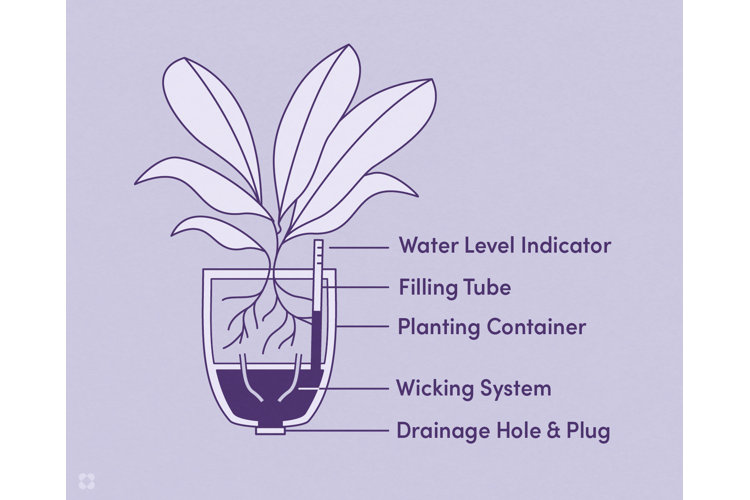
Credit: www.wayfair.com
Key Benefits
Self watering plant pots offer several key benefits that improve plant care and make watering easier. These pots help plants get the right amount of water without constant attention. They support healthier growth and save time and water. Understanding these benefits shows why many gardeners prefer self watering pots.
Consistent Water Supply
Self watering pots keep water levels steady for plants. The built-in reservoir releases water slowly. This steady supply stops plants from drying out or getting too wet. It helps plants grow strong and healthy by giving water as needed.
Enhanced Plant Health
Plants in self watering pots get water directly to their roots. This reduces stress caused by uneven watering. Roots stay moist but not soaked, lowering the risk of root rot. Healthy roots lead to healthier leaves and flowers over time.
Watering Convenience
These pots reduce the need to water plants daily. The reservoir holds water for days or weeks. This feature is perfect for busy people or those who travel. It makes plant care simple and less time-consuming.
Water Efficiency
Self watering pots use water smartly by cutting waste. Water is delivered slowly and only when plants need it. This system prevents water from evaporating or draining away. It helps save water and lowers water bills.
Common Drawbacks
Self watering plant pots offer many benefits, but they also have some common drawbacks. These issues may affect plant health or user experience. Understanding these drawbacks helps in choosing the right pot for your needs.
Self watering pots work best for certain plants and conditions only. Knowing the limitations can prevent problems in your gardening routine.
Unsuitable Plants
Not all plants thrive in self watering pots. Succulents and cacti prefer dry soil and may suffer root rot. Plants needing dry periods between watering do not do well either. Choose plants that enjoy consistent moisture for best results.
Risk Of Overwatering
Self watering pots reduce watering mistakes but can still cause overwatering. If the reservoir is too full, soil stays too wet. This leads to root rot and fungal diseases. Regularly check the soil moisture to avoid this risk.
Outdoor Limitations
Using self watering pots outdoors can be tricky. Heavy rain can fill the reservoir and drown roots. Wind and temperature changes affect water absorption. Outdoor use requires careful monitoring to prevent waterlogging.
Initial Cost
Self watering pots usually cost more than regular pots. The built-in reservoir and design add to the price. This can be a barrier for some gardeners. Consider the long-term benefits versus the upfront investment.
Choosing The Right Pot
Choosing the right self watering plant pot is key for healthy plants. The right pot ensures your plant gets enough water without drowning. Several factors affect your choice, including material, size, and design. Each factor impacts how well the pot works and how easy it is to use. Understanding these points helps you pick a pot that fits your plant’s needs and your lifestyle.
Material Options
Self watering pots come in many materials. Plastic pots are light and cheap. They hold water well but may look less natural. Ceramic pots look nice and are sturdy. They keep soil moist but can be heavy. Terracotta pots breathe well but dry out faster. Choose a material that matches your space and watering habits.
Size And Capacity
Size matters for self watering pots. A bigger pot holds more water and soil, giving plants room to grow. Small pots dry out faster and need refilling more often. Match pot size to plant size. A pot too small stunts growth. One too big may hold excess water, risking root rot.
Design Features
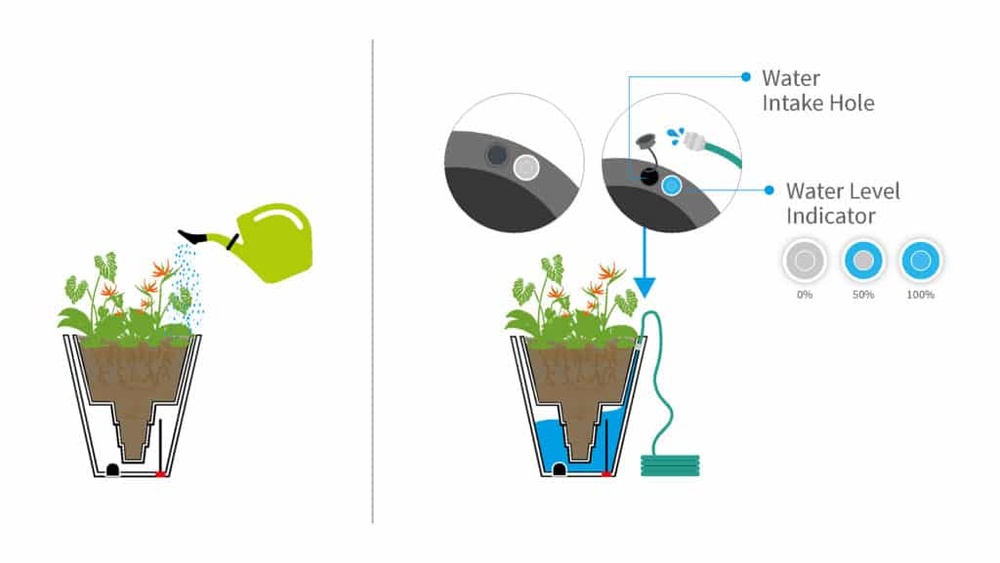
Look for pots with a clear water level indicator. This feature helps you know when to refill. Some pots have a wick system that draws water slowly to roots. Others have a reservoir at the bottom. Check if the pot has good drainage to avoid waterlogging. Design affects how easy the pot is to use and how well it supports plant health.
Using Self-watering Pots Effectively
Using self-watering pots effectively helps plants thrive with less effort. These pots supply water steadily from a reservoir. The plant takes water as needed through the soil. Proper use ensures healthy growth and saves time. Follow key tips for best results.
Plant Selection Tips
Choose plants that like consistent moisture. Herbs, vegetables, and tropical plants work well. Avoid plants that prefer dry soil, like succulents. Check each plant’s water needs before potting. This prevents root rot and other problems.
Filling And Maintenance
Fill the reservoir with clean water. Check the water level regularly and refill as needed. Clean the reservoir every few weeks to stop algae growth. Remove dead leaves and debris from the soil surface. This keeps the pot healthy and prevents pests.
Troubleshooting Water Issues
Watch for signs of overwatering, such as yellow leaves. If soil feels soggy, reduce water in the reservoir. Dry, wilting leaves may mean the reservoir is empty. Ensure the wick or watering tube is not blocked. Adjust water level to match plant needs.
Comparing With Traditional Pots
Self-watering plant pots offer a fresh alternative to traditional pots. They change how plants receive water and how often you need to water them. Comparing these pots with traditional ones helps understand their benefits and drawbacks better. Here is a breakdown of key differences and what to expect from each type.
Watering Frequency
Traditional pots need watering more often. Water drains quickly through the soil. This means plants may dry out faster. Self-watering pots hold water in a reservoir. Plants take water as needed. This reduces how often you must water.
Plant Growth Differences
Plants in traditional pots may grow unevenly if watering is irregular. Too much or too little water affects roots. Self-watering pots provide steady moisture. This supports more consistent root growth. Plants often grow healthier and stronger.
Maintenance Requirements
Traditional pots require regular checks for soil moisture. You must adjust watering based on weather and plant needs. Self-watering pots need less frequent attention. The reservoir must be refilled periodically. This makes care easier for busy people.
Popular Self-watering Pot Types
Self-watering pots come in various designs to suit different plants and lifestyles. Each type manages water delivery uniquely to keep plants healthy. Understanding popular models helps choose the right pot for your needs.
Wick-based Models
Wick-based pots use a fabric or rope wick to draw water. The wick extends from the water reservoir to the soil. Water moves up through the wick by capillary action. This keeps the soil moist without flooding it. These pots are simple and low-cost. They work well for small indoor plants.
Reservoir Bottom Pots
Reservoir bottom pots have a built-in water storage area beneath the soil. The plant’s roots reach down to absorb water directly. This design lets plants take water as needed. It reduces watering frequency and prevents dry soil. Ideal for medium to large plants, these pots help maintain steady moisture.
Automated Systems
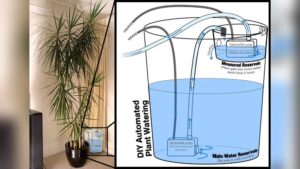
Automated self-watering pots use sensors and timers. These systems control water release precisely. Sensors detect soil moisture and activate watering only when needed. Timers can schedule regular watering cycles. Automated pots are great for busy gardeners. They support optimal plant growth with minimal effort.

Credit: urbanscapeplanters.com

Credit: kyari.co
Frequently Asked Questions
Do Self-watering Planters Really Work?
Self-watering planters work by using a reservoir that supplies water to plants through capillary action. They prevent over- and under-watering, reduce watering frequency, and conserve water. They suit many plants but may not work well for succulents or outdoor use in heavy rain.
How Do You Use A Self-watering Pot?
Fill the reservoir with water, place the pot on it, and the soil wicks moisture up to the roots as needed. Refill reservoir regularly.
What Is The Disadvantage Of Self-watering Pots?
Self-watering pots can cause root rot in plants needing dry soil, offer limited control outdoors, and often cost more upfront.
Do You Keep Self-watering Pots Full Of Water?
Do not keep self-watering pots full of water constantly. Maintain the reservoir at recommended levels to avoid root rot and overwatering. Check water levels regularly and refill only when the reservoir is low to ensure healthy plant growth.
Conclusion
Self-watering plant pots use a simple yet smart design. They hold water in a reservoir below the soil. A wick or the pot’s legs draw water up as the plant needs it. This steady supply helps plants avoid drying out or getting too wet.
These pots save time and reduce watering mistakes. They keep plants healthier with less effort. Great for busy people or those new to gardening. Understanding how they work can help you care for plants better. Self-watering pots offer a reliable way to grow happy, healthy plants.