How Often Should a Jade Plant Be Watered: Expert Tips Revealed
If you’ve ever wondered how often you should water your jade plant, you’re not alone. Giving your jade plant just the right amount of water is key to keeping it healthy and vibrant.
Water it too much, and you risk root rot and droopy leaves. Water it too little, and it might start to wilt or shed leaves. So, how can you find that perfect balance? You’ll discover simple, easy-to-follow tips that will help you understand exactly when and how to water your jade plant.
Keep reading to make sure your jade thrives and grows beautifully right in your home!

Credit: www.youtube.com
Watering Frequency
Watering frequency plays a key role in keeping your jade plant healthy. These plants store water in their thick leaves, so they do not need frequent watering. Overwatering can harm jade plants, causing root rot and leaf drop. It is best to water only when the soil is dry to the touch. Pay attention to your plant’s needs and adjust watering accordingly.
Seasonal Changes
Jade plants need less water in cooler months. During winter, they enter a dormant phase and use less water. Watering once every 3 to 4 weeks is usually enough. In spring and summer, they grow actively and need more water. Water every 2 weeks or when the soil feels dry. Adjust watering based on temperature and humidity.
Indoor Vs Outdoor
Outdoor jade plants dry out faster than indoor ones. Sunlight, wind, and heat increase water loss. Water outdoor plants more often, about once a week. Indoor plants need less water since indoor air is more stable. Water indoor jade plants every 2 to 3 weeks. Always check the soil moisture before watering. Avoid letting water sit in the pot to prevent root rot.
Soil Moisture Tips
Proper soil moisture is key to keeping your jade plant healthy. Too much water leads to root rot. Too little causes shriveled leaves. Checking soil moisture helps you water at the right time. Use simple methods to know when your jade plant needs water. These tips prevent overwatering and underwatering.
Finger Test Method
Insert your finger about an inch into the soil. If the soil feels dry, it is time to water. If it feels moist, wait a few more days. This method is easy and requires no special tools. It helps avoid watering too often. Check the soil in several spots for accuracy.
Using Moisture Meters
Moisture meters give a quick soil moisture reading. Insert the meter’s probe into the soil. It shows a scale from dry to wet. This tool is helpful if you want precise watering. Use it to track moisture levels over time. Clean the probe after each use to keep it accurate.
Signs Of Overwatering
Overwatering is a common mistake with jade plants. It can harm their health quickly. Knowing the signs helps save your plant early. Watch your jade plant closely for these symptoms.
Yellowing Leaves
Leaves turn yellow when the plant gets too much water. Yellowing means the roots cannot breathe well. The jade plant stops growing and looks unhealthy. Check the soil moisture before watering again.
Soft Or Mushy Foliage
Healthy leaves are firm and thick. Overwatering makes leaves soft and mushy. They may feel squishy to touch. This signals the plant cells are damaged by excess water.
Droopy Stems
Stems lose their strength and droop down. Droopy stems show the plant is under stress. Waterlogged roots cannot support the plant. The jade looks weak and tired.
Root Rot Symptoms
Root rot is a serious problem caused by too much water. Roots turn black or brown and smell bad. The plant may lose leaves and stop growing. Check roots if overwatering signs appear above.
Signs Of Underwatering
Knowing the signs of underwatering helps keep your jade plant healthy. Jade plants store water in their leaves. They do not need frequent watering. But too little water can cause problems. Watch for these key signs to know when your plant needs water.
Wrinkled Leaves
Leaves that look wrinkled or shriveled often mean the plant is thirsty. The jade plant uses water stored in its leaves first. When it runs low, leaves lose their plumpness. Wrinkled leaves feel soft and may fold inward. Check leaf texture regularly to catch early signs.
Leaf Drop
Dropping leaves show stress from lack of water. The plant sheds older leaves to save moisture. Leaves may yellow or brown before falling off. If many leaves drop suddenly, underwatering is likely the cause. Keep an eye on leaf loss to protect your plant.
Dry Soil Indicators
Dry soil means the plant cannot absorb enough water. Stick your finger into the soil about an inch deep. If it feels dry, the jade plant needs watering. Soil that pulls away from the pot edges is another sign. Check soil moisture often to avoid underwatering.
Preventing Watering Issues
Preventing watering issues is key to keeping your jade plant healthy and thriving. Overwatering or underwatering can stress the plant, causing leaf drop or root rot. Simple steps can help you avoid these problems and give your plant the care it needs. Understanding how to choose the right pot and soil, ensuring proper drainage, and following a good watering schedule makes all the difference.
Choosing The Right Pot And Soil
Select a pot that fits your jade plant’s size. It should have enough room for roots to grow but not be too large. Use soil designed for succulents or cacti. These soils drain well and prevent water from staying too long around the roots. Avoid heavy garden soil that holds too much moisture.
Drainage Importance
Good drainage stops water from pooling at the bottom of the pot. Make sure the pot has holes to let excess water escape. Place a layer of small rocks or gravel at the bottom for extra drainage. This helps keep the roots dry and healthy. Standing water can cause root rot, which is deadly for jade plants.
Watering Schedule Tips
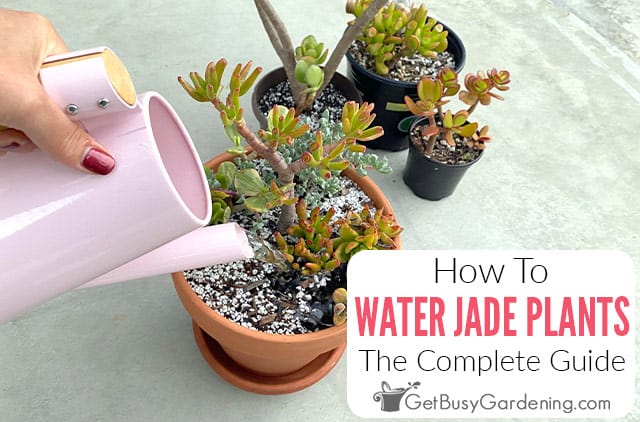
Water your jade plant only when the top inch of soil feels dry. Use your finger to check moisture before watering. During summer, water more often, about every 2-3 weeks. In winter, reduce watering to once a month or less. Always water deeply but allow the soil to dry fully between waterings.
Credit: getbusygardening.com
Reviving A Jade Plant
Reviving a jade plant requires careful attention to its needs. These resilient succulents can bounce back with the right care. Understanding how to adjust watering, trim roots, and improve light helps restore health. Act quickly to prevent further damage and encourage growth.
Adjusting Watering Habits
Water jade plants only when the soil is dry. Overwatering causes root rot and yellowing leaves. Let the soil dry out completely between waterings. Use a pot with drainage holes to avoid water buildup. Water deeply but infrequently for best results.
Trimming Damaged Roots
Remove the plant from its pot gently to check the roots. Cut away any black, mushy, or rotten roots with clean scissors. Healthy roots are white and firm. After trimming, let the roots dry for a day before repotting. Use fresh, well-draining soil to support recovery.
Improving Light Conditions
Place the jade plant in bright, indirect sunlight. Too little light slows growth and weakens the plant. Avoid direct afternoon sun which can scorch leaves. Rotate the plant regularly to ensure even light exposure. Proper light helps the plant regain strength and color.
Expert Watering Advice
Watering a jade plant correctly is key to its health and longevity. Experts agree that jade plants thrive with careful watering routines. The goal is to keep the soil moist but not soggy. Understanding proper watering helps prevent common problems like root rot and leaf drop. Below are some expert tips to guide you.
Common Mistakes To Avoid
Overwatering is the most common mistake. Jade plants store water in their leaves. They do not need frequent watering like other houseplants. Watering too often causes yellow, mushy leaves and weak stems. Avoid watering on a fixed schedule. Instead, check the soil moisture first.
Another error is watering cold soil. Water should be at room temperature. Cold water shocks the roots and slows growth. Also, do not water if the soil is still damp. Jade plants need the soil to dry out between watering sessions.
Best Practices For Healthy Growth
Stick your finger into the soil to check moisture. If the top 1-2 inches are dry, it is time to water. Use enough water to soak the soil well, but make sure excess water drains out. Avoid letting the plant sit in water.
Water in the morning to allow leaves to dry during the day. This reduces the risk of fungal diseases. During winter, reduce watering frequency. Jade plants grow slower in cooler months and need less water.
Use well-draining soil and pots with drainage holes. This supports healthy roots and prevents water buildup. A balanced approach to watering keeps your jade plant vibrant and strong.
Frequently Asked Questions
How Do I Know If My Jade Plant Needs Water?
Check the soil by inserting your finger up to the knuckle. Water only if the soil feels dry. Avoid watering if soil is moist. Watch for wrinkled or drooping leaves, which indicate thirst. Always let the soil dry between waterings to prevent root rot.
What Does An Overwatered Jade Plant Look Like?
An overwatered jade plant shows yellow, mushy leaves and limp, droopy stems. It may shed leaves and develop root rot with dark, soft roots.
Do Jade Plants Need Direct Sunlight?
Jade plants thrive in bright, indirect sunlight. They tolerate some direct sun but avoid intense midday rays to prevent leaf burn.
How Much Water Is Needed For A Jade Plant?
Water a jade plant thoroughly when the top 1-2 inches of soil feel dry. Usually, this means watering every 2-3 weeks. Avoid overwatering to prevent root rot. Adjust frequency based on humidity and temperature for best growth.
Conclusion
Water your jade plant only when the soil feels dry. Avoid watering on a fixed schedule. Overwatering causes root rot and yellow leaves. Let the soil dry out completely before watering again. Check moisture by sticking your finger into the soil.
Proper watering keeps your jade plant healthy and strong. Remember, less water is better than too much. Watch your plant’s leaves for signs of stress. Healthy jade plants thrive with careful, simple watering habits.