How to Make Self Watering Plant: Easy DIY Tips for Thriving Greens

Are you tired of constantly worrying about watering your plants, especially when life gets busy or you’re away for a few days? Imagine having plants that take care of themselves, staying healthy and hydrated without daily attention.
Creating a self-watering plant system is easier than you think, and it can save you time, money, and stress. In this guide, you’ll learn simple, effective DIY methods to keep your plants perfectly watered—whether you’re at home or traveling. Ready to make your plant care routine effortless and foolproof?
Let’s dive in and transform the way you care for your greenery!
Benefits Of Self-watering Plants
Self-watering plants offer many advantages for gardeners and plant lovers. They provide a simple way to keep plants hydrated without constant attention. This helps save water, time, and effort. The benefits make self-watering systems a smart choice for homes and offices.
Water Efficiency
Self-watering plants use water more efficiently. Water goes directly to the roots where plants need it most. This reduces water waste from evaporation and runoff. Less water use means lower water bills and a smaller environmental footprint. It helps conserve water, especially in dry areas.
Reduced Maintenance
These systems reduce the need for daily watering. Plants get a steady supply of moisture without frequent checks. This is great for busy people or those who travel often. It also lowers the risk of overwatering or underwatering plants. Maintenance becomes easier and less stressful.
Healthier Plant Growth
Consistent moisture supports strong, healthy roots. Plants grow better with steady water access. This leads to greener leaves and more blooms. Self-watering helps prevent common problems like root rot and wilting. Overall, plants stay healthier and live longer.
Essential Materials
Creating a self-watering plant system needs a few simple materials. These materials help deliver water steadily to the plant. Using the right supplies ensures your plant stays healthy and hydrated. Below, find the key materials to start your project.
Containers And Bottles
Plastic bottles are common containers for self-watering plants. Choose bottles of different sizes depending on your plant’s needs. Recycled containers like jars or cups also work well. Make sure containers are clean and safe for plants. The container holds water and supports the plant’s soil.
Wicking Materials
Wicks draw water from the reservoir to the soil. Cotton cords or strips of fabric make good wicks. The material must absorb and release water slowly. Avoid synthetic fibers that do not absorb water well. The wick should be long enough to reach both water and soil.
Water Reservoir Options
The water reservoir stores extra water for the plant. Bottles, jars, or small buckets can serve as reservoirs. Choose a container that fits your space and plant size. The reservoir must hold enough water to last days or weeks. Keep it sealed or covered to prevent evaporation and dirt.
Simple Self-watering Techniques
Simple self-watering techniques help keep plants hydrated without constant care. These easy methods save time and water. They work well for busy people or those new to gardening. Each method uses common household items. You can set them up quickly with little effort.
Watering Bottle Method
Take a clean plastic bottle and poke small holes in the cap. Fill it with water and turn it upside down. Push the bottle neck into the soil near the plant roots. Water slowly drips out, keeping soil moist for days. This method suits small pots and indoor plants well. It prevents overwatering and reduces water waste.
Wicking System Setup
Use a cotton rope or thick string as a wick. Place one end in a water container and the other into the plant soil. Water travels along the wick to the roots by capillary action. This keeps soil consistently moist without flooding. It works great for hanging baskets and larger pots. The wick must stay wet for the system to work properly.
Bathtub Grouping Approach
Group several potted plants inside a bathtub or large basin. Pour a few inches of water into the tub. Place a damp towel under the pots to help water soak up slowly. Keep plants away from direct sunlight to reduce evaporation. The plants absorb moisture through their pots over several days. This method is ideal for short trips and multiple plants.
Step-by-step Diy Guide
Creating a self-watering plant system saves time and keeps plants healthy. This step-by-step guide shows how to make one at home. The process is simple and uses common materials. Follow each step carefully to ensure your plant gets the right amount of water consistently.
Preparing The Container
Choose a container with a lid or a separate water reservoir. Clean it thoroughly to avoid mold or bacteria. Drill or poke a small hole in the lid or container bottom. This hole will allow the wicking element to pass through. Make sure the container fits well under your plant pot.
Adding The Wicking Element
Select a cotton rope or strip of fabric to act as a wick. Insert one end of the wick through the hole in the container. The wick must touch the water inside the reservoir. The other end should reach into the soil of the plant pot. The wick pulls water up slowly to the plant roots.
Filling And Positioning The Reservoir
Fill the container with clean water. Avoid overfilling to prevent spills. Place the container below or beside the plant pot. Make sure the wick stays in contact with both water and soil. Check the water level regularly and refill as needed. This setup ensures your plant stays hydrated for days.
Tips For Thriving Greens
Growing thriving greens with a self-watering system needs some care. Choosing the right plants, managing soil moisture, and placing plants properly all help them grow strong. Small efforts bring big results.
Follow these tips to keep your plants healthy and vibrant in your self-watering setup.
Choosing The Right Plants
Pick plants that do well with steady moisture. Herbs like basil and mint work great. Succulents need less water, so they may not suit all self-watering systems. Start with easy plants for best results.
Soil And Moisture Control
Use soil that holds water but drains well. Mix potting soil with some sand or perlite. Check soil moisture regularly to avoid overwatering. Too much water can cause root rot and harm the plant.
Placement And Light Considerations
Place your plants where they get enough light. Most greens need bright, indirect light. Avoid direct sun that can dry out the soil too fast. Keep your setup in a spot with good air circulation.
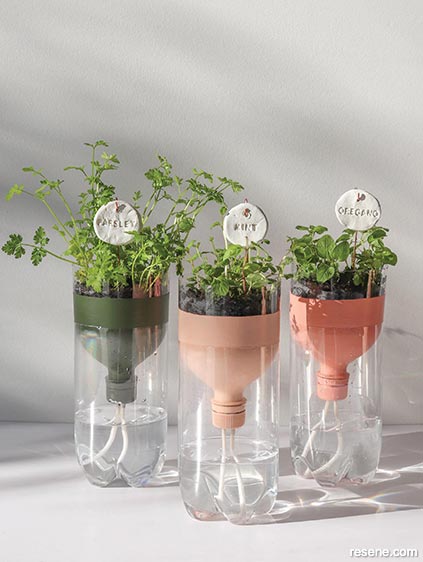
Credit: www.resene.co.nz
Vacation Plant Care
Taking a vacation means leaving your plants alone for days or weeks. Vacation plant care helps keep them healthy during your absence. Preparing your plants before you leave reduces stress and prevents damage. Simple steps make a big difference. Follow these tips to keep your plants happy and hydrated.
Pre-trip Watering Routine
Water your plants well one or two days before your trip. This ensures the soil is moist but not soggy. Avoid watering right before leaving to prevent root rot. Check the drainage to avoid standing water. A deep watering helps plants store enough moisture for several days.
Adjusting Plant Location
Move plants away from direct sunlight and heat sources. Choose a cooler spot with indirect light. This slows down water evaporation and keeps plants fresh. Grouping plants together increases humidity around them. Avoid drafty areas or places with sudden temperature changes.
Avoiding Fertilizer Before Travel
Do not fertilize plants right before your trip. Fertilizer can make plants grow faster and use more water. This can stress plants during your absence. Fertilize a week or two before traveling to give plants time to absorb nutrients. Healthy plants survive better with less care while you are away.
Advanced Self-watering Ideas
Advanced self-watering ideas improve plant care with smart techniques. These methods save time and provide consistent moisture. Explore options that fit different plant types and lifestyles.
Using Moisture Crystals
Moisture crystals absorb and hold large amounts of water. They release water slowly into the soil as plants need it. Mix crystals into potting soil for long-lasting hydration. This method reduces watering frequency and keeps soil moist. Ideal for busy gardeners or plants needing steady moisture.
Automated Drip Systems
Automated drip systems deliver water directly to plant roots. Use a timer to control watering schedules precisely. These systems prevent overwatering and water waste. Setup involves tubes, drip emitters, and a water source. Perfect for larger gardens or multiple plants needing regular watering.
Self-watering Planters
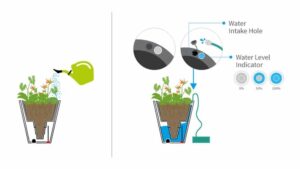
Self-watering planters have built-in reservoirs for water storage. Plants draw water up through wicks or capillary action. These planters maintain soil moisture without daily watering. They come in various sizes and styles for indoor or outdoor use. Great for people wanting low-maintenance plant care.
Troubleshooting Common Issues
Troubleshooting common issues helps keep your self-watering plant system working well. Problems like too much or too little water affect plant health. Identifying and fixing these issues quickly saves your plants from stress. Use simple checks to spot signs of trouble early. This guide covers key problems and easy solutions.
Overwatering Signs
Leaves turn yellow or feel soft and mushy. Soil stays wet for a long time. Mold or fungus may appear on soil surface. Roots may smell bad or look dark and slimy. Plants look droopy despite wet soil. These signs show the plant gets too much water. Adjust the water reservoir to reduce water supply.
Underwatering Symptoms
Leaves curl, dry, or become crispy at edges. Soil pulls away from pot edges and feels dry. Plants wilt or droop and do not perk up after watering. Growth slows, and new leaves may be small or pale. These symptoms mean the plant lacks enough water. Check the water source and refill or fix the wick system if needed.
Fixing Wicking Problems
The wick might be too short or made of unsuitable material. It can get clogged with dirt or mold. Check if the wick touches the water reservoir fully. Clean the wick or replace it with cotton or nylon string. Ensure the wick is deep enough into the soil for water to travel up. Proper wick setup keeps water flowing to the plant roots.
Additional Support Options
Plants need constant care, especially watering. Sometimes, self-watering systems alone are not enough. Extra support helps keep plants healthy and thriving. There are easy ways to provide this support. These methods ensure plants get the water they need without stress.
Asking For Plant Help
Friends or family can assist with watering. Ask someone you trust to check your plants. They can water your plants or adjust the setup. This method is simple and reliable. It also builds a caring community around your plants.
Hiring A Plant Sitter
Plant sitters offer professional care for your plants. They visit regularly to water and check plant health. This option is helpful during long trips or busy days. Plant sitters know how much water each plant needs. They keep your plants safe and happy.
Using Self-watering Pots
Self-watering pots store water and release it slowly. These pots reduce the need for daily watering. They keep soil moist for longer periods. Self-watering pots work well for busy people. Choose pots with a water reservoir for best results.

Credit: www.frugalupstate.com

Credit: www.youtube.com
Frequently Asked Questions
How To Make A Self-watering Plant System?
Create a self-watering system by placing an upside-down bottle with holes near roots. Use a cotton wick from water reservoir to soil for slow moisture. Water crystals in soil also help retain water and hydrate plants gradually.
How To Water Plants While Away For 2 Weeks?
Water plants thoroughly before leaving. Use a self-watering bottle or wick system for slow, steady moisture. Group plants in a water-filled tub away from direct sunlight. These methods keep soil moist for two weeks without daily watering.
How Do You Make Auto Watering For Indoor Plants?
Create auto watering by placing an inverted bottle with holes into soil or using a cotton wick from a water reservoir to the plant.
Is There A Way To Automatically Water Plants?
Yes, use self-watering systems like drip bottles, wicking cords, or moisture crystals for automatic plant watering.
Conclusion
A self watering plant setup supports steady growth and keeps your plants healthy with less work. You guide water from a small reservoir to the soil through a simple wick, and the plant takes the right amount each day. This setup fits houseplants, herbs, and small pots with ease. You enjoy steady moisture, clean roots, and strong leaves without extra effort. This method helps you create a smooth routine and a stress-free plant space that stays fresh and bright in any room.