How Often Should Plants Be Watered Indoors
Are you unsure about how often your indoor plants really need watering? You’re not alone.
Giving your plants too much or too little water can quickly turn your green space into a struggling one. But what if there was a simple way to know exactly when your plants are thirsty? You’ll discover easy, practical tips to read your plants’ signals and master the art of indoor watering.
By the end, you’ll feel confident in keeping your plants healthy and vibrant—without the guesswork. Ready to become your plants’ best caretaker? Let’s dive in!
Credit: www.housebeautiful.com
Watering Frequency Basics
Watering indoor plants correctly is essential for their health. The right watering frequency keeps plants happy and thriving. Understanding the basics helps avoid overwatering or underwatering. Each plant has unique water needs. Learning these basics makes indoor gardening easier and more enjoyable.
Factors Influencing Water Needs
Several factors affect how often plants need water. Soil type plays a big role. Sandy soil drains quickly, needing more water. Clay soil holds moisture longer, requiring less water. Pot size also matters. Smaller pots dry out faster. Plant size affects water use too. Larger plants generally need more water. Watch for signs like dry soil or drooping leaves to adjust watering.
Plant Type Variations
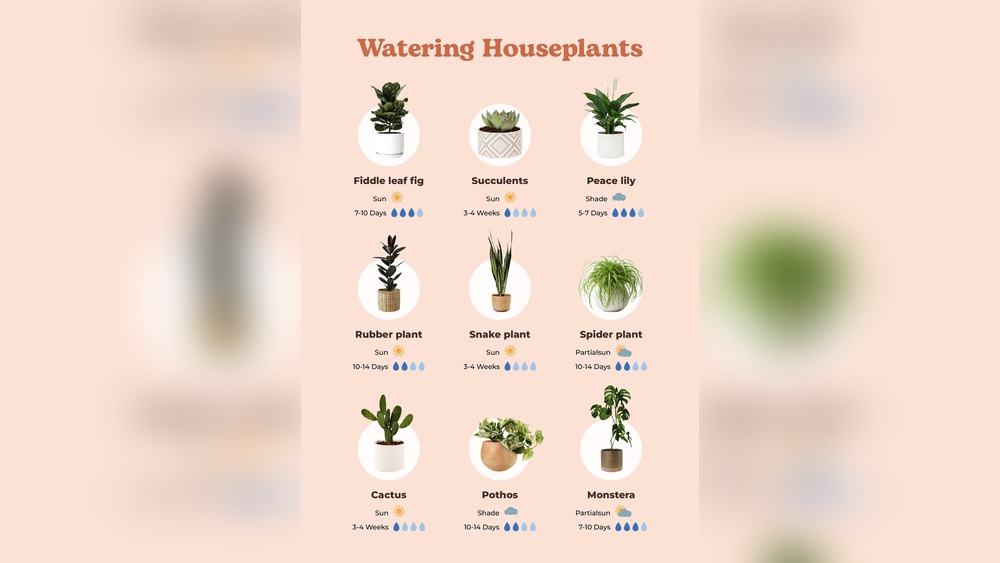
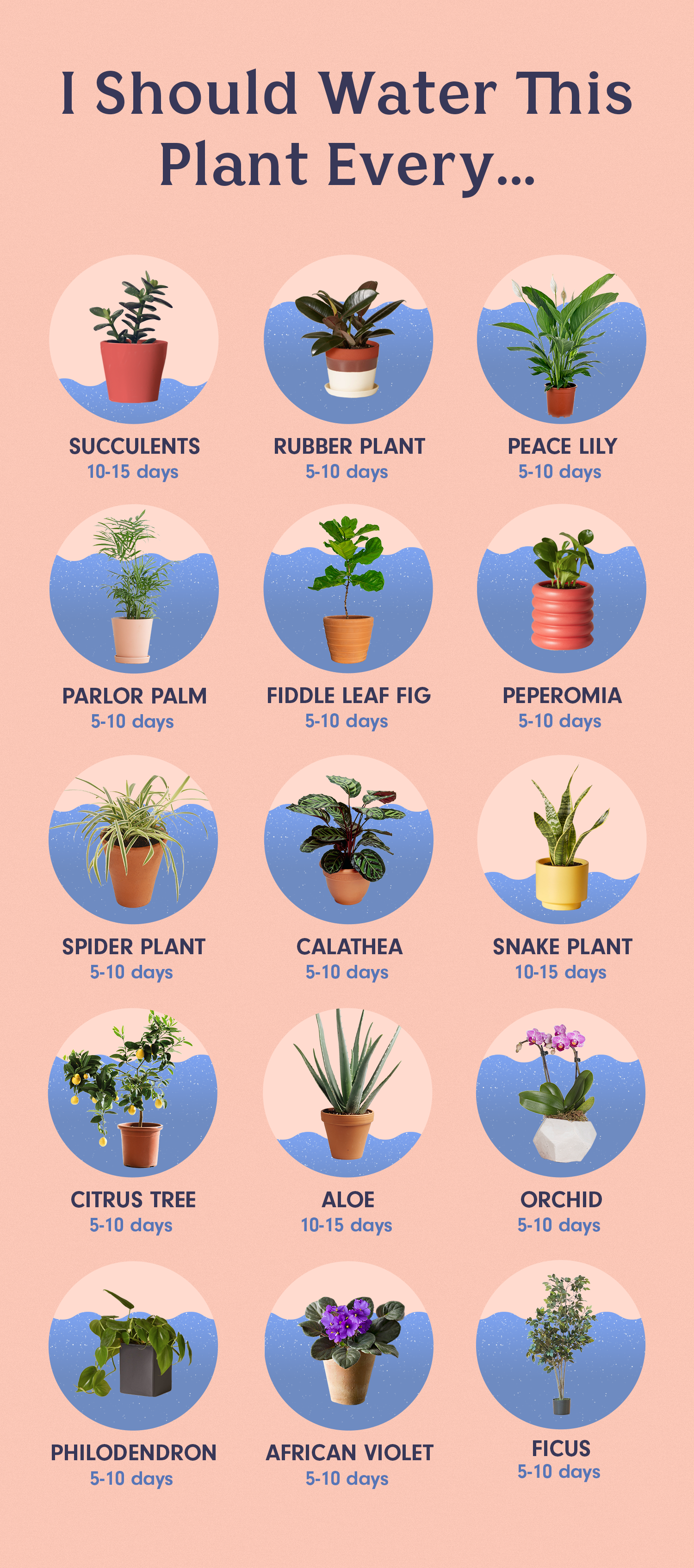
Different plants have different water needs. Succulents and cacti need water less often. They store water in their leaves and stems. Tropical plants like ferns need more frequent watering. Flowering plants also need regular moisture. Knowing your plant type helps set a watering schedule. Research your plant’s needs or check care labels to avoid mistakes.
Environmental Effects
Environment impacts how fast soil dries out. Warm rooms cause faster evaporation. Cooler rooms slow down drying. Humidity also affects watering frequency. High humidity means plants lose less water. Dry air makes plants need water more often. Light exposure changes water use too. Plants in bright light use water faster than those in shade.
Checking Soil Moisture
Checking soil moisture is key to watering indoor plants correctly. It helps avoid overwatering or underwatering. Different plants need different moisture levels. Using simple methods can guide you on when to water.
Soil moisture tells you if the roots have enough water. Testing regularly keeps your plants healthy. Here are easy ways to check soil moisture at home.
Finger Test Method
Insert your finger about two inches into the soil. If it feels dry, the plant needs water. If it is still moist, wait before watering. This method works well for most houseplants. It is quick and requires no tools.
Using Wooden Skewers
Push a clean wooden skewer deep into the soil. Pull it out and check for soil sticking to it. If the skewer is dry and clean, the soil needs water. If it has moist soil on it, watering can wait. This method is less messy than the finger test.
Moisture Meters And Their Limits
Moisture meters can measure soil moisture levels. They give a digital or needle reading. These tools help with precise watering. But meters may not work well in all soil types. Sometimes they give false readings if soil is very dense or sandy. Use meters as a guide, not the only test.
Observing Plant Signals
Indoor plants cannot speak, but they show clear signals when thirsty. Observing these signs helps you water them just right. Watching your plant closely keeps it healthy and thriving. Plants often reveal their needs through changes in leaves and pot weight. Learning to read these signs means less guessing and better care.
Leaf Drooping And Wilting
Drooping leaves often mean your plant needs water soon. Wilting happens when cells lose turgor pressure due to dryness. Leaves may hang limp or curl inward. This is an early warning to check soil moisture. Acting quickly can save your plant from stress.
Color Changes And Yellowing
Yellowing leaves can signal overwatering or underwatering. Dry soil often causes leaf tips and edges to turn yellow first. Too much water may make the whole leaf yellow and soft. Notice if new leaves stay green while old ones change color. This helps identify the cause and adjust watering.
Pot Weight Assessment
Lifting the pot tells a lot about soil moisture. A light pot usually means the soil is dry. A heavier pot means the soil still holds water. Try lifting your plant after watering to learn its normal weight. This simple test prevents overwatering and underwatering.

Credit: myplantin.com
Watering Techniques
Watering indoor plants correctly helps them grow healthy and strong. Using good watering techniques prevents problems like root rot or dry soil. Understanding when and how to water improves plant care and keeps your greenery thriving.
When To Water Thoroughly
Water plants deeply until water drains from the pot’s bottom. This ensures roots get enough moisture. Avoid light watering that only wets the surface. Wait until the top inch of soil feels dry before watering again. Check soil moisture with your finger or a wooden stick.
Avoiding Overwatering
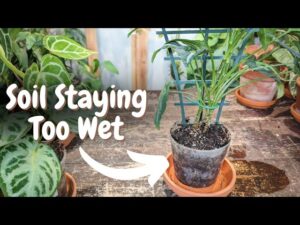
Overwatering is a common cause of plant stress and disease. Make sure pots have drainage holes to let excess water escape. Do not let plants sit in standing water. Water only when soil is dry at least one inch deep. Signs of overwatering include yellow leaves and soft stems.
Adjusting For Pot Type
Different pots affect watering needs. Clay pots dry out faster than plastic ones. Water more often if using porous pots. Plastic pots hold moisture longer and need less frequent watering. Always consider your pot material when planning your watering schedule.
Customizing Watering Schedules
Customizing watering schedules is essential for healthy indoor plants. Each plant type has unique water needs. The environment inside your home also affects watering frequency. Adjusting how often you water helps prevent overwatering or underwatering. Knowing these factors ensures your plants thrive and stay green.
Tropical Vs. Succulent Plants
Tropical plants need more frequent watering. They thrive in moist soil and humid air. Succulents store water in their leaves. They prefer dry soil and less frequent watering. Water succulents only when the soil is completely dry. Tropical plants usually need water once or twice a week.
Seasonal Adjustments
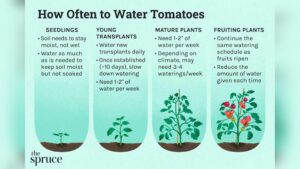
Plants need different water amounts each season. During spring and summer, they grow faster and use more water. In fall and winter, growth slows, so plants need less water. Reduce watering in cooler months to avoid root rot. Watch your plants closely for signs of dryness or overwatering.
Indoor Climate Considerations
Indoor temperature and humidity affect watering needs. Warm, dry rooms cause soil to dry faster. Cooler or humid rooms keep soil moist longer. Heating and air conditioning also change moisture levels. Adjust watering based on your home’s climate for best results.
Common Mistakes To Avoid
Watering indoor plants seems simple but many make common errors. These mistakes can harm plant health and growth. Avoiding these errors helps plants stay strong and beautiful.
Ignoring Soil Dryness
Soil dryness is the best sign of watering needs. Many people water plants without checking the soil. Wet soil can cause root rot and kill the plant. Always test soil moisture with your finger or a stick before watering.
Relying Solely On Timers
Timers are helpful but not enough. Plants have different water needs based on growth and environment. Timers can water too much or too little. Adjust watering by checking soil and plant condition regularly.
Neglecting Plant Specific Needs
Each plant species needs different water amounts. Some like moist soil, others prefer dry periods. Not knowing your plant’s needs leads to overwatering or underwatering. Learn about your plant to give proper care and water.
Helpful Tools And Tips
Watering indoor plants properly can be tricky without the right tools and know-how. Using helpful tools and following simple tips makes plant care easier and more effective. These methods help you avoid overwatering or underwatering your plants. Below are some key ways to care for your indoor plants with confidence.
Using Moisture Sensors Wisely
Moisture sensors measure the wetness of the soil in your plant’s pot. Insert the sensor into the soil to get a quick reading. This tool helps you water plants only when needed.
Choose sensors with clear displays or color codes for easy reading. Avoid relying on sensors alone; check the plant’s appearance too. Sensors can sometimes give false readings in very dry or compact soil.
Choosing The Right Potting Mix
A good potting mix holds moisture but drains excess water well. This balance prevents root rot and keeps the plant healthy. Use mixes designed for your specific plant type, like cactus soil for succulents.
Mix in perlite or sand to improve drainage if needed. Avoid garden soil; it often compacts and drains poorly in pots. Healthy soil supports your plant’s watering needs better.
Routine Care And Monitoring
Check your plants regularly for signs of water needs. Use your finger to test soil moisture about two inches deep. If it feels dry, it is time to water.
Lift the pot to feel its weight; a lighter pot means drier soil. Watch leaves for drooping, yellowing, or wilting. These signs show the plant needs attention.
Keep a watering schedule but adjust based on plant type and environment. Consistent care helps your indoor plants thrive over time.

Credit: empressofdirt.net
Frequently Asked Questions
Do Indoor Plants Need Water Every Day?
Indoor plants do not need water every day. Water only when the top two inches of soil feel dry. Check soil moisture regularly. Overwatering can harm plants. Adjust watering based on plant type, pot size, and indoor conditions.
What Are The Three Rules Of Watering?
The three rules of watering are: water deeply, water less frequently, and check soil moisture before watering.
How Do I Tell If My Indoor Plant Needs Water?
Check soil moisture by inserting your finger two inches deep; dry soil means your indoor plant needs water. Also, lift the pot—lighter weight signals dryness. Look for drooping, wilting, or yellow leaves as signs. Use these simple tests to water plants accurately and prevent overwatering.
What Are Signs Of Overwatering Plants?
Signs of overwatering plants include yellowing leaves, wilting despite wet soil, root rot, moldy soil, and slow growth.
Conclusion
Indoor plants need water based on their type and environment. Check soil moisture often to avoid overwatering. Feel the soil two inches deep or use a wooden stick for a simple test. Lift the pot to sense its weight; dry soil feels lighter.
Watch leaves for signs like drooping or yellowing. Adjust watering frequency with the seasons and room conditions. Every plant is unique, so learn what suits yours best. Consistent care keeps your plants healthy and thriving indoors. Simple checks save plants from too much or too little water.