How to Keep Plants Watered When Away: Easy Tips That Work
Planning a trip but worried about your plants drying out while you’re away? You’re not alone.
Keeping your plants healthy and hydrated during your absence can be tricky, but it doesn’t have to be stressful. Imagine coming back to vibrant, thriving greenery instead of wilted leaves and dry soil. In this guide, you’ll discover simple, effective ways to keep your plants watered—even when you can’t be there to do it yourself.
Whether you’re gone for a weekend or a couple of weeks, these easy tips will help your plants stay happy and hydrated, so you can enjoy your time away without worry. Keep reading to find out how to make sure your plants never miss a drop of water again!
Credit: www.proflowers.com
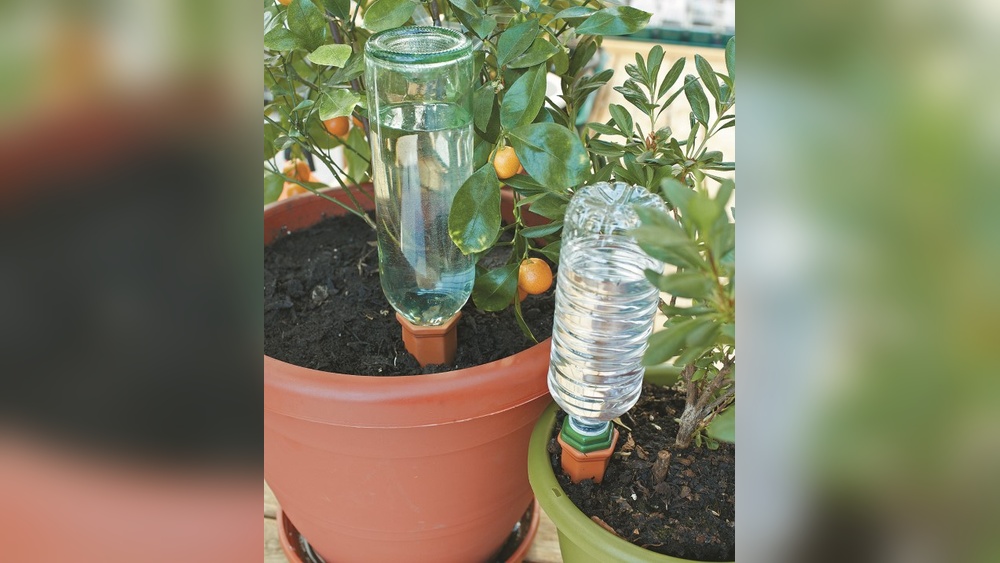
Diy Bottle Drip System
The DIY Bottle Drip System offers a simple way to keep your plants hydrated while you are away. It delivers water slowly and steadily. This method works well for indoor and outdoor plants. You only need a few common household items to create it.
Setting up this system helps prevent overwatering or drying out. Your plants stay healthy and happy during your absence. Follow these easy steps to build your own drip system quickly.
Materials Needed
- Empty plastic bottle (500ml or 1 liter)
- Sharp tool (pushpin, needle, or small knife)
- Water
- Scissors (optional)
Preparing The Bottle
Start by cleaning the empty bottle thoroughly. Remove any labels to keep it neat.
Use the sharp tool to make one or two tiny holes in the bottle cap. The holes control how fast water drips out. Smaller holes mean slower dripping.
For a gentler drip, test the holes with a little water before use.
Setting Up The Drip
Fill the bottle with clean water. Screw the cap tightly back on.
Turn the bottle upside down. Push the cap end a few inches into the soil near your plant’s roots.
Make sure the bottle stands steady and does not fall over.
Filling And Placement
Fill the bottle just before you leave. Check the soil moisture to adjust drip speed if needed.
Place the bottle where it won’t block sunlight or disturb your plant’s space.
This setup will slowly release water, keeping the soil moist for days.
Wicking Water System
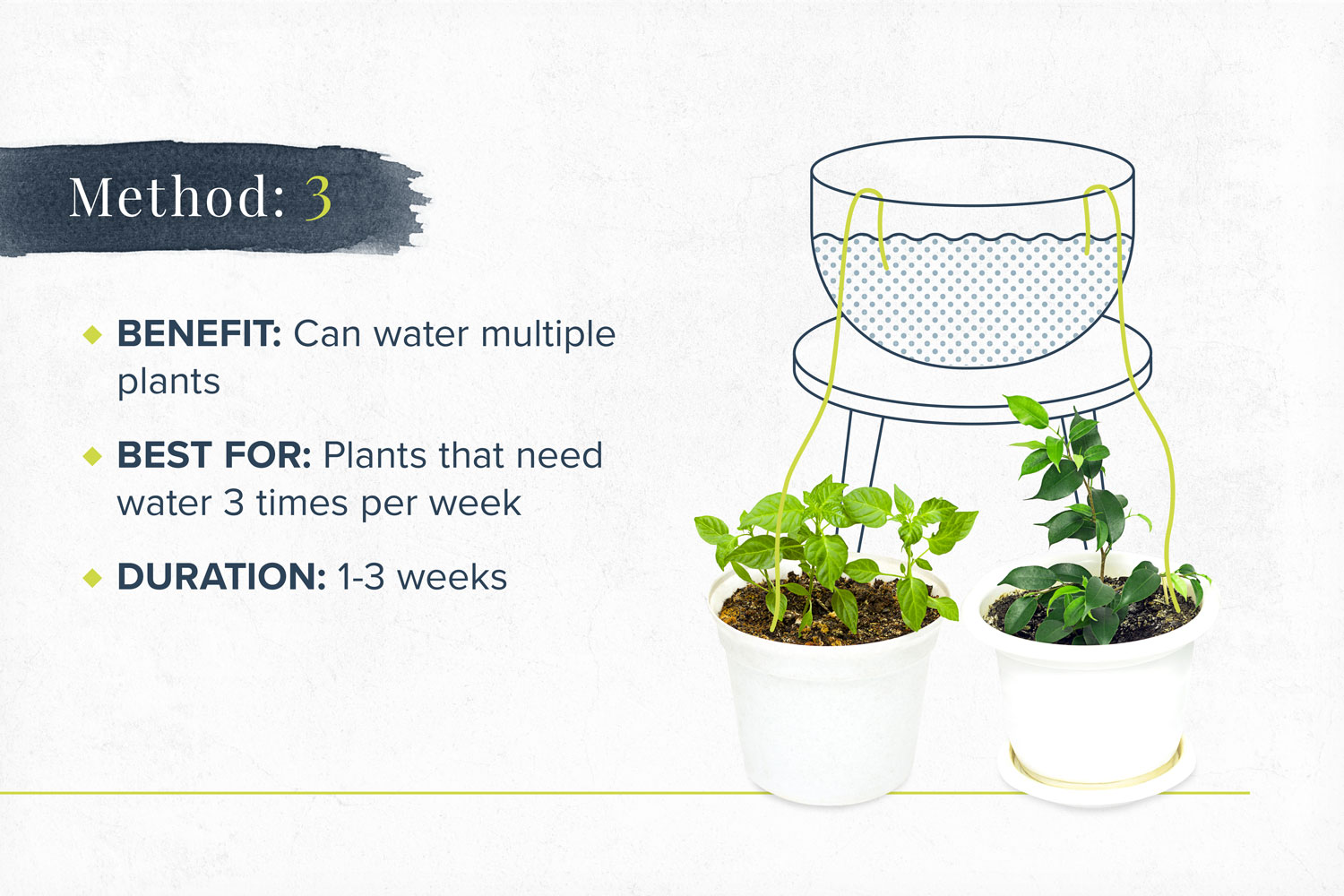
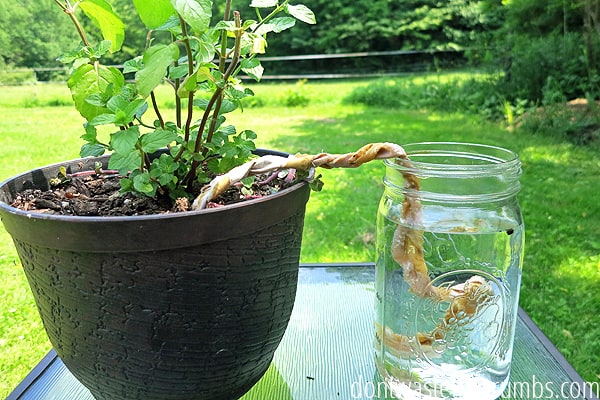
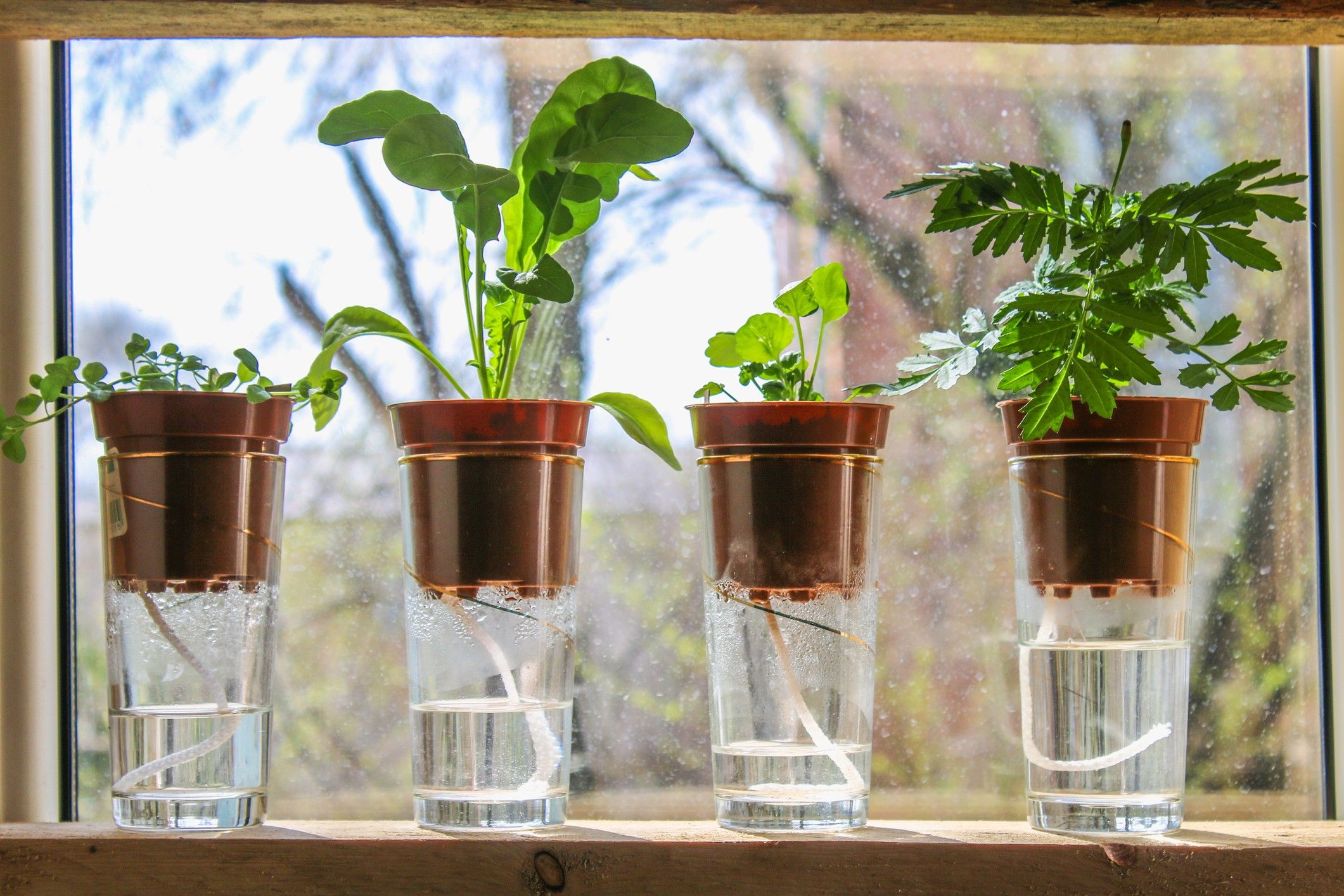
The wicking water system offers a simple way to keep plants hydrated while away. This method uses a wick to draw water from a reservoir into the soil. It works by capillary action, ensuring steady moisture without overwatering. Setting up a wicking system takes little time and uses common household items. The system suits small to medium houseplants and saves you from daily watering chores.
Choosing The Right Wick
Select a wick made of absorbent material like cotton or nylon. It should be thick enough to carry water but thin enough to fit in the soil. Avoid synthetic fibers that repel water. A shoelace or cotton string often works well. The wick length depends on the distance between the water source and plant pot.
Setting Up The Reservoir
Use a container to hold water for the plants. This can be a jar, bottle, or bowl. The container must hold enough water for your absence duration. Place it near the plant for easy wick placement. Clean the reservoir before filling to avoid algae growth. Fill it with fresh water before you leave.
Positioning The Wick
Place one end of the wick deep into the plant’s soil near the roots. Insert it about two inches into the soil for best results. Put the other end into the water reservoir, making sure it stays submerged. Avoid letting the wick dry out or float above water. Check the wick’s path to prevent kinks or bends.
Maintaining Water Levels
Fill the reservoir just before leaving to ensure a full supply. Check water levels daily if possible during short trips. For longer absences, use a larger container to hold more water. Keep the reservoir out of direct sunlight to slow evaporation. Refill the reservoir when water runs low to keep the wick working.
Reservoir And Bucket Setup
Setting up a reservoir and bucket system helps keep plants watered while you are away. This method provides a steady water supply directly to the plant roots. It reduces the risk of overwatering or underwatering. The setup is simple and uses materials you can easily find at home or in stores.
Gathering Supplies
Start by collecting a few basic items. You will need a bucket or large container for water storage. Find a smaller pot or container for the plant. Use a piece of absorbent cloth or rope for wicking water. Have scissors and a knife ready to cut materials as needed.
Assembling The Reservoir
Fill the bucket with clean water. Place it near your plant’s location. Make sure it is stable and will not tip over. The bucket will act as the main water source. It holds enough water to last for several days or weeks, depending on plant needs.
Creating The Wicking Chamber
Cut a piece of cloth or rope long enough to reach from the water in the bucket to the plant’s soil. Place one end in the water, and the other end into the plant’s pot. The cloth will slowly pull water up to the soil. This keeps the soil moist without flooding the roots.
Planting And Filling
Put your plant in the smaller pot if it is not already potted. Fill the pot with soil, leaving enough room for the wick. Insert the wick into the soil near the plant roots. Pour water into the bucket reservoir. Check that the wick stays wet and water moves to the soil.
Credit: dontwastethecrumbs.com
Using Plastic Bags For Slow Watering
Using plastic bags for slow watering helps keep plants hydrated while you are away. This method releases water gradually, preventing overwatering or drying out. It works well for potted plants and is easy to set up with simple household items.
Filling And Sealing The Bag
Start by filling a clean plastic bag with water. Use enough to last the time you will be away. Seal the bag tightly to avoid leaks. A zip-lock bag or a tied plastic bag works best. Make sure the bag holds water without dripping.
Creating A Drip Hole
Make a tiny hole in the bag for slow water release. Use a toothpick or pin to create a small opening. The hole should be small enough to drip water slowly. This controls the flow and keeps the soil moist without flooding.
Positioning For Best Results
Place the bag near the plant’s soil or hang it above the pot. Position the hole so water drips directly into the soil. Avoid placing the bag where the water might spill or evaporate quickly. Check the setup before you leave to ensure steady dripping.
Automated Self-watering Bulbs
Automated self-watering bulbs offer a smart way to keep plants hydrated during your absence. These bulbs slowly release water into the soil, ensuring plants get a steady supply without overwatering. They reduce the risk of plants drying out, especially when you cannot water them daily.
Making these bulbs at home is simple and eco-friendly. Using recycled bottles, you can create a water-saving tool that helps your plants thrive. This method saves money and cuts down on plastic waste.
Materials From Recycled Bottles
Start by gathering empty plastic bottles. Choose bottles with a narrow neck for better water flow. You also need a sharp tool like a nail or pin to make holes. Clean the bottles thoroughly before use. Using recycled materials supports sustainable gardening.
Creating The Bulbs
Make small holes near the bottle’s neck for water to drip out slowly. Fill the bottle with water and screw the cap back on tightly. Invert the bottle so the neck points down into the soil. The water will gradually seep out, keeping the soil moist. Adjust hole sizes to control water flow rate.
Using Bulbs In Pots
Insert the bulb neck a few inches deep into the potting soil near the plant roots. Ensure the bulb is stable and will not tip over. Check water level before leaving and refill if needed. These bulbs work well in small to medium pots. They help maintain soil moisture without daily care.
Tips For Preparing Plants Before Travel
Preparing your plants before a trip helps them stay healthy and hydrated. Proper preparation reduces stress on plants and keeps them thriving while you are away. Follow simple steps to get your plants ready for your travel.
Watering Thoroughly
Water your plants deeply before leaving. Make sure the soil is moist but not soggy. This gives plants enough water to last several days. Avoid watering on the day you leave to prevent root rot. Check if the pot drains well to avoid standing water.
Grouping Plants Together
Place plants close to each other to create a humid microclimate. Grouping helps plants retain moisture longer. It also makes it easier to water them all at once before you go. Arrange plants so none block sunlight from others, ensuring even light.
Choosing The Right Location
Move plants to a spot with indirect sunlight and stable temperature. Avoid direct sun that can dry soil quickly. Keep plants away from heaters, air conditioners, or drafts. A cool, shaded area is best to slow down water loss.
Additional Watering Solutions
Keeping plants watered while away can be tricky. Besides common tips, explore extra watering solutions. These options help maintain healthy plants during your absence. Choose what fits your needs and budget.
Hiring Plant Sitters
Plant sitters are people who care for plants at your home. They visit regularly to water and check on plants. This option suits those with many or delicate plants. A sitter can also prune and clean leaves. It offers peace of mind knowing someone cares for your plants.
Using Professional Services
Professional services specialize in plant care and watering. They offer scheduled visits and expert advice. These services often include plant health checks and pest control. Hiring professionals works well for offices or large collections. They ensure plants stay healthy without your presence.
Smart Plant Watering Devices
Smart watering devices automate plant watering. They release water slowly based on timers or soil moisture. Some connect to smartphone apps for easy control. These devices save time and reduce water waste. Ideal for tech lovers and busy people who want reliable care.
Credit: www.sproutl.com
Frequently Asked Questions
How Do I Keep My Plants Watered When I Am Away?
Create a self-watering system using a water-filled plastic bottle with small holes, inverted into the soil. Alternatively, use a wick from a water container to the plant’s soil for slow, steady watering while away.
How To Make A Self Waterer For Plants?
Make a self-watering system by poking holes in a plastic bottle cap. Invert and bury the bottle near roots, then fill with water to drip slowly. Alternatively, use a wick: place a water container nearby and run a string from water into soil to draw moisture as needed.
Who Can Water My Plants While On Vacation?
Friends, family, or trusted neighbors can water your plants during vacation. Automated self-watering systems also keep plants hydrated.
Can Plants Go Without Water For Two Weeks?
Most plants cannot survive without water for two weeks. Some drought-tolerant species may endure, but regular watering ensures healthy growth.
Conclusion
Keeping your plants watered while away is simple with the right tools. Use a drip bottle or wick system to deliver water slowly. These methods keep soil moist without daily care. Preparing before you leave saves your plants from drying out.
Your plants stay healthy, even if you travel for days. Try these easy ideas to relax and enjoy your trip. Remember, a little planning helps your plants thrive in your absence.