How Often Does a Snake Plant Need to Be Watered
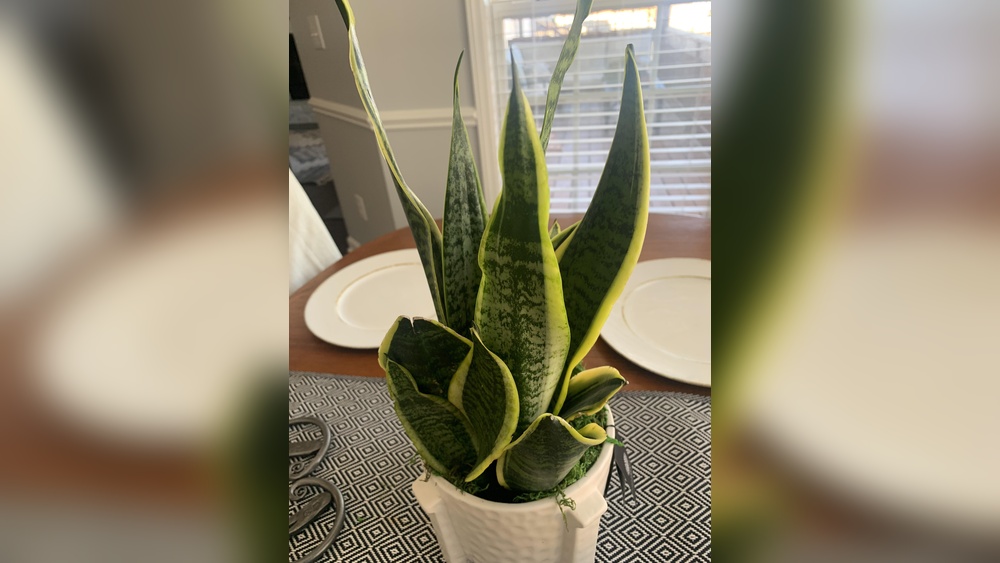
If you’ve ever wondered, “How often does a snake plant need to be watered?” you’re not alone. These popular houseplants are known for being tough and low-maintenance, but getting their watering just right can make all the difference between a thriving snake plant and a struggling one.
Too much water can cause root rot, while too little leaves your plant dry and unhappy. You’ll discover simple, easy-to-follow tips to know exactly when and how much to water your snake plant. Keep reading, and you’ll soon master the perfect watering routine that keeps your snake plant healthy and vibrant year-round.
Watering Frequency
Watering frequency plays a key role in keeping a snake plant healthy. This plant stores water in its thick leaves, so it does not need frequent watering. Overwatering can cause root rot and damage the plant. The best way to water depends on the plant’s growth phase and environment. Understanding these needs helps you avoid common watering mistakes.
Growing Season Needs
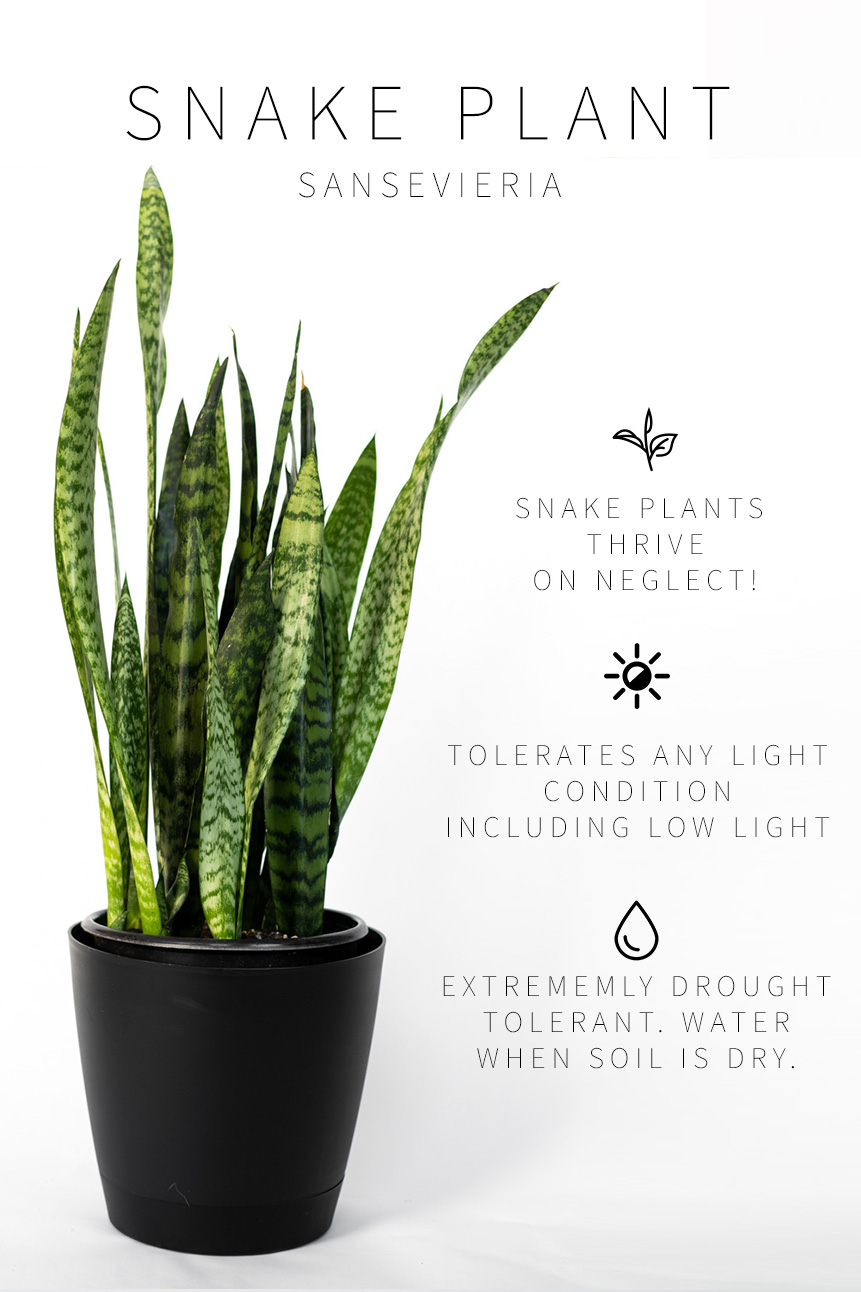
During spring and summer, snake plants grow actively. They use more water in these warmer months. Water the plant every 2 to 3 weeks. Always check if the soil is dry before watering. The top 2 inches of soil should be dry. Avoid watering if the soil is still moist. This prevents water buildup and root problems. Keep the plant in well-draining soil to help with moisture control.
Dormant Season Adjustments
In fall and winter, snake plants slow down their growth. They need less water during this time. Watering once a month or less is usually enough. Check the soil dryness carefully before watering. The plant may survive longer without water in cold months. Too much water can cause the roots to rot. Reduce watering to keep the plant safe and healthy in winter.
Soil Moisture Check
Checking the soil moisture is the best way to know when your snake plant needs water. Watering too often can harm the plant. Too little water also causes problems. A simple soil check helps keep your plant healthy. Here are easy ways to check soil moisture.
Using Your Finger
Stick your finger about two inches into the soil. Feel if the soil is dry or damp. Dry soil means your snake plant needs water. If the soil feels moist, wait a few more days. This method is quick and does not need tools.
Using Moisture Meters
Moisture meters give a clear reading of soil wetness. Insert the meter probe into the soil near the roots. The meter shows if the soil is dry, moist, or wet. It helps avoid guesswork and keeps watering just right. These meters are affordable and easy to use.
Signs Of Dry Soil
Dry soil looks cracked or pulls away from the pot edges. It feels hard and crumbly to touch. The leaves may look dull or have brown tips. These signs show the plant needs water soon. Checking soil moisture prevents stress and keeps leaves green.
Leaf Indicators
Leaf indicators reveal your snake plant’s watering needs without guesswork. Healthy leaves show proper moisture, while changes hint at issues. Observing these signs helps prevent damage and keeps the plant thriving. Watch closely for subtle shifts in leaf texture, color, and shape.
Signs Of Underwatering
Leaves develop brown, dry tips when underwatered. They may feel crispy or brittle to the touch. The plant might grow slower and appear stunted. Soil often looks hard and pulls away from the pot edges. These signs mean your snake plant needs more water soon.
Signs Of Overwatering
Leaves turn soft and mushy with too much water. Yellow patches or brown spots can appear on the foliage. The plant may develop root rot if wet soil stays too long. Soil often remains damp and smells musty. Adjust watering to avoid these problems.
Drooping Or Curling Leaves
Leaves that droop or curl signal stress from water imbalance. Both underwatering and overwatering cause these symptoms. Check soil moisture to find the real cause. Drooping leaves lose firmness and bend downward. Curling leaves twist or roll inward, needing immediate attention.
Credit: vintagerevivals.com
Common Watering Mistakes
Watering a snake plant may seem simple, but many plant owners make common mistakes. These errors can harm the plant’s health. Understanding these mistakes helps you avoid damage and keep your plant thriving.
Snake plants have specific watering needs. Giving too much or too little water can cause problems. Knowing the risks of overwatering and underwatering is essential for proper care.
Overwatering Risks
Snake plants do not like sitting in wet soil. Overwatering causes the roots to rot and die. This leads to soft, mushy leaves that may turn yellow or brown.
Root rot can kill the plant if not caught early. Waterlogged soil also invites pests and fungal infections. Always check soil moisture before watering to prevent these issues.
Underwatering Effects
Not giving enough water dries out the soil too much. The leaves may become brown and crispy at the tips. The plant can look wilted or stunted.
Prolonged underwatering weakens the snake plant. It slows growth and makes the leaves brittle. Proper watering helps keep the leaves firm and healthy.
Watering Techniques
Watering techniques play a key role in keeping your snake plant healthy. Proper watering helps avoid root rot and leaf damage. It ensures your plant gets just the right amount of moisture. Understanding how to water your snake plant is vital for its growth and longevity.
Proper Water Amount
Use enough water to moisten the soil without soaking it. Pour water slowly until it starts to drain from the bottom. Avoid leaving the plant sitting in water. Too much water can cause roots to rot. Less is often more with snake plants.
Best Time To Water
Water your snake plant during the morning hours. This allows excess moisture to evaporate during the day. Avoid watering late in the evening to prevent damp conditions. Check soil dryness before watering again. The soil should be dry at least two inches deep.
Watering Tools
Use a watering can with a narrow spout for control. This helps direct water at the base of the plant. A moisture meter can help check soil wetness. Avoid spray bottles, as misting is not effective for snake plants. Simple tools make watering easier and precise.
Environmental Factors
Environmental factors greatly affect how often a snake plant needs watering. These factors change the soil’s moisture level and the plant’s water use. Understanding these helps keep your snake plant healthy and thriving.
Impact Of Temperature
Higher temperatures make the soil dry out faster. In warm rooms or summer months, water the snake plant more often. Cooler temperatures slow down water use. During winter, reduce watering to prevent root rot.
Humidity Effects
Low humidity causes faster evaporation from the soil. Snake plants in dry air need more frequent watering. High humidity slows soil drying. In damp rooms, water less to avoid overwatering problems.
Light Exposure Influence
Bright light increases the plant’s water needs. The snake plant uses more water in direct sunlight. In low light areas, water less often. Adjust watering based on how much light your plant receives daily.
Soil And Pot Considerations
Proper soil and pot choices directly affect how often you water your snake plant. These factors control water drainage and root health. Well-chosen soil and pots prevent overwatering and root rot. They help the plant absorb water at the right rate. Understanding these basics improves your plant care routine.
Choosing The Right Soil
Snake plants need soil that drains quickly. Use a mix made for succulents or cacti. These soils have sand or perlite for good airflow. Avoid heavy, dense soils that hold too much water. Well-draining soil stops roots from sitting in water. This reduces the risk of root rot. Adding small stones or coarse sand improves drainage further.
Pot Drainage Importance
Pots must have drainage holes at the bottom. These holes let extra water escape easily. Without drainage, water pools at the roots. This causes root damage and kills the plant. Choose pots made from breathable materials like terracotta. Such pots allow moisture to evaporate faster. Always empty the saucer under the pot after watering. This avoids standing water that harms the roots.
Troubleshooting Tips
Troubleshooting watering issues with your snake plant helps keep it healthy. This guide covers common problems and simple fixes. You can save your plant from damage by acting quickly. Learn how to spot issues and revive your snake plant.
Reviving Overwatered Plants
Overwatering causes root rot and soft leaves. First, remove the plant from its pot. Check the roots for mushy, black areas. Cut off damaged roots with clean scissors. Let the plant dry for a day before repotting.
Use fresh, well-draining soil and a pot with drainage holes. Water the plant lightly after a week. Avoid watering again until the soil is dry. Keep the plant in a bright spot but out of direct sun.
Reviving Underwatered Plants
Underwatered snake plants have dry, crispy leaf tips. The soil may be hard and pull away from the pot edges. Water the plant thoroughly until water drains out. Repeat watering every few days until the soil stays moist.
Trim dry or damaged leaves to encourage new growth. Avoid letting the soil dry out completely again. Keep the plant in moderate light and avoid hot, dry places. Monitor soil moisture regularly to prevent future underwatering.
Credit: www.ourhouseplants.com
Frequently Asked Questions
How Do You Know If Your Snake Plant Needs Water?
Check the soil by inserting your finger two inches deep; dry soil means the snake plant needs water. Watch for yellowing, soft, or drooping leaves signaling watering issues. Brown, crispy tips indicate underwatering. Water more in spring and summer, less in fall and winter for healthy growth.
What Does An Overwatered Snake Plant Look Like?
An overwatered snake plant shows soft, mushy, or yellowing leaves with brown spots. Leaves may droop or curl. Soil stays damp and soggy. Roots can rot, causing decay and foul smell. Avoid frequent watering to prevent these signs.
Does A Snake Plant Need Sunlight?
Snake plants thrive in indirect sunlight but tolerate low light well. Avoid direct sunlight to prevent leaf burn. Bright, filtered light promotes healthy growth.
Where Should I Place A Snake Plant In My House?
Place your snake plant in bright, indirect light or partial shade. Avoid direct sunlight to prevent leaf burn. It thrives near windows or in well-lit rooms. Keep it away from drafts and cold areas for healthy growth.
Conclusion
Snake plants thrive with careful watering habits. Water only when the soil feels dry. Check soil moisture by inserting your finger two inches deep. Watch leaves for signs: brown tips mean underwatering; soft or yellow leaves mean overwatering. Water more often in spring and summer, less in fall and winter.
Avoid watering on a strict schedule; adjust based on the plant’s needs. Proper watering helps your snake plant stay healthy and strong. Keep these tips in mind for easy, successful care.