How Often Should Tomato Plants Be Watered
Are you wondering how often you should water your tomato plants to keep them healthy and productive? Getting the watering right can make all the difference between a bountiful harvest and struggling plants.
Too little water, and your tomatoes might wilt and dry out; too much, and you risk root damage, yellow leaves, or even disease. You’ll discover simple, practical tips to find the perfect watering balance for your tomato plants—whether you’re growing them in pots or garden beds.
Keep reading to learn how to give your tomato plants just the right amount of water to thrive all season long.
Credit: gardenerspath.com
Water Needs By Growth Stage
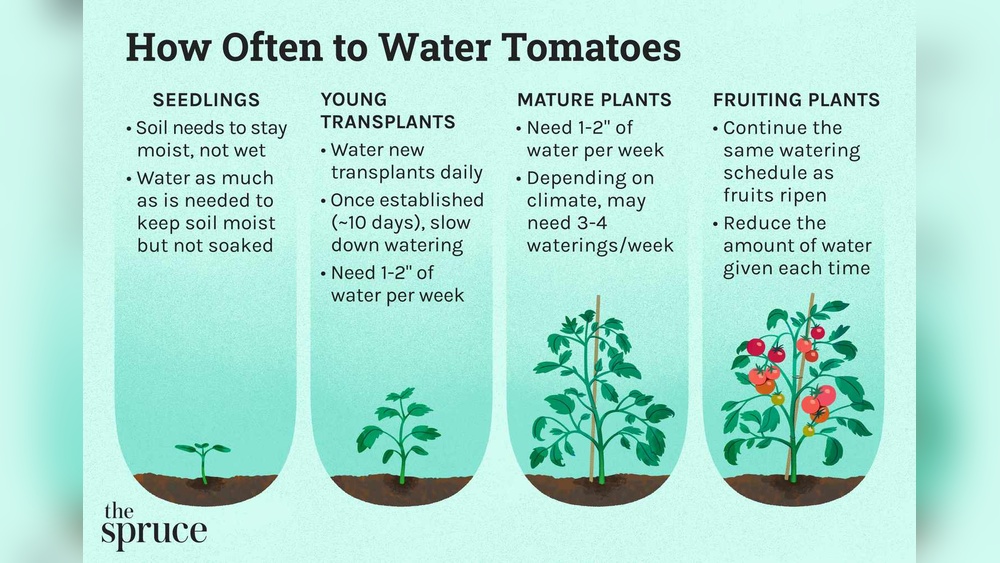
Tomato plants need different amounts of water at each growth stage. Understanding these needs helps the plant grow strong and produce healthy fruit. Watering too much or too little can harm the plant. Adjust watering based on its stage of life.
Seedlings And Transplants
Young tomato plants need consistent moisture to develop roots. Water them gently every day or every other day. Keep the soil damp but not soaked. Avoid letting the soil dry out completely. Seedlings are delicate and need steady water to grow well.
Flowering And Fruit Development
During flowering, tomato plants need more water to support blooms and fruit. Water deeply two to three times a week. The soil should stay moist but not wet. Even watering helps prevent flower drop and fruit cracking. Check soil moisture often at this stage.
Mature Plants
Mature tomato plants require less frequent watering but deeper soaking. Water once or twice a week, depending on weather and soil type. Deep watering encourages strong roots and healthy fruit. Avoid wetting leaves to prevent diseases. Mulch can help keep soil moist longer.
Signs Of Overwatering
Overwatering tomato plants is a common mistake that can harm their growth. Recognizing the signs early helps save the plant. Watch for specific symptoms that show the plant is getting too much water. These signs affect the leaves, branches, and soil condition. Knowing them helps adjust your watering schedule correctly.
Yellowing Leaves
Leaves turning yellow is a clear sign of overwatering. The soil stays too wet and roots cannot breathe. This stops nutrients from reaching the leaves. Yellow leaves often feel soft or soggy, not dry and crunchy. If many leaves turn yellow, reduce watering immediately.
Wilting Despite Moist Soil
Wilting usually means a plant needs water. Overwatered tomato plants can also wilt. Their roots get damaged by excess water and fail to absorb nutrients. The soil will feel wet, but the plant looks droopy. This wilting is a warning to cut back on watering.
Soggy Branches And Soil
Branches may look heavy and wet when overwatered. Leaves can feel limp and the stems soft. The soil stays soggy for a long time. This means water cannot drain properly. Check for poor drainage or compacted soil if branches appear soaked.
Signs Of Underwatering
Tomato plants need the right amount of water to stay healthy. Too little water causes stress and damage. Recognizing signs of underwatering helps you save your plants early. Watch closely for changes in leaves, stems, and growth patterns. These clues tell you when the plant needs more water.
Dry, Crispy Leaves
Leaves turn dry and crispy when plants lack water. They lose their bright green color and look dull. Edges of leaves may curl or become brittle. This happens because the plant cannot keep moisture in its cells. Check leaves daily for this sign.
Wilting From Lack Of Moisture
Wilting is a clear sign of underwatering. The plant looks limp and weak. Stems droop and the whole plant may bend toward the ground. Wilting happens because the plant cannot move enough water to its leaves. If you see wilting, water the plant immediately.
Slow Growth
Underwatered tomato plants grow slower than healthy ones. New leaves may be small or pale. The plant may stop producing flowers or fruit. Roots also struggle to develop without enough water. Slow growth signals that the plant is stressed and needs watering.

Credit: savvygardening.com
Best Watering Practices
Watering tomato plants correctly is key to growing healthy fruits. Best watering practices help the plants absorb water without stress. Proper watering also prevents diseases and root problems. Focus on simple techniques to keep your tomato plants thriving.
Check Soil Moisture First
Always check soil moisture before watering. Stick your finger about 2 inches deep into the soil. If the soil feels dry, it is time to water. Wet soil means the plant has enough water. Avoid watering if the soil is still moist. This prevents overwatering and root damage.
Water At The Base
Water the base of the tomato plant, not the leaves. Wet leaves can cause fungal diseases and rot. Direct water to the soil near the roots. Use a watering can or drip irrigation for best results. This method helps roots absorb water efficiently.
Water Early In The Day
Water tomato plants early in the morning. Morning watering gives plants time to soak up water before heat rises. It also reduces evaporation losses. Watering late in the day can leave soil wet overnight, inviting disease. Early watering supports healthy plant growth.
Use Mulch To Retain Moisture
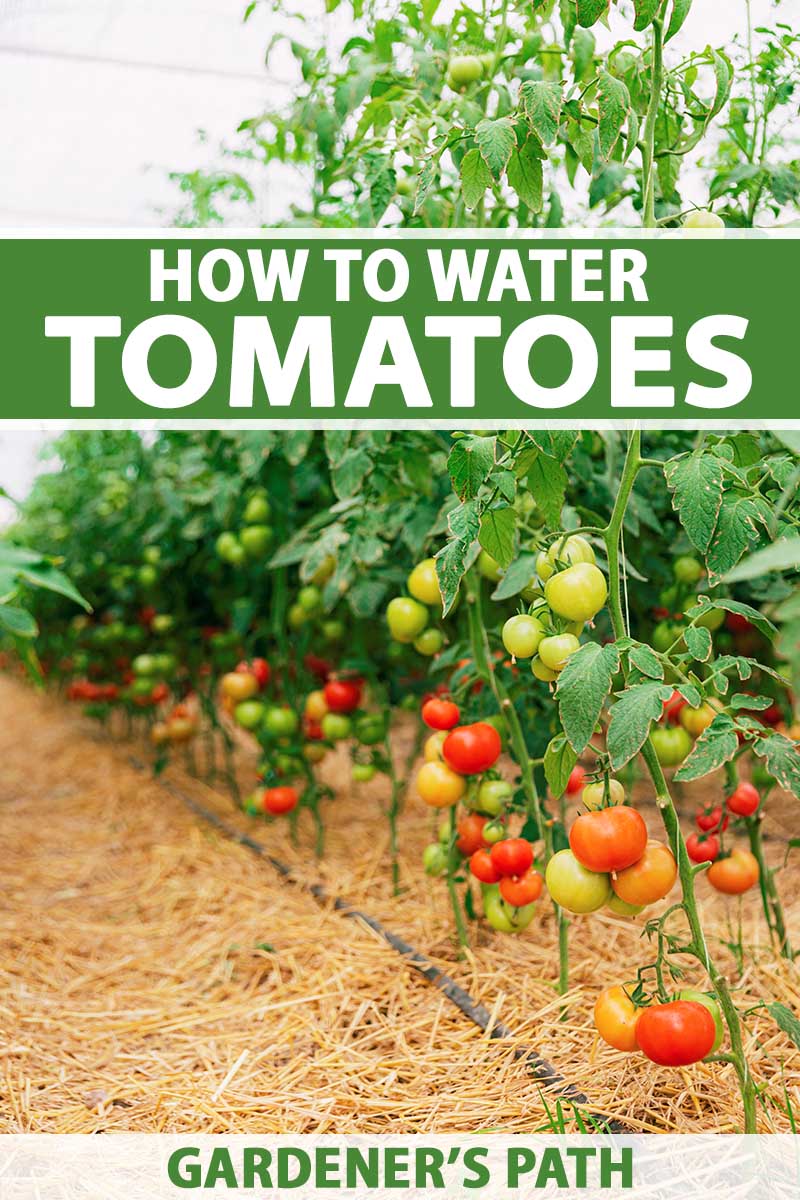
Apply mulch around the tomato plants to keep soil moist. Mulch reduces water evaporation from the soil surface. It also keeps roots cool and protects them from temperature swings. Organic mulch like straw or grass clippings works well. Mulching reduces how often you need to water.

Credit: savvygardening.com
Frequently Asked Questions
Can You Overwater Tomato Plants?
Yes, overwatering tomato plants harms roots, causes yellow leaves, and promotes disease. Water only when soil is dry.
Are You Supposed To Water Tomatoes Every Day?
Water tomatoes when the top 2-3 inches of soil feel dry. Avoid daily watering to prevent overwatering.
Can Tomato Plants Go A Week Without Water?
Tomato plants can survive a week without water but may wilt and stress. Regular watering keeps them healthy and productive.
Should I Cut Off Yellow Leaves On Tomato Plants?
Cut off yellow leaves on tomato plants to improve air circulation and prevent disease spread. Remove only severely yellowed leaves.
Conclusion
Tomato plants need regular, balanced watering to stay healthy. Check soil moisture before watering each time. Avoid watering the leaves to prevent diseases. Water early in the day for best absorption. Proper drainage and mulch help keep roots healthy. Overwatering can harm your plants, so watch for signs like yellow leaves.
Consistent care brings better tomato harvests. Keep these tips in mind for thriving tomato plants.