How to Make a Plant Self Watering: Easy DIY Guide for Lush Greens
Are you tired of constantly worrying about whether your plants are getting enough water? Imagine a simple way to keep your plants hydrated without daily effort.
Making your plant self-watering is easier than you think, and it can save you time, stress, and even money. Whether you’re often busy, travel frequently, or just want healthier plants, a self-watering system can be a game-changer for your indoor garden.
In this guide, you’ll learn easy DIY tricks to create your own self-watering setup using common household items. Keep reading to discover how to make your plants thrive effortlessly!
Diy Bottle Drip System
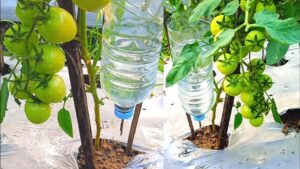
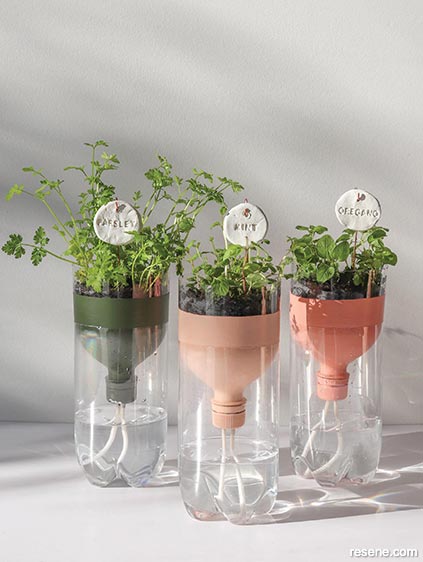
The DIY Bottle Drip System is a simple way to keep plants hydrated. It uses a plastic bottle to deliver water slowly. This system works well for houseplants and garden pots. It is cheap and easy to make. You can control the water flow by adjusting the bottle. This method helps plants stay healthy without daily watering.
Materials Needed
- Empty plastic bottle (500ml or 1 liter)
- Sharp knife or scissors
- Skewer or pin
- Water
- Plant pot with soil
Cutting And Preparing The Bottle
Start by cleaning the plastic bottle thoroughly. Use the knife or scissors to cut off the bottom. Make sure the cut is straight. Next, poke a small hole in the bottle cap with the skewer or pin. The hole controls how fast water drips out. If the hole is too big, water will flow too fast. Too small, and water may drip too slowly.
Setting Up The Drip System
Fill the bottle with water and screw the cap back on. Turn the bottle upside down. Push the open end into the soil near the plant roots. The water will drip slowly into the soil. Check the drip rate and adjust the hole size if needed. This setup provides steady moisture to your plant over time. It works well for short trips or daily care.
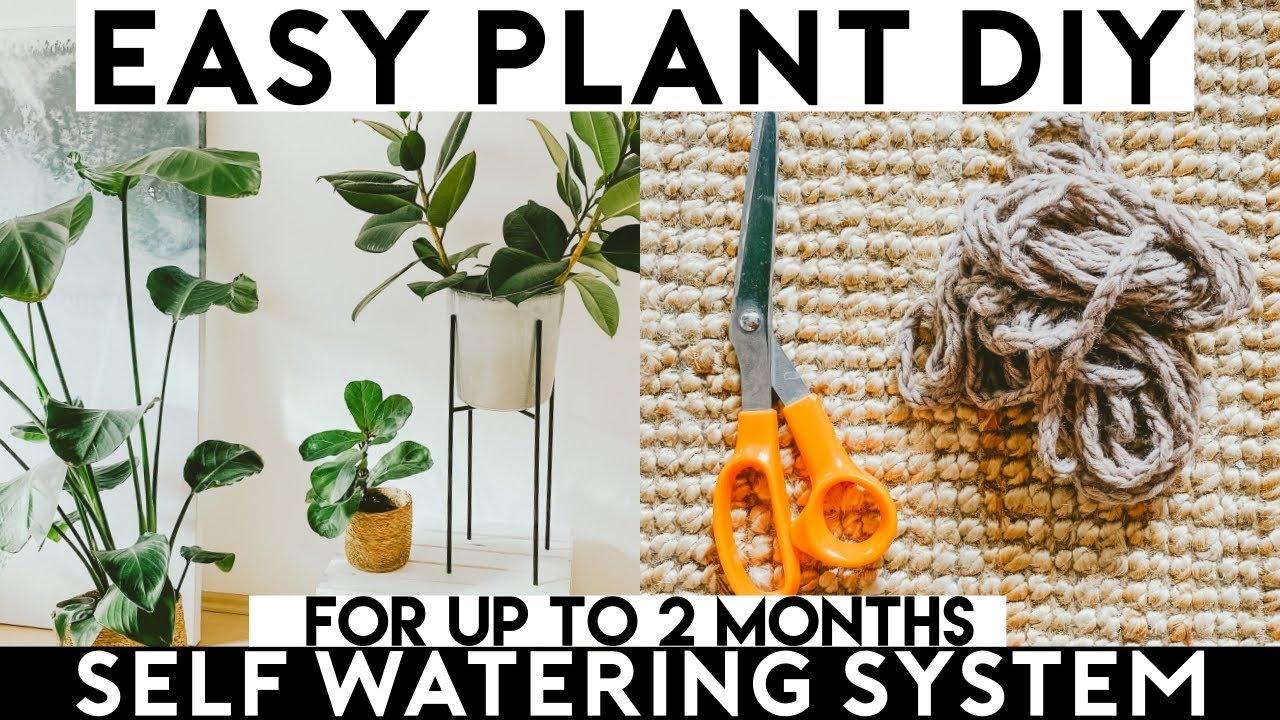
Credit: www.youtube.com
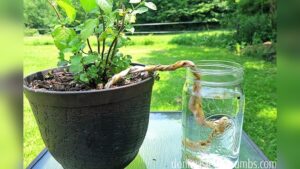
Wick Watering Method
The bathtub humidity setup is a simple, effective way to keep plants hydrated. It uses natural moisture in a small, controlled space. This method helps plants stay fresh longer without constant watering.
Creating a humid environment inside your bathtub encourages plants to absorb moisture from the air. It mimics a greenhouse effect that many tropical plants love. Setting up this system requires careful selection and preparation.
Selecting Suitable Plants
Choose plants that thrive in high humidity. Ferns, peace lilies, and orchids work well. Avoid succulents or cacti as they prefer dry air. Healthy plants adapt better to humidity changes.
Preparing The Water And Towel Base
Place a damp towel on the bathtub floor. Add a shallow layer of water beneath the towel. The towel absorbs water and slowly releases moisture. This keeps the air around plants humid without flooding their roots.
Maintaining Ideal Humidity Levels
Check the towel daily to keep it damp. Refill water as needed to maintain moisture. Open bathroom windows slightly to prevent mold. Monitor plant leaves for signs of too much or too little humidity.
Bathtub Humidity Setup
Watering globes offer a simple way to keep plants hydrated. These devices slowly release water into the soil. They help maintain moisture without daily watering. Ideal for busy people or those who travel often. Watering globes create a self-watering system that supports healthy plant growth.
Types Of Globes
Glass globes are common and visually appealing. They come in different shapes and sizes. Plastic globes are durable and less likely to break. Some globes have decorative tops for added style. Choose a globe size that matches your plant pot.
How To Use Them Effectively
Fill the globe with water before inserting it into soil. Push the tip gently into the soil near the plant roots. The water will slowly seep out as the soil dries. Use more than one globe for larger pots or thirsty plants. Place globes away from direct sunlight to reduce evaporation.
Maintenance Tips
Clean globes regularly to prevent algae buildup inside. Use a bottle brush or soak them in vinegar solution. Check water levels often and refill as needed. Remove globes during heavy rain to avoid overwatering. Inspect for cracks and replace damaged globes promptly.
Credit: www.resene.co.nz

Credit: www.youtube.com
Frequently Asked Questions
How To Make Your Plants Self-watering?
Create a self-watering system by cutting a bottle’s bottom, poking a hole in the cap, and placing it upside down in soil. Water slowly seeps out, keeping plants hydrated. Alternatively, use a wick from a water source to soil for gradual watering.
How To Make Automatic Plant Watering?
Create an automatic plant watering system by using a plastic bottle with holes, inverted in soil to drip water slowly. Alternatively, use a wick from a water container to soil. Timed sprinklers or drip irrigation systems also provide efficient automatic watering for plants.
How Can I Keep My Plants Watered While I’m Away?
Use self-watering methods like plastic bottle drip systems or wick setups. Place plants on a damp towel for humidity. For longer trips, try timed sprinklers, drip irrigation, or ask someone to water your plants. Self-watering planters and watering globes also help maintain moisture while away.
Can I Use A Wine Bottle To Self Water Plants?
Yes, you can use a wine bottle to self-water plants. Invert the bottle with small holes in the cap and place it in the soil. Water slowly seeps out, keeping soil moist and plants hydrated. This DIY method is simple, effective, and eco-friendly.
Conclusion
Creating a self-watering system for your plants saves time and effort. Simple tools like bottles or wicks can keep soil moist. This helps plants stay healthy, even when you are busy or away. Experiment with different methods to find what works best.
Consistent moisture supports strong roots and vibrant leaves. Start today and enjoy easier plant care. Your plants will thank you with steady growth and beauty.