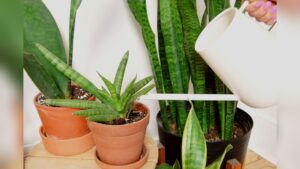
How Often Should Spider Plants Be Watered
Are you wondering how often you should water your spider plant to keep it healthy and vibrant? Getting the watering routine right is key to ensuring your spider plant thrives without struggling with root rot or dry leaves.
You might have heard different advice, but the truth is, the watering frequency depends on a few simple factors you can easily check at home. You’ll discover exactly when and how to water your spider plant, so it stays lush and happy all year round.
Keep reading to learn the easy steps that will make caring for your spider plant a breeze!
Credit: www.ohiotropics.com
Spider Plant Water Needs
Spider plants have simple water needs but require attention to soil moisture. Proper watering keeps the plant healthy and vibrant. Overwatering or underwatering can harm the spider plant’s leaves and roots.
Knowing how to check soil moisture and recognizing watering issues helps you care for your spider plant well. Water needs vary by season and environment, so watch your plant closely.
Soil Moisture Check
Always check the soil before watering. Stick your finger about two inches into the soil. If it feels dry, your spider plant needs water. If it still feels damp, wait a few days and check again. This method prevents overwatering and root rot.
Signs Of Overwatering
Yellowing leaves are a common sign of too much water. Soft, mushy roots also mean overwatering. The soil may smell sour or rotten. Leaves might droop even though the soil is wet. Reduce watering and improve drainage to fix this.
Signs Of Underwatering
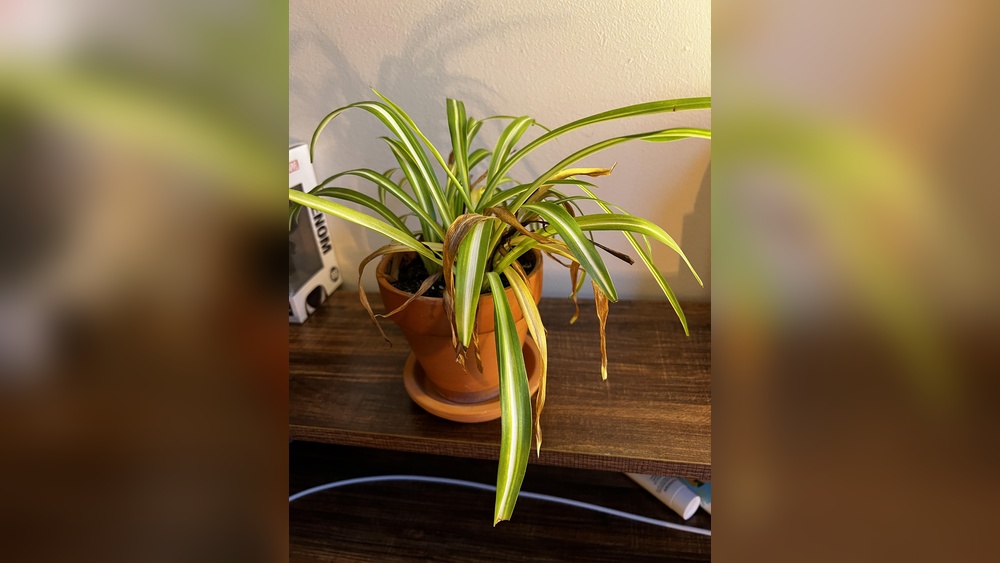
Brown leaf tips and curling leaves show your plant lacks water. The soil will feel very dry and pull away from the pot edges. The plant may look wilted and weak. Increase watering frequency and ensure water reaches the roots deeply.
Watering Frequency
Watering frequency plays a key role in keeping spider plants healthy. Overwatering or underwatering can harm their growth. Knowing how often to water depends on soil moisture, seasons, and the indoor environment. Proper watering helps spider plants grow lush leaves and produce baby plantlets.
Weekly Watering Routine
Spider plants generally need water once a week. Check the soil before watering. The top one to two inches should feel dry. If the soil is still moist, wait a few days. Water thoroughly until it drains from the pot’s bottom. Avoid leaving the plant in standing water.
Seasonal Adjustments
Water needs change with the seasons. In warmer months, spider plants dry out faster. They may require watering twice a week. During winter, growth slows down. Water less often, about every two weeks. Always check the soil moisture before watering.
Impact Of Indoor Climate
Indoor temperature and humidity affect watering frequency. Dry air causes soil to dry quickly. Homes with heaters or air conditioners need more frequent watering. Rooms with higher humidity require less water. Adjust watering based on how fast the soil dries in your home.
Watering Techniques
Proper watering techniques keep spider plants healthy and vibrant. Knowing how to water your plant helps avoid root rot and dryness. This section covers effective watering methods for spider plants. Simple steps ensure your plant gets just the right amount of water.
Top Watering Method
Water the soil surface evenly until water drains from the pot’s holes. Use room temperature water to avoid shocking roots. Let excess water flow out completely to prevent soggy soil. Check soil moisture before watering again. This method helps keep the soil moist without overwatering.
Bottom Watering Method
Place the pot in a shallow dish filled with water. Let the plant absorb water through drainage holes. Keep the pot in the water for about 15 to 30 minutes. Remove the pot and let excess water drain away. This technique encourages strong root growth and prevents overwatering.
Ensuring Proper Drainage
Use pots with drainage holes to avoid water buildup. Add a layer of small stones or gravel at the bottom for better drainage. Avoid letting the pot sit in standing water for long periods. Well-drained soil helps prevent root rot and keeps the plant healthy. Proper drainage is key for spider plant care.
Light And Environment
Light and environment play a key role in how often you water your spider plant. These factors affect the soil moisture and the plant’s water needs. Understanding the right light and temperature helps keep your plant healthy. It also prevents overwatering or underwatering, common problems with spider plants.
Ideal Light Conditions
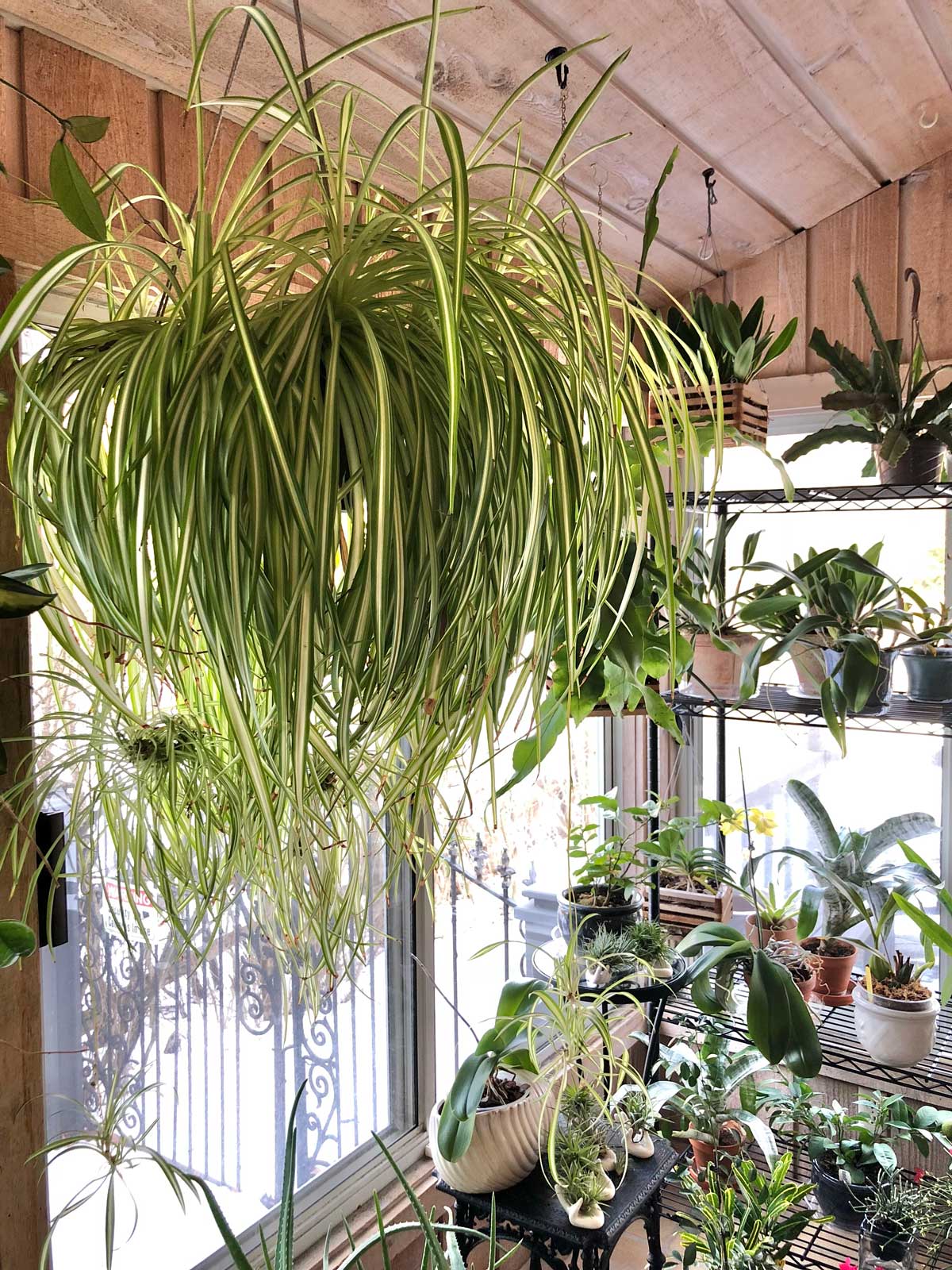
Spider plants thrive in bright, indirect light. This means they do well near windows but out of direct sunlight. East or west-facing windows are perfect spots. Bright, indirect light helps the plant grow strong leaves and produce baby plantlets. In low light, growth slows down, and the plant may not look its best. Consistent light levels keep your spider plant happy and healthy.
Avoiding Direct Sunlight
Direct sunlight can harm spider plants. The intense sun burns their leaves, turning them yellow or brown. Avoid placing the plant where it gets strong afternoon sun. If you see leaf scorch, move the plant to a shadier spot. Indirect light protects the leaves and keeps them green and vibrant. This also reduces the plant’s water needs because the soil dries slower without hot sun.
Temperature Effects
Spider plants prefer temperatures between 55°F and 80°F (13°C to 27°C). Cooler temperatures slow growth and reduce water needs. Too cold, and the plant may suffer damage. Too hot, and it dries out faster, needing more frequent watering. Keep the plant away from drafts, heaters, and air conditioners. Stable temperatures help maintain proper soil moisture and reduce watering mistakes.
Water Quality
Water quality plays a key role in the health of your spider plant. The type of water you use affects growth and leaf condition. Not all water sources are ideal for spider plants. Understanding the effects of different water types helps keep your plant vibrant and strong.
Effects Of Tap Water
Tap water often contains minerals and chemicals. Chlorine and fluoride are common additives. These substances can build up in the soil over time. High mineral content may cause leaf tips to turn brown. Some spider plants are sensitive to hard water. Using tap water without treatment might stress your plant.
Using Rainwater Or Distilled Water
Rainwater is soft and free from chemicals. It is a natural choice for watering spider plants. Distilled water is another good option. It lacks minerals and impurities found in tap water. Both rainwater and distilled water reduce the risk of mineral buildup. These options help spider plants absorb nutrients better.
Preventing Brown Leaf Tips
Brown tips often signal poor water quality. To prevent this, avoid using hard tap water directly. Let tap water sit for 24 hours to allow chlorine to evaporate. Regularly flushing soil with clean water can remove excess salts. Choosing rainwater or distilled water lowers the chance of brown tips. Proper watering habits keep your spider plant healthy and green.

Credit: greg.app
Maintaining Plant Health
Maintaining the health of your spider plant involves more than just watering. It requires attention to different factors that affect its growth. Understanding these elements helps keep your plant vibrant and strong. Small changes in care can make a big difference in its well-being.
Monitoring Leaf Color
Leaf color is a clear sign of your plant’s health. Bright green leaves mean the plant is happy. Yellow or brown leaves suggest watering issues. Overwatering causes yellowing and soggy soil. Underwatering results in dry, brown leaf tips. Check leaves regularly to adjust watering as needed. Healthy leaves reflect proper care.
Adjusting Care For Growth Stages
Spider plants need different care at each growth stage. Young plants need less water than mature ones. During active growth in spring and summer, water more often. In fall and winter, reduce watering frequency. Watch for new shoots and baby plants to adjust care. Matching water needs to growth helps the plant thrive.
Pot Selection And Soil Type
Choosing the right pot affects watering and root health. Use pots with drainage holes to prevent water buildup. Well-draining soil keeps roots dry and healthy. Avoid heavy, compact soils that hold too much water. Light, airy soil mixes with peat or perlite work best. Proper pot and soil keep moisture balanced for the spider plant.
Credit: www.ohiotropics.com
Frequently Asked Questions
Do Spider Plants Need Direct Sunlight?
Spider plants thrive in bright, indirect sunlight and do not need direct sunlight. Direct sun can scorch their leaves.
How Often Should I Water Indoor Spider Plants?
Water indoor spider plants about once a week. Check soil moisture by feeling 1-2 inches deep. Water only when soil is dry to avoid root rot. Adjust watering frequency based on temperature and season, watering more in warm months and less in cooler months.
Should I Cut The Brown Tips Off My Spider Plant?
Cut brown tips off your spider plant to improve appearance and prevent disease. Use clean scissors and trim carefully.
Do You Water A Spider Plant From The Top Or Bottom?
Water spider plants from the top by moistening all soil evenly. Ensure excess water drains to prevent root rot. Bottom watering is possible but less common.
Conclusion
Spider plants need watering about once a week. Always check soil moisture first. Water only when the top two inches feel dry. Avoid overwatering to prevent root rot. Adjust watering frequency with seasonal changes. Warmer months require more water, cooler months less.
Proper watering keeps spider plants healthy and vibrant. Follow these simple steps for best results. Your spider plant will thrive with the right care.