Should Plants Be Watered before a Freeze: Essential Care Tips
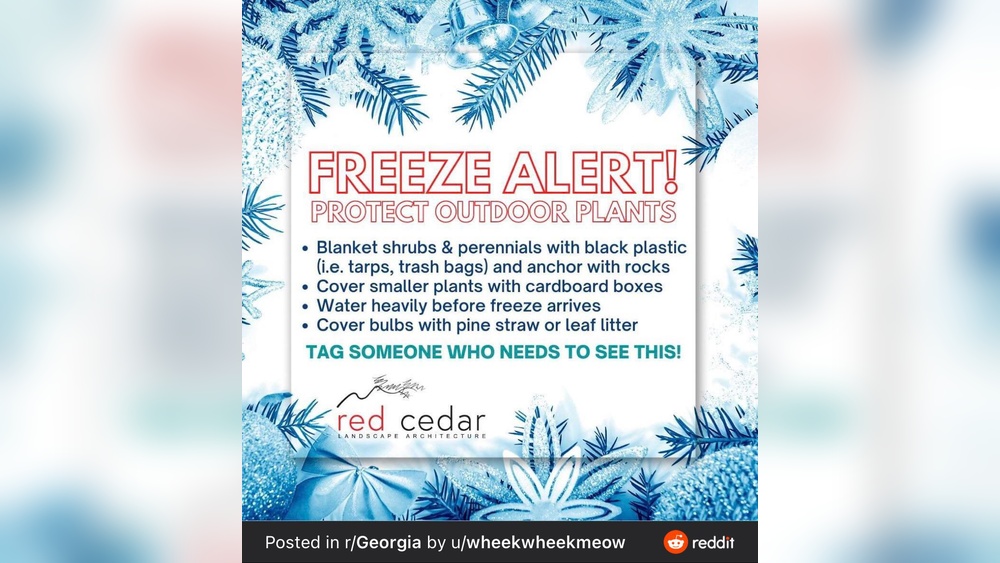
When the temperature starts to dip and a freeze is on the horizon, you might wonder: should you water your plants before the cold hits? It’s a simple question, but the answer can make a big difference for the health of your garden.
Watering at the right time can help your plants survive the freeze, while watering at the wrong time might cause more harm than good. If you want to protect your plants and keep them thriving through the cold, read on to discover exactly when and how to water before a freeze—and why this small step can save your green friends from winter damage.
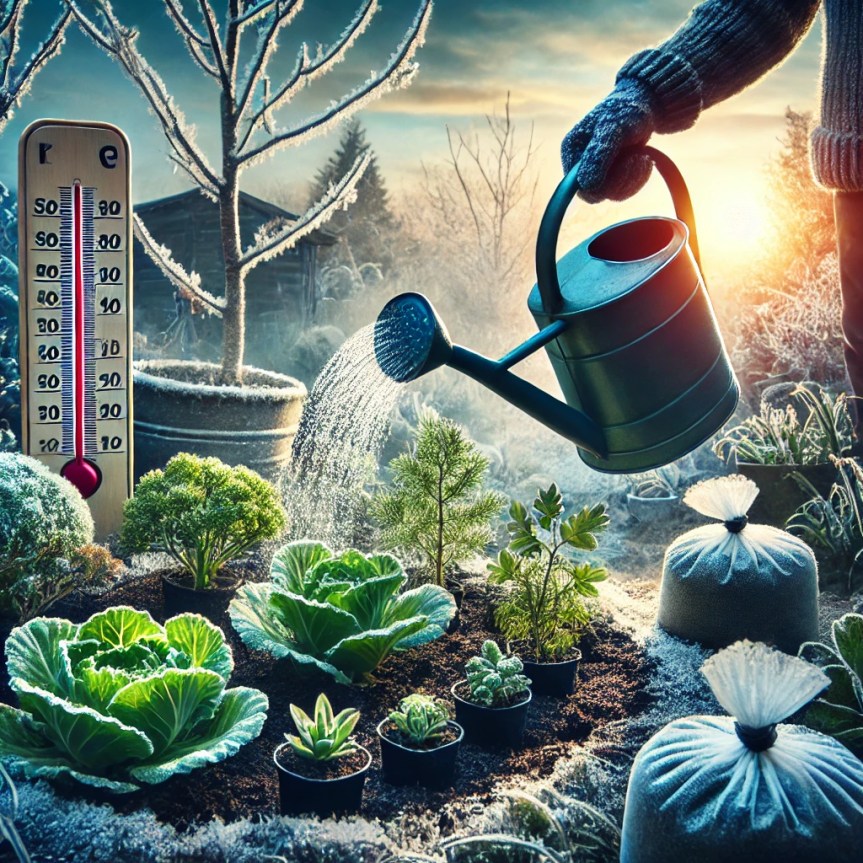
Credit: keaneandcoastal.com
Watering Risks Before A Freeze
Watering plants before a freeze can be risky. The cold weather changes how water affects plants and soil. Understanding these risks helps protect your garden during cold snaps.
Water can turn into ice and harm plants instead of helping them. Knowing the effects of frozen water, root damage, and frozen ground is important for healthy plants.
Frozen Water Effects
Water applied before freezing temperatures often turns into ice. Ice blocks water from reaching plant roots. Plants may suffer from dehydration even if the soil looks wet.
Frozen water can also create sharp ice crystals. These crystals can damage delicate root cells. This damage reduces the plant’s ability to absorb nutrients and water.
Root Damage Concerns
Freezing water in the soil can cause serious root damage. Ice expands and pushes against roots, causing cracks and breaks. Damaged roots cannot support plant growth well.
Roots injured by freezing water take longer to recover. Some plants may not survive severe root damage. Avoid watering too close to freezing times to protect roots.
Impact Of Frozen Ground
When the ground freezes hard, it stops absorbing water. Water poured on frozen soil simply pools on the surface. This water can freeze and create slippery, icy patches.
Frozen ground means watering is ineffective and wastes water. It also increases risks of ice damage to plants. Check soil softness before watering to avoid frozen ground problems.
Optimal Timing For Watering
Watering plants before a freeze can help protect them from winter damage. The key is choosing the right time to water. Proper timing allows water to reach the roots and supports the plant during cold stress. Water too late, and the water may freeze, harming the plant instead of helping it. Understanding when to water can make all the difference in plant survival during freezing weather.
Watering In The Morning
Water plants early in the morning on a cold day. This timing gives the soil time to absorb water. It also allows the water to soak deeply before temperatures drop at night. Morning watering helps plants stay hydrated and reduces the risk of water freezing around roots.
Checking Ground Softness
Test the soil before watering by pressing it with your finger. Soft soil means it can still absorb water. Hard or frozen soil will not soak up water well. Avoid watering frozen ground because the water will not reach the roots and may cause damage.
Watering Before The Freeze
Water plants a day or two before a freeze hits. This timing helps roots absorb moisture and nutrients. Well-hydrated plants handle cold better. Avoid watering during or after the freeze because frozen water can harm roots and plant tissues.
Watering Techniques For Cold Weather
Watering plants before cold weather needs care and the right methods. Proper watering helps plants survive freezing temperatures. It keeps roots hydrated and healthy. Wrong watering can cause harm during a freeze. Use techniques that protect plants and soil.
Deep And Slow Watering
Water plants deeply to reach roots. Slow watering lets water soak into the soil. This helps roots get enough moisture. Avoid quick watering that stays on the surface. Deep watering strengthens plants before cold hits.
Avoiding Leaf Wetness
Keep leaves dry when watering before a freeze. Wet leaves can freeze and get damaged. Water only the soil near the plant base. Use a watering can or drip irrigation. Dry leaves reduce the risk of frost injury.
Watering Frequency Until Freeze
Water plants several days before the freeze. This gives roots time to absorb moisture. Do not water on the day of the freeze. Soil freezes quickly then water cannot soak in. Adjust watering based on soil moisture and weather forecasts.
Protective Measures For Plants
Protecting plants before a freeze helps reduce damage and improves their survival chances. Taking simple steps can shield roots and leaves from harsh cold. These measures preserve moisture and warmth around the plant.
Applying Mulch
Mulch acts as insulation for the soil and roots. A thick layer keeps the ground warmer and reduces frost effects. Use straw, leaves, or wood chips to cover the base of plants. Mulch also holds soil moisture, which helps plants stay healthy.
Using Breathable Covers
Cover plants with breathable fabrics to trap heat and block frost. Materials like frost cloth or old sheets work well. Avoid plastic covers that hold moisture and can freeze on plants. Remove covers during the day to allow sunlight and air circulation.
Adding Supplemental Heat
Heat sources like string lights or small heaters can raise temperatures around plants. Use low-wattage bulbs to avoid burning leaves. Place heat safely to prevent fire risks. Supplemental heat works best for sensitive or young plants in pots or small gardens.
Special Care For New And Sensitive Plants
New and sensitive plants need extra care before a freeze. Their roots and leaves are still developing. Cold weather can cause serious damage to these fragile plants. Proper watering helps them survive low temperatures. Giving the right amount of water supports their health. It also strengthens their resistance to frost. Understanding how to care for different plants can make a big difference in winter survival.
Hydrating Newly Planted Trees
Newly planted trees have shallow roots that dry out quickly. Watering deeply before a freeze keeps soil moist. Moist soil holds heat better than dry soil. This warmth protects roots from freezing damage. Avoid watering when the ground is frozen solid. Early morning watering lets trees absorb moisture before cold nightfall. Keep watering regularly until the ground freezes hard.
Caring For Evergreens
Evergreens lose water through their needles in winter. They need water before a freeze to prevent dehydration. Dry winter winds make this problem worse. Watering the soil around evergreens helps maintain moisture. Avoid wetting the needles directly to reduce ice damage. Check soil moisture regularly and water when dry. A well-hydrated evergreen stands a better chance against frost.
Adjusting Watering Based On Plant Type
Different plants need different watering methods before a freeze. Succulents and cacti require less water to avoid root rot. Flowering plants may need more frequent watering to stay healthy. Pay attention to each plant’s usual water needs. Avoid overwatering, which can cause frozen roots and damage. Water slowly and deeply to reach the roots. Tailoring watering to each type ensures better freeze protection.
Credit: www.homesandgardens.com
Frequently Asked Questions
What Temperature Is Too Cold To Water Plants?
Watering plants below 32°F (0°C) risks freezing water in soil, damaging roots and blocking absorption. Avoid watering when soil is frozen solid.
How To Prepare Plants For Freeze?
Water plants deeply a day before freeze and apply mulch to retain soil warmth. Cover plants with breathable fabric. Remove covers when temperatures rise.
Should You Water Before The First Frost?
Water plants in the late afternoon before the first frost to help roots absorb moisture. Avoid watering when temperatures drop below freezing.
Should I Still Water My Plants In October?
Water your plants in October if the soil is dry and not frozen. Water deeply in the morning to help roots absorb moisture before colder nights. Avoid watering if the ground is frozen or temperatures drop below freezing to prevent root damage.
Conclusion
Watering plants before a freeze can help protect their roots. Moist soil holds heat better than dry soil. Water deeply during the day to avoid frozen water. Never water frozen ground; it cannot absorb moisture. Proper watering supports plant health in cold weather.
Remember, timing and soil condition matter most. Taking these steps reduces freeze damage risks. Keep your garden safe and healthy through winter.