How Often Should Tomatoe Plants Be Watered: Expert Tips Revealed
If you want juicy, healthy tomatoes, knowing how often to water your tomato plants is key. Too little water, and your plants will struggle; too much, and you risk root rot and weak growth.
So, how do you find the perfect balance? You’ll discover simple tips to keep your tomato plants happy and thriving, no matter where you live or the season. Keep reading to unlock the secrets of watering your tomatoes just right—and watch your garden flourish like never before.
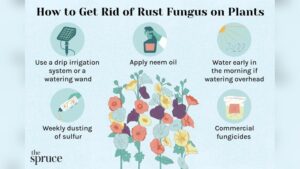
:max_bytes(150000):strip_icc()/GettyImages-1266067408-604c5d82922d4a95bd7322f1f20b1026.jpg)
Credit: www.thespruce.com
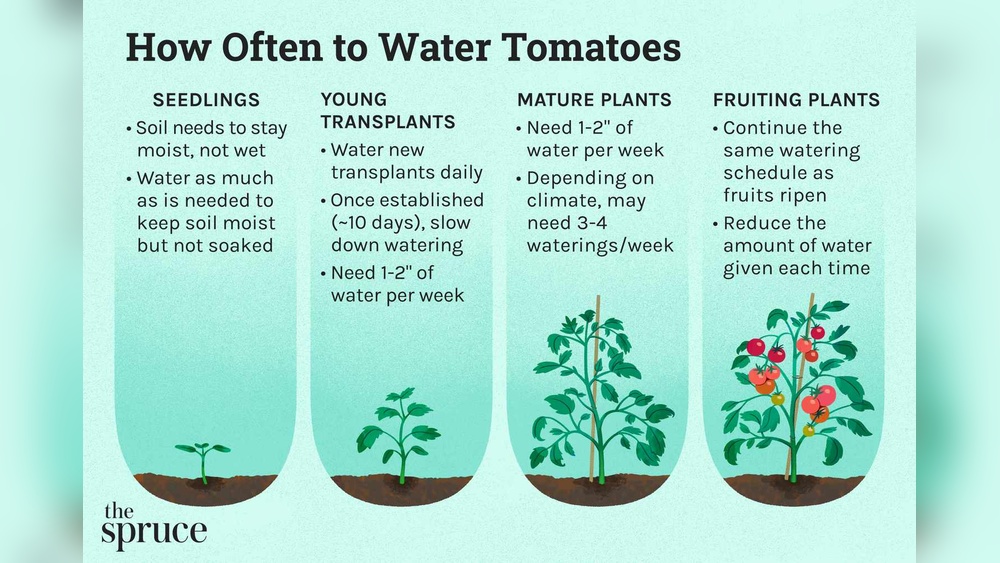
Water Needs By Growth Stage
Tomato plants have different water needs at each growth stage. Understanding these needs helps you avoid overwatering or underwatering. Proper watering supports strong roots, healthy leaves, and juicy fruits. Adjust water amounts as the plant grows to keep it thriving.
Watering Seedlings And Young Plants
Seedlings need frequent but light watering. The soil must stay moist but not soaked. Water gently to avoid washing away seeds or damaging roots. Water every day or every other day, depending on soil dryness. Young plants have small roots and need consistent moisture to grow strong.
Adjusting Water For Mature Tomatoes
Mature tomato plants need less frequent but deeper watering. Water the soil slowly to reach the roots. Water two to three times a week, more in hot weather. Avoid wetting leaves to prevent diseases. Deep watering encourages strong root growth and healthier plants.
Watering During Fruit Development
During fruit growth, tomato plants need steady moisture. Uneven watering causes fruit cracking or poor taste. Water deeply once or twice a week, depending on rain and heat. Keep soil moist but not soggy. Mulch helps keep soil moisture stable and reduces watering frequency.
Soil And Climate Impact
Tomato plants need different watering schedules based on soil type and climate. Both factors affect how much water the plants retain. Understanding soil and climate helps set the right watering routine. This section covers key points to guide your watering practices.
Effects Of Sandy Vs Clay Soil
Sandy soil drains water quickly. It does not hold moisture well. Tomato plants in sandy soil need more frequent watering. Clay soil holds water longer. It can stay wet for days after rain. Water less often but check soil moisture to avoid overwatering.
Adapting Watering To Temperature And Humidity
Hot temperatures increase water needs. Plants lose water faster through leaves. Water tomato plants more often in heat. High humidity slows evaporation. Plants may need less water on humid days. Adjust watering based on daily weather changes.
Rainfall And Natural Moisture Considerations
Rainfall reduces the need for watering. Count recent rain before watering tomatoes. Natural moisture in soil helps plants stay hydrated. Avoid watering if soil is still moist from rain. Check soil moisture with your finger before adding water.
Signs Of Improper Watering
Tomato plants need just the right amount of water to grow well. Too much or too little water causes problems. Knowing the signs of improper watering helps save your plants early. Watch your tomato plants carefully. Spotting these signs can prevent plant stress and poor fruit production.
Symptoms Of Overwatering
Leaves turn yellow and feel soft or mushy. Stems may look swollen or weak. Soil stays wet for a long time, sometimes with a bad smell. Roots can start to rot because they have no air. Overwatered plants often stop growing and look tired.
Indicators Of Underwatering
Leaves become dry, brown, and crispy at the edges. Plants wilt and droop during the day but may recover at night. Soil feels very dry and pulls away from the pot edges. New growth may slow or stop. Fruits may be small and taste less sweet.
How To Recognize Root And Leaf Issues
Check roots by gently digging near the plant base. Healthy roots are white and firm. Dark, slimy roots show root rot from too much water. Leaves with dark spots or yellow patches may signal disease or stress. Curling leaves can mean both too much and too little water. Regular inspection keeps plants healthy.
Watering Techniques
Watering tomato plants correctly is vital for healthy growth and good fruit. Different techniques affect how water reaches the roots. Choosing the right method helps plants absorb water better. This section explains key watering techniques to keep tomato plants thriving.
Deep Vs Frequent Watering
Deep watering means soaking the soil well, reaching the roots. It encourages roots to grow deeper and stronger. Frequent shallow watering only wets the surface. This can cause weak roots and dry out quickly. Deep watering once or twice a week is better than daily shallow watering. It saves water and helps plants stay healthy.
Best Time Of Day To Water
Water tomato plants early in the morning. The soil absorbs water before the heat of the day. This reduces evaporation and helps plants stay hydrated longer. Avoid watering at night. Wet leaves overnight can cause diseases. Morning watering keeps plants dry and healthy.
Using Mulch To Retain Moisture
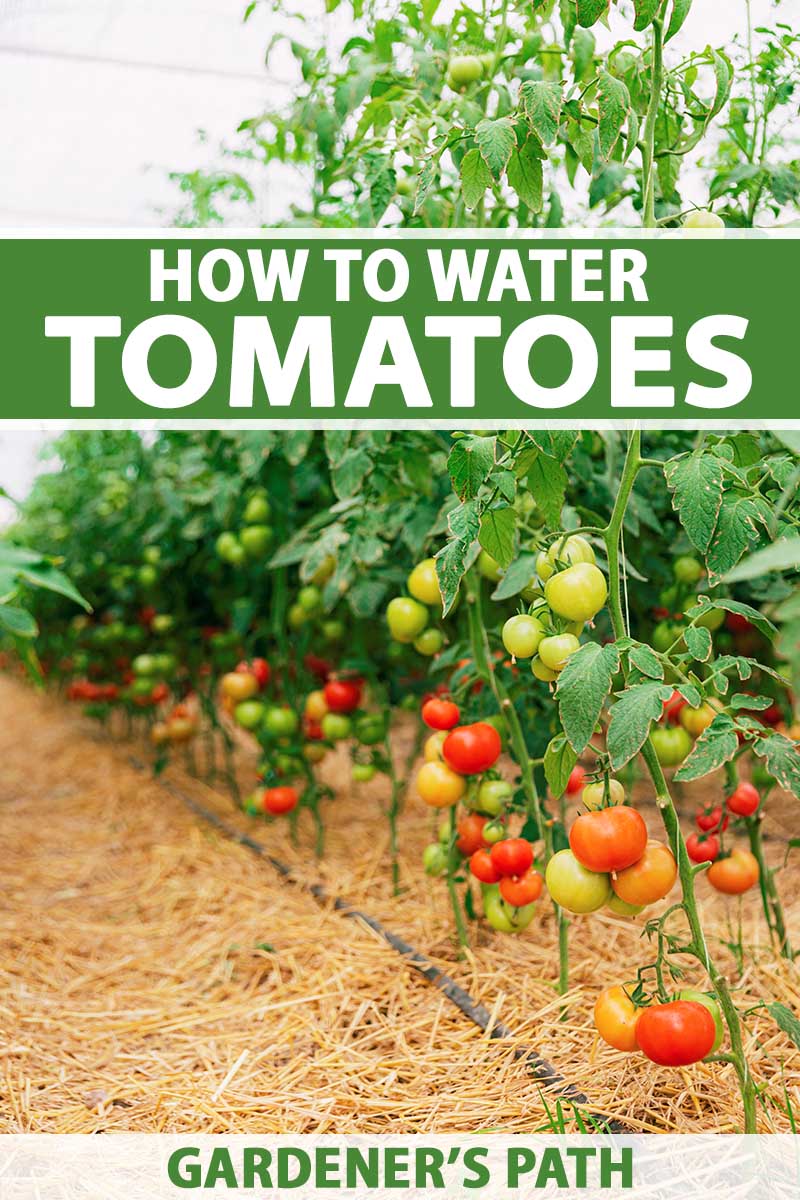
Mulch is a layer of material placed on the soil surface. It helps keep soil moist by reducing evaporation. Mulch also controls weeds and keeps roots cool. Use straw, leaves, or wood chips as mulch. Apply a 2-3 inch layer around tomato plants, leaving space near stems. Mulching reduces how often you need to water.
Common Watering Mistakes
Watering tomato plants may seem simple, but many gardeners make common mistakes. These errors can harm plant health and reduce fruit yield. Understanding these mistakes helps keep tomato plants strong and productive. Below are key watering pitfalls to avoid for healthy tomato growth.
Overwatering Risks And Prevention
Too much water drowns tomato roots. Roots need air to breathe. Overwatering causes root rot and weak plants. Leaves may turn yellow and soft. Stop watering if soil feels wet for days. Use well-draining soil to avoid water buildup. Water only when the top inch of soil is dry. Mulch helps keep soil moist without overwatering.
Avoiding Inconsistent Watering
Tomatoes suffer from irregular watering schedules. Dry spells followed by heavy watering stress plants. This causes cracking fruit and poor growth. Water tomato plants evenly and regularly. Set a schedule that matches weather and soil type. Consistent moisture supports strong roots and juicy tomatoes. Check soil moisture often, especially in hot weather.
Misjudging Water Needs By Plant Size
Young tomato plants need less water than mature ones. Overwatering small plants can harm root development. Mature plants with larger leaves need more water to stay healthy. Adjust watering as plants grow bigger. Observe plant size and soil moisture to decide watering amount. Smaller pots dry out faster and need more frequent watering.

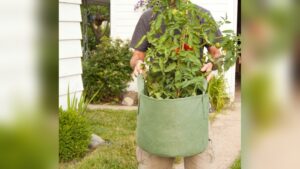
Credit: savvygardening.com
Tips For Container Vs Garden Tomatoes
Tomato plants need different watering care depending on their growing space. Container tomatoes and garden tomatoes face unique challenges. Containers dry out faster and need more attention. Garden tomatoes have deeper soil to hold moisture longer. Knowing these differences helps keep your plants healthy and productive.
Watering Frequency For Potted Plants
Potted tomato plants need water more often than garden ones. Check soil daily because it dries quickly. Water when the top inch feels dry to touch. In hot weather, watering may be needed twice a day. Use a watering can or drip system for even moisture. Avoid letting the soil dry out completely.
Managing Water Drainage In Containers
Good drainage is key for container tomatoes. Make sure pots have holes at the bottom. Excess water should flow out to prevent root rot. Use well-draining soil mix to keep moisture balanced. Place a tray under the pot to catch extra water. Empty the tray regularly to avoid standing water. Proper drainage keeps roots healthy and plants strong.
Adjusting Water For Outdoor Garden Beds
Garden tomatoes need less frequent watering than containers. Water deeply to encourage strong root growth. Aim for 1-2 inches of water per week, depending on weather. Water early in the morning to reduce evaporation. Use mulch around plants to keep soil moist longer. Check soil moisture by feeling 2 inches below surface. Adjust watering based on rainfall and temperature.
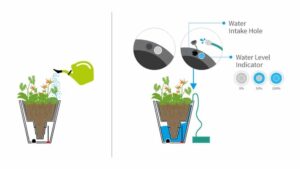
Credit: gardenerspath.com
Frequently Asked Questions
Can You Overwater A Tomato Plant?
Yes, overwatering tomato plants causes root suffocation, leading to soft, mushy leaves and poor plant health.
Are You Supposed To Water Tomatoes Every Day?
Water tomato plants deeply every 2-3 days, adjusting for weather and soil type. Avoid daily watering to prevent root issues.
Can Tomato Plants Go A Week Without Water?
Tomato plants can survive a week without water, but they may wilt and stress. Water mature plants deeply twice a week for best growth.
Should I Cut Off Yellow Leaves On Tomato Plants?
Cut off yellow leaves on tomato plants to prevent disease spread and improve air circulation. Remove them carefully and monitor plant health.
Conclusion
Tomato plants need regular watering to stay healthy and grow well. Water deeply but not too often to avoid root problems. Check soil moisture before watering to prevent overwatering or underwatering. Adjust watering frequency based on weather, soil type, and plant size.
Consistent care leads to juicy, flavorful tomatoes. Keep an eye on your plants and water as needed for best results.