How to Keep Indoor Plants Watered While on Vacation
Planning a vacation should be exciting, not stressful—especially when it comes to your indoor plants. You’ve nurtured them, watched them grow, and now you’re worried about what will happen while you’re away.
Will they dry out? Wilt? Die? The good news is, you don’t have to come home to a plant disaster. With a few simple, smart tricks, you can keep your indoor plants watered and healthy throughout your time away. Ready to learn easy, effective ways to care for your green friends even when you’re not around?
Keep reading, and discover how to make your vacation worry-free for both you and your plants.
Credit: www.reddit.com
Plan Watering Before You Leave
Planning your plant’s watering before you leave is key. It helps keep your plants healthy during your absence. A little preparation can prevent overwatering or drying out. Follow simple steps to organize plant care for your trip.
Assess Plant Water Needs
Check each plant’s water needs carefully. Some plants like succulents need less water. Others, like ferns, need more moisture. Note how often you water them now. Think about the weather and indoor temperature. This helps decide how much water each plant needs while away.
Adjust Watering Schedule
Water your plants well a day before leaving. This gives them enough moisture to last. Avoid watering too much right before you go. It can cause root rot. Change your regular watering plan to fit the trip length. This keeps plants from drying or sitting in soggy soil.
Group Plants By Water Requirements
Put plants with similar water needs together. Grouping makes watering easier for helpers or automatic systems. It also prevents overwatering some plants. Place thirsty plants in one spot and drought-tolerant ones in another. This simple step protects all plants during your vacation.
Credit: www.cnet.com
Use Self-watering Solutions
Keeping indoor plants watered while on vacation can be simple with self-watering solutions. These tools provide a steady water supply to plants, reducing stress and preventing drying out. They work quietly and efficiently, letting you enjoy your trip without worry.
Watering Globes And Spikes
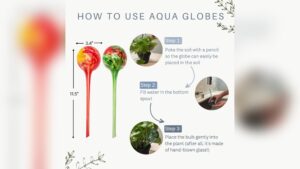
Watering globes and spikes release water slowly into the soil. Fill them with water and insert into the plant pot. The water seeps out as the soil dries. They are easy to use and fit most pot sizes. These devices help plants stay hydrated for days or weeks.
Diy Drip Systems
Create a DIY drip system using simple household items. Use a plastic bottle filled with water and poke small holes in the cap. Invert the bottle and place it in the soil. Water drips out slowly, keeping the plant moist. Adjust hole size for faster or slower drip rates.
Self-watering Planters
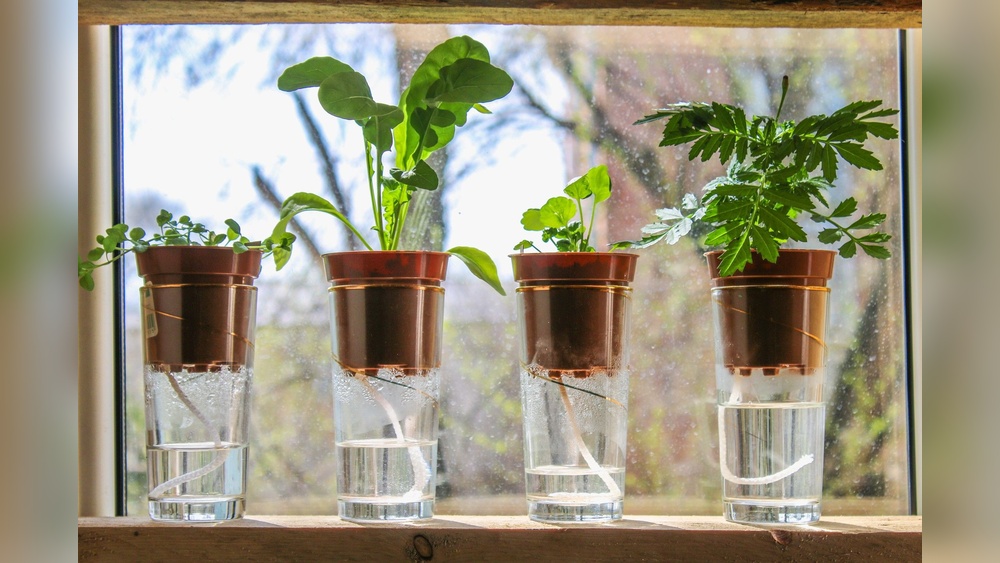
Self-watering planters have built-in reservoirs that supply water to plants. They wick water up through the soil as needed. These planters reduce watering frequency and help prevent overwatering. Ideal for busy or forgetful plant owners, they keep plants healthy longer.
Try Simple Diy Methods
Keeping indoor plants watered while on vacation can be easy with simple DIY methods. These techniques use items you already have at home. They help maintain the right moisture level for your plants. No need for expensive gadgets or daily attention. Just set them up before you leave and enjoy your trip.
Plastic Bag Humidity Tents
Plastic bag humidity tents create a moist environment around your plant. Place a clear plastic bag over the plant, making sure it does not touch leaves. Use sticks or small supports to keep the bag lifted. This traps moisture and reduces water loss. It works well for small or medium plants. Remember to poke a few holes for air circulation. This method keeps plants hydrated for several days.
String And Bowl Watering Setup
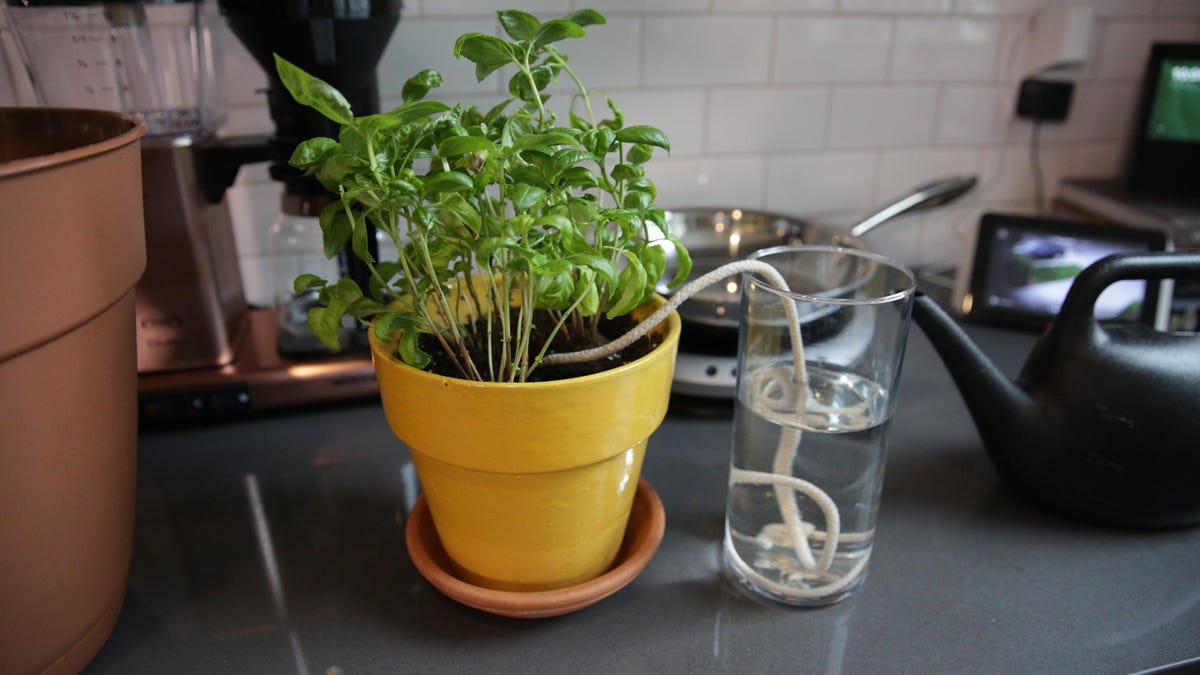
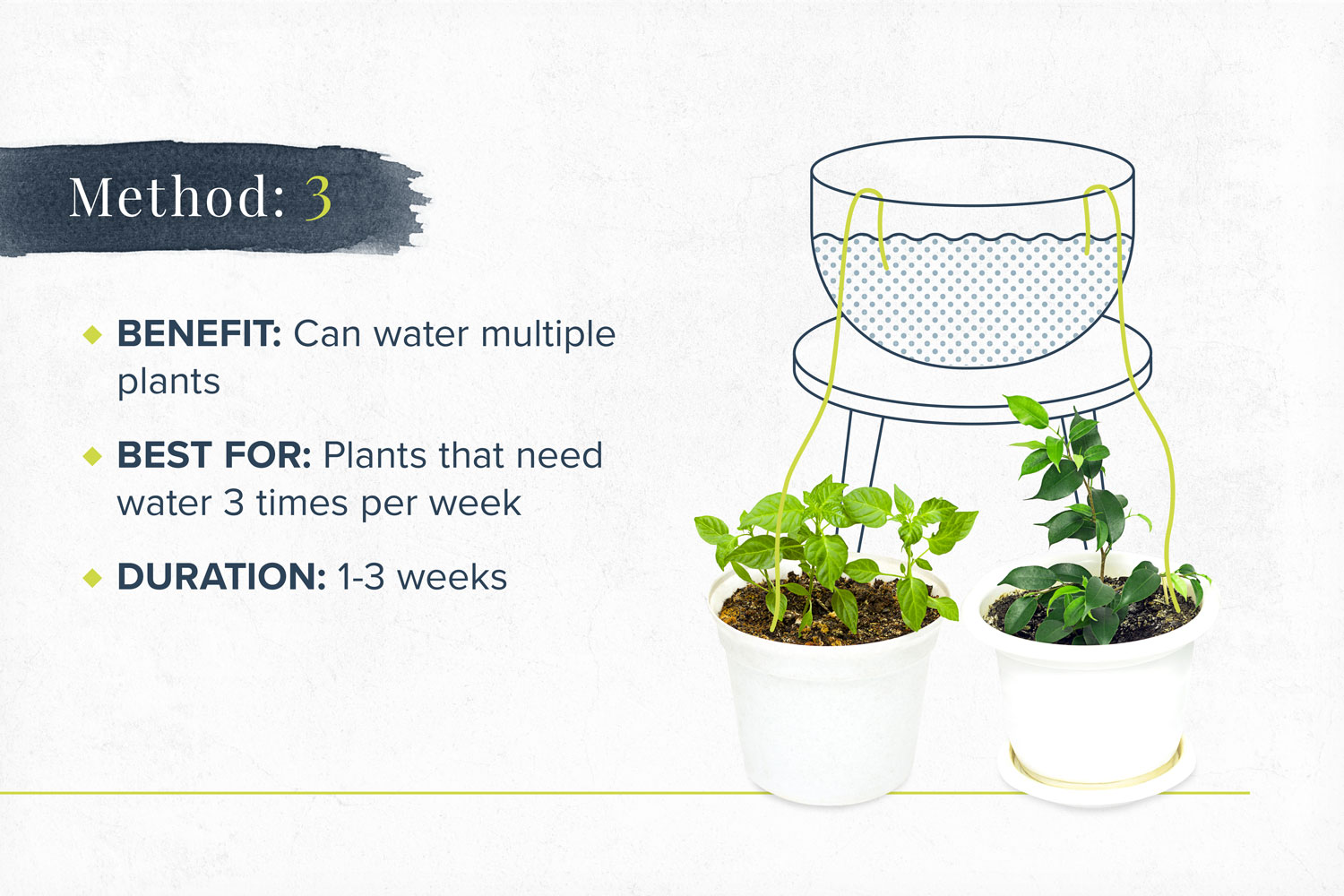
The string and bowl setup is a simple way to water plants slowly. Fill a bowl with water and place it near your plant. Put one end of an absorbent string in the bowl. Put the other end in the plant’s soil. The string moves water from the bowl to the soil through capillary action. Use cotton or wool string for best results. This setup supplies a steady water flow for days.
Capillary Matting Techniques
Capillary matting keeps plant soil moist by drawing water from a reservoir. Place a water tray under the plant pot. Lay a capillary mat between the tray and pot. The mat absorbs water and passes it to the plant roots slowly. Cut the mat to fit your pots. This method works great for multiple plants. Check water levels in the tray before you leave. It ensures continuous hydration without overwatering.
Employ Natural Moisture Retainers
Employing natural moisture retainers helps keep your indoor plants hydrated while you are away. These methods reduce water loss and create a better environment for your plants. Using nature’s own tools is simple and effective. It also lowers the risk of overwatering or underwatering during your vacation.
Mulching Pot Soil
Mulching the soil surface slows down water evaporation. You can use organic materials like dried leaves or small bark pieces. Mulch keeps the soil cooler and retains moisture longer. It also prevents soil from drying out quickly under indoor heat or sun exposure. Apply a thin layer of mulch on top of the pot soil before you leave.
Grouping Plants For Humidity
Placing plants close together raises humidity around them. Plants release moisture through their leaves, helping each other stay hydrated. This natural humidity boost slows water loss from soil and leaves. Grouping plants also creates a mini environment that holds moisture better. Arrange pots in clusters to maximize this effect.
Using Pebble Trays
Pebble trays increase humidity near your plants without watering them. Fill a shallow tray with water and place pebbles on top. Set the plant pots on the pebbles so their bases stay dry. As water evaporates, it raises moisture in the air around the plants. This gentle humidity helps plants keep their leaves hydrated for longer.
Seek Help From Others
Leaving your indoor plants without water can cause them to dry out quickly. Seeking help from others ensures your plants stay healthy while you are away. This method is reliable and simple. It gives your plants the care they need during your vacation.
Ask A Friend Or Neighbor
Friends or neighbors can water your plants for you. Choose someone you trust and who lives nearby. Show them how much water each plant needs. Give clear instructions about watering frequency and amount. This way, your plants get regular care without any stress.
Hire A Plant Sitter
A plant sitter is a person who cares for plants professionally. They visit your home to water and check your plants. Hiring a plant sitter is helpful for longer trips. They know how to handle different plant types and needs. This option gives peace of mind that your plants are in good hands.
Use Plant Care Services
Many cities offer plant care services for busy people. These services send experts to water and maintain your plants. They can also prune and check for pests. Plant care services are flexible and can fit your schedule. This option is perfect if you want full care without hassle.
Prepare Plants For Absence
Preparing your indoor plants before you leave on vacation helps them stay healthy. This step reduces stress on the plants. It also makes watering easier while you are gone.
Simple actions like pruning and moving plants improve their chances of thriving. Avoiding certain mistakes before travel protects your plants from damage. Proper preparation is key to keeping plants happy during your absence.
Prune And Clean Plants
Trim dead or yellow leaves to reduce water loss. Remove dust from leaves with a soft cloth. Clean leaves absorb light better and stay healthier longer. Pruning also helps plants focus energy on new growth.
Move To Indirect Light
Place plants in a spot with indirect sunlight. Direct sun can dry out plants faster. Indirect light slows down growth, which lowers water needs. This change helps plants use water more efficiently.
Avoid Repotting Before Travel
Do not repot plants just before leaving. Repotting causes stress and can slow root growth. Plants need time to adjust to new soil. Wait until after your vacation for repotting tasks.
Monitor And Adjust After Return
After returning from vacation, your plants need careful attention. Monitoring and adjusting their care helps them recover well. This step ensures they stay healthy and vibrant.
Check Soil Moisture Levels
Start by checking the soil moisture of each plant. Use your finger or a moisture meter to test it. Dry soil means your plant needs water right away. If the soil feels wet or soggy, wait before watering. Proper moisture helps prevent root problems and keeps plants happy.
Gradually Resume Normal Care
Avoid jumping back to full watering and feeding immediately. Slowly increase watering frequency over a few days. This helps plants adjust without stress. Resume fertilizing and pruning only after plants show good recovery. Gentle care supports their growth after your absence.
Inspect For Stress Signs
Look closely for leaves that are yellow, brown, or wilted. These signs may show your plant needs extra help. Check for pests or diseases that might have appeared. Remove dead leaves and treat any issues promptly. Early action improves your plant’s chance to bounce back strong.
Credit: www.proflowers.com
Frequently Asked Questions
How Do I Leave My Houseplants For 2 Weeks?
Water your houseplants thoroughly before leaving. Use self-watering systems, watering spikes, or place plants near humidity sources. Mulch soil to retain moisture. Ask a friend to check on them if possible. Keep plants away from direct sunlight and drafts to reduce water loss.
How To Make A Self-watering System For Indoor Plants?
Place a water-filled container higher than the plant. Insert an absorbent cotton rope from the container into the soil. The rope delivers water slowly, keeping soil moist.
How Long Can My Houseplants Go Without Water?
Most houseplants can survive 5 to 14 days without water, depending on species and environment. Succulents last longer.
How Do You Hack Plants To Water While On Holiday?
Use watering spikes or globes attached to water-filled bottles. Insert them into soil for slow, consistent watering during your holiday.
Conclusion
Keeping indoor plants healthy during a vacation feels simple once you set up the right plan. Start by giving each plant a deep drink and place them away from strong sun. Use self-watering stakes, trays, or a clear DIY bottle system to keep the soil moist. Group plants together to raise humidity and slow moisture loss. Ask a friend to stop by for a quick check if possible. These steps create steady support for your plants so they stay green, lively, and ready to greet you with fresh growth once you return.