How Often Should Snake Plants Be Watered

If you’ve ever wondered how often you should water your snake plant, you’re not alone. Getting the watering right is key to keeping your plant healthy and thriving.
Water it too much, and you risk root rot; water it too little, and your plant could dry out and suffer. But how can you tell exactly when your snake plant needs a drink? You’ll discover simple, foolproof ways to check your plant’s soil and leaves, learn how watering needs change with the seasons, and find out how to keep your snake plant looking its best all year round.
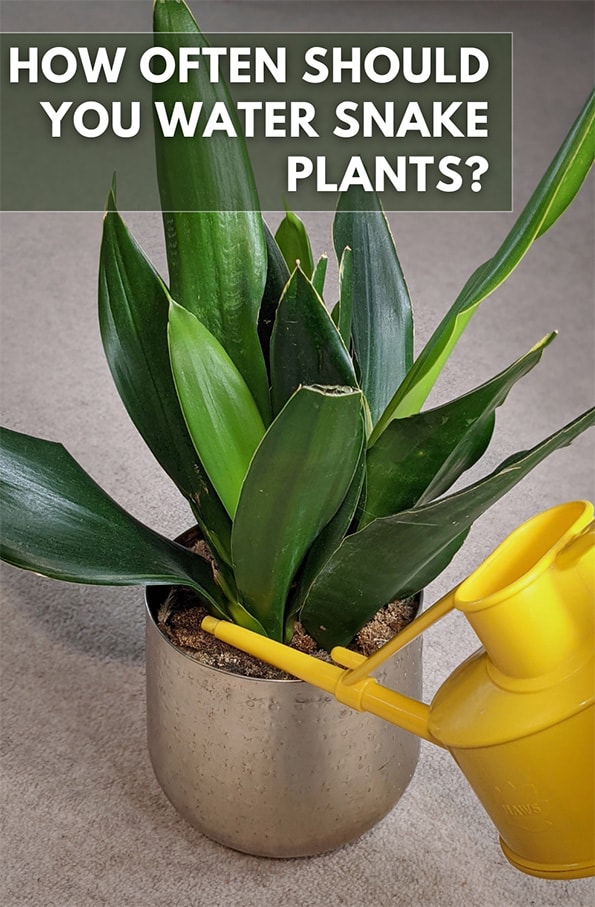
Credit: www.ourhouseplants.com
Watering Frequency
Knowing the right watering frequency is key to keeping your snake plant healthy. Snake plants do not need frequent watering. Overwatering can cause root rot and damage the plant. The soil should dry out completely between waterings. Adjust watering habits based on the plant’s growth stage and season.
Growing Season Needs
During spring and summer, snake plants grow faster. They need more water to support this growth. Water the plant every 10 to 14 days. Always check the soil before watering. If the top two inches of soil feel dry, it is time to water. Use less water in pots without drainage holes to avoid water buildup. The plant will absorb water more quickly in warm temperatures and bright light.
Dormant Season Adjustments
In fall and winter, snake plants grow slowly. They need less water during these months. Water the plant only every 3 to 4 weeks. Check the soil dryness before watering. The soil should be completely dry before adding water. Cooler temperatures and less light mean the plant uses less moisture. Overwatering in this season can lead to root problems, so watering less is safer.
Soil Moisture Check
Checking soil moisture is the best way to know when to water your snake plant. Snake plants do not like sitting in wet soil. Overwatering can cause root rot quickly. The soil must dry out between waterings to keep the plant healthy.
Simple tests help measure soil moisture. These tests tell if the soil is dry enough to water again. Monitoring soil moisture saves your plant from too much or too little water.
Using Finger Test
Insert your finger about two inches into the soil. Feel if the soil is dry or damp. Dry soil means it is time to water your snake plant. If the soil feels moist, wait a few days before checking again.
This test is quick and easy. It requires no tools and works well for most indoor plants. Clean your hands before and after to avoid spreading germs.
Using Moisture Meter Or Probe
A moisture meter is a small tool that measures soil wetness. Insert the probe into the soil near the roots. The meter will show a reading indicating moisture level.
This method gives a more exact reading than the finger test. It helps avoid guessing and keeps your plant safe from overwatering. Moisture meters are affordable and easy to use.
Leaf Indicators
Snake plants show clear leaf indicators to signal their watering needs. Observing these signs helps avoid common watering mistakes. Leaves react visibly to both underwatering and overwatering. Understanding these signs keeps your snake plant healthy and thriving.
Signs Of Underwatering
Leaves become dry, brown, and crispy at the tips. They may appear thinner than usual. Growth slows down or stops. The soil often looks hard and compacted. Leaves might curl or feel rough to touch. These signs suggest the plant needs more water soon.
Signs Of Overwatering
Leaves turn soft and mushy. Yellowing leaves with brown spots often appear. The base of the plant might feel soggy. Roots can start to rot from excess moisture. Overwatering causes leaf discoloration and weakness. The soil stays wet for long periods.
Drooping Leaf Symptoms
Leaves droop or bend downward noticeably. They can feel limp or weak. Drooping occurs from both too much and too little water. Check the soil moisture to identify the cause. Drooping leaves need prompt attention to prevent damage.
Common Watering Mistakes
Watering snake plants seems simple, but many make common mistakes. These errors can harm your plant’s health. Proper watering keeps snake plants strong and beautiful. Understanding common watering mistakes helps you avoid problems and enjoy a thriving plant.
Overwatering Risks
Too much water causes root rot in snake plants. Roots sit in wet soil and start to decay. Leaves turn yellow, soft, and may develop brown spots. The plant looks droopy and weak. Overwatering reduces oxygen in the soil. This suffocates roots and stops nutrient absorption. Excess water also invites pests and fungi. Avoid watering until the soil is dry to prevent damage.
Underwatering Effects
Too little water dries out snake plants. Leaves become brown, crispy, and brittle at the tips. The plant may stop growing or look stunted. Soil pulls away from the pot edges when very dry. Underwatered plants lose their color and vitality. They may droop or curl as they struggle to survive. Regular checks of soil moisture prevent underwatering stress. Water only when soil feels dry to the touch.
Watering Techniques
Proper watering is key to keeping snake plants healthy and thriving. Using the right techniques ensures the plant gets enough moisture without risking root rot. Watering too much or too little can harm your snake plant. Follow simple methods to provide just the right amount of water each time.
Proper Water Amounts
Snake plants need only a small amount of water per session. Pour water slowly until it starts draining from the pot’s bottom. Avoid letting the plant sit in standing water. This prevents root decay and keeps the soil at the right moisture level. The goal is moist soil, not soggy soil.
Use a watering can with a narrow spout for control. This helps you avoid overwatering. Check the soil moisture before watering again. The top two inches should be dry before adding more water.
Best Time To Water
Water snake plants during the morning hours. This allows excess water to evaporate during the day. Avoid watering late in the evening or at night. Wet soil overnight can cause fungal problems and root damage. Morning watering supports healthy growth and prevents moisture issues.
Adjust watering frequency depending on the season. Water less during fall and winter when the plant is dormant. Increase watering slightly in spring and summer when growth is active. Always check soil dryness before watering again to keep your snake plant happy.
Credit: www.reddit.com
Additional Care Tips
Caring for snake plants involves more than just watering. Proper care ensures your plant stays healthy and vibrant. Paying attention to soil, pots, and environment can prevent common problems. These small steps make a big difference in growth and longevity.
Soil Type And Drainage
Snake plants need well-draining soil to avoid root rot. Use a mix designed for succulents or cacti. This soil type lets water drain quickly and prevents sogginess. Avoid heavy garden soil or peat-based mixes. You can add sand or perlite to improve drainage. Good drainage keeps roots healthy and dry between watering.
Pot Selection
Choose pots with drainage holes to stop water buildup. Without holes, water pools at the bottom and harms roots. Terra cotta pots are ideal because they absorb excess moisture. Plastic pots hold water longer and need careful watering. Pick a pot size that fits your plant without crowding roots. A slightly bigger pot can hold more soil but avoid too large.
Environmental Factors
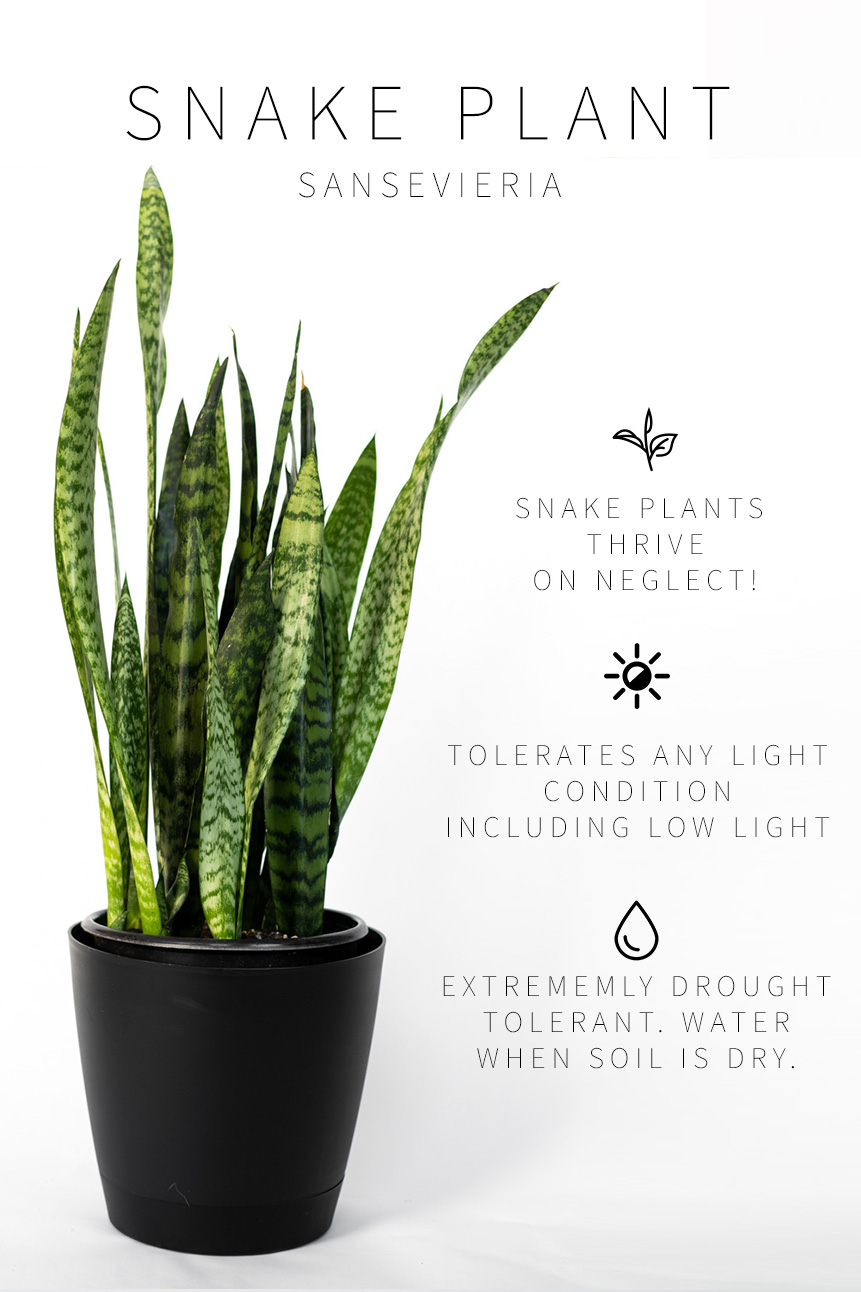
Snake plants adapt to many conditions but prefer indirect light. Too much direct sun can scorch leaves. Low light slows growth but is okay. Temperature affects water needs. Keep plants away from drafts or cold windows. Warmer, dry air makes soil dry faster. In humid or cool spots, water less often. Watch your plant and adjust care based on its surroundings.
Credit: vintagerevivals.com
Frequently Asked Questions
How Do You Know If Your Snake Plant Needs Water?
Check the soil by inserting your finger two inches deep; water only if it feels dry. Watch for soft, yellow, or drooping leaves signaling overwatering. Brown, crispy tips indicate underwatering. Always let soil dry completely before watering again to keep your snake plant healthy.
Does A Snake Plant Need Sunlight?
Snake plants thrive in bright, indirect sunlight but tolerate low light well. Avoid direct, harsh sunlight to prevent leaf burn.
Do You Water A Snake Plant From The Top Or Bottom?
Water snake plants from the top to moisten the soil evenly. Avoid bottom watering to prevent root rot.
Where Is The Best Place To Put A Snake Plant In Your House?
Place your snake plant in bright, indirect light or low light areas. Avoid direct sunlight to prevent leaf burn. A bathroom, bedroom, or living room corner works well. Ensure good air circulation and keep it away from drafts or heating vents for healthy growth.
Conclusion
Snake plants thrive with careful watering. Check soil dryness before watering again. Water every two weeks during spring and summer. In fall and winter, water less, about once a month. Watch leaves for signs of over- or underwatering. Soft or yellow leaves mean too much water.
Brown, crispy tips show your plant needs water. Adjust watering based on your plant’s needs and season. This simple routine keeps snake plants healthy and happy. Consistency matters more than exact timing. Keep your snake plant thriving with these easy steps.