How Often Should Poinsettia Plants Be Watered: Ultimate Care Guide
If you’ve ever wondered, “How often should poinsettia plants be watered?” you’re not alone. Keeping your poinsettia healthy and vibrant can seem tricky, especially when watering needs vary depending on the environment.
Watering too much or too little can quickly harm your plant, causing droopy leaves or yellowing that ruins its festive charm. But don’t worry—by learning simple, practical tips, you can easily find the right watering routine for your poinsettia. Keep reading to discover exactly how to care for your plant so it stays lively and beautiful well beyond the holiday season.
Watering Frequency
Poinsettias need the right amount of water to stay healthy and bright. Watering frequency depends on several factors. Knowing when to water helps avoid problems like root rot or dryness. This section explains how often to water your poinsettia for the best care.
Check Soil Moisture
Touch the soil surface to check moisture. Stick your finger about one inch into the soil. Water only if the top inch feels dry. This simple check prevents overwatering. It keeps the roots healthy and happy.
Weekly Watering Routine
Most poinsettias need water about once a week. Water deeply until it drains from the pot’s bottom. Remove extra water from the saucer to stop root rot. A good weekly routine keeps the plant strong and vibrant.
Adjusting For Environment
Dry air or warm rooms make the soil dry faster. Water more often in these conditions. Cooler or humid spaces keep soil moist longer. Water less to avoid soggy soil. Watch your plant and adjust watering as needed.
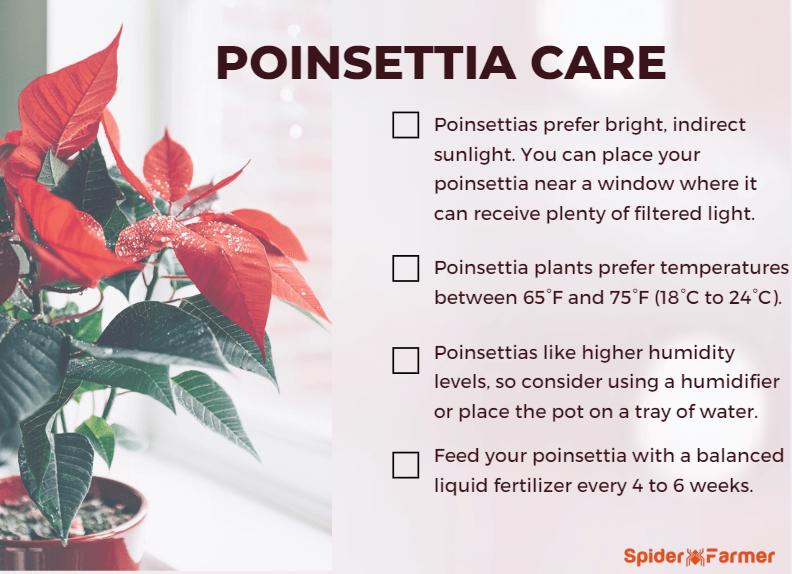
Credit: spiderfarmer.eu
Watering Techniques
Proper watering techniques keep poinsettia plants healthy and vibrant. Watering correctly helps roots absorb moisture and prevents common problems like root rot or dryness. Knowing how to water poinsettias ensures they stay beautiful longer.
Follow these simple methods for best results.
Water Thoroughly
Water your poinsettia until water flows out of the drainage holes. This ensures the entire root ball gets moist. Avoid just wetting the top layer of soil. Deep watering encourages strong root growth and healthy leaves.
Remove Excess Water
Empty any water collected in the saucer or decorative pot after watering. Standing water can cause root rot and damage your plant. Always keep the pot dry at the bottom to protect the roots.
Use Room-temperature Water
Use water that is close to room temperature. Cold water can shock the plant and slow growth. Warm water helps the poinsettia absorb moisture easily and stay comfortable.
Signs Of Watering Issues
Knowing the signs of watering issues helps keep poinsettias healthy. These plants need just the right amount of water. Too much or too little water causes stress. You can spot problems early by watching your poinsettia carefully. This prevents damage and keeps the leaves bright and colorful.
Symptoms Of Overwatering
Leaves turn yellow, starting from the bottom. The soil feels constantly wet and soggy. Stems may become soft or mushy. You might see mold or fungus on the soil surface. Roots can rot, causing the plant to droop. Overwatering blocks oxygen, harming the roots.
Symptoms Of Underwatering
Leaves wilt and look limp. Edges turn brown and crispy. The soil feels dry and pulls away from the pot edges. New growth slows or stops. Leaves may drop suddenly. The plant looks dull and weak from lack of water.
Light Requirements
Poinsettia plants need the right amount of light to grow well. Light affects their color, health, and how often you need to water them. Understanding their light needs helps you keep them vibrant and strong.
Indoor Light Preferences
Poinsettias thrive in bright, indirect light indoors. Place them near a window with filtered sunlight. Avoid direct sunlight, which can scorch the leaves. A spot with about 6 hours of light each day is ideal. Low light can make the plant weak and dull.
Outdoor Light Considerations
When outdoors, poinsettias prefer partial shade. Morning sun with afternoon shade works best. Too much sun can dry out the soil faster, requiring more frequent watering. Too little light outdoors can slow growth and reduce flower color.
Soil And Drainage
Soil and drainage play a key role in how often poinsettia plants need watering. The right soil keeps moisture balanced and lets excess water flow away. Good drainage stops roots from sitting in water, which causes rot. Understanding soil types and drainage helps keep poinsettias healthy and vibrant.
Ideal Soil Types
Poinsettias grow best in light, well-aerated soil. A mix with peat moss or coir holds moisture but drains well. Avoid heavy soils like garden clay. These soils keep too much water and can drown roots. Choose soil that feels loose and crumbly. This lets air reach the roots and supports steady moisture.
Ensuring Proper Drainage
Pots must have drainage holes to let water escape. Water pools at the bottom cause root damage. Use a pot with holes and place a saucer underneath to catch extra water. After watering, empty the saucer to prevent standing water. Adding a layer of gravel at the pot’s base can improve drainage. Proper drainage helps poinsettias get just the right amount of water every time.

Credit: www.youtube.com
Seasonal Care Tips
Poinsettias need special care that changes with the seasons. Adjusting watering habits and protecting them from cold helps keep the plants healthy. Seasonal care ensures your poinsettia stays vibrant beyond the holidays.
Understanding how to water and care for poinsettias in winter is key. The plant’s water needs drop as temperatures fall and daylight shortens. Cold weather can damage leaves and roots, so extra caution is necessary.
Winter Watering Adjustments
Water poinsettias less often in winter. Check the soil before watering. If the top inch is dry, it’s time to water. Use room-temperature water to avoid shocking the roots.
Water slowly and deeply until it drains from the pot’s holes. Remove any extra water from the saucer to stop root rot. Avoid letting the soil stay too wet or too dry during cold months.
Protecting From Cold
Keep poinsettias away from drafts and cold windows. Sudden temperature drops can harm the plant’s leaves. Ideal room temperature is between 65°F and 75°F.
Use curtains or move the plant to a warmer spot at night. Avoid placing poinsettias near heaters or vents that dry the air too much. These steps protect the plant and keep it strong through winter.
Common Mistakes
Watering poinsettia plants can be tricky for many gardeners. Mistakes in watering often lead to unhealthy plants. Learning common errors helps keep poinsettias healthy and vibrant. Pay close attention to watering habits. Below are two frequent mistakes that affect poinsettia care.
Overwatering Pitfalls
Overwatering is a common mistake with poinsettias. Too much water causes roots to stay wet for long periods. This leads to root rot and yellowing leaves. Excess water also reduces oxygen in the soil, harming the plant. Watering without checking soil moisture increases overwatering risks. Always let the soil dry slightly before watering again.
Underwatering Risks
Underwatering can make poinsettias wilt and lose leaves. Dry soil means the plant lacks enough moisture to stay healthy. Leaves may turn brown and crispy at the edges. Underwatering weakens the plant and reduces blooming. Check the soil regularly to avoid letting it dry out too much. Water deeply to keep the roots moist.
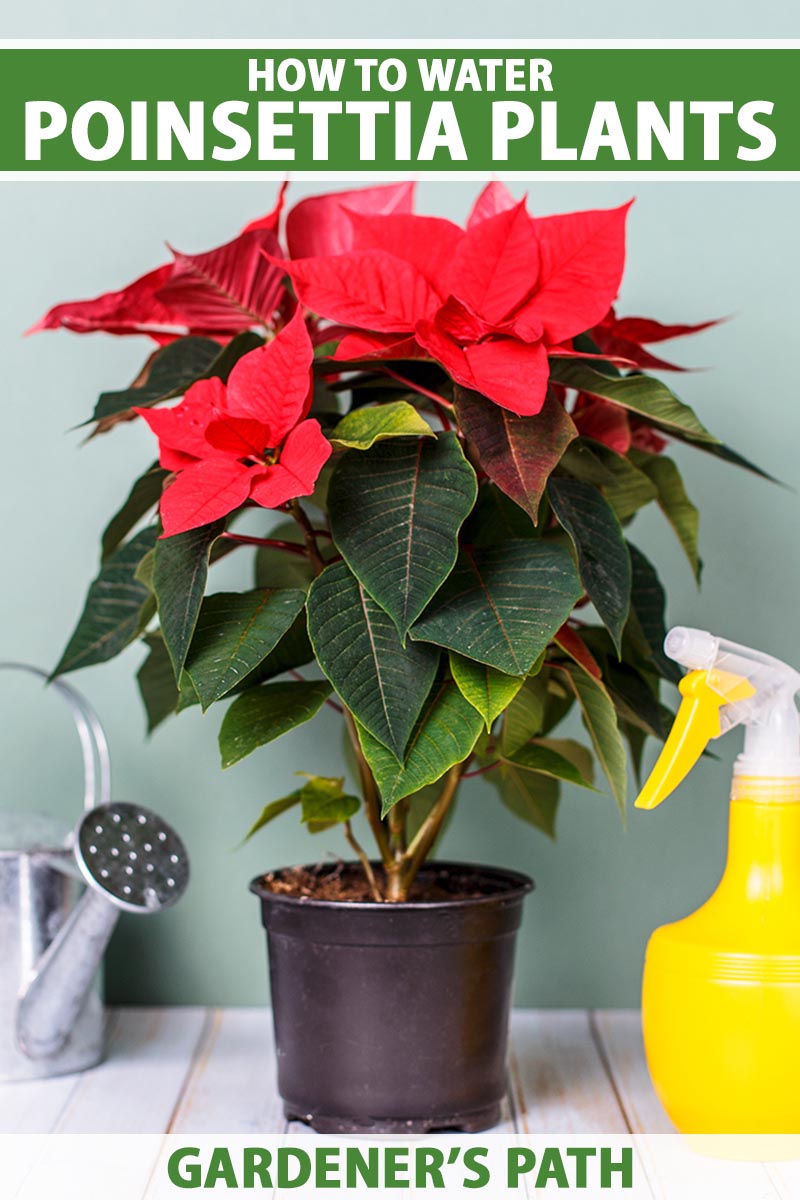
Credit: gardenerspath.com
Promoting Bloom Longevity
Promoting bloom longevity in poinsettia plants requires more than just watering. Proper care extends the vibrant life of their colorful bracts. Maintaining the right balance of water, light, and temperature keeps blooms fresh longer. This section explains key steps to support lasting blooms.
Consistent Watering Habits
Water poinsettias regularly but avoid overwatering. Check soil moisture by touching the top inch. Only water when the soil feels dry to the touch. Water deeply until it drains from the pot’s bottom. Empty any excess water in saucers to stop root rot. Consistency helps the plant absorb enough moisture without stress.
Optimal Light And Temperature
Place poinsettias in bright, indirect light to encourage strong blooms. Avoid direct sunlight, which can scorch leaves. Keep room temperature between 65°F and 75°F for best growth. Cooler temperatures below 60°F may reduce bloom life. Stable conditions prevent stress and help flowers stay vibrant longer.
Frequently Asked Questions
How Often Should I Water My Indoor Poinsettia?
Water your indoor poinsettia about once a week or when the top inch of soil feels dry. Water thoroughly until drainage appears. Always empty excess water from the saucer to prevent root rot. Adjust frequency based on humidity and soil moisture levels.
Use room-temperature water only.
Do Poinsettias Like Sun Or Shade?
Poinsettias prefer bright, indirect light. Avoid direct sunlight, which can burn their leaves. They thrive best in partial shade.
What Does An Overwatered Poinsettia Look Like?
An overwatered poinsettia shows yellowing leaves, especially at the bottom. Leaves may feel soft and the soil stays soggy. Roots can rot, causing wilting despite moist soil.
Why Do The Leaves On My Poinsettia Keep Falling Off?
Leaves fall off poinsettias due to overwatering, underwatering, low humidity, or sudden temperature changes. Keep soil moist and avoid drafts.
Conclusion
Water your poinsettia when the top inch of soil feels dry. Water deeply until it drains from the pot’s bottom holes. Always empty excess water to avoid root rot. Adjust watering frequency based on your home’s humidity and temperature. Watch for yellow leaves or wilting as signs of watering issues.
Proper watering keeps your poinsettia healthy and vibrant through the season. Simple care helps your plant thrive and bloom beautifully. Stay consistent, and your poinsettia will reward you with bright colors.