How Often Does a Spider Plant Need to Be Watered
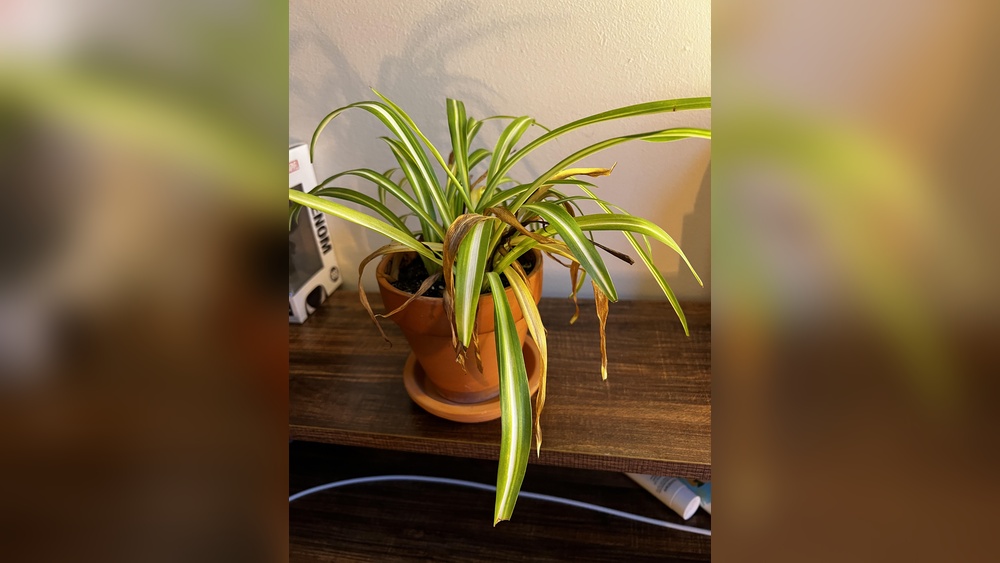
Wondering how often you should water your spider plant to keep it healthy and thriving? Getting the watering schedule right can be tricky, but it’s key to seeing those vibrant green leaves flourish.
If you water too little, your plant will droop and struggle. Too much, and you risk root rot. In this guide, you’ll learn simple, easy-to-follow tips to know exactly when your spider plant needs a drink—no guesswork involved. Keep reading to discover how to check your plant’s soil, leaves, and even the pot’s weight to give your spider plant just the right amount of water every time.

Credit: greg.app
Watering Frequency
Watering frequency is crucial for keeping your spider plant healthy and vibrant. These plants do not like to sit in water, but they also dislike dry soil. The right watering schedule depends on the season and the plant’s growth cycle. Proper watering helps avoid root rot and leaf browning. Understanding when and how often to water ensures your spider plant thrives year-round.
Spring To Summer Schedule
During spring and summer, spider plants grow actively. They need more water in these warmer months. Water your plant once a week or when the top inch of soil feels dry. Check the soil regularly with your finger to avoid overwatering. If the leaves start to droop, it may need more water. Ensure the pot has drainage holes to prevent water buildup.
Adjusting For Winter Dormancy
Spider plants grow slower in winter and require less water. Reduce watering to once every two or three weeks. Let the soil dry out more between waterings to prevent root problems. Keep the plant away from cold drafts and heating vents that can dry it out faster. Observe the leaves for signs of underwatering and adjust watering accordingly.
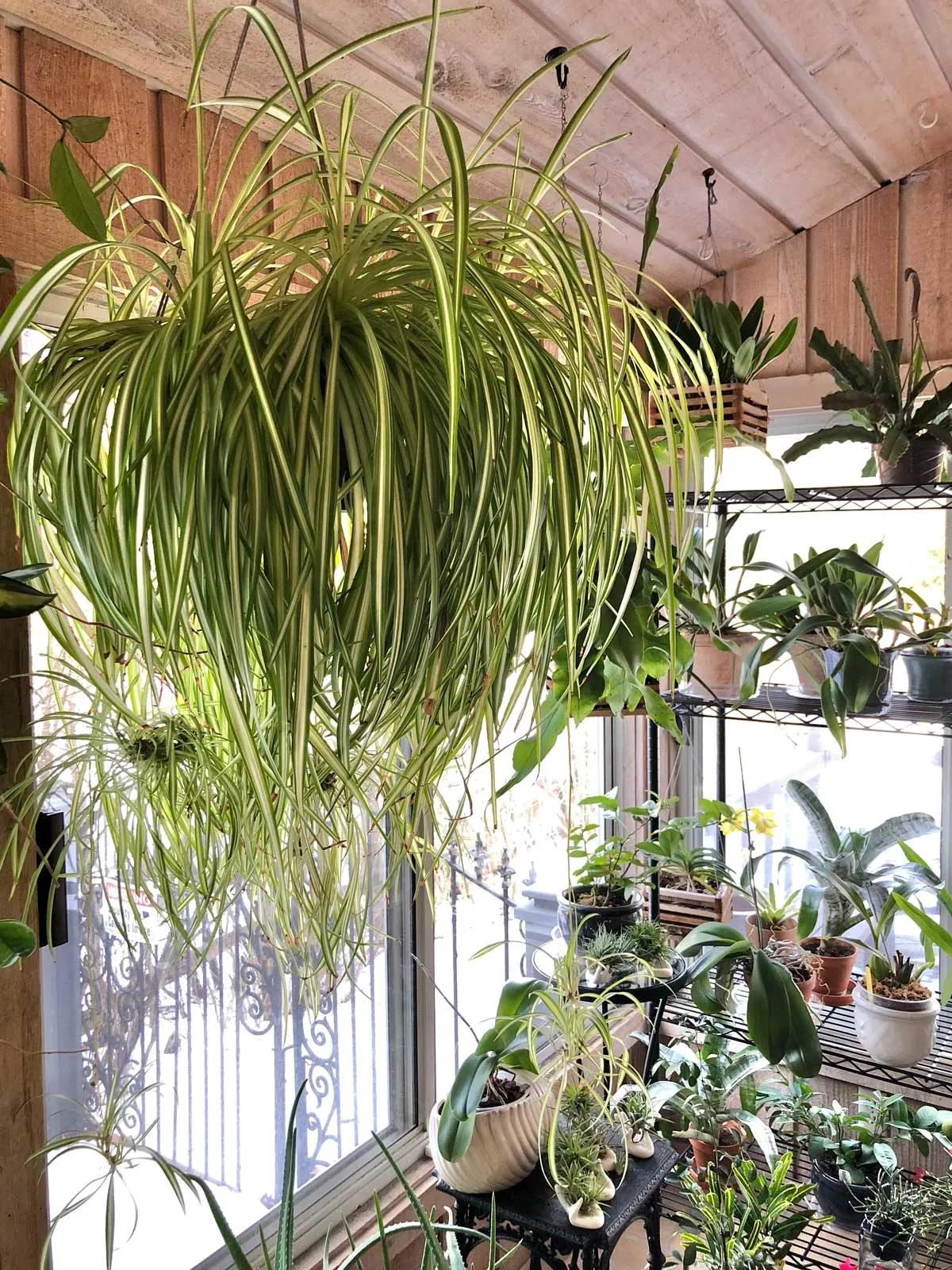
Credit: www.ohiotropics.com
Signs Of Thirst
Knowing when a spider plant needs water is key to keeping it healthy. Plants show clear signs when they are thirsty. Recognizing these signs helps prevent damage and keeps your plant vibrant.
Spider plants give signals through their soil, leaves, and pot weight. Each sign offers a clue about the plant’s hydration status. Checking these regularly keeps your plant happy.
Soil Dryness Check
Stick your finger about one to two inches into the soil. If the soil feels dry, it is time to water. Moist soil means the plant still has enough water. This simple test helps avoid overwatering or underwatering.
Leaf Appearance Changes
Look at the leaves for changes in shape or color. Droopy or limp leaves often mean the plant is thirsty. Brown tips or edges also suggest a lack of water. Healthy leaves stay firm and green.
Pot Weight Test
Lift the pot to feel its weight. A dry pot is much lighter than a well-watered one. This quick test shows if the soil inside is dry or moist. Use this method to avoid guesswork in watering.
Environmental Impact
The environment around a spider plant plays a crucial role in its watering needs. Different factors like light, humidity, and temperature affect how quickly the soil dries. Understanding these can help you water your spider plant just right. Overwatering or underwatering can harm the plant’s health. Knowing the environmental impact helps keep your spider plant healthy and thriving.
Light Exposure Effects
Spider plants in bright light use water faster. The soil dries out quicker under strong sunlight. In shaded areas, the plant needs less water. Too much light may cause leaf burn. Monitor light and adjust watering to match.
Humidity Levels Influence
High humidity slows soil drying. Spider plants in humid rooms need less water. Dry air makes the soil dry faster. Use a humidity meter to check levels. Adjust watering based on how moist the air feels.
Temperature Considerations
Warm temperatures increase water use. Spider plants in hot rooms dry out fast. Cooler rooms slow down water needs. Keep the plant away from drafts and heaters. Water frequency depends on the room’s temperature.
Water Quality Tips
Water quality plays a key role in keeping your spider plant healthy. Poor water can cause leaf browning and slow growth. Understanding how to prepare water can improve plant care. Use clean, chemical-free water to avoid stress on your spider plant.
Here are simple tips to ensure the best water quality for your spider plant.
Avoiding Chemicals In Tap Water
Tap water often contains chlorine and fluoride. These chemicals can harm spider plants and cause brown leaf tips. Avoid using water straight from the tap. Letting water sit or using alternative water types helps reduce chemical exposure.
Using Filtered Or Distilled Water
Filtered water removes many harmful chemicals and impurities. Distilled water is free from minerals and additives. Both options are safer for spider plants. Using filtered or distilled water supports healthier leaves and roots.
Letting Water Sit Before Use
Leaving tap water out for 24 hours lets chlorine evaporate naturally. This simple step improves water quality without extra cost. Use a clean container and cover it loosely to keep dust out. This water is gentler on your spider plant.
Watering Techniques
Watering spider plants properly helps them stay healthy and vibrant. Using the right techniques ensures the plant receives enough moisture without harm. Understanding how to water spider plants supports their growth and prevents common problems like root rot or dry leaves.
Consistent Moisture Maintenance
Keep the soil evenly moist but not soggy. Water the plant when the top inch of soil feels dry. Check soil moisture regularly to avoid letting it dry out too much. Consistent watering supports steady growth and healthy leaves.
Avoiding Overwatering
Too much water can harm spider plants by causing root rot. Ensure pots have drainage holes to let excess water escape. Water less often in cooler months when the plant grows slower. Always let the soil surface dry slightly between waterings.
Best Practices For Small Pots
Small pots dry out faster and need more frequent watering. Check soil moisture daily in warm weather. Use a spray bottle to mist leaves occasionally for added humidity. Avoid letting small pots sit in standing water to prevent root damage.
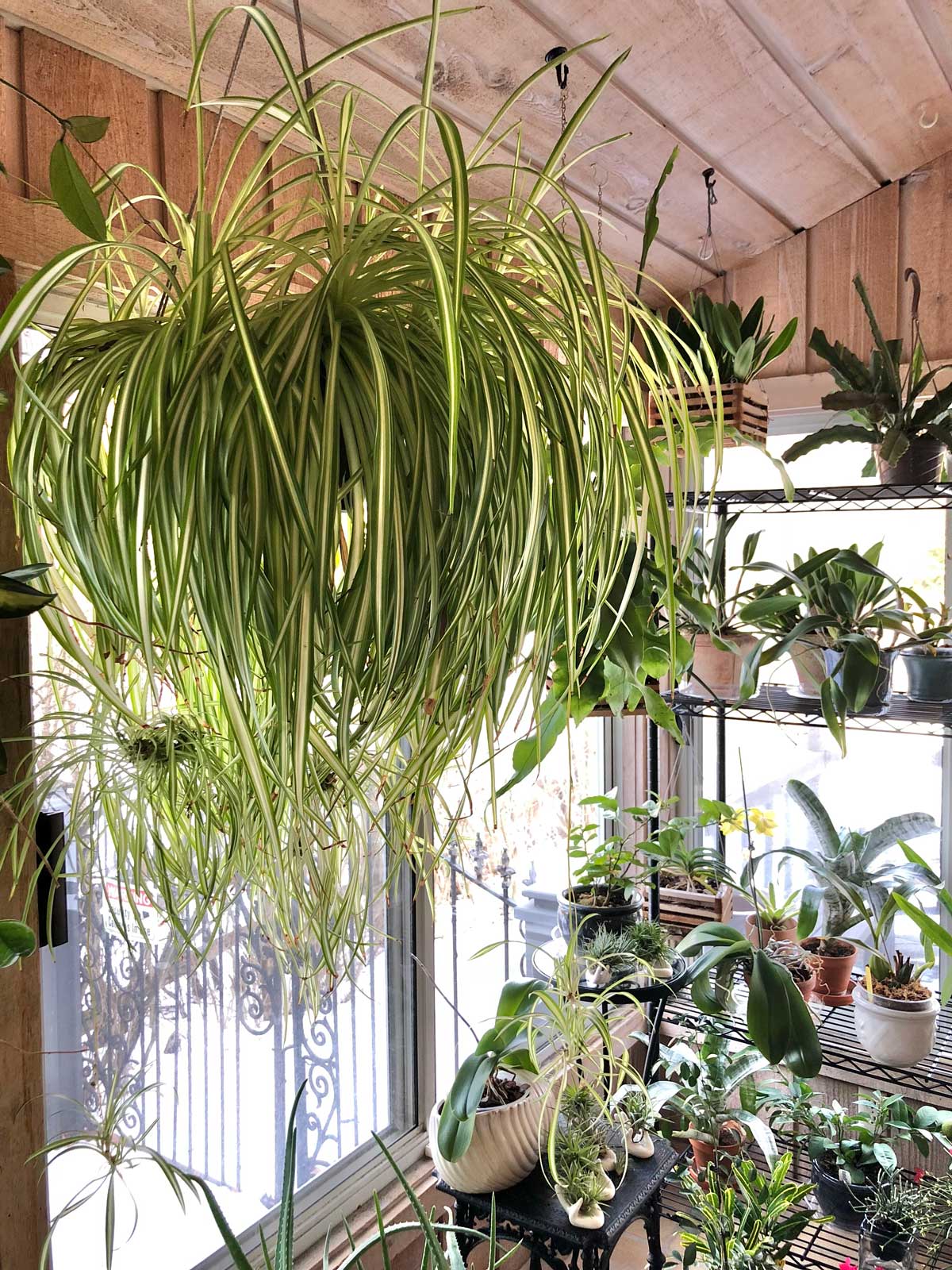
Credit: www.ohiotropics.com
Common Watering Mistakes
Watering a spider plant may seem simple, but common mistakes can harm its health. Many plant owners either water too much or too little. These errors stress the plant and affect its growth. Knowing the right way to water prevents damage and keeps your spider plant thriving.
Ignoring Soil Moisture
Soil moisture is the best guide for watering. Some people water on a fixed schedule without checking soil dampness. This leads to overwatering or underwatering. Always stick your finger about an inch into the soil. If it feels dry, it is time to water. Wet soil means wait before watering again.
Frequent Overwatering Signs
Overwatering is a common mistake for spider plants. It causes root rot and yellow leaves. Watch for soggy soil and a musty smell. Leaves may turn yellow or soft. The plant can look wilted, even with wet soil. Cut back on watering and let the soil dry out.
Dealing With Brown Leaf Tips
Brown tips on leaves often signal watering problems. Too much water or inconsistent watering causes this. Tap water with chemicals like chlorine can also harm the leaves. Use filtered water or let tap water rest before use. Trim brown tips carefully to improve the plant’s look.
Seasonal Care Adjustments
Spider plants need different watering care through the year. Seasonal changes affect how much water the plant uses. Adjusting watering habits helps the plant stay healthy and strong. Understanding these seasonal needs is key for good plant care.
Reducing Water In Dormant Periods
During winter, spider plants grow slowly. Their water needs drop. Water less to avoid root rot. Let the soil dry more between waterings. The plant uses less water in cooler, darker months. Overwatering can harm the plant now. Check soil moisture before watering. If soil feels damp, wait longer to water.
Increasing Water In Growth Phases
Spring and summer bring active growth. Spider plants need more water during this time. Keep the soil evenly moist but not soggy. Water more often, especially if the plant is in a warm spot. New leaves and shoots require extra moisture. Watch the top inch of soil closely. When dry, it is time to water again. This supports healthy growth and vibrant leaves.
Frequently Asked Questions
How Do I Know If My Spider Plant Needs Water?
Check the top 1-2 inches of soil; if dry, your spider plant needs water. Wilting leaves and a light pot also signal thirst. Water promptly to keep it healthy.
Do Spider Plants Need Direct Sunlight?
Spider plants prefer bright, indirect sunlight. Avoid direct sunlight, as it can scorch their leaves and cause damage.
Do You Water A Spider Plant From The Top Or Bottom?
Water spider plants from the top by watering the soil directly until it drains out the bottom. Avoid watering leaves.
Should I Cut The Brown Tips Off Of My Spider Plant?
Yes, cut brown tips off your spider plant to improve appearance and prevent further damage. Use clean, sharp scissors and trim carefully.
Conclusion
Spider plants need water when the top soil feels dry. Check the soil with your finger regularly. Watch the leaves for drooping or brown tips. Lift the pot to feel if it is light. Water less during winter when the plant grows slower.
Adjust watering based on room temperature and humidity. Using filtered or rested water helps prevent leaf damage. Regular, careful watering keeps your spider plant healthy and happy. Simple care makes a big difference in its growth. Keep these tips in mind for best results.