How to Keep House Plants Watered When on Vacation: Easy Tips

Leaving your house plants behind when you go on vacation can feel risky. You worry—will they dry out and wither while you’re away?
The last thing you want is to come home to thirsty, drooping leaves or worse, dead plants. But don’t let watering your plants hold you back from enjoying your trip. With a few simple tricks, you can keep your plants healthy and hydrated no matter how long you’re gone.
In this guide, you’ll discover easy, effective methods to keep your house plants watered while you relax on vacation. Ready to learn how to vacation-proof your green friends? Keep reading to unlock stress-free solutions that work every time.
Credit: www.proflowers.com
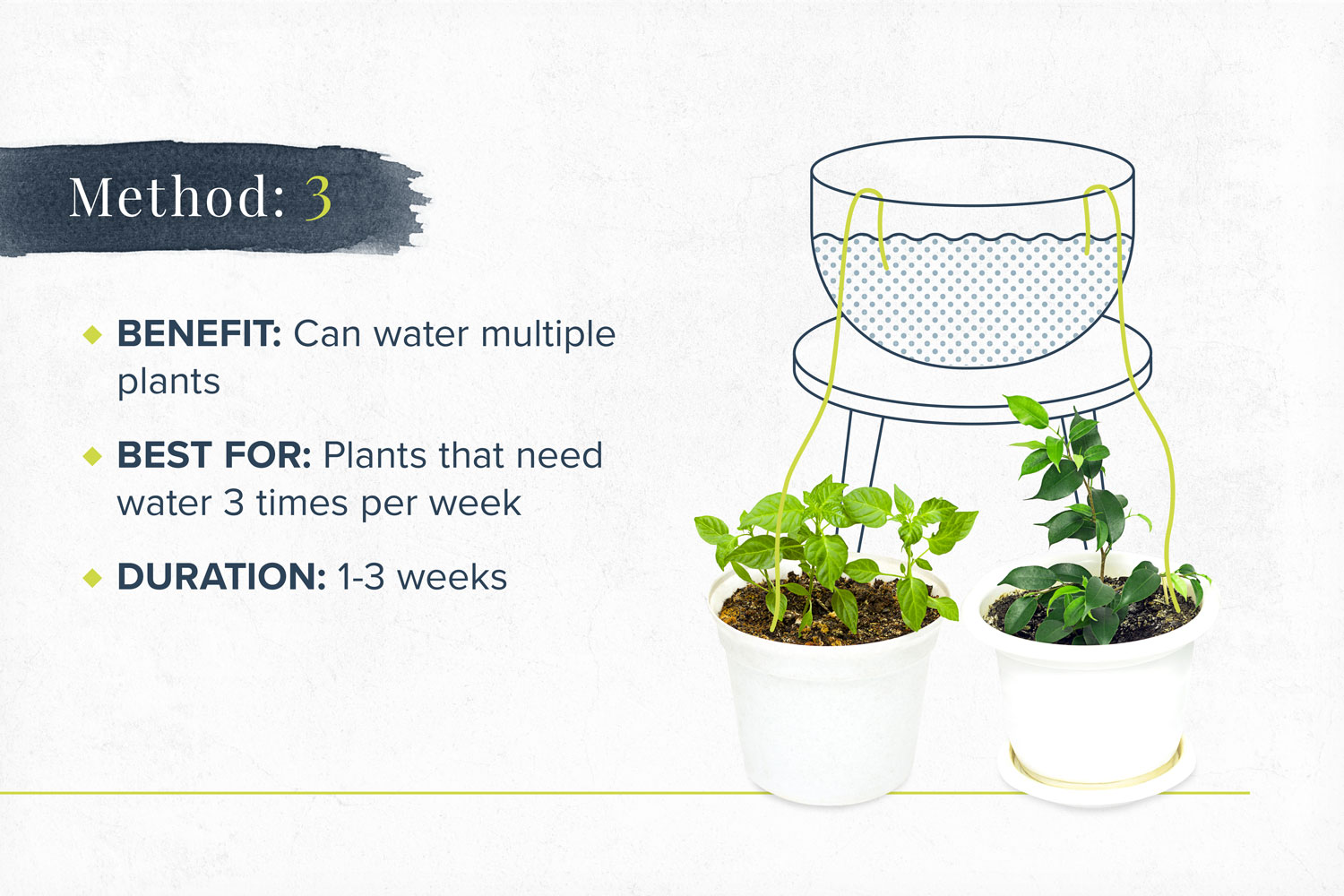
Diy Watering Wick
The DIY watering wick is a simple way to keep your house plants hydrated while you are away. It works by drawing water from a container into the soil slowly. This method uses basic materials and requires minimal setup. It helps your plants stay healthy on short or medium trips without daily watering. Anyone can make a watering wick with items found at home or a local store.
Materials Needed
- A container to hold water, like a jar or bowl
- An absorbent material such as cotton string, a strip of cloth, or an old rag
- Your plant’s pot with soil
Setup Instructions
- Fill the container with clean water.
- Place one end of the wick material into the water.
- Insert the other end gently into the soil near the plant’s roots.
- Make sure the wick is secure and will not move out of place.
- The wick will slowly pull water to the soil as it dries.
Best Trip Duration
The watering wick works well for trips lasting up to 1-2 weeks. The amount of water in the container controls how long it can provide moisture. For longer trips, use a larger water reservoir or combine with other watering methods. Check your plant’s needs before leaving to adjust wick length and water amount. This method is ideal for plants that prefer steady, light watering.
Upside-down Bottle Drip
The upside-down bottle drip is a simple and effective way to keep house plants watered during vacations. It releases water slowly and steadily into the soil. This method requires minimal setup and can last for several days.
By using a bottle filled with water, you create a self-watering system. The water drips out through small holes, preventing overwatering. It works well for plants that need consistent moisture.
Tools And Supplies
- Plastic or glass bottle (16-32 oz)
- Nail, pin, or small drill to make holes
- Water
- Optional: tape to secure bottle
Step-by-step Guide
- Clean the bottle thoroughly.
- Make 2-3 small holes in the bottle cap or bottom.
- Fill the bottle with water.
- Screw the cap back on tightly.
- Turn the bottle upside-down.
- Push the bottle neck into the soil near the plant’s roots.
- Adjust hole size if water drips too fast or slow.
Ideal Plant Types
This method suits plants that like steady moisture, such as ferns and peace lilies. It works well for medium to large pots with loose soil. Avoid using it with succulents or cacti, which need less water. Plants sensitive to waterlogging may not do well with this drip system.
Bathtub Moisture Method
The Bathtub Moisture Method offers a smart way to keep your house plants hydrated during vacation. It uses the natural humidity and coolness of your bathroom to maintain moisture. This method is simple and requires minimal effort. It is especially useful when caring for several plants at once. Let’s explore how to prepare, its benefits, and which plants thrive with this approach.
Preparation Steps
First, clean your bathtub thoroughly to avoid any residue. Place a layer of damp towels or a moisture-retentive mat on the tub floor. Set your potted plants on top, making sure their pots have drainage holes. Keep the bathroom door closed to trap humidity inside. Run a hot shower for a few minutes before leaving to increase moisture. Turn off the water and leave the plants in the moist environment. This setup helps keep soil damp and reduces watering frequency.
Benefits For Multiple Plants
This method works well with many plants at once. The bathroom’s humidity creates a microclimate that slows water loss. Grouping plants together boosts humidity around them. It prevents soil from drying too fast and reduces plant stress. The bathtub space is often large enough to hold a variety of pots. It also limits the mess that watering multiple plants might cause elsewhere.
Suitable Plant Varieties
Plants that love humidity benefit most from this method. Ferns, peace lilies, and spider plants thrive in moist air. Tropical plants also enjoy the consistent moisture around their leaves. Succulents and cacti do not suit this method as they prefer dry conditions. Check your plant’s water and humidity needs before using the bathtub technique. It’s a gentle way to care for moisture-loving plants during short trips.
Mini-greenhouse Technique
The Mini-Greenhouse Technique helps keep house plants moist during vacations. It creates a small, humid environment around your plants. This reduces water loss and keeps soil damp longer. This method works well for plants that like humidity and steady moisture. It also protects plants from too much sun and drying air.
Required Materials
- Clear plastic bag or large plastic container
- Small stakes or sticks to hold the plastic up
- Twist ties or rubber bands
- Tray or plate to catch excess water
- Optional: spray bottle for misting
Assembly Process
Start by watering your plants well, but avoid waterlogging the soil. Place the pot on a tray or plate to catch drips. Insert small stakes around the plant to hold the plastic above it without touching leaves. Cover the plant and stakes with the clear plastic bag or container. Seal the bottom with twist ties or rubber bands to trap humidity. Check the mini-greenhouse daily for condensation and air it briefly to prevent mold. Mist the plants lightly if needed.
Advantages For Longer Trips
The mini-greenhouse keeps soil moist for many days. It slows down evaporation by trapping humidity. Plants stay hydrated without daily watering. This method protects delicate leaves from drying out. It reduces the risk of overwatering or underwatering. The mini-greenhouse also shields plants from temperature changes. Perfect for trips lasting up to two weeks or more.
Self-watering Options
Self-watering options help keep your house plants hydrated without daily care. These methods provide water slowly and steadily. They reduce the risk of overwatering or drying out. Using self-watering tools lets you enjoy your vacation stress-free. Here are some easy options to try.
Self-watering Containers
Self-watering containers have a built-in reservoir. The plant draws water from this reservoir as needed. This system keeps soil moist for days or weeks. It prevents waterlogging by controlling moisture levels. You just fill the reservoir before leaving. These containers work well for many common houseplants.
Watering Globes
Watering globes release water slowly into the soil. Fill the globe with water and insert it into the pot. Water seeps out through the narrow neck to hydrate the roots. They come in glass or plastic and are easy to use. Watering globes suit small to medium plants and short trips.
Grouping Plants For Humidity
Grouping plants close together raises humidity around them. Higher humidity reduces water loss from leaves. Place plants on a tray with pebbles and water to boost moisture. This natural method helps plants stay hydrated longer. It works best for tropical and humidity-loving plants.

Credit: www.thesill.com
Pre-trip Plant Care
Preparing your house plants before a trip is crucial. Pre-trip plant care helps ensure they stay healthy and hydrated. Taking some simple steps can reduce stress on your plants while you are away. Focus on watering, light, temperature, and pruning to keep them in good shape.
Thorough Watering Tips
Water your plants deeply before leaving. This allows water to reach the roots fully. Avoid shallow watering that only moistens the surface. Check that pots have good drainage to prevent waterlogging. Use room temperature water to avoid shocking the plants. Watering well helps plants store moisture for days.
Adjusting Light And Temperature
Move plants away from direct sunlight to reduce water loss. Bright, indirect light works best during your absence. Lower the room temperature slightly to slow down plant growth. Cooler temperatures reduce evaporation and water needs. Avoid placing plants near heaters or air conditioners that dry the air.
Pruning And Maintenance
Trim dead or yellow leaves before you leave. This prevents disease and reduces water use. Cut back long or leggy growth to balance the plant. Remove any fallen leaves from the soil surface. Clean leaves gently to improve photosynthesis. Healthy plants cope better with less care.
Choosing The Right Method
Choosing the right method to keep your house plants watered during vacation is crucial. Different plants have different water needs and care routines. Selecting a method that fits your plants ensures they stay healthy and happy. This section helps you decide which watering technique suits your situation best.
Matching Methods To Plant Needs
Some plants need constant moisture. Others prefer drying out between watering. Succulents and cacti need less water. Tropical plants usually need more. Choose a method that matches your plant’s water needs. For example, a watering wick works well for thirsty plants. For succulents, a slow drip might be too much. Pay attention to how your plants react to watering before you leave.
Considering Trip Length
Short trips require less complex solutions. Water plants thoroughly before leaving. This keeps them hydrated for a few days. For longer trips, use slow watering methods. Self-watering systems or water bottles with holes work well. The length of your trip affects how much water your plants need. Plan your watering method based on how long you will be gone.
Combining Techniques
Sometimes, one method is not enough. Combine techniques for better results. Use a watering wick with a plastic bottle drip system. This helps keep soil moist for longer. Group plants together to create a mini-greenhouse effect. This reduces water loss. Mixing methods offers more control and keeps plants hydrated during longer absences.
Frequently Asked Questions
How To Keep Your Indoor Plants Watered While On Vacation?
Use watering wicks or upside-down bottles to slowly drip water into soil. For many plants, try the bathtub method with a wet towel. Create mini-greenhouses using plastic bags to retain moisture. Water thoroughly before short trips. These DIY methods keep indoor plants hydrated during vacations.
How Do I Leave My Houseplants For 2 Weeks?
Water plants thoroughly before leaving. Use a watering wick or upside-down bottle for slow irrigation. Group plants in a humid spot or create a mini-greenhouse with plastic bags. These methods keep soil moist for up to two weeks, ensuring your houseplants stay healthy while away.
How Do You Make A Self-watering System For Indoor Plants?
Create a self-watering system by placing a water container beside the plant. Insert a cotton wick from the container into the soil. The wick draws water slowly, keeping the soil moist. Adjust wick thickness and water level for your plant’s needs.
How Long Can My Houseplants Go Without Water?
Houseplants can typically survive 3 to 7 days without water, depending on species and environment. Succulents last longer, up to 2 weeks. Always check soil moisture to avoid over- or under-watering. Use DIY watering methods for longer absences to keep plants healthy.
Conclusion
Keeping your house plants healthy while you travel takes simple planning. Choose a watering method that fits your trip length and plant type. Test your system before you leave to avoid surprises. Remember, plants need steady moisture, not floods. With a little effort, your plants will thrive until you return.