How Often Tomato Plants Should Be Watered
Growing healthy tomato plants can be incredibly rewarding, but one common question that often puzzles gardeners is: how often should you water your tomato plants? Watering too little can leave your plants thirsty and stressed, while overwatering can drown their roots and invite disease.
Getting the balance just right is key to enjoying a bountiful tomato harvest. You’ll discover simple, practical tips to know exactly when and how much to water your tomato plants so they thrive all season long. Keep reading to avoid common watering mistakes and boost your garden’s success!

Credit: savvygardening.com
Water Needs Of Tomato Plants
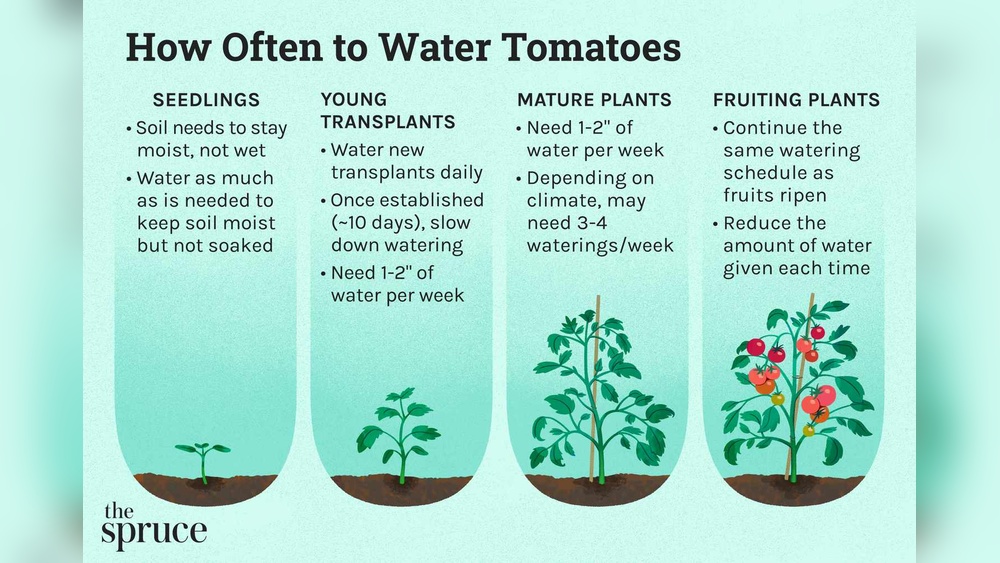
Tomato plants need the right amount of water to grow healthy and produce tasty fruits. Water helps tomato roots absorb nutrients from the soil. It also supports the plant’s overall structure and fruit development. Knowing how often to water tomato plants depends on several factors, including weather, soil type, and plant size.
Daily Vs. Weekly Watering
Tomato plants do not need watering every day unless the weather is very hot and dry. In most cases, watering deeply once or twice a week is better than light daily watering. Deep watering encourages roots to grow deeper into the soil. This makes the plant stronger and more drought-resistant. Daily watering can keep the soil too wet, causing root problems and diseases. Adjust watering based on rainfall and temperature changes.
Soil Moisture Levels To Watch
Check soil moisture before watering tomato plants. The top two inches of soil should feel dry before watering again. Use your finger or a moisture meter to test the soil. Avoid letting soil become soggy or stay too dry. Soil that is too wet can lead to root rot. Soil that is too dry stresses the plant and reduces fruit quality. Keep soil evenly moist for the best tomato growth.

Credit: savvygardening.com
Signs Of Overwatering
Overwatering tomato plants causes serious damage. It affects root health and plant growth. Knowing the signs of overwatering helps save your plants early. Watch for changes in leaf color, texture, and stem condition. Early detection prevents diseases and plant death.
Yellowing And Spotted Leaves
Leaves turn yellow or show spots when overwatered. The texture feels soft or soggy, not crisp. This happens because excess water reduces oxygen in the soil. Roots struggle to breathe and cannot support healthy leaves. Yellowing starts on older leaves and spreads upward.
Wilting Despite Moist Soil
Wilting usually means lack of water, but overwatered plants can wilt too. Roots get damaged or suffocated by too much water. The plant loses its ability to take in water properly. Leaves droop even though the soil feels wet. This is a clear sign of root trouble.
Soggy Branches And Heavy Foliage
Branches may look swollen and feel soft from excess water. Leaves become heavy and droop downward. The plant appears limp and weak. This happens because waterlogged roots cannot support the plant’s weight. Soggy stems increase the risk of fungal infections.
Avoiding Overwatering
Overwatering tomato plants can cause serious harm. It drowns roots and invites diseases. Avoiding this issue keeps plants healthy and productive. Use careful watering habits to protect your tomato plants.
Checking Soil Before Watering
Always check the soil before watering tomato plants. Stick your finger two inches into the soil. If it feels dry, it is time to water. If soil is moist, wait another day to check again.
Ensuring Proper Drainage
Good drainage prevents water from pooling around roots. Use pots with drainage holes or plant in well-draining soil. Avoid heavy clay soil that holds too much water. Proper drainage helps roots breathe and grow strong.
Watering At The Plant Base
Water only at the base of the tomato plant. Avoid wetting leaves to reduce fungal diseases. Direct water to the soil near roots. This method helps plants absorb water efficiently.
Best Time To Water
Water tomato plants early in the morning. Morning watering reduces evaporation loss during the day. It also allows leaves to dry quickly, preventing disease. Avoid watering late in the day or at night.
Using Mulch For Moisture Retention
Apply mulch around tomato plants to keep soil moist longer. Mulch reduces water evaporation and keeps roots cool. Use straw, grass clippings, or shredded leaves as mulch. Mulching helps reduce how often you need to water.
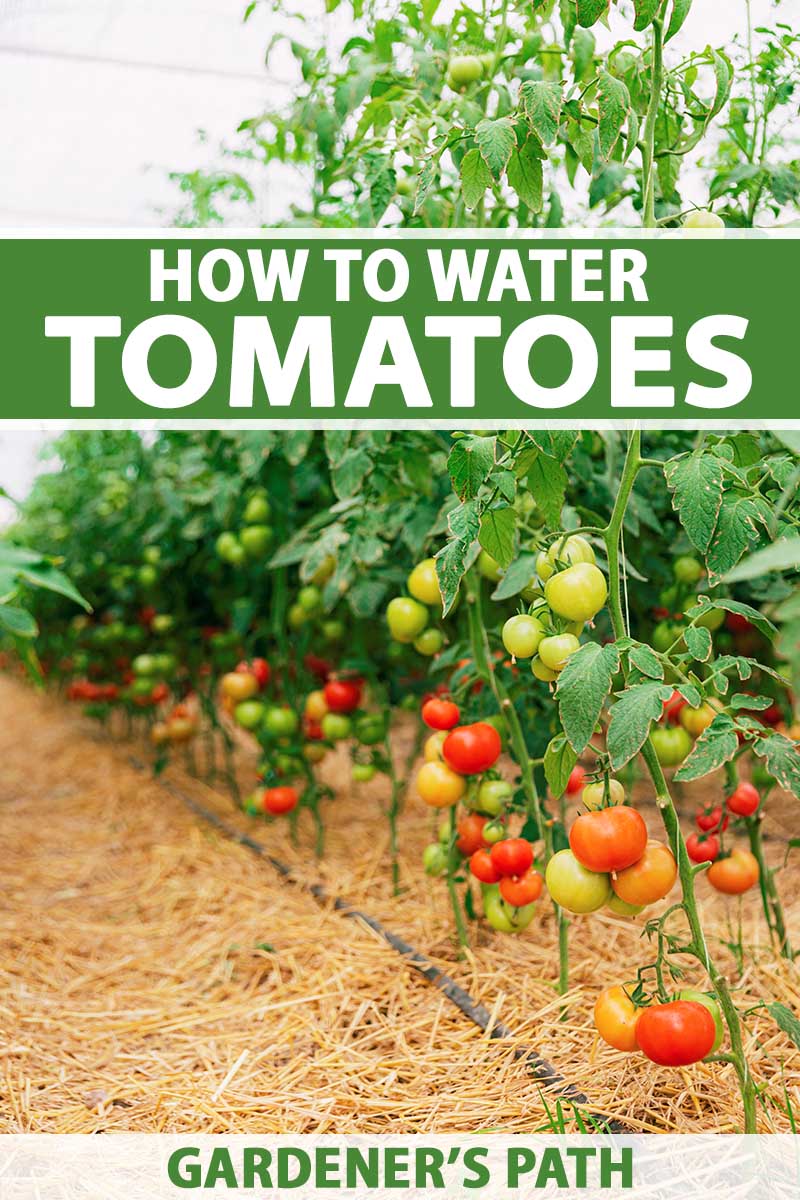
Credit: gardenerspath.com
Dealing With Overwatered Plants
Overwatering tomato plants can harm their health quickly. Too much water drowns roots and stops oxygen flow. Leaves may turn yellow or wilt even if soil is wet. The plant struggles to grow and fight diseases. Acting fast can save your tomato plants from serious damage.
Steps To Save Your Tomato Plants
First, stop watering immediately. Let the soil dry out before watering again. Remove any standing water around the roots. Check for root rot by gently pulling the plant out of soil. Trim away any black or mushy roots using clean scissors. Improve soil drainage by adding sand or organic matter. If the plant is in a pot, ensure drainage holes are clear. Move the plant to a place with good air circulation. Avoid watering the leaves to prevent fungal infections. Use mulch to help soil dry more evenly and protect roots.
Adjusting Watering Habits
Water tomato plants only when the soil is dry up to two inches deep. Use your finger to test soil moisture before watering. Water deeply but less often to encourage strong roots. Focus watering on the base of the plant, not on leaves. Water early in the morning to reduce evaporation loss. Avoid watering late in the day to prevent prolonged wet leaves. Check pots often since they dry faster than garden soil. Adjust watering frequency in hot or dry weather to keep plants healthy. Follow these habits to keep tomato plants well-watered and thriving.
Watering In Different Conditions
Tomato plants need different amounts of water based on weather and planting method. Adjusting your watering routine helps keep plants healthy. Soil moisture and plant needs change with heat, rain, and container size. Understanding these factors improves tomato growth and fruit quality.
Watering During Hot Weather
Hot weather increases water loss from soil and leaves. Tomato plants need more water to stay hydrated. Water deeply to reach the roots. Shallow watering causes weak root growth. Early morning watering reduces evaporation and gives plants water all day. Avoid watering leaves to prevent diseases.
Adjusting For Rainy Periods
Rain provides natural watering, so reduce or skip watering after heavy rain. Too much water can harm tomato roots and cause yellow leaves. Check soil moisture before watering. If soil feels wet, wait before watering again. Drainage is important to avoid waterlogged soil. Mulch helps control moisture during rainy days.
Container Vs. Ground Planting
Containers dry out faster than ground soil, so container plants need more frequent watering. Check containers daily in hot weather. Ground plants have deeper soil and hold water longer. Water ground plants deeply but less often. Containers need good drainage to prevent root rot. Adjust watering based on plant size and pot material.
Additional Care Tips
Tomato plants need more than just proper watering to thrive. Paying attention to additional care helps keep plants healthy and productive. These extra steps prevent common problems and improve growth.
Removing Yellow Leaves
Yellow leaves can drain energy from your tomato plant. Remove these leaves quickly to help the plant focus on healthy growth. Use clean scissors to cut yellow leaves at the base. This also reduces the chance of disease spreading.
Improving Air Circulation
Good air flow keeps tomato plants strong and dry. Space plants well to avoid overcrowding. Trim lower leaves that touch the soil to boost air movement. This helps the plant breathe and reduces humidity around it.
Preventing Fungal Diseases
Fungal diseases thrive in wet, crowded conditions. Water plants at the base to keep leaves dry. Use mulch to keep soil moisture steady and prevent soil splash. Remove any infected leaves immediately to stop disease from spreading.
Frequently Asked Questions
Can You Overwater Tomato Plants?
Yes, overwatering tomato plants harms roots, causes yellow leaves, and promotes diseases. Water only when soil’s top 2-3 inches are dry. Ensure good drainage and avoid watering leaves.
Do You Need To Water Tomatoes Every Day?
Tomatoes need watering when the top 2-3 inches of soil dry out. Avoid daily watering to prevent root damage. Water deeply at the base early in the day. Use mulch to retain moisture and check soil regularly to maintain healthy growth.
Should I Cut Off Yellow Leaves On Tomato Plants?
Yes, cut off yellow leaves to improve air circulation and prevent disease spread. Remove only severely yellow or dead leaves.
What Is The Best Way To Water Tomato Plants?
Water tomato plants deeply at the base once the top 2-3 inches of soil feel dry. Water early mornings to reduce evaporation. Avoid wetting leaves to prevent disease. Use mulch to retain soil moisture and ensure good drainage to prevent overwatering.
Conclusion
Tomato plants need regular but careful watering to stay healthy. Check soil moisture before watering each time. Water deeply at the plant base, not the leaves. Too much water causes root problems and weak plants. Too little water leads to dry soil and poor growth.
Mulch helps keep soil moist longer and protects roots. Water in the morning to reduce evaporation and disease risk. Watch your plants daily for signs of over or underwatering. Consistent, balanced watering supports strong tomato growth and better fruit. Simple care makes your tomato garden thrive all season long.