How Often Should Plants Be Watered: Essential Tips for Thriving Greens
Are you unsure how often you should water your plants? You’re not alone.
Giving your plants the right amount of water can feel like a tricky balancing act. Water them too little, and they start to wilt; too much, and their roots can rot. But what if there was a simple way to know exactly when your plants need a drink?
You’ll discover easy, practical tips to help you understand your plants’ unique watering needs—so you can keep them healthy and thriving without guesswork. Keep reading to unlock the secrets of watering your plants just right every time!

Credit: myplantin.com
Watering Frequency Basics
Understanding how often to water plants is key to keeping them healthy. Watering frequency depends on many factors like plant type, environment, and season. Watering too much or too little can harm your plants. This section covers the basics to help you water plants just right.
Seasonal Watering Needs
Plants grow faster in spring and summer. They need more water during these months. In fall and winter, growth slows down. Watering less often during colder months prevents root problems. Adjust watering habits based on the season for best results.
Indoor Vs Outdoor Plants
Indoor plants usually need less water than outdoor plants. Indoor air is often drier, but pots hold moisture longer. Outdoor plants face sun, wind, and rain. These factors make soil dry faster outside. Check each plant’s needs and environment before watering.
Soil Moisture Check
Always check soil moisture before watering. Stick your finger about two inches into the soil. If it feels dry, water the plant. If it is still moist, wait a few days. This simple test stops overwatering and keeps roots healthy.
Watering Techniques
Proper watering techniques help plants grow strong and healthy. Watering is not just about frequency but also about how you apply water. Using the right methods ensures roots get enough moisture without stress. Here are key techniques to follow for effective watering.
Deep Watering Method
Deep watering means soaking soil deeply, not just wetting the surface. This encourages roots to grow down and spread. Water slowly and thoroughly until it reaches the root zone. Shallow watering causes roots to stay near the surface and become weak. Deep watering helps plants survive dry periods better.
Drainage Importance
Good drainage prevents water from pooling around roots. Excess water can suffocate roots and stop oxygen flow. Pots should have holes to let water escape freely. Use well-draining soil or mix sand or perlite to improve drainage. Proper drainage keeps roots healthy and prevents diseases.
Avoiding Waterlogging
Waterlogging happens when soil stays too wet for long periods. It causes root rot and kills plants. Check for standing water after watering and remove it quickly. Water only when the top inch of soil feels dry. Avoid watering on cloudy or cool days to reduce water buildup.
Plant-specific Water Needs
Plants have different water needs based on their species and environment. Understanding these needs helps keep plants healthy and thriving. Some plants need constant moisture, while others survive with less water. Knowing your plant type guides proper watering habits.
Water-loving Plants
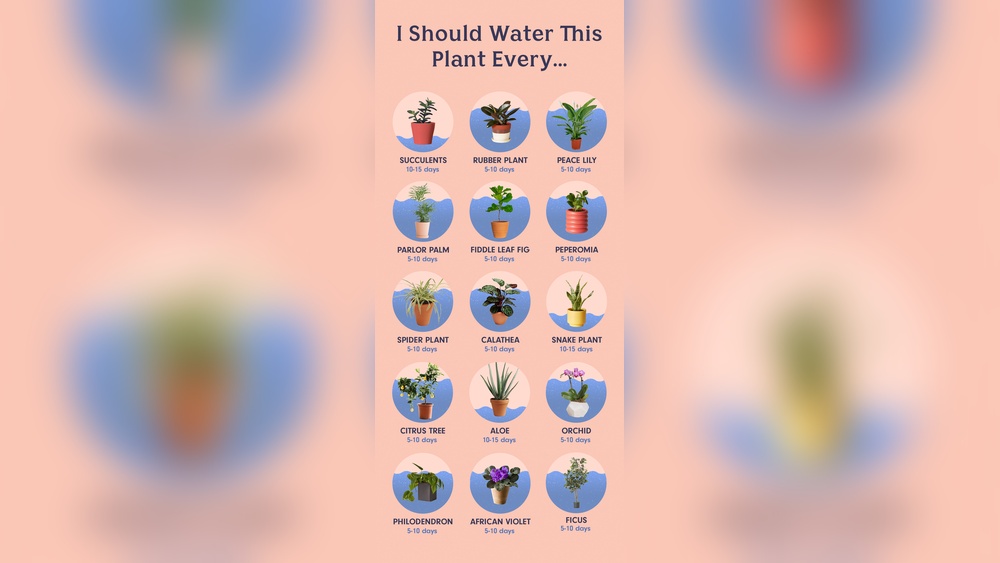
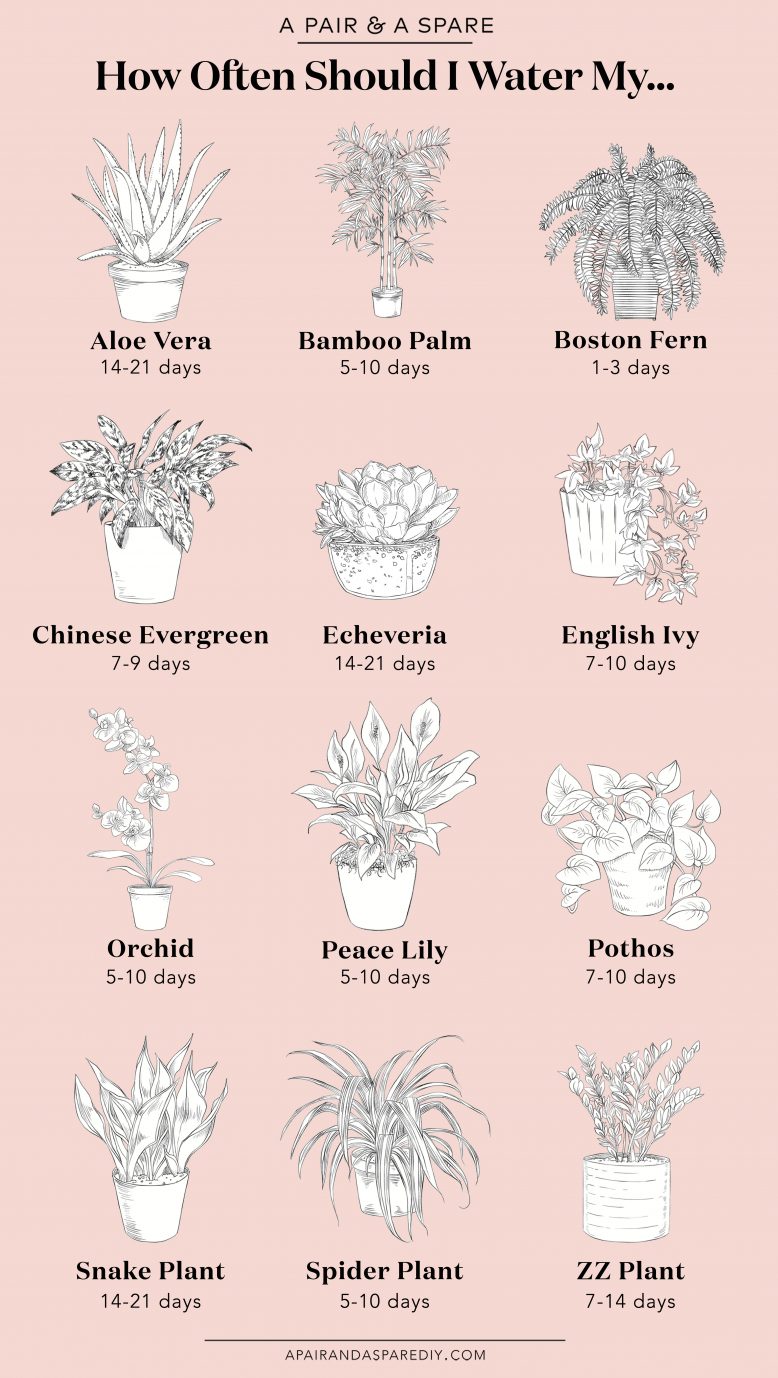
Water-loving plants need moist soil at all times. Ferns and peace lilies are good examples. Their roots should never dry out completely. Check the soil often and water when the top inch feels dry. These plants thrive in humid conditions and regular watering.
Drought-tolerant Varieties
Drought-tolerant plants like succulents and snake plants need less water. They store water in their leaves or stems. Let the soil dry out fully before watering again. Overwatering can harm these plants. They do well in dry, sunny spots with infrequent watering.
Adjusting For Plant Size And Type
Smaller plants dry out faster than larger ones. Adjust watering based on pot size and plant type. A large plant in a small pot needs more frequent watering. Also, young plants often require more water than mature ones. Monitor soil moisture regularly to meet each plant’s needs.
Credit: www.reddit.com
Signs Of Overwatering And Underwatering
Knowing the signs of overwatering and underwatering helps keep plants healthy. Both conditions stress plants and can cause damage. Identifying symptoms early prevents long-term harm. Watch your plants carefully for changes in appearance and soil condition. These clues reveal if your watering routine needs adjustment.
Common Symptoms
Overwatered plants often have yellowing leaves. Leaves may feel soft or limp. Root rot can cause a bad smell from the soil. Underwatered plants show dry, crispy leaves. They may wilt or droop. Growth slows and new leaves may be small or misshapen.
Soil And Leaf Indicators
Check the soil moisture regularly. Overwatered soil is soggy and stays wet for days. Underwatered soil feels dry and pulls away from the pot edges. Leaves of overwatered plants may develop brown spots or mold. Underwatered leaves turn brown at the edges first. Both problems can cause leaf drop.
Preventive Tips
Water plants only when the top inch of soil is dry. Use pots with drainage holes to avoid water buildup. Adjust watering frequency based on season and plant type. Avoid watering on a fixed schedule without checking soil moisture. Observe your plants daily to catch early signs of stress.
Environmental Factors Affecting Watering
Watering plants depends heavily on environmental factors. These factors change how quickly soil dries out. Understanding them helps you water plants correctly. It prevents both overwatering and underwatering. Here are the main environmental elements that affect watering.
Light Exposure
Plants in bright light use water faster. Sunlight heats the soil and leaves. This causes quicker evaporation. Plants in low light need less water. They grow slower and lose less moisture. Adjust watering based on how much light your plant gets.
Temperature Effects
Higher temperatures increase water needs. Warm air makes soil dry out fast. Cool temperatures slow down evaporation. Plants in hot rooms or outdoors need more frequent watering. In cooler places, water less often to avoid soggy soil.
Humidity Levels
Humidity affects how much water plants lose. Dry air pulls moisture from leaves and soil. This means more frequent watering is needed. High humidity slows water loss. Plants keep moisture longer and need less water. Check your local humidity to plan watering well.
Watering Tips For Busy Plant Owners
Busy plant owners often struggle to keep up with regular watering. Skipping watering can harm plants, but too much water can also cause damage. Adopting smart watering habits helps plants thrive even with a tight schedule. Here are simple tips for busy people who love plants.
Using Self-watering Systems
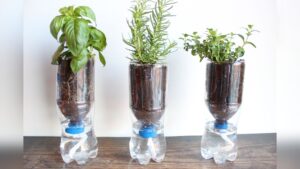
Self-watering pots are perfect for busy plant owners. These pots have a water reservoir that feeds the plant slowly. They keep soil moist for days or weeks. This reduces the need to water daily. Choose self-watering systems based on your plant type and pot size.
Watering While Away
Going on vacation or a trip? Leave a watering plan to keep plants healthy. Use drip irrigation kits or soak plant roots with water-absorbing crystals. You can also group plants together to create a humid microclimate. Ask a friend or neighbor to check on your plants if possible.
Scheduling Flexibility
Water plants based on their current needs, not a strict schedule. Check soil moisture regularly before watering. Adjust watering frequency depending on season and weather. Plants need more water in warm months and less in cold. Flexible scheduling saves water and keeps plants happy.
Credit: collectivegen.com
Frequently Asked Questions
How Often Should Indoor Plants Be Watered?
Water indoor plants once a week during spring and summer. Reduce watering in fall and winter. Check soil moisture before watering. Water thoroughly until drainage appears. Adjust watering based on plant type and indoor conditions to prevent overwatering or underwatering.
What Are The Three Rules Of Watering?
Check soil moisture before watering; water deeply until drainage appears; adjust frequency based on plant type and season.
How To Know If A Plant Needs Water?
Check the soil by inserting your finger two inches deep. Water when the soil feels dry, not moist. Watch for wilting leaves as a sign. Avoid overwatering by ensuring proper drainage and no standing water. Adjust watering frequency based on plant type and season.
Do All Plants Need To Be Watered Every Day?
Not all plants need daily watering. Check soil moisture; water when the top 1-2 inches feel dry. Adjust frequency by plant type and season.
Conclusion
Finding the right watering routine helps plants stay healthy and strong. Check soil moisture often to avoid overwatering or underwatering. Remember, seasons and plant types change water needs. Water deeply but let excess drain away. Adjust care based on your plant’s preferences and environment.
With simple attention, your plants will thrive and brighten your space. Keep learning and observing—they tell you what they need. Consistent care makes all the difference.