How Do Plant Watering Globes Work: Ultimate Guide to Easy Plant Care
If you’ve ever worried about keeping your plants perfectly watered, especially when life gets busy or you’re away for a few days, you might have come across plant watering globes. But how exactly do these little devices work, and can they really help you keep your plants healthy without constant attention?
Understanding how watering globes release water slowly and consistently can change the way you care for your green friends. You’ll discover the simple science behind watering globes, the benefits they offer, and the best tips to use them effectively for your plants.

Credit: www.youtube.com
How Watering Globes Work
Plant watering globes offer a simple way to keep soil moist without daily watering. These globes slowly release water into the soil. They respond to the soil’s moisture level. This helps plants get water as needed. Understanding their working helps in using them effectively.
Water Release Mechanism
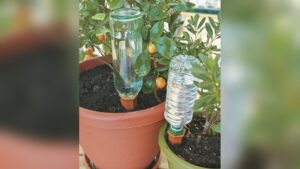
Watering globes are filled with water before use. The globe is then placed upside down into the soil. Water stays inside due to air pressure and soil resistance. As soil dries, it creates space for water to flow out. Water slowly drips from the globe’s neck into the soil. This steady release prevents water waste. It also stops the soil from becoming too dry.
Soil Moisture Interaction
The soil’s dryness controls the water flow from the globe. Dry soil pulls water out faster to regain moisture. Wet soil blocks water from leaving the globe. This balance keeps soil at a good moisture level. The globe releases water only when the plant needs it. This avoids overwatering and root rot. It also helps plants stay healthy over time.
Benefits Of Using Watering Globes
Using watering globes offers several advantages for plant care. They help keep soil moisture steady and reduce the need for daily watering. These globes are simple tools that support healthy plant growth and save time. Their design allows water to flow slowly into the soil, matching the plant’s needs. This slow release keeps the soil from drying out or becoming too wet.
Maintaining Consistent Moisture
Watering globes keep the soil evenly moist. Plants get water as the soil dries, which prevents sudden dry spells. Consistent moisture helps roots grow strong and healthy. This is especially good for plants that dislike dry soil. The steady water supply avoids stress caused by irregular watering.
Convenience For Short Trips
Watering globes are handy for short vacations or busy days. They supply water for several days without needing attention. This means plants stay hydrated while you are away. You do not need to worry about forgetting to water. It makes plant care easier and less stressful.
Preventing Overwatering
These globes release water slowly, stopping overwatering problems. Overwatering can cause root rot and harm plants. The globe only gives water when the soil needs it. This helps keep the right balance of moisture. Plants stay healthy without soggy soil or water waste.
Choosing The Right Plants
Choosing the right plants for watering globes ensures healthy growth and proper hydration. Not all plants respond well to this watering method. Understanding which plants thrive and which do not helps you make the best choice for your garden or indoor collection.
Plants That Thrive With Watering Globes
Watering globes work well for plants that prefer steady moisture. Examples include ferns, peace lilies, and spider plants. These plants enjoy soil that stays evenly damp. African violets also benefit from consistent watering without water sitting on leaves. Herbs like basil and mint do well too, as they like moist but not soggy soil. Tropical plants often prefer this gentle watering style. Watering globes provide a slow, steady flow that matches their water needs.
Plants To Avoid Using Globes
Cacti and succulents do not suit watering globes. These plants need dry soil between watering. Overwatering can cause root rot for these drought-tolerant plants. Orchids also dislike sitting in wet soil and need special care. Plants with very shallow roots might not absorb water well from globes. Trees and large shrubs need more water than globes can deliver. Avoid globes for plants with high water demands or those sensitive to too much moisture.
Credit: lexihome.com
Common Issues And Solutions
Plant watering globes help keep soil moist over time. Despite their convenience, some common issues may occur. Understanding these problems and their solutions improves your plant care success.
Simple fixes can prevent most problems. Knowing how to adjust globes for your plant’s needs ensures healthy growth. Here are common issues and how to solve them.
Preventing Clogs
Clogs block water flow and stop globes from working. Dirt and debris can easily block the narrow opening. Clean the globe regularly with warm water and a brush. Avoid using hard water, which can cause mineral buildup. Flushing the globe before use helps clear any blockages. Also, use clean soil to reduce clog risks.
Handling Limited Capacity
Globes have a fixed water capacity. Large plants or dry environments may need more water. Use multiple globes around bigger plants to increase water supply. Refill globes more often in hot or dry conditions. For plants with high water needs, consider combining globes with manual watering. Watch your plant’s soil to ensure it stays moist but not soggy.
Adjusting For Plant Water Needs
Different plants require different watering amounts. Some plants need more water than globes provide. Insert the globe deeper for slower water release or shallower for faster release. Observe how your plant reacts and adjust placement accordingly. Use smaller globes for plants that prefer less water. Check soil moisture regularly to avoid over or underwatering.
How To Use Watering Globes
Using watering globes is a simple way to keep plants hydrated. These globes slowly release water into the soil as it dries. This steady supply helps plants avoid both dryness and overwatering. Learning how to use them properly ensures your plants get just the right amount of water.
Filling And Inserting Globes
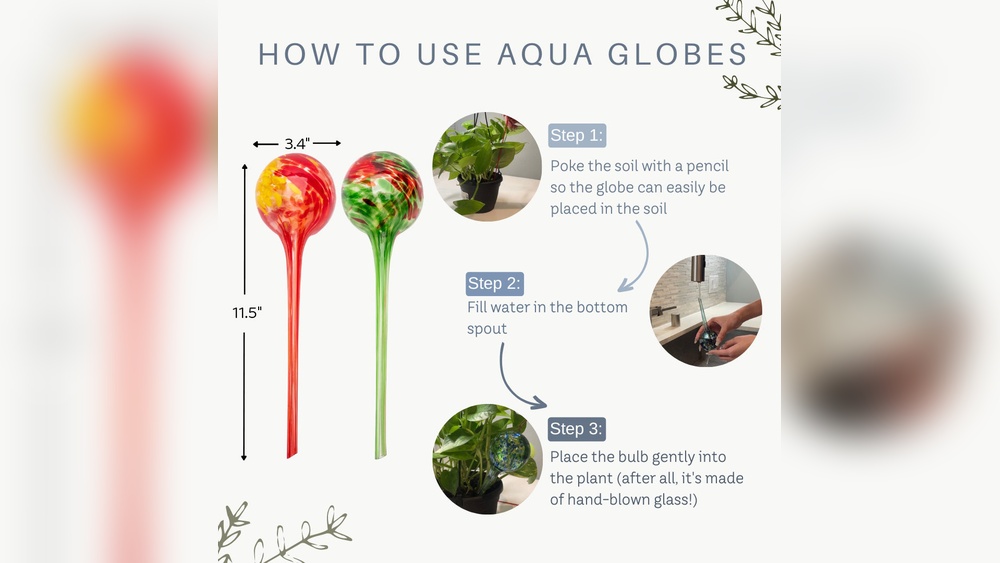
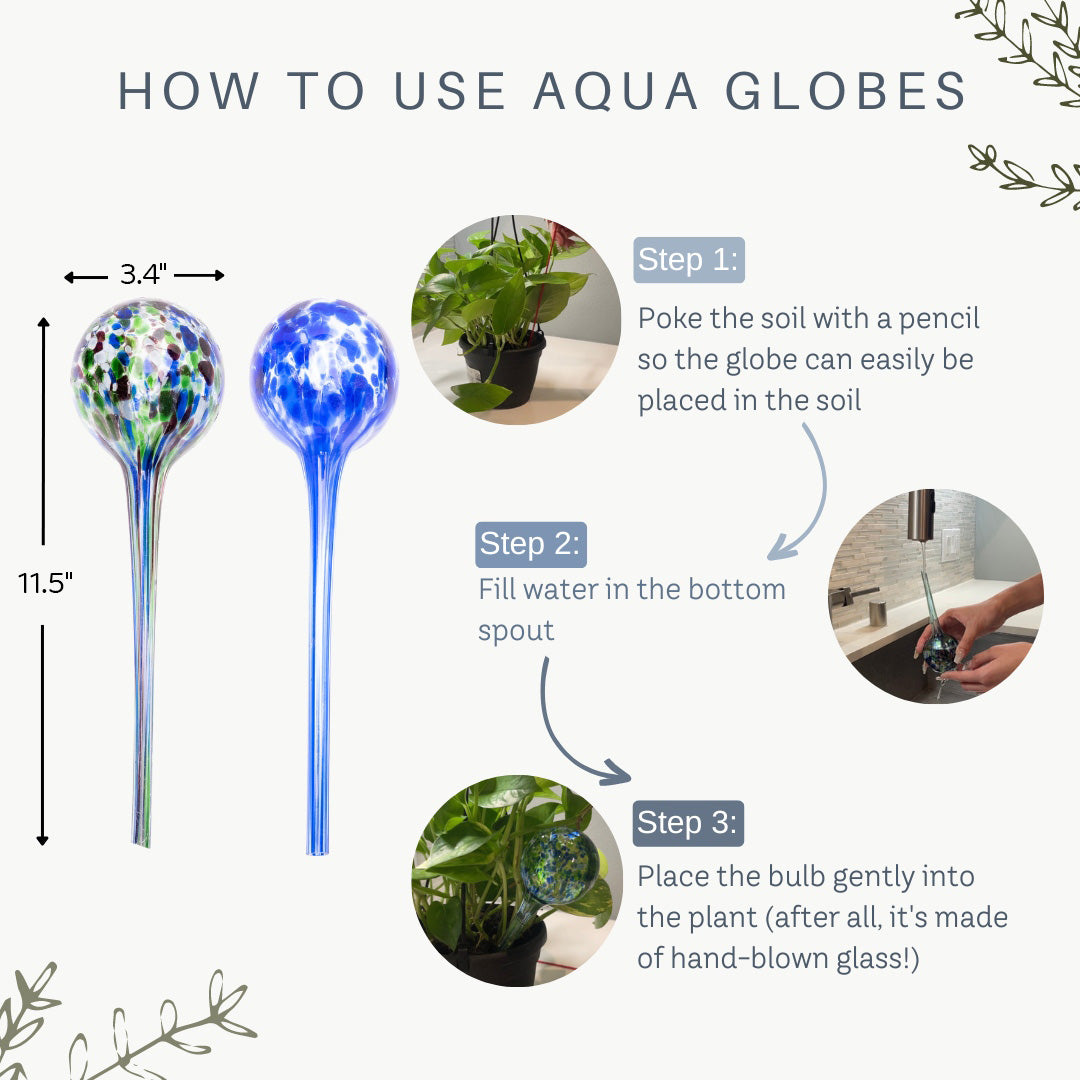
Start by filling the globe with clean water. Use a funnel or pour carefully to avoid spills. Once filled, turn the globe upside down.
Insert the narrow end of the globe into the soil near the plant’s roots. Push gently but firmly so it stands upright. The globe will slowly release water as the soil dries out.
Refilling And Cleaning Tips
Check the water level regularly and refill the globe when empty. Clean the globe before refilling to prevent algae or bacteria buildup.
Use warm, soapy water and a brush to scrub inside the globe. Rinse it well before refilling. Clean globes work better and last longer for your plants.
When Not To Rely On Watering Globes
Watering globes provide a simple way to keep plants moist without daily attention. Yet, they are not perfect for every situation or plant type. Understanding when not to rely on watering globes helps avoid harm to your plants and ensures better care. Some plants and conditions require more precise watering methods or long-term planning.
Long-term Plant Care
Watering globes work best for short periods, such as a few days or a week. They cannot replace regular watering routines for months. Soil moisture needs change with plant growth and weather. Globes do not adjust to these changes. Over time, they may clog or run dry without notice. For long-term care, it is better to water plants manually or use automated irrigation systems. These methods offer more control and accuracy.
Plants Preferring Dry Soil
Some plants need dry soil between waterings. Succulents and cacti fall into this group. Watering globes keep soil moist constantly, which can cause root rot in these plants. They do not allow the soil to dry properly. For plants that prefer dry conditions, hand watering is safer. Check soil moisture before watering to prevent overwatering. Avoid watering globes if your plant thrives in dry soil environments.
Credit: www.dutchgrown.com
Frequently Asked Questions
Do Plant Watering Globes Really Work?
Yes, plant watering globes work by releasing water as soil dries, maintaining consistent moisture. They suit short trips but aren’t ideal for all plants or long vacations.
Why Do My Water Globes Empty So Fast?
Water globes empty quickly due to dry soil absorbing water fast, globe clogging, or plants needing more moisture. Adjust soil and check for blockages.
Can You Overwater With A Watering Globe?
Yes, you can overwater with a watering globe if the soil stays too wet or the globe releases water too quickly.
How Do Self-watering Plant Globes Work?
Self-watering plant globes release water into soil as it dries, maintaining consistent moisture and preventing overwatering. They work by gravity and soil absorption.
Conclusion
Plant watering globes help keep soil moist by releasing water slowly. They suit plants needing steady moisture and help during short trips. These globes prevent overwatering by watering only when soil dries out. Keep in mind, they can clog, so check openings regularly.
Use them as a helpful tool, but not as a full substitute for regular care. Simple and easy, watering globes support healthy plants with minimal effort.