How to Keep My Plants Watered While on Vacation: Easy Tips
Going on vacation soon but worried about your thirsty plants? You’re not alone.
Leaving your green friends behind can feel stressful, especially if you want them to stay healthy and vibrant while you’re away. Luckily, keeping your plants watered doesn’t have to be complicated or expensive. In this guide, you’ll discover simple, effective ways to ensure your plants get the water they need—even when you can’t be there.
Keep reading, and by the end, you’ll have easy solutions to enjoy your trip without the guilt or worry about your plants drying out.
Credit: www.reddit.com
Plan Ahead For Watering
Planning ahead for watering helps your plants stay healthy during your trip. It gives you time to understand their needs and set up the best watering system. This step is key to avoid dry soil or overwatering while you are away. Careful preparation means your plants will thrive and welcome you back with fresh leaves.
Assess Your Plants’ Needs
Check each plant’s watering frequency before you leave. Some plants need water every day, others only once a week. Look at the type of soil and pot size too. Plants in small pots dry out faster. Note which plants like moist soil and which prefer dry. This helps you decide how much water to provide.
Choose The Right Watering Method
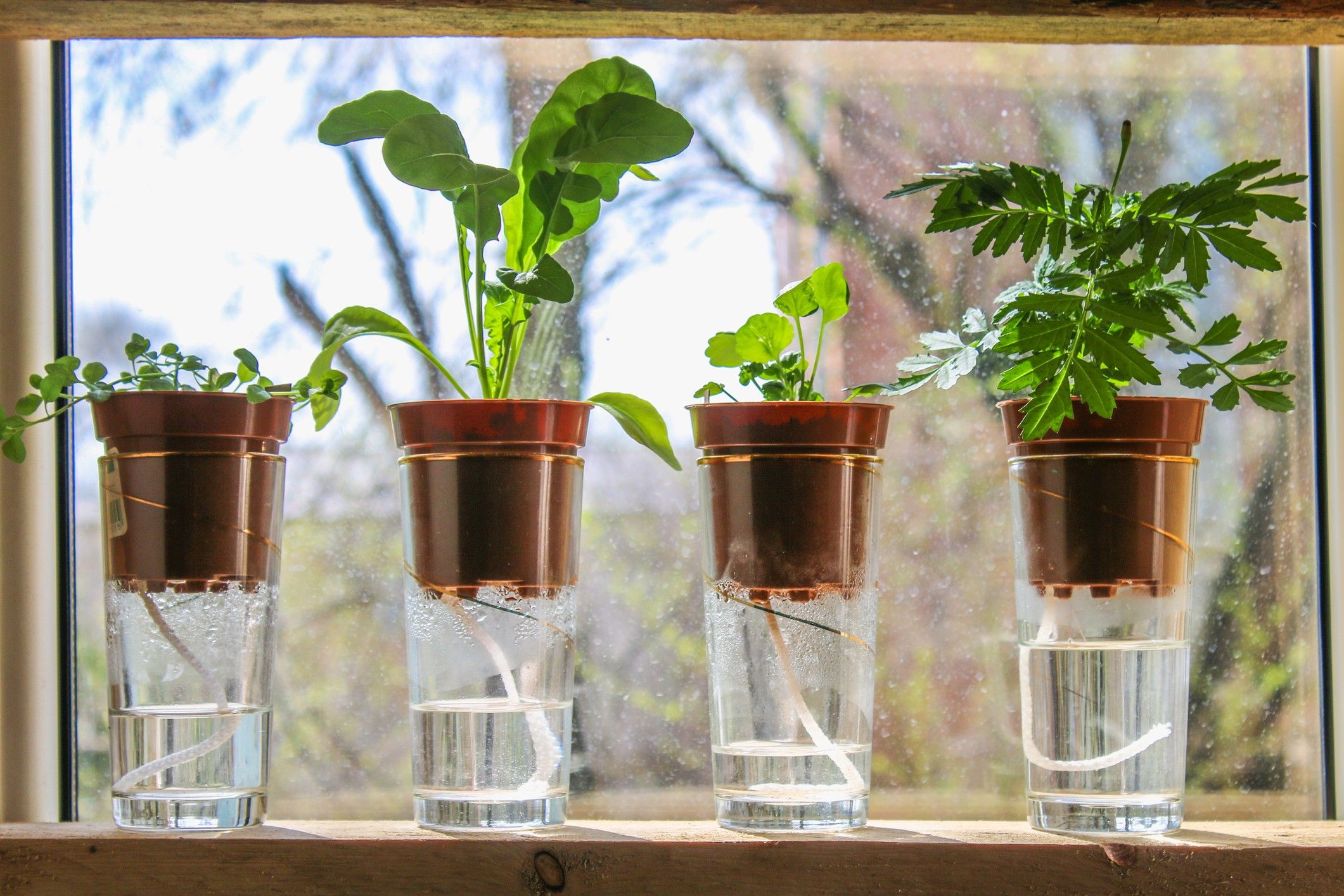
Select a watering method that fits your plants and your absence length. For short trips, watering thoroughly before leaving may be enough. For longer trips, consider self-watering tools like drip systems or water bottles. Make sure the method delivers water evenly to the roots. Test your setup a day before you leave to avoid surprises.
Credit: www.sproutl.com
Diy Self-watering Tricks
DIY self-watering tricks help keep plants hydrated during vacation. These simple methods save time and avoid plant stress. They use common items and need little effort. Perfect for houseplants and garden pots alike. Choose the best trick for your plants and travel length.
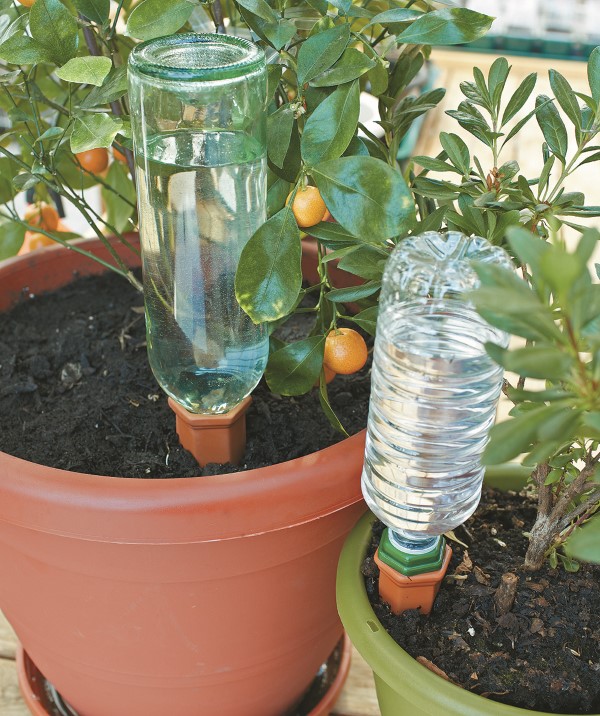
Using Plastic Bottles
Take a clean plastic bottle and make small holes in the cap. Fill the bottle with water and screw the cap back on. Turn the bottle upside down and push it into the soil near the plant roots. Water slowly drips out, keeping soil moist for days. This method works well for small to medium pots.
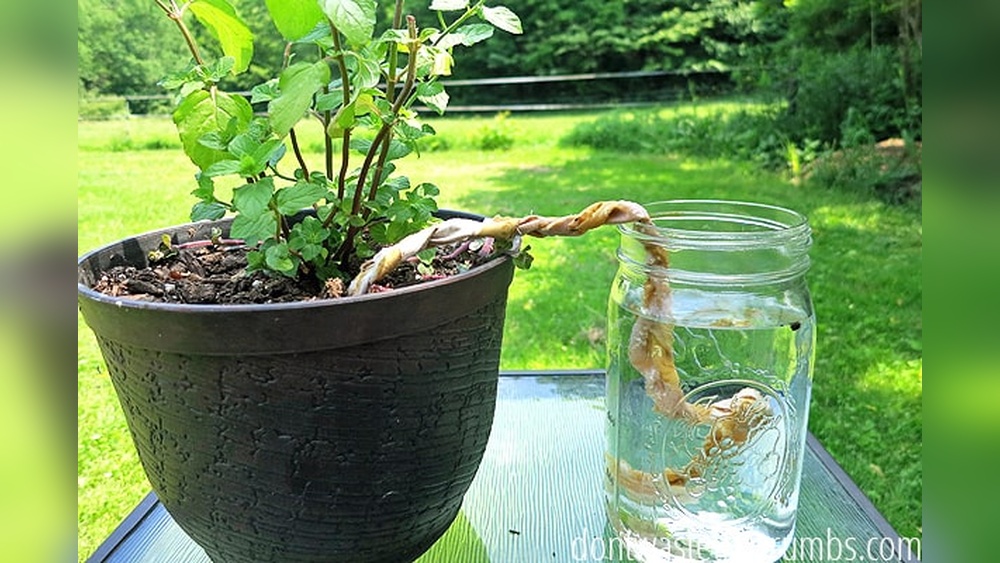
Water Jug And Wick System
Fill a large water jug and place it beside your plant pot. Use a cotton or nylon wick to connect the water in the jug to the soil. One end of the wick stays in the water, the other lies on or in the soil. Water travels along the wick, watering the plant gradually. This setup suits plants that need steady moisture.
Soaker Hoses Setup
Lay soaker hoses around your garden or pots. Connect the hoses to a water source or large container. Water seeps slowly through tiny holes in the hose along the soil line. Use a timer to control watering time and frequency. Soaker hoses are great for larger gardens and longer vacations.
Automatic Watering Systems
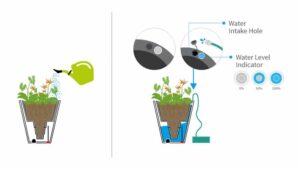
Automatic watering systems provide a simple way to keep plants hydrated during vacations. These systems deliver water directly to the soil or plant roots at scheduled times. They reduce the risk of overwatering or underwatering. Using an automatic system means your plants stay healthy without daily care. These systems work well for both indoor and outdoor plants. Choose a system that fits your plant types and watering needs.
Drip Irrigation Basics
Drip irrigation uses small tubes to deliver water slowly to each plant. This method saves water by targeting the roots directly. It prevents water from splashing on leaves, reducing disease risk. Drip systems can connect to a water source or a reservoir. You can set timers to control watering duration and frequency. Installing drip irrigation is easy and works for garden beds and pots. It keeps soil moist without flooding the plants.
Timed Sprinkler Options
Timed sprinklers release water at set intervals. You can program them to water your garden early in the morning or late at night. These sprinklers cover larger areas and are ideal for lawns or bigger flower beds. Most models come with adjustable spray patterns and water pressure controls. Timed sprinklers require a water connection and power source. They offer convenience and ensure your plants get water on schedule. This helps maintain plant health while you are away.
Natural Water Retention Techniques
Natural water retention techniques help keep plants hydrated without daily watering. These methods slow water loss and hold moisture in the soil. Using natural ways reduces stress on plants during your absence. They create a better environment for roots to absorb water.
Mulching Benefits
Mulch covers the soil surface around plants. It keeps soil moist by reducing evaporation. Mulch also stops soil from drying out quickly in hot weather. Organic mulches like bark or straw break down and add nutrients. Mulching helps maintain even soil temperature, protecting roots from heat. It also prevents weeds that compete for water and nutrients.
Grouping Plants Together
Place plants close to each other in one spot. Grouping creates a humid microclimate that reduces water loss. Plants release moisture into the air, benefiting nearby plants. This method lowers evaporation from soil and leaves. Grouping also makes watering easier before leaving. Arrange plants with similar water needs together for best results.
Ask For Help
Leaving your plants alone for days can be risky. Plants need regular watering to stay healthy and vibrant. Asking someone for help ensures your plants do not dry out. It also gives you peace of mind during your trip. Here are simple ways to get help while you are away.
Neighbor Or Friend Assistance
Neighbors or friends nearby can easily water your plants. Choose someone who knows basic plant care. Show them how much water each plant needs. Leave clear instructions to avoid overwatering. This option is personal and affordable. Your plants get attention and care from someone you trust. A short visit every few days keeps your plants fresh.
Professional Plant Care Services
Plant care professionals offer reliable watering and maintenance. They visit your home on scheduled days to water plants. Professionals know the right water amount for different plants. This service is useful for long vacations or many plants. It saves you time and worry. Many companies also offer plant health checks and pest control. Hiring experts protects your plants while you enjoy your trip.
Credit: gardentherapy.ca
Last-minute Watering Tips
Preparing your plants before a trip helps them stay healthy and hydrated. Last-minute watering steps can make a big difference. These simple actions prevent dry soil and thirsty leaves during your absence.
Deep Watering Before Leaving
Water your plants deeply before you leave. This means watering until the soil is soaked well. Deep watering allows roots to absorb enough moisture. It keeps plants hydrated for several days. Avoid shallow watering as it dries out fast. Check that water drains from the pot bottom. This ensures the whole root system gets moisture.
Adjusting Light And Temperature
Move plants away from direct sunlight. Bright light can dry soil quickly. Choose a spot with indirect light or shade. Lower the room temperature slightly. Cooler air slows down plant water use. Avoid placing plants near heaters or air conditioners. These can dry out the soil faster. These small changes help plants keep water longer.
Frequently Asked Questions
What Is The 1/2/3/2:1 Watering Method?
The 1/2/3/2:1 watering method involves watering plants in intervals: water once, wait half the time, water thrice, wait double, then water once more. This pattern ensures consistent soil moisture and healthy plant growth.
How Can I Automatically Water My Plants While On Vacation?
Use self-watering systems like upside-down water bottles with holes, wick methods, or automatic drip irrigation to keep plants hydrated during vacation.
How Do You Keep Plants Watered While Away For 2 Weeks?
Water plants thoroughly before leaving. Use self-watering systems like inverted water bottles or wick setups. Group plants near a water reservoir. Ask a friend to help if needed.
How Do You Make A Self-watering System For Vacation?
Fill a plastic bottle with water and poke holes in the cap. Water plants well, then insert the bottle upside down into the soil. This slowly releases water, keeping plants hydrated during vacation.
Conclusion
Keeping plants watered during vacation need not be stressful. Simple tools like water bottles or wicks help maintain moisture. Preparing plants well before leaving ensures they stay healthy. Asking a friend to check in adds extra care. With these easy steps, plants will thrive while you relax.
Enjoy your trip knowing your green friends are well cared for.