How Much Watering Do Tomato Plants Need: Expert Tips for Success
Are you wondering how much water your tomato plants really need to thrive? Giving your tomatoes too little water can leave them thirsty and stressed, but overwatering can be just as harmful—leading to yellow leaves, root damage, and even plant death.
Finding the perfect balance might seem tricky, but it’s easier than you think once you know the signs to watch for and the best watering habits to follow. You’ll discover simple, practical tips to keep your tomato plants healthy and productive all season long.
Keep reading to learn exactly when, how often, and how much to water your tomatoes so you can enjoy a bountiful harvest
Water Needs Of Tomato Plants
Tomato plants need the right amount of water to grow healthy and produce tasty fruit. Too little water makes the plant stressed and dry. Too much water can drown the roots and cause diseases. Understanding the water needs of tomato plants helps you keep them strong and fruitful.
Daily Watering Myths
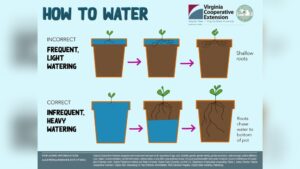
Many think tomato plants need watering every day. This is not true. Daily watering can cause root problems and weak plants. Tomato roots like to dry out a bit between watering. Water deeply but less often. This encourages roots to grow deeper and stronger.
Check the soil before watering. If the top 2-3 inches are dry, it is time to water. Avoid watering the leaves to prevent fungal diseases. Watering early in the morning helps the plant absorb water well.
Signs Of Thirst In Tomatoes
Tomato plants show clear signs when they need water. Leaves may start to wilt or curl. The plant looks droopy but will perk up after watering. Dry, cracked soil around the plant is another sign.
Slow growth and smaller fruits can mean the plant is not getting enough water. Watch for yellowing leaves too. These signs help you know when to water, keeping your tomato plants healthy and productive.
Risks Of Overwatering
Overwatering tomato plants can cause serious problems. Excess water drowns the roots and stops them from getting oxygen. This weakens the plant and invites diseases. Knowing the risks helps you avoid killing your tomato plants with too much water.
Root Damage And Yellowing Leaves
Too much water suffocates tomato roots. Roots begin to rot and cannot absorb nutrients well. Leaves turn yellow because the plant lacks food. Yellow leaves often feel soft or soggy, not crisp. This is a clear sign the roots are struggling.
Wilting Despite Water
Overwatered tomato plants can still wilt. Wet roots cannot take up water properly. The plant looks thirsty even though the soil is wet. Wilting in wet soil shows root damage or oxygen shortage. This can confuse gardeners who think the plant needs more water.
Soggy Branches And Leaves
Branches and leaves may become heavy and limp. Instead of dry and firm, they feel wet and soft. Soggy foliage increases the risk of fungal infections. These infections can spread fast and harm the whole plant. Keeping branches dry helps prevent these problems.
Preventing Overwatering
Overwatering tomato plants can harm their health and slow growth. Excess water suffocates roots and causes yellow leaves. It also leads to fungal diseases and weak plants. Avoid these problems by managing water carefully. Follow simple steps to prevent overwatering and keep tomatoes strong.
Checking Soil Moisture
Check the soil before watering. Stick your finger two inches into the soil. If it feels dry, it is time to water. If the soil feels damp, wait before adding more water. This helps avoid giving too much water to the plant.
Ensuring Proper Drainage
Good drainage prevents water from pooling around roots. Use pots with holes at the bottom. If planting in the ground, choose well-drained soil. Avoid heavy clay soils that hold water. Proper drainage keeps roots healthy and stops rot.
Watering At The Base
Water the plant base, not the leaves. Pour water gently near the stem. This directs moisture to the roots where it is needed. Avoid wetting leaves as this can cause fungal infections. Watering at the base keeps plants healthy.
Best Time To Water
Water early in the morning. This gives plants time to absorb moisture. It also reduces evaporation in the heat of the day. Avoid watering in the evening to prevent damp leaves overnight. Morning watering helps plants stay hydrated and disease-free.
Using Mulch For Moisture Retention
Apply mulch around tomato plants. Mulch keeps soil moist longer by reducing evaporation. It also cools the roots and reduces weed growth. Use straw, leaves, or grass clippings as mulch. Mulching helps maintain steady moisture and protects roots.
Watering Frequency And Amount
Watering tomato plants correctly helps them grow strong and produce tasty fruit. Both how often and how much you water are important. Too little water can stress the plant, while too much can harm the roots. Finding the right balance depends on the plant’s stage and the weather. Adjust your watering to keep tomato plants healthy and thriving.
Adjusting To Plant Growth Stages
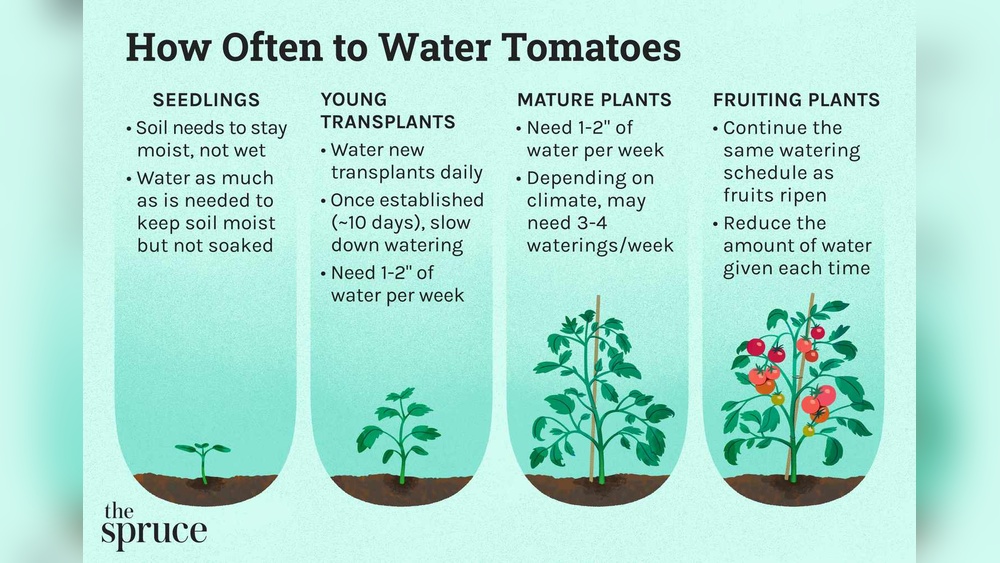
Young tomato plants need less water than mature ones. Seedlings have small roots and dry out quickly. Water them gently and often, keeping the soil moist but not soggy. As plants grow, their roots deepen and hold water better. Mature plants need deeper, less frequent watering to reach roots far below the soil surface. Adjust watering to support each growth stage.
Watering Seedlings Vs. Mature Plants
Seedlings require light watering every day or two to stay moist. Use a spray or small watering can to avoid washing away soil. Mature tomato plants need a thorough watering once or twice a week. Water deeply to encourage strong root growth. Avoid watering leaves to prevent diseases. Focus on the base of the plant for best results.
Impact Of Weather Conditions
Hot and dry weather increases tomato plants’ water needs. Check soil moisture often in summer and water more if dry. Cool or rainy weather lowers water demand. Avoid watering during rainy periods to prevent overwatering. Windy days can dry soil quickly, so water more often. Always feel the soil before watering to keep it just right.
Saving Overwatered Tomato Plants
Saving overwatered tomato plants requires quick action and careful care. Overwatering can harm roots and stunt plant growth. Recognizing the problem early and applying the right steps can bring your tomato plants back to health.
Identifying Overwatering Early
Look for yellow or spotted leaves that feel soft. Wilting leaves may also signal too much water. Check the soil; if it is constantly wet or soggy, overwatering is likely. Heavy, droopy branches can indicate root stress. Early signs help save plants before damage spreads.
Steps To Revive Plants
Stop watering immediately to let soil dry out. Remove any dead or yellow leaves gently. Improve soil drainage by adding organic matter or moving plants to better soil. Aerate the soil around roots carefully to increase oxygen. Avoid watering leaves to prevent fungal growth. Keep plants in bright, indirect light during recovery.
Preventing Future Issues
Water only when the top two inches of soil feel dry. Use pots with drainage holes or plant in well-draining soil. Water tomato plants at the base, not on leaves. Apply mulch to keep moisture steady and roots cool. Water early in the day to reduce evaporation. Regularly check soil moisture to avoid overwatering again.

Credit: www.youtube.com
Container Vs. In-ground Watering
Tomato plants need different watering care depending on their growing environment. Container tomatoes dry out faster than those planted in the ground. Containers hold less soil and heat up quickly. In contrast, in-ground tomatoes have more soil to retain moisture and cooler roots. Understanding these differences helps you water tomato plants correctly for healthy growth.
Drainage Tips For Pots
Good drainage prevents water from pooling in containers. Always use pots with drainage holes at the bottom. Add a layer of small stones or broken pottery pieces before soil to improve flow. Use a well-draining potting mix designed for vegetables. Avoid heavy garden soil that holds too much water. Check pots after watering to ensure excess water drains out. Standing water causes root rot and weak plants.
Soil Quality For Garden Beds
Garden soil should be rich, loose, and well-draining. Mix compost or aged manure to improve soil quality. Avoid compacted or clay-heavy soil that traps water. Raised beds help improve drainage and root health. Mulching garden beds keeps soil moist and cool. Test soil moisture regularly by feeling it a few inches below the surface. Proper soil helps tomato roots absorb water evenly without drowning.
Watering Techniques For Each
Container tomatoes need more frequent watering, often daily in hot weather. Water deeply until it drains from the bottom. Check soil moisture before watering to avoid overwatering. In-ground tomatoes require less frequent watering but more water each time. Water slowly at the base to reach deep roots. Morning watering reduces evaporation and fungal risks. Always water the soil, not the leaves, to keep plants healthy.
Additional Tips For Success
Tomato plants need careful watering for healthy growth. Along with watering, some extra steps help your plants thrive. These tips protect plants from stress and boost fruit quality. Follow these simple guidelines to support your tomato garden.
Mulching Benefits
Mulch helps keep soil moist longer. It lowers water evaporation on hot days. Mulch also stops weeds that steal water. Use straw, leaves, or grass clippings around the plants. Mulching keeps roots cooler and soil healthy. It reduces the need for frequent watering.
Adjusting Watering In Hot Weather
Hot weather makes soil dry faster. Increase watering during heat waves but avoid flooding. Water early in the morning to reduce evaporation loss. Check soil moisture often, especially in heat. Dry soil stresses plants and lowers fruit quality. Adjust watering to keep soil evenly moist.
Monitoring Plant Health
Watch leaves and stems for signs of water stress. Wilting means the plant needs water quickly. Yellow or spotted leaves can show overwatering. Healthy plants have firm, green leaves. Check soil moisture with your finger before watering. Healthy tomato plants grow better and produce more fruit.

Credit: www.youtube.com
Frequently Asked Questions
Are You Supposed To Water Tomato Plants Every Day?
Water tomato plants deeply but not daily. Water only when the top 2-3 inches of soil feel dry. Overwatering harms roots and leaves.
Can You Overwater Tomato Plants?
Yes, overwatering tomato plants harms roots, causes yellow leaves, and promotes diseases. Water only when the top 2-3 inches of soil are dry. Ensure good drainage and water at the plant base to prevent damage and fungal issues.
Is 1 Cup Of Water Too Much For A Plant?
One cup of water may be too much or too little depending on the plant type and soil size. Check soil moisture first.
How To Tell If Tomato Plants Need Water?
Check tomato leaves and soil to tell if plants need water. Wilting, dry, or curled leaves signal thirst. Test soil moisture by inserting a finger 2-3 inches deep; water if soil feels dry. Avoid overwatering by ensuring soil drains well and watering only when needed.
Conclusion
Tomato plants need careful watering to stay healthy and strong. Water only when the soil feels dry two inches deep. Avoid watering leaves to prevent diseases. Use mulch to keep moisture and cool roots. Water in the morning for best absorption.
Too much water can harm roots and cause yellow leaves. Watch your plants closely and adjust watering as needed. Healthy watering helps you grow tasty, vibrant tomatoes all season long. Simple steps make a big difference in your tomato garden.