How Often Do Plants Need to Be Watered
Are you wondering how often you should water your plants to keep them healthy and thriving? It’s a question every plant lover faces, yet the answer isn’t as simple as “every day” or “once a week.” Watering too much or too little can harm your plants, but getting it just right helps them grow strong roots and vibrant leaves.
You’ll discover easy-to-follow tips on when and how to water your plants based on their needs, the weather, and the type of soil they’re in. Keep reading to learn how to avoid common watering mistakes and ensure your plants stay happy and lush all year round.
Watering Frequency Basics
Understanding how often to water plants is key for their health. Different plants have different needs. Factors like plant type, pot size, and weather affect watering frequency. Proper watering helps roots grow strong and prevents problems like root rot. Let’s explore the basics of watering frequency to keep plants happy and thriving.
Signs Your Plant Needs Water
Leaves wilting or drooping often mean the plant is thirsty. Yellowing leaves can also indicate water stress. Dry soil and slow growth are other warning signs. Some plants show leaf curling or browning edges when thirsty. Watch your plant closely to catch these signals early.
Soil Moisture Check
Stick your finger about two inches into the soil. If it feels dry, it’s time to water. If it still feels moist, wait before watering again. This simple test helps avoid overwatering. Moist soil supports healthy roots and prevents diseases. Checking soil moisture regularly is the best way to know when to water.
Deep Vs. Frequent Watering
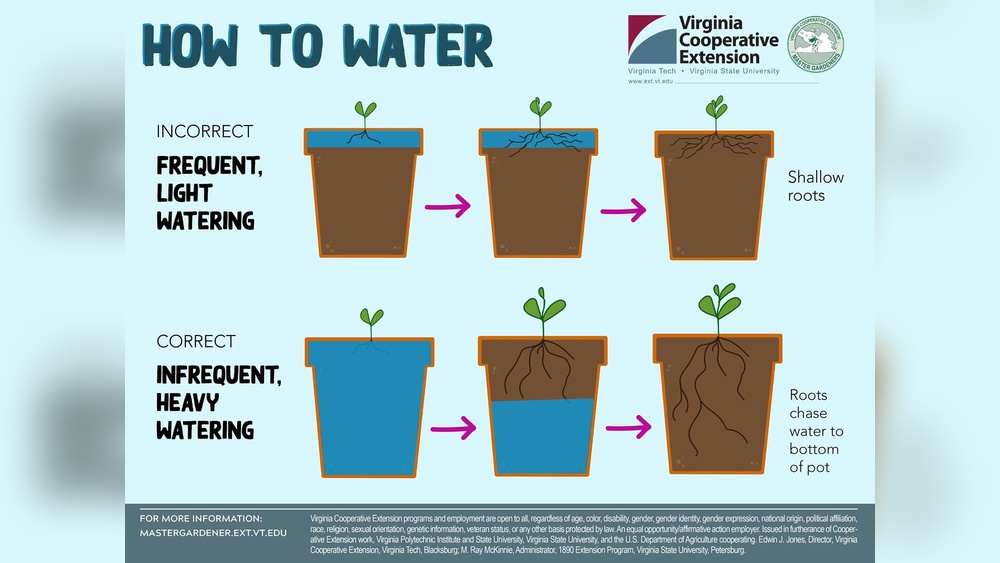
Watering deeply means soaking the soil so roots grow downwards. This helps plants become stronger and drought-resistant. Frequent shallow watering encourages roots to stay near the surface. Shallow roots dry out quickly and weaken the plant. Aim for deep watering less often to keep plants healthy long-term.
Best Time To Water
Knowing the best time to water plants helps them grow healthy and strong. Watering at the right time ensures plants absorb moisture properly. It also reduces water loss and prevents plant diseases. Choosing the right time can make a big difference in plant care.
Morning Benefits
Watering plants in the morning gives them a fresh start. The soil is cool, so water soaks in better. Plants use water during the day for photosynthesis. Morning watering helps plants stay hydrated all day long. It also prepares plants for the heat ahead.
Avoiding Heat Of Day
Watering during midday wastes water through evaporation. The sun’s heat dries water quickly on leaves and soil. This means plants get less water at their roots. Water droplets on leaves can cause sunburn or disease. Avoiding the hottest hours keeps plants safe and healthy.
Special Watering Needs
Plants have unique watering needs based on their growth stage and environment. Special watering practices help plants thrive and avoid common problems like root rot or drought stress. Understanding these specific needs ensures healthy growth and vibrant foliage.
Newly Planted Greens
Newly planted greens need frequent watering to support root growth. Their roots are shallow and cannot reach deep soil moisture yet. Watering daily or every other day helps keep the soil moist. This encourages roots to spread and anchor the plant firmly. After two weeks, reduce watering gradually as roots strengthen. Avoid letting the soil dry out completely during this stage.
Small Containers And Hot Weather
Plants in small containers dry out faster than those in the ground. Hot weather increases evaporation, making watering needs more frequent. Check the soil daily in sunny and windy conditions. These plants may need watering every day to stay healthy. Water deeply to reach all roots but avoid leaving water standing. Proper drainage helps prevent root diseases.
Common Watering Mistakes
Many plant owners struggle with watering their plants correctly. Common watering mistakes can harm plants more than help them. Understanding these errors helps keep plants healthy and thriving.
Overwatering Risks
Overwatering is a frequent mistake. It fills the soil with too much water. This blocks air from reaching the roots. Roots begin to rot without oxygen. Plants may wilt despite having wet soil. Overwatering can cause yellow leaves and slow growth. It also invites pests and diseases.
Watering Too Often
Watering too often keeps the soil constantly wet. Plants do not get a chance to dry out. Their roots become weak and shallow. Shallow roots make plants less stable. They can dry out quickly if watering stops. It is best to water deeply but less often. This encourages strong root growth.
Letting Plants Sit In Water
Letting water collect at the bottom of pots is harmful. Excess water causes root rot and kills plants. Roots need air to breathe. Sitting in water blocks air supply. Always use pots with drainage holes. Remove any standing water from saucers. This prevents damage and keeps roots healthy.
Adjusting Watering By Plant Type
Plants have different water needs based on their type. Adjusting watering to suit each plant helps them grow healthy. Understanding these needs prevents overwatering or underwatering. This section breaks down watering guidelines by plant type.
Succulents And Cacti
Succulents and cacti store water in their leaves and stems. They need less water than most plants. Water only when the soil is completely dry. Usually, watering once every two to three weeks works well. Too much water causes root rot and damages these plants.
Tropical Plants
Tropical plants like humidity and moist soil. They need watering more often than succulents. Check the soil frequently and water when the top inch feels dry. These plants may require watering once or twice a week. Avoid letting the soil dry out completely to keep leaves healthy.
Flowering Plants
Flowering plants need consistent watering to bloom well. Water them when the soil surface starts to dry. Usually, watering every three to five days is enough. During hot weather, increase watering frequency to support flower growth. Keep soil evenly moist but not soggy for best results.

Credit: myplantin.com
Seasonal Watering Tips
Water needs vary with the seasons. Plants require different watering routines in summer and winter. Understanding these changes helps keep plants healthy all year. Seasonal watering ensures plants get enough moisture without overwatering. Adjust watering habits to match the weather and plant needs.
Summer Watering Strategies
Summer heat makes soil dry faster. Water plants early in the morning to reduce evaporation. Deep watering helps roots grow strong and find moisture deeper. Small pots may need watering every day during hot spells. Avoid watering late in the day to prevent fungal problems. Check soil moisture regularly and water only when dry.
Winter Watering Adjustments
Plants use less water in winter because growth slows down. Water less often but still check soil moisture. Avoid overwatering as cold soil holds moisture longer. Water during warmer parts of the day to help absorption. Indoor plants may need more frequent watering due to dry indoor air. Always test soil before watering to prevent root rot.
Tools To Help Watering
Watering plants correctly is easier with the right tools. These tools help you know when and how much to water. They reduce guesswork and keep plants healthy. Using tools can save water and prevent overwatering. Here are some helpful tools to make watering simple and effective.
Soil Moisture Meters
Soil moisture meters measure water levels in the soil. Insert the meter into the soil near the plant roots. It shows if the soil is dry, moist, or wet. This helps decide when to water plants. These meters are affordable and easy to use. They work well for indoor and outdoor plants. Using a soil moisture meter stops overwatering and underwatering. It improves plant health by giving water only when needed.
Self-watering Systems
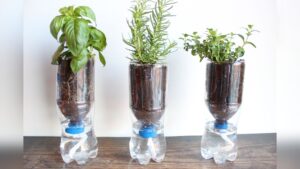
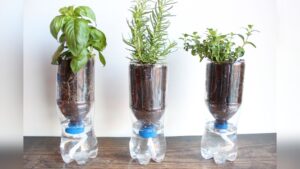
Self-watering systems supply water to plants automatically. They have reservoirs that hold water and release it slowly. This keeps the soil moist for longer periods. These systems work well for busy people or those who travel. They prevent soil from drying out completely. Self-watering systems help plants grow steady and strong. They save time and make watering less stressful. Many types fit different plant sizes and pots.
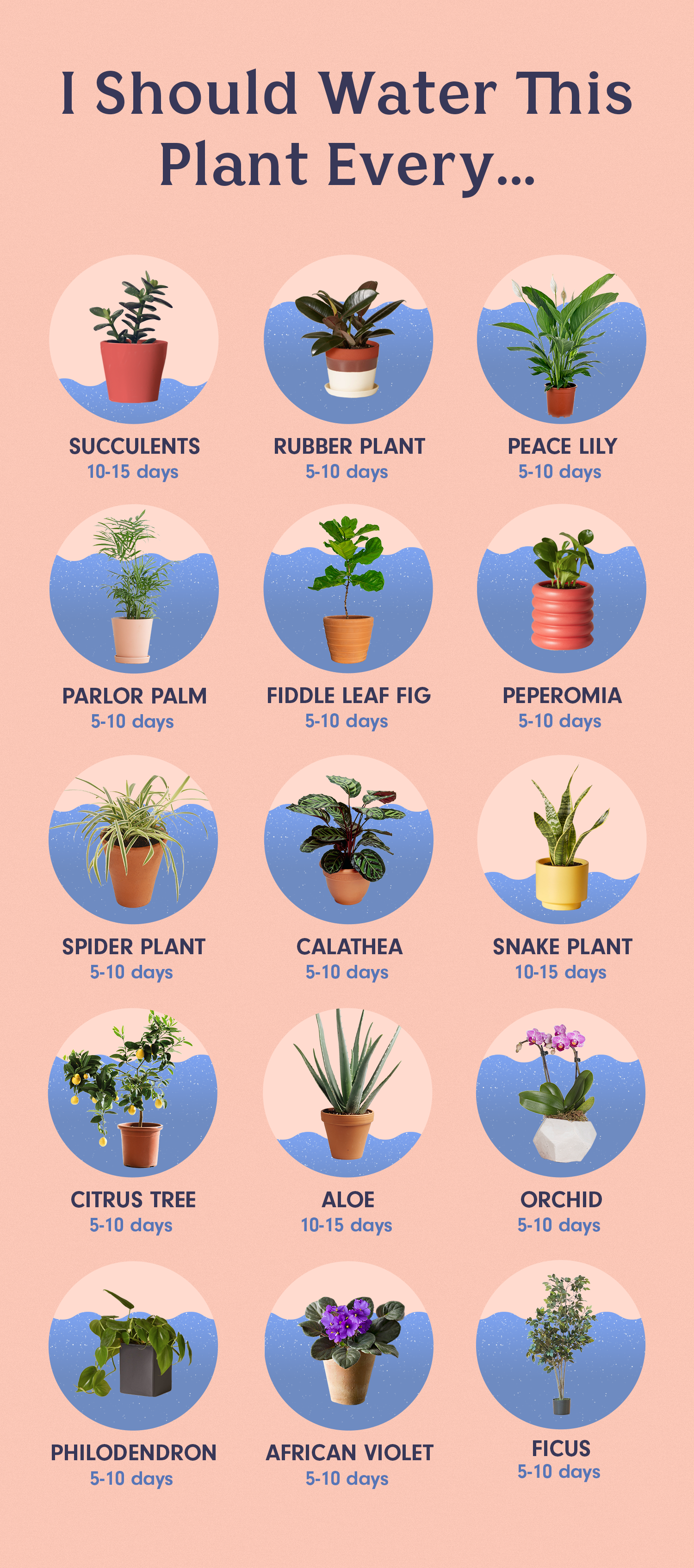
Credit: www.housebeautiful.com
Frequently Asked Questions
Do I Need To Water The Plants Every Day?
No, water plants daily only if newly planted or in small pots during extreme heat. Check soil moisture first. Water deeply when the top 1-2 inches feel dry. Avoid overwatering to promote strong roots. Adjust watering based on plant type, weather, and soil conditions.
How Often Do I Need To Water Indoor Plants?
Water indoor plants when the top 1-2 inches of soil feel dry. Water deeply, less often, to promote strong roots. Adjust frequency based on plant type, pot size, and room temperature. Avoid daily watering unless plants are newly planted or in small pots during hot weather.
What Are The Three Rules Of Watering?
Check soil moisture before watering; water deeply but less often to promote strong roots; water plants in the morning to reduce disease risk.
What Is The 70/30 Rule In Gardening?
The 70/30 rule in gardening means using 70% organic matter and 30% mineral soil to create healthy, well-draining garden soil.
Conclusion
Plants need water based on their type and environment. Check soil moisture before watering. Water deeply to help roots grow strong. Avoid watering too often to prevent root problems. Morning watering helps plants absorb moisture well. Adjust watering during hot or dry weather.
Watch small pots closely; they dry out faster. Healthy watering keeps plants vibrant and growing. Remember, each plant’s needs can change over time. Stay attentive and your plants will thrive.