How Do You Make a Self-Watering System for Potted Plants
Do you struggle to keep your potted plants consistently watered? Whether you’re busy, often forget, or simply want to make plant care easier, a self-watering system can be a game-changer.
Imagine your plants getting just the right amount of water, even when you’re away or caught up in your daily routine. You’ll discover simple, effective ways to create your own self-watering system using everyday items. From easy DIY tricks to more advanced setups, you’ll learn how to keep your plants healthy and thriving with minimal effort.
Ready to take the guesswork out of watering? Let’s dive in and make your plant care routine hassle-free!
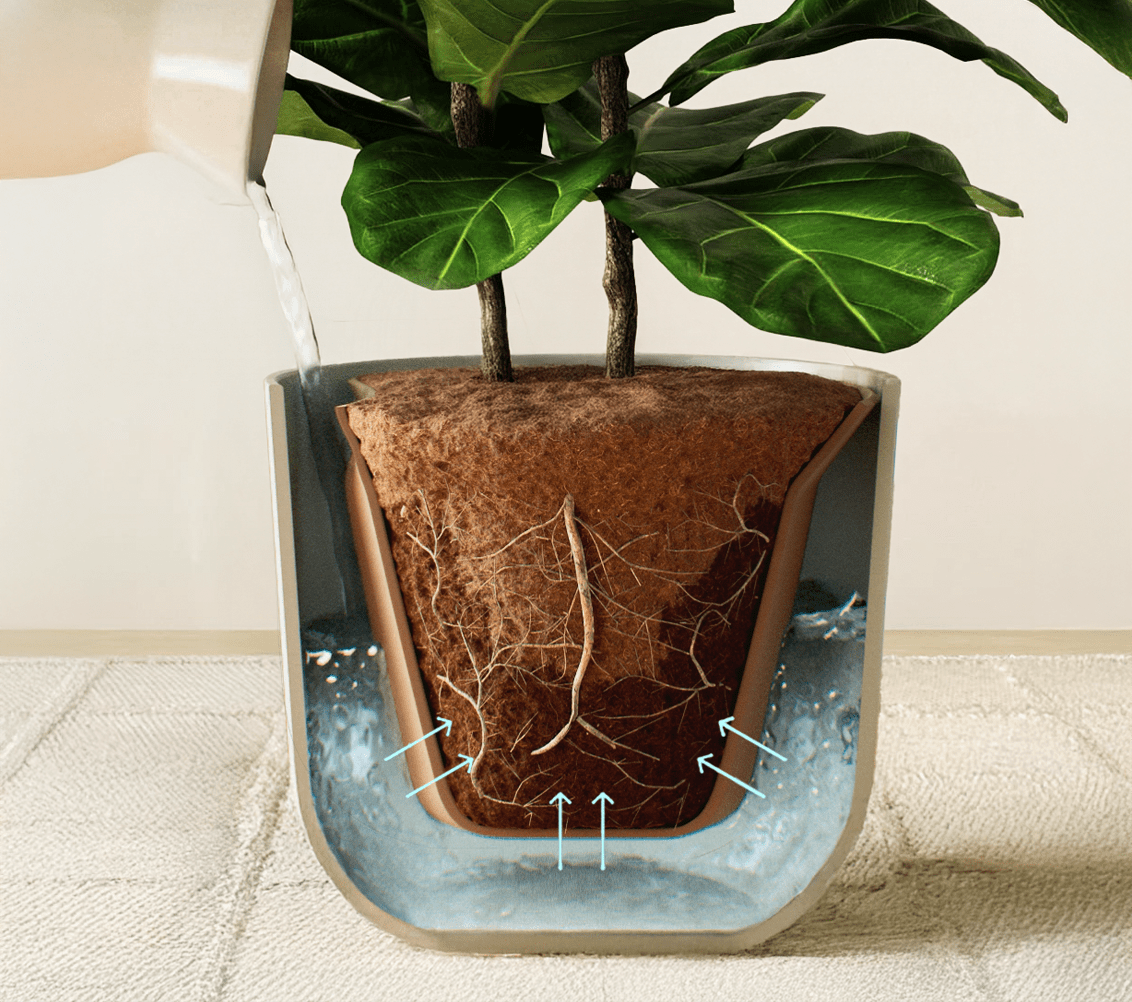
Credit: easyplant.com
Materials For Diy Systems
Creating a self-watering system for your potted plants requires some basic materials. These materials depend on the type of system you choose. Simple DIY methods use everyday items. Electronic setups need a few more parts. Gather the right components before starting your project. This makes the process smooth and effective.
Items For Bottle Drip Method
- Empty plastic bottle (500 ml or 1 liter works well)
- Small nail or pin to make holes in the cap
- Q-tip or cotton swab to control water flow
- Stick or skewer to hold the bottle in place
- Water to fill the bottle
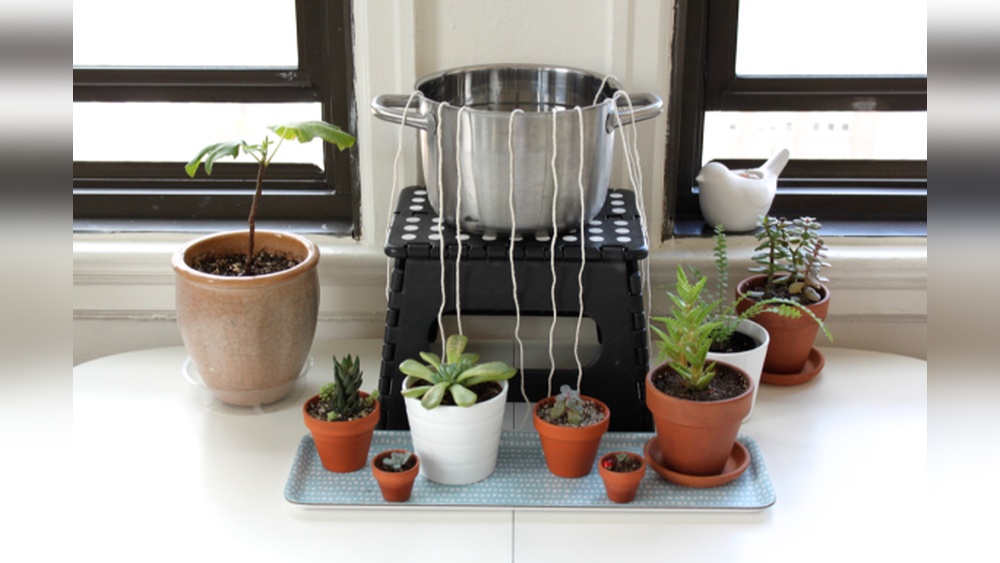
Supplies For Wicking System
- Cotton or nylon rope (about 1/4 inch thick)
- Water container or reservoir (bucket or jar)
- Pot or planter with soil
- Scissors to cut the rope
- Water to fill the reservoir
Components For Electronic Setup
- Small water pump or drip irrigation kit
- Timer or microcontroller (like Arduino)
- Water reservoir or tank
- Plastic tubing to carry water
- Power source or batteries
- Moisture sensors (optional for smart watering)
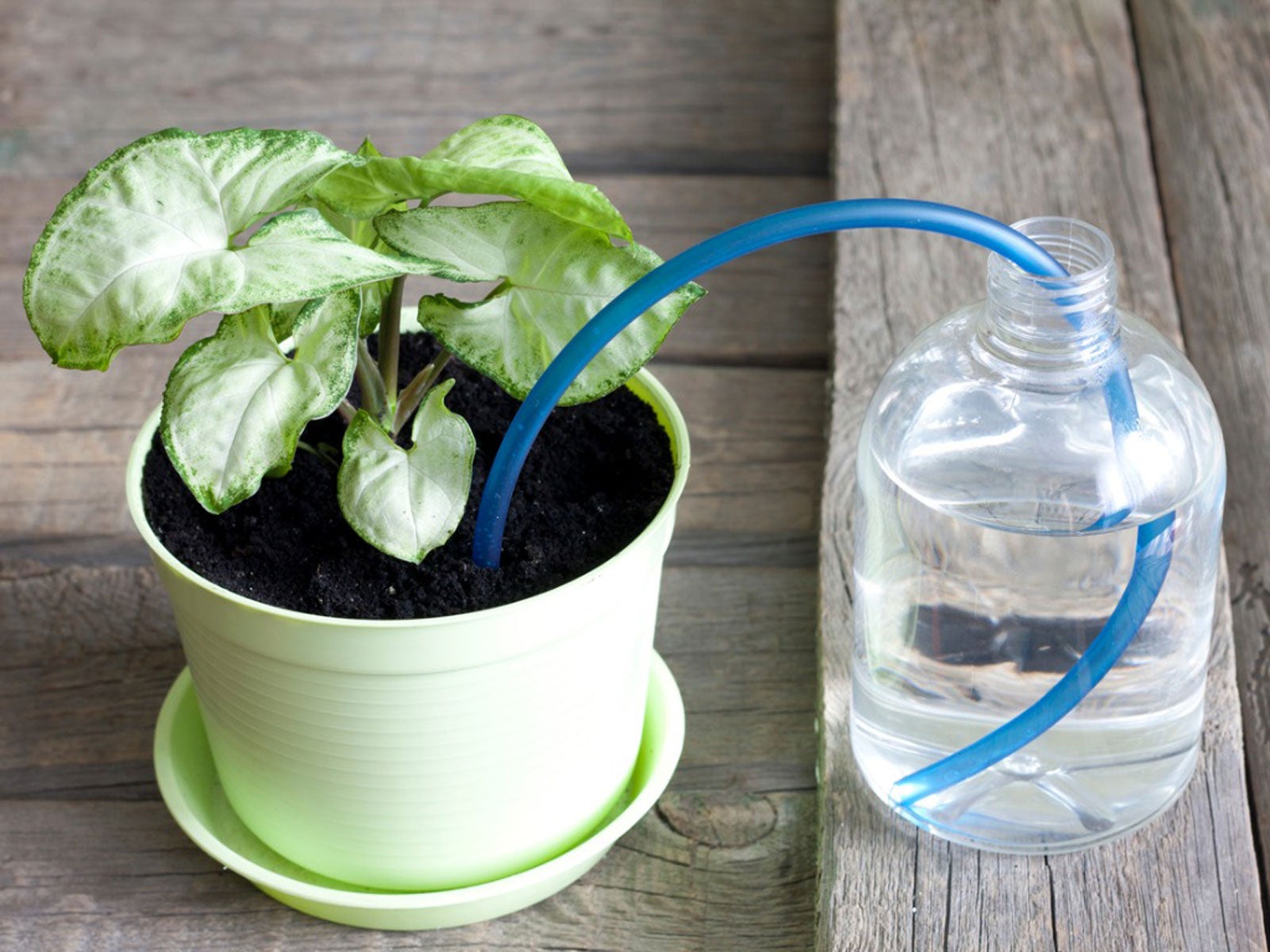
Credit: www.gardeningknowhow.com
Making A Bottle Drip System
Making a bottle drip system is a simple way to keep your potted plants watered. It uses a plastic bottle to slowly release water into the soil. This method saves time and ensures plants get water evenly. You only need a few materials and easy steps to set it up.
Preparing The Bottle
Start with a clean plastic bottle, about 1 or 2 liters. Remove the label and rinse it well. Use a sharp tool to poke a small hole in the bottle cap. The hole should be tiny to control the drip. Fill the bottle with water before sealing the cap tightly.
Adjusting Drip Rate
Turn the bottle upside down to test the drip. Water should slowly drip out, not flood the soil. If water drips too fast, make the hole smaller with tape. If it drips too slow, widen the hole slightly. Adjust until water drips at a steady, slow rate.
Setting Up In Plant Soil
Push a stick or skewer through the side of the bottle near the cap for support. Insert the bottle neck into the plant soil, cap down. Make sure the bottle is stable and does not tip over. Check the drip system regularly and refill the bottle as needed.
Creating A Wicking System
Creating a wicking system is a simple and effective way to keep your potted plants watered. This system uses a rope to pull water from a reservoir to the plant’s soil. It works quietly and needs little maintenance. Below are the key steps to build a strong wicking system.
Choosing The Right Rope
Select a natural fiber rope such as cotton or jute. These materials absorb water well and allow steady movement to the soil. Avoid synthetic ropes because they do not wick water properly. The rope should be thin enough to fit into the soil but thick enough to hold water. About ¼ inch thick works best.
Positioning Water Reservoir
Use a container to hold water near the plant pot. It can be a bucket, bowl, or bottle. Place the reservoir slightly below or at the same level as the plant pot. This position helps water flow easily through the rope by gravity. Make sure the reservoir is stable and won’t tip over.
Placing Rope In Soil And Water
Insert one end of the rope deep into the plant’s soil, about 2 to 3 inches. The other end should be submerged in the water reservoir. Make sure the rope stays in contact with both soil and water. Check that the rope is not twisted or bent sharply. This setup allows the rope to draw water steadily to the plant’s roots.
Building An Electronic Watering System
Building an electronic watering system adds smart control to your plant care. It uses sensors to check soil moisture and a pump to water plants automatically. This system saves water and keeps plants healthy by watering only when needed. The process involves connecting sensors and pumps, programming a controller, and testing the setup. Each step ensures the system works smoothly for your potted plants.
Connecting Sensors And Pump
Start by connecting soil moisture sensors to the controller board. Insert sensors into the plant’s soil to measure moisture levels. Connect the water pump to the controller’s output pins. Use jumper wires to link sensors and pump with the microcontroller. Ensure all connections are secure to avoid loose contacts. Power the controller with a proper power source. Check the sensor datasheets for correct wiring and voltage.
Programming The Controller
Write a simple code to read sensor data from the soil sensors. Set a moisture threshold to decide when to water the plants. Program the controller to turn on the pump if the soil is too dry. Include a timer to control how long the pump runs. Upload the code to the microcontroller using a USB cable. Use easy-to-understand commands and comments in the code. This makes future adjustments simple and clear.
Testing And Calibration
Test the system by placing sensors in dry and wet soil. Observe if the pump activates only when soil is dry. Adjust the moisture threshold in the code as needed. Calibrate the sensors by comparing readings with a moisture meter. Run several test cycles to confirm reliability. Check for leaks in the water tubing and pump operation. Fine-tuning ensures the system waters plants correctly and avoids overwatering.
Tips For Effective Self-watering
Creating a self-watering system is only the first step. To keep your plants healthy, use effective tips for self-watering. These tips help control water flow, match plants with the system, and solve common problems. Follow these guidelines to make your system work well every day.
Adjusting Water Flow
Control water flow to avoid overwatering or drying out. Start with a small hole in the bottle cap or wick. Check soil moisture often. If soil stays wet too long, make the hole smaller or shorten the wick. If soil dries fast, widen the hole or use a thicker wick. Adjust slowly for best results.
Choosing Suitable Plants
Pick plants that like steady moisture for self-watering. Herbs, ferns, and some houseplants work well. Avoid plants needing dry periods or very little water. Plants with thick leaves or deep roots may not need this system. Match your plants to how the system gives water.
Maintenance And Troubleshooting
Clean the bottle or reservoir regularly to stop algae and mold growth. Check for clogs in the water flow holes or wick. Clear blockages with a pin or replace the wick if needed. Watch plants for signs of too much or too little water. Fix problems fast to keep plants happy.

Credit: kyari.co
Vacation Watering Hacks
Leaving your potted plants unattended during vacation can be risky. Dry soil harms plant health fast. Simple watering hacks keep plants alive and thriving. These easy tricks need little effort and materials. Prepare your plants for days without watering. Keep soil moist and roots healthy while you relax.
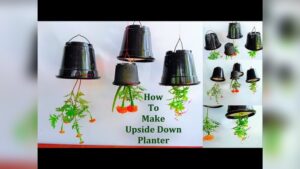
Using Plastic Bag Drip Trick
Take a clean plastic bag and fill it with water. Seal it tightly to avoid leaks. Poke a tiny hole with a toothpick near the bottom. Hang or place the bag above the plant pot. Water drips slowly through the hole, moistening the soil. This method works well for short trips up to a week. It is cheap and uses items you already have. Make sure the hole is small to avoid flooding.
Combining Methods For Longer Absence
Use more than one watering technique for longer trips. Start with the plastic bag drip trick. Add a self-watering system like a wick or bottle drip. The wick draws water from a reservoir to the soil. The bottle drip slowly releases water directly into the pot. Combining these methods extends watering time up to two weeks. Check pots before leaving to adjust water supply. This layered approach ensures plants stay hydrated longer.
Frequently Asked Questions
How To Keep Potted Plants Watered While On Vacation?
Use a plastic bottle with a small hole in the cap. Invert it, stick the tip into soil. Water slowly drips, keeping soil moist. Alternatively, place a damp cotton rope from a water source into the soil to wick water gradually.
How To Make An Automatic Watering System For Plants At Home?
Create an automatic watering system using a plastic bottle with a tiny hole for slow water drip. Alternatively, use a cotton rope to wick water from a reservoir into the soil. Both methods keep soil moist without daily watering. Adjust drip speed by changing hole size or wick thickness.
What Are The Drawbacks Of Self-watering Pots?
Self-watering pots can cause root rot from overwatering and may limit oxygen to roots. They also require regular maintenance and may not suit all plants.
How Do You Make Homemade Self Watering Hacks?
Create a self-watering hack by inverting a water-filled bottle with a small hole in the cap, placing it in soil. Alternatively, use a wet cotton rope connecting a water reservoir to the plant soil to wick water gradually. Both methods keep soil moist automatically.
Conclusion
Creating a self-watering system saves time and keeps plants healthy. Simple tools like bottles and cotton ropes work well. These systems provide steady moisture without daily watering. You can easily adjust water flow to suit each plant’s needs. This helps prevent overwatering or dry soil problems.
Anyone can build one with little effort or cost. Try making a system today to enjoy thriving potted plants. Your plants will thank you with greener leaves and stronger growth. Self-watering makes plant care easier and more reliable.