How Often Should Cactus Plants Be Watered: Expert Tips Revealed

If you’ve ever wondered how often you should water your cactus, you’re not alone. Giving your cactus too much or too little water can quickly turn your green friend from thriving to struggling.
But here’s the good news: with just a few simple checks and tips, you can keep your cactus happy and healthy. You’ll discover exactly when and how to water your cactus, easy ways to tell if it needs a drink, and smart watering habits that fit your lifestyle.
Keep reading, and you’ll become confident in caring for your cactus like a pro.
Credit: extension.unh.edu
Indoor Cactus Watering Frequency
Indoor cactus plants need careful watering to stay healthy. Unlike outdoor cacti, indoor plants face different light and temperature conditions. These factors affect how often you should water them. Giving too much water can harm your cactus, causing root rot. Too little water can make it dry and weak. Finding the right watering frequency helps your cactus thrive indoors.
Seasonal Watering Patterns
Indoor cacti require more water in warm months. Spring and summer bring active growth, so water every 2 to 3 weeks. During this time, soil should dry out between waterings. In fall and winter, water less often. Most cacti enter dormancy and need water only once a month or less. Always check soil moisture before watering. Adjust watering schedule based on your home’s temperature and humidity.
Factors Influencing Water Needs
Several factors change how often you water indoor cacti. Pot size and type affect soil moisture. Clay pots dry faster than plastic ones. The plant’s size matters too. Larger cacti use more water and may need watering sooner. Light exposure plays a big role. Bright, direct light dries soil quicker. Cooler, dimmer spots keep soil moist longer. Air circulation and humidity also influence water needs. Check your cactus regularly to find the best watering routine.
Credit: www.gardeningknowhow.com
Outdoor Cactus Watering Schedule
Outdoor cacti need a different watering schedule than indoor ones. Their natural environment exposes them to varying weather, soil, and sunlight. Proper watering helps them thrive without risking root rot or dehydration. Knowing when and how much to water is key to healthy outdoor cactus growth.
Climate Considerations
Climate plays a big role in how often outdoor cacti need water. In hot, dry areas, cacti may require watering every 2 to 3 weeks during the growing season. Cooler or more humid climates reduce watering frequency to once a month or less. Winter months often need little to no watering as cacti enter dormancy.
Wind and sun exposure also affect water loss. Cacti in full sun dry out faster than those in partial shade. Adjust watering based on these factors to prevent over or underwatering.
Adjusting For Rainfall
Rainfall impacts how often to water outdoor cacti. After heavy rain, skip watering to avoid soggy soil. Light rain might not be enough, so check soil moisture before watering. Using a soil moisture meter or finger test helps decide if watering is needed.
Keep an eye on seasonal rain patterns. During wet seasons, reduce watering frequency. In dry spells, increase watering slightly to keep cacti healthy. Always let the soil dry out between waterings to mimic natural desert conditions.
Checking Soil Moisture
Checking soil moisture is key to knowing when to water your cactus. Overwatering can harm the plant, so it is important to be sure the soil is dry before adding water. Simple tests help you check moisture without guessing. These methods are easy and reliable for every cactus owner.
Finger Test
Insert your finger about two inches deep into the soil. If it feels dry at this depth, the cactus needs water. If it feels damp, wait a few more days and check again. This test is quick and works well for most small to medium pots.
Chopstick Test
Use a clean wooden chopstick or skewer and push it deep into the soil. Pull it out and look for soil sticking to it. No soil means the soil is dry and ready for watering. This test is very simple and helps check moisture deeper in the pot.
Pot Weight Method
Lift the cactus pot and feel its weight. A dry pot feels much lighter than a wet one. Over time, you will learn the weight difference between dry and moist soil. This method works well for larger pots and gives a quick water need indication.
Visual Plant Signs
Look closely at your cactus for signs of thirst. Slight wrinkling or shriveling of the cactus skin often means it is time to water. Some cacti may also look dull or soft when dry. These signs help you avoid underwatering or overwatering your plant.
Watering Techniques
Watering cactus plants properly requires specific techniques for best results. These techniques ensure the plant stays healthy and avoids common problems like root rot or dehydration. Understanding how to water correctly helps cacti thrive in any environment.
Deep Soaking Benefits
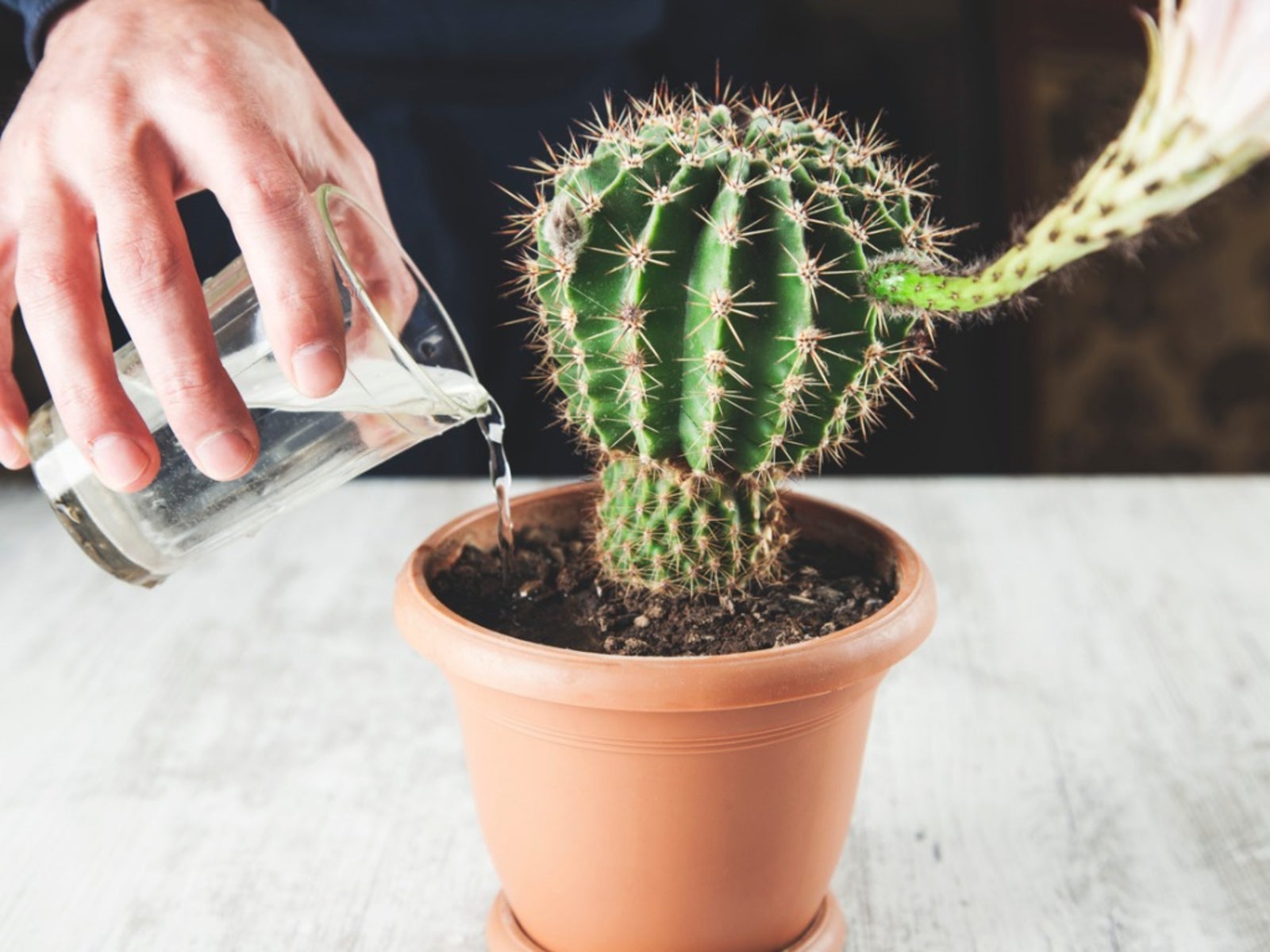
Deep soaking encourages strong and healthy root growth. Water the cactus until water flows out of the drainage holes. This ensures the roots absorb enough moisture. Shallow watering leads to weak roots and poor growth. Deep watering also helps the soil retain moisture longer.
Watering Time Of Day
Water cacti early in the morning for best results. Morning watering allows the soil to dry during the day. This reduces the risk of fungal growth and root rot. Avoid watering in the evening, as wet soil overnight harms the plant.
Water Temperature Tips
Use room temperature water to avoid shocking the cactus roots. Cold water can slow down water absorption. Warm water supports healthy root function and growth. Always avoid ice-cold water, especially in cooler seasons.
Choosing The Right Pot
Choosing the right pot for your cactus is key to its health. The pot affects how water drains and how fast the soil dries. A good pot helps prevent root rot and keeps the cactus happy. Picking the right material and design helps you water your cactus just right.
Clay Vs Plastic Pots
Clay pots are porous. They let air and moisture pass through the walls. This helps the soil dry out faster. Faster drying means less chance of overwatering. Clay pots are heavier, so they stay stable as the cactus grows.
Plastic pots hold moisture longer. They are lighter and often cheaper. But soil in plastic pots stays wet for more time. This can cause root rot if you water too often. Plastic pots work best if you watch the soil moisture closely.
Importance Of Drainage Holes
Drainage holes let excess water escape. Without them, water pools at the bottom. This causes the roots to sit in water and rot. Drainage holes prevent water buildup and keep roots healthy.
Always choose pots with drainage holes. If the pot has no holes, add some before planting. Good drainage means you can water deeply without harming the cactus.

Credit: cactusenligne.ca
Common Watering Mistakes
Watering cactus plants may seem simple, but many people make common mistakes. These errors can harm the plant and stunt its growth. Proper watering helps cacti thrive and stay healthy. Understanding common watering mistakes is key to good cactus care.
Overwatering Risks
Overwatering is the most frequent mistake with cacti. Cacti store water in their stems and need less watering than other plants. Excess water causes root rot, which can kill the plant. Signs of overwatering include soft, discolored stems and moldy soil. Overwatered cacti often lose firmness and may develop black spots. Avoid watering again until the soil is completely dry. Using pots with drainage holes helps prevent water buildup.
Underwatering Effects
Underwatering also harms cactus plants. Without enough water, cacti become shriveled and dry. Their growth slows down, and they may turn brown or develop wrinkles. A cactus that stays dry too long can die. Some cacti can survive drought, but indoor plants need occasional watering. Always check soil moisture before watering. Look for dry soil and slight wrinkling as signs your cactus needs water.
Signs Of Overwatering And Underwatering
Knowing the signs of overwatering and underwatering helps keep your cactus healthy. Cacti need just the right amount of water. Too much or too little can harm the plant. Watch for changes in texture and color. These show how your cactus feels inside the pot.
Wrinkling And Softness
Wrinkling usually means your cactus needs water. The skin looks shriveled and dry. Softness can mean two things. It might be a sign of underwatering if the plant feels dry and soft. Or it could mean overwatering if the cactus feels mushy and wet. Touch your cactus gently to check.
Root Rot Indicators
Root rot happens when water stays too long in the soil. The roots turn dark and slimy. The cactus may start to lean or fall over. You might see black or brown spots on the base. The plant can smell bad if root rot is present. Act fast to save your cactus by reducing watering and improving drainage.
Expert Tips For Healthy Cacti
Healthy cacti need careful watering and care. Following expert tips helps keep your cactus strong and vibrant. Proper watering supports growth and prevents common problems like rot or shriveling. Understanding how to care for cacti during different seasons is key to their health.
Promoting Deep Root Growth
Water cacti deeply but less often. This encourages roots to grow downward seeking moisture. Deep roots make the cactus more drought-resistant. Avoid shallow watering, which leads to weak, surface roots. Always water until it drains from the pot’s bottom. Use well-draining soil to prevent waterlogging. This method strengthens the plant’s overall health.
Dormant Season Care
Cacti need less water during dormancy, usually in winter. Reduce watering to once a month or less. Overwatering during this time causes root rot. Keep the cactus in a cool, bright spot. Allow the soil to dry out completely between waterings. This rest period helps the plant prepare for new growth in spring.
Frequently Asked Questions
How Often Should An Indoor Cactus Be Watered?
Water indoor cacti every 2-4 weeks during growth. Let soil dry completely before watering again. Reduce watering in winter.
How To Tell If A Cactus Needs Water?
Check the soil by inserting your finger two inches deep; dry soil means your cactus needs water. Also, lift the pot—light weight indicates dryness. Wrinkled cactus skin shows dehydration. Water thoroughly until drainage appears, then let soil dry before watering again.
What Does An Overwatered Cactus Look Like?
An overwatered cactus looks swollen, soft, and discolored, often with yellowing or black spots. It may also develop root rot.
Do Cacti Need Direct Sunlight?
Cacti thrive best in bright, indirect sunlight. Avoid prolonged direct sun to prevent sunburn and stress.
Conclusion
Cactus plants need careful watering to stay healthy. Water them only when the soil feels dry. Use simple tests like the finger or chopstick method to check soil moisture. Always water deeply but less often, letting excess water drain away.
Choose pots with good drainage to avoid root problems. Watering in the morning helps the soil dry during the day. Adjust watering frequency with seasons—less in winter, more in summer. Watching your cactus closely helps you find the right balance.