How to Keep Plants Watered for a Month: Ultimate Care Tips
Have you ever worried about leaving your plants thirsty for weeks while you’re away? Keeping your plants watered for an entire month might seem tricky, but it doesn’t have to be a challenge.
Whether you’re planning a vacation, a business trip, or simply want to avoid daily watering, there are smart and simple ways to make sure your green friends stay healthy and hydrated. You’ll discover easy, practical methods that fit any budget and skill level.
Get ready to learn how to keep your plants thriving without constant care—so you can relax knowing your plants are in good hands, even when you’re not around. Keep reading, and your plants will thank you!
Credit: www.cnet.com
Plant Watering Basics
Understanding plant watering basics helps keep plants healthy for a month. Proper watering avoids overwatering or underwatering. Each plant has unique needs. Watering depends on plant type, soil, light, and temperature.
Knowing these factors ensures plants stay hydrated without daily care. This knowledge helps plan watering methods for longer periods. It also prevents root rot and plant stress.
Types Of Plants And Water Needs
Different plants need different amounts of water. Succulents and cacti require less water. They store water in their leaves and stems. Tropical plants need more frequent watering. Their leaves lose water faster. Flowering plants often need regular watering to bloom well.
Check each plant’s water needs before leaving. Group plants by similar needs to water efficiently. This saves time and water.
Soil And Drainage Factors
Soil type affects how long water stays around roots. Sandy soil drains quickly and dries fast. Clay soil holds water longer but can cause root rot. Well-draining soil is best for most plants.
Use pots with drainage holes to avoid water buildup. Poor drainage leads to soggy roots and plant damage. Adding materials like perlite improves soil drainage.
Effects Of Light And Temperature
Light and temperature change how plants use water. High light and heat increase water loss through leaves. Plants in direct sun need more water. Cooler or shaded areas reduce water needs.
Adjust watering based on where plants sit. Indoor plants near windows dry out faster. Outdoor plants in shade keep moisture longer. Watch these factors to keep plants hydrated.
Diy Watering Systems
DIY watering systems provide simple, cost-effective ways to keep your plants hydrated for weeks. These systems control water release slowly, so plants receive a steady supply. You can create them with items found at home or in the garden. They require little maintenance and work well for various plant types. Here are some easy DIY watering methods to try.
Water-wick Method
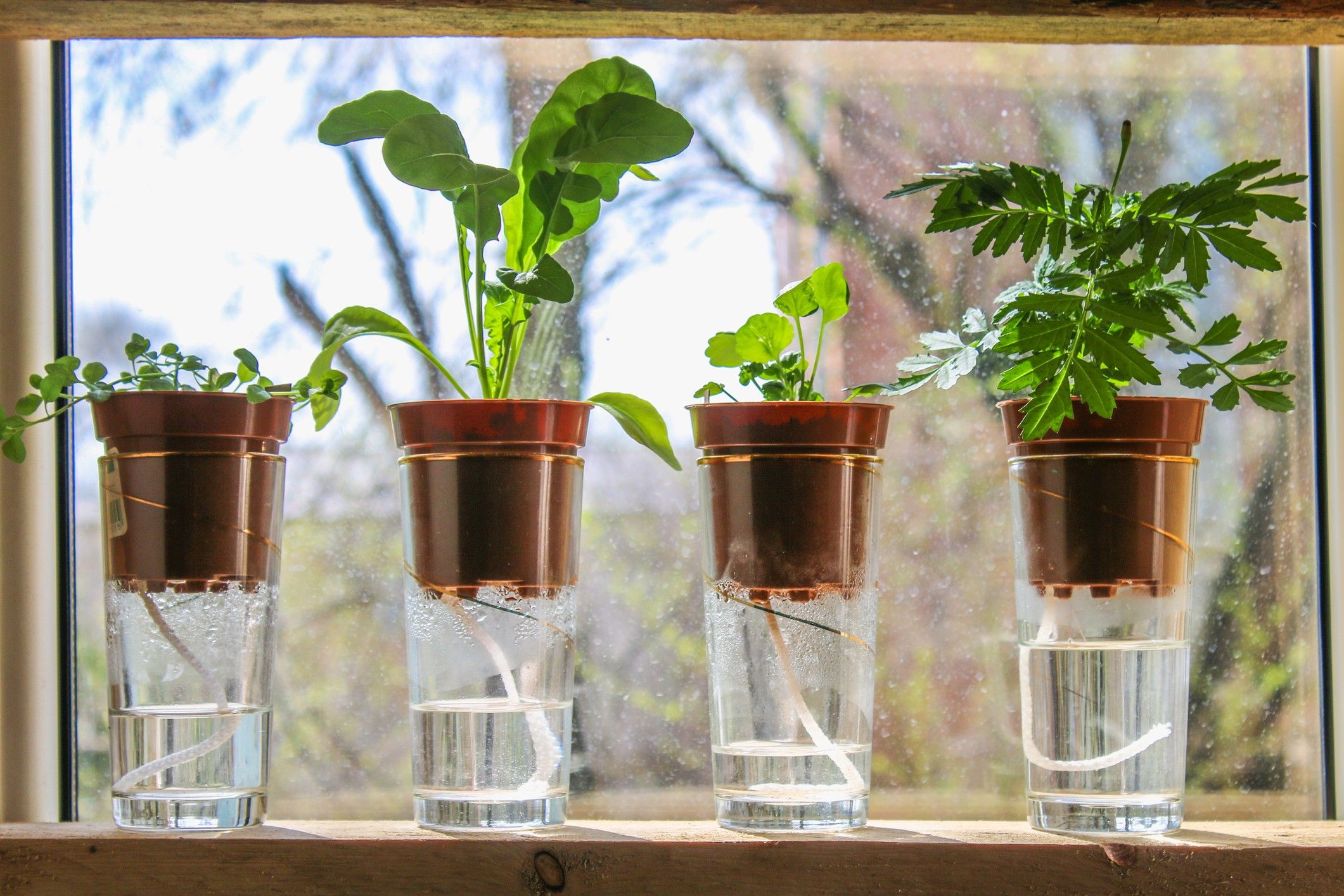
The water-wick method uses a piece of cotton or nylon string. One end goes into a water container, the other into the soil near the plant roots. Water travels through the wick by capillary action, keeping soil moist. This setup is cheap and easy to make. It works best for small to medium-sized pots.
Inverted Bottle Drip
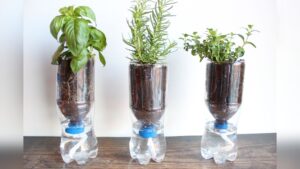
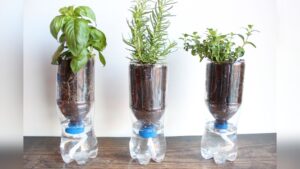
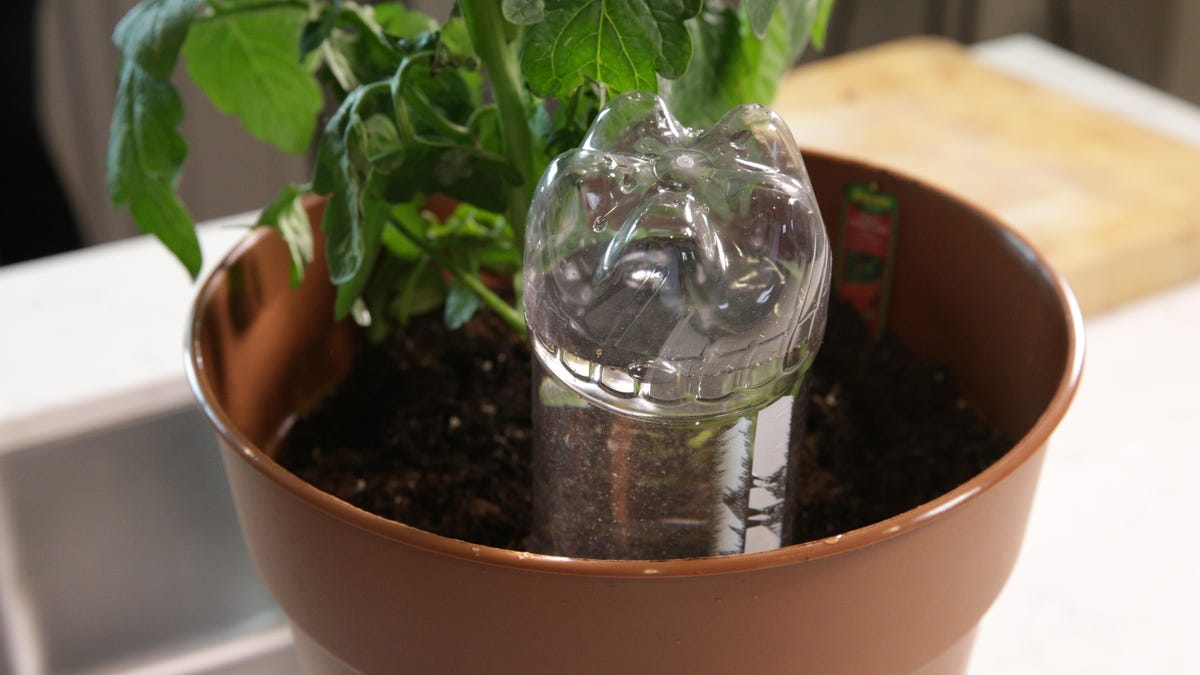
Use a clean plastic bottle to create a slow drip system. Fill the bottle with water and poke small holes in the cap. Bury the bottle neck-first into the soil near the plant. Water will drip slowly into the soil over days or weeks. Adjust hole size or number for faster or slower watering. This method suits medium and large pots well.
Self-watering Globes
Self-watering globes are glass or plastic bulbs with a narrow neck. Fill the globe with water and insert the neck into the soil. Water slowly releases as the soil dries, keeping plants hydrated. These globes are reusable and come in various sizes. They work best for houseplants and decorative pots.
Commercial Watering Solutions
Keeping plants watered for a month can be a challenge. Commercial watering solutions offer effective ways to maintain moisture levels. These products work well for both indoor and outdoor plants. They reduce the risk of overwatering or underwatering.
Using commercial solutions saves time and effort. It ensures plants get the right amount of water regularly. Many options fit different garden sizes and plant types. The following tools help maintain consistent watering without daily attention.
Drip Irrigation Kits
Drip irrigation kits deliver water directly to plant roots. They use small tubes and emitters to control water flow. This method reduces water waste and evaporation. Kits are easy to set up around garden beds or pots. You can adjust the drip rate to suit each plant’s needs. These kits work well for large plant collections.
Self-watering Pots
Self-watering pots have a built-in water reservoir. The soil absorbs water slowly from the base. This keeps soil moist for days or weeks. These pots are ideal for houseplants and small gardens. They reduce the risk of root rot by preventing waterlogging. Self-watering pots need less frequent refilling.
Automatic Timers
Automatic timers control when and how long watering occurs. They connect to hoses or irrigation systems. Timers ensure plants get water at set times daily or weekly. This removes the guesswork from watering schedules. Timers help save water by avoiding overwatering. Many models allow easy programming and remote control.
Credit: www.sproutl.com
Preparation Before Leaving
Preparing your plants before leaving for a month is crucial. Proper preparation ensures they stay healthy and hydrated. This step helps prevent stress and damage caused by lack of water. Follow these simple tips to get your plants ready.
Grouping Plants By Needs
Group plants that need similar watering amounts together. This makes watering easier before you leave. Plants that need more water stay near each other. Drought-tolerant plants like succulents can be grouped separately. This way, you can manage their care better.
Adjusting Plant Location
Move plants away from direct sunlight. Bright sun dries soil quickly. Place them in shaded or cooler spots. Avoid windy areas that speed up evaporation. This adjustment helps plants use water slowly.
Soil Moisture Check
Check soil moisture before you leave. Water plants deeply if soil feels dry. Use your finger to test soil about two inches deep. Soil should be moist but not soggy. Proper moisture helps plants survive longer without watering.
Water Retention Enhancements
Keeping plants hydrated for a whole month requires smart water retention methods. These techniques help soil hold moisture longer. They reduce how often you need to water your plants. This section explores simple ways to improve water retention in your garden or pots. Each method works well for different plant types and settings.
Water-storing Crystals
Water-storing crystals absorb water and release it slowly into the soil. They look like tiny clear beads. Mix them into potting soil before planting. These crystals expand when wet and hold water for days. They help plants stay hydrated longer, especially during hot weather. Use the right amount as per package instructions. Too many crystals may affect soil structure.
Mulching Techniques
Mulching covers soil with a protective layer. Use materials like straw, wood chips, or dried leaves. Mulch keeps soil cool and reduces evaporation. It also stops weeds from stealing water. Spread mulch around plant bases, about 2-3 inches thick. Avoid piling mulch against plant stems. Mulching improves water retention and promotes healthy root growth.
Using Sealable Bags
Sealable bags create a mini greenhouse effect. Place a bag loosely over pots or plants. Seal the edges to trap moisture and reduce water loss. This method works best indoors or in shaded areas. Make sure to open bags occasionally to allow fresh air. Sealable bags help keep humidity high and soil moist for longer periods.
Alternative Watering Tips
Keeping plants watered for a month requires smart solutions beyond daily watering. Alternative watering tips help maintain moisture for long periods. These methods reduce the risk of overwatering or underwatering. They are easy to set up and reliable for your plants’ health.
Using Bathtubs Or Sinks
Bathtubs and sinks can act as temporary water reservoirs. Place potted plants inside them. Add water to the tub or sink until it reaches the pots’ drainage holes. The soil will slowly absorb water from the bottom. This method keeps plants hydrated for several days. It works best for plants that tolerate moist roots. Remember to remove plants before the water stagnates.
Slow Drip Systems
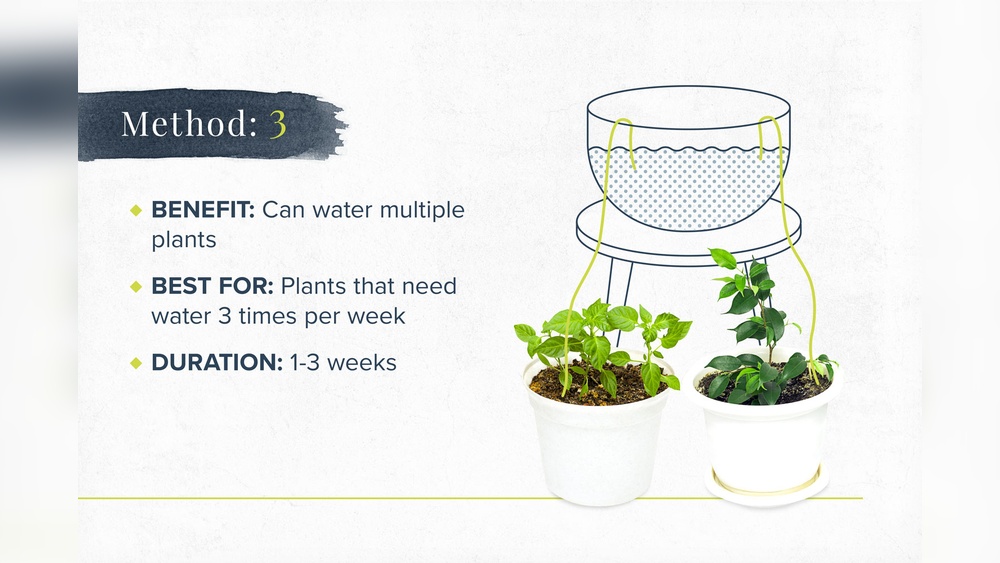
Slow drip systems provide a steady water supply to plants. Use a container filled with water placed above the plants. Connect it to thin tubes that release water drop by drop. This system mimics natural watering and prevents dry soil. It is ideal for garden beds and large pots. Adjust the drip rate based on plant needs. Slow drip systems save water and reduce manual effort.
Watering Bulbs And Spikes
Watering bulbs and spikes release water directly into the soil. Fill the bulb or spike with water and insert it into the pot. Water slowly seeps out over time, feeding the roots. These tools work well for indoor and outdoor plants. They are easy to use and refill. Watering bulbs and spikes help plants stay hydrated for weeks.
Enlisting Help
Enlisting help is a smart way to keep your plants watered for a month. It reduces stress and keeps your plants healthy. Finding someone reliable makes a big difference. This section explains how to get support from neighbors or friends, set clear guidelines, and plan watering visits.
Neighbor Or Friend Assistance
Ask a neighbor or friend who likes plants. They can check on your plants and water them. Choose someone who lives close. This makes it easy for them to visit often. A friendly helper is a great backup for plant care.
Plant Sitter Guidelines
Give clear instructions to your plant sitter. Explain how much water each plant needs. Show them where to find tools and water. Tell them about any special care tips. Clear guidelines help avoid mistakes and keep plants safe.
Scheduling Watering Visits
Plan a watering schedule that fits your helper’s time. Decide how often each plant needs water. Write down the days and times for visits. Use a calendar or reminder app. A good schedule keeps plants watered on time.

Credit: www.wikihow.com
Post-vacation Plant Care
After returning from a month away, your plants need special care to recover. Post-vacation plant care helps them bounce back from dryness and stress. Checking their condition and adjusting water and maintenance routines is key. This process ensures healthy growth and avoids shock.
Checking Plant Health
Start by inspecting each plant carefully. Look for dry leaves, wilting, or discoloration. Check the soil moisture with your finger or a moisture meter. Some plants may have root rot if overwatered. Others might be parched and need extra water. Note which plants need urgent attention.
Gradual Watering Resumption
Do not water all plants heavily at once. Begin with light watering to avoid shock. Increase water amount over several days. This helps roots adjust without stress. Keep soil moist but not soggy. Watch for signs of overwatering like yellowing leaves.
Pruning And Maintenance
Trim dead or damaged leaves and stems. This encourages new growth and improves air flow. Remove any brown or wilted parts carefully. Clean dust from leaves with a soft cloth. Check for pests that might have appeared. Regular maintenance boosts plant health after your absence.
Frequently Asked Questions
How To Keep Plants Watered When Away For 3 Weeks?
Use self-watering pots or slow-drip systems to keep soil moist. Group plants by water needs and place them in cooler, shaded spots. Ask a trusted neighbor to water or set up water-wicking devices before leaving for three weeks.
Can Plants Survive A Month Without Water?
Some drought-tolerant plants, like succulents and snake plants, can survive a month without water. Most plants need regular watering to stay healthy. Using self-watering systems or asking someone to water helps keep plants alive during long absences.
How To Water While On Vacation?
Use self-watering pots, water-wick systems, or inverted bottles for slow watering. Move plants to cooler, low-light areas. Ask a neighbor to water if possible.
Who Can Water My Plants While On Vacation?
A reliable neighbor, friend, or professional plant sitter can water your plants while on vacation. Self-watering devices also help.
Conclusion
Keeping plants watered for a month is possible with simple steps. Group plants by their water needs to make care easier. Use tools like self-watering pots or slow drip systems. Water-storing crystals also help keep soil moist longer. Ask a friend or neighbor to check on your plants.
Preparing well before leaving ensures healthy, happy plants. Your plants will thrive even during your absence. Just a little planning goes a long way. Enjoy your time away without worrying about watering.