How to Use Plant Watering Globes: Easy Tips for Lush Plants
If you’ve ever worried about keeping your plants properly watered—especially when life gets busy or you’re away—plant watering globes might just be your new best friend. These simple, clever tools deliver water directly to your plants’ roots, helping them stay healthy without constant attention from you.
But how do you use them correctly to get the best results? In this guide, you’ll discover easy, step-by-step tips to set up watering globes the right way, so your plants thrive with minimal effort. Keep reading to unlock the secret to stress-free plant care and watch your green space flourish like never before!
Filling The Globe
Filling the watering globe correctly is important for healthy plant hydration. It controls how water is released slowly into the soil. Proper filling ensures your plant gets enough moisture without overwatering. Follow simple steps to fill the globe effectively and keep your plants thriving.
Leaving Space For Airflow
Do not fill the globe all the way to the top. Leave some space inside for air to enter. Airflow balances the water release and prevents the globe from clogging. This small air pocket helps water drip steadily into the soil. It keeps the watering globe working properly over time.
Methods To Fill With Water
Fill the globe gently to avoid spills and bubbles. One way is to hold it under a tap and fill slowly. Another way is to dip the globe into a water container. This method is softer and helps control the water level. Both ways work well if you leave space for air inside.
Preparing The Soil
Preparing the soil is an important step before using plant watering globes. Proper soil preparation helps the globe deliver water evenly and prevents damage to the roots. Taking a few simple actions ensures your plant absorbs water well and stays healthy.
Watering Soil Before Use
Water the soil lightly before inserting the watering globe. Moist soil helps the globe start releasing water immediately. Dry soil can repel water, making the globe less effective. Use a small watering can or spray bottle for gentle watering. The soil should feel damp but not soggy. This step also reduces air pockets around the roots.
Creating A Pilot Hole
Make a small hole in the soil before placing the watering globe. Use your finger or a thin stick to create the hole. The hole should be deep enough to hold the globe’s stem securely. This prevents the soil from cracking when you insert the globe. A pilot hole also helps water flow smoothly from the globe to the roots. Insert the globe gently to avoid disturbing the plant’s roots.
Inserting The Globe
Inserting the watering globe properly helps your plant get water slowly and steadily. It ensures the roots receive moisture without overwatering. Follow these simple steps to place the globe correctly into your plant’s soil.
Covering The Opening
After filling the globe with water, cover its opening with your thumb. This stops water from spilling out. Holding the opening also keeps air from escaping. This control helps the water flow smoothly once the globe is in the soil.
Placing The Stem In Soil
Turn the globe upside down carefully. Insert the stem into a small hole in the soil. The hole should be deep enough to hold the globe’s stem steady. Place it close to the plant roots but avoid touching them directly.
Sealing The Soil Around The Stem
Remove your thumb slowly from the opening. As air enters, water will flow out gently. Press soil tightly around the stem to seal the hole. This seal controls water release and prevents leaks. A firm soil seal keeps the globe stable and supports plant hydration.

Credit: lexihome.com
Maintaining Water Flow
Maintaining water flow in plant watering globes ensures your plants receive the right amount of water. Proper water flow prevents overwatering and keeps soil moist. Understanding how water moves from the globe to the soil helps you care for your plants better.
Slow Water Release
Watering globes release water slowly to avoid flooding the roots. The soil absorbs water bit by bit through small holes in the globe. This slow release keeps the soil evenly moist for days. It also helps plants grow strong and healthy.
Monitoring Water Levels
Check the water level in the globe regularly. Low water means the plant needs refilling soon. If the globe is empty, the soil might dry out quickly. Watch how fast the water disappears to understand your plant’s needs. Adjust watering times based on this observation.
Refilling The Globe
Refill the globe before it runs completely dry. Remove it gently from the soil to avoid damage. Fill the globe with fresh water but leave some air space for proper flow. Insert the globe back into the soil firmly to create a good seal. This helps maintain steady water flow to the roots.
Handling Common Issues
Plant watering globes are helpful tools, but sometimes problems occur. Knowing how to handle common issues keeps your plants healthy. This section covers simple fixes to keep globes working well. Small problems can stop water flow and harm your plants. Fix these issues fast to maintain steady watering.
Dealing With Clogged Stems
Clogged stems block water from reaching the soil. Dirt and debris often cause this. Remove the globe and check the stem tip. Rinse the stem under warm water to clear blockages. Use a thin brush or toothpick to clean inside carefully. Avoid pushing debris deeper into the stem. Repeat cleaning if water still does not flow. Keeping stems clean ensures steady water delivery.
Tips For Long-term Use
Clean globes regularly to prevent algae and buildup. Use mild soap and water for cleaning. Avoid harsh chemicals that may harm plants. Store globes in a cool, dry place when not in use. Check the seal between soil and globe often. Refill globes before they run completely dry. Rotate globes between plants to allow rest periods. These steps help globes last longer and work better.
Choosing The Right Globe
Choosing the right watering globe is key to keeping your plants healthy. The size and material affect how well the globe works. Selecting the proper globe ensures your plants get just the right amount of water. This section helps you pick the best globe for your needs.
Size Considerations
Watering globes come in many sizes. Small globes suit small pots and plants. Large globes hold more water for bigger plants. Match the globe size to your plant’s water needs. A globe too small will need frequent refilling. Too large may release too much water. Consider the pot size and plant type before choosing.
Material Types
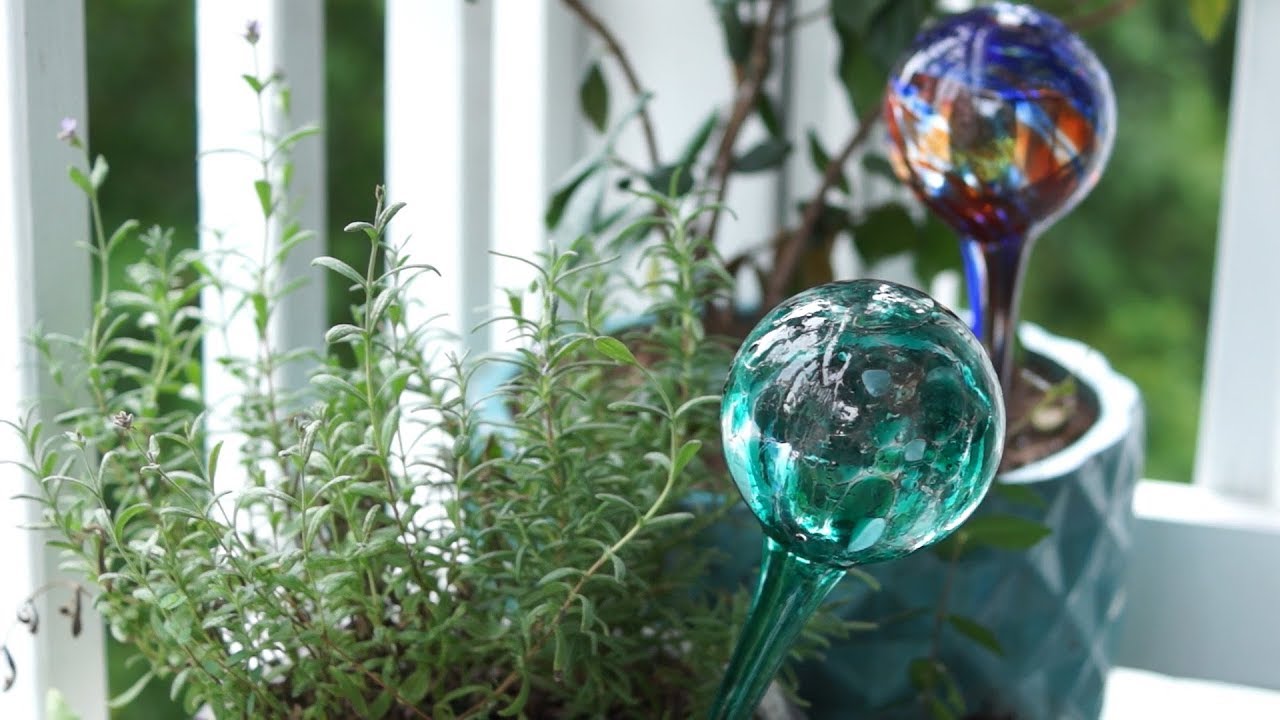
Common globe materials include glass and plastic. Glass globes are attractive and reusable. They let you see the water level easily. Plastic globes are lightweight and less fragile. Some plastic globes come in bright colors for decoration. Choose a material that fits your style and durability needs. Both types work well if used correctly.
Using Globes For Different Plants
Plant watering globes offer a simple way to keep plants hydrated. Different plants have different watering needs. Using globes correctly helps each plant get the right amount of water. Adjust the globe size and placement for best results. Here are tips for using globes with various types of plants.
Indoor Plants
Indoor plants enjoy steady moisture from watering globes. Use medium-sized globes for pots between 6 to 10 inches. Insert the globe near the plant’s roots, avoiding the stem base. Check soil moisture regularly to avoid overwatering. Indoor plants need less water than outdoor ones. Globes help maintain a healthy balance.
Outdoor Plants
Outdoor plants face sun and wind, which dry soil faster. Use larger globes for outdoor pots or garden beds. Place globes deep enough to reach roots but stable in the soil. Water release is faster in warm weather, so refill globes often. Outdoor plants benefit from globes during dry spells or vacations.
Succulents And Delicate Varieties
Succulents and delicate plants need careful watering. Use small globes or reduce water volume to prevent root rot. Insert the globe gently to avoid damaging fragile roots. Check soil dryness before adding water. These plants prefer dry soil between watering. Globes provide slow, controlled hydration to keep them healthy.

Credit: lexihome.com
Benefits Of Watering Globes
Using plant watering globes offers many benefits for both new and experienced gardeners. These simple tools help maintain healthy plants by providing steady water supply. They reduce the risk of common watering mistakes and save time in daily care.
Watering globes work by slowly releasing water into the soil. This method supports the plant’s natural growth cycle and improves overall health. Below are some key benefits of using watering globes.
Consistent Moisture
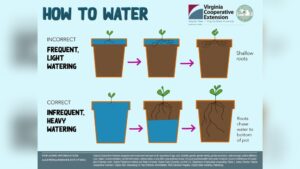
Watering globes keep the soil moist at a steady level. They release water only when the soil begins to dry out. This prevents plants from getting too much or too little water. Consistent moisture helps roots grow stronger and plants stay healthier.
Convenience For Travel
Watering globes are perfect for short trips or busy days. They provide water to plants without daily attention. This means plants stay hydrated even if you are away. You do not need to worry about watering while traveling.
Reducing Overwatering
Overwatering can harm plants by drowning their roots. Watering globes control how much water the plant receives. They release water slowly, reducing the chance of water buildup. This helps avoid root rot and keeps plants safe.
Credit: www.dutchgrown.com
Frequently Asked Questions
How Do You Use Plant Watering Globes?
Fill the globe with water and make a small hole in damp soil near the plant’s roots. Cover the globe’s opening with your thumb, invert it, and insert the stem into the hole. Release your thumb slowly, allowing the soil to seal and control water flow.
Can You Overwater With Watering Globes?
Yes, overwatering can occur with watering globes if the soil remains constantly wet. Monitor soil moisture regularly to avoid this.
Do Water Globes Really Work For Plants?
Water globes provide slow, consistent moisture, helping plants stay hydrated. They work best with damp soil and proper placement. Regular refilling and occasional cleaning prevent clogging and ensure effectiveness.
How Long Do Self-watering Globes Work?
Self-watering globes typically work for 3 to 14 days, depending on plant size, soil type, and globe capacity. Refill when empty.
Conclusion
Plant watering globes make watering simple and steady. Fill the globe with water and prepare the soil carefully. Insert the globe stem gently to avoid soil clogging. The globe slowly releases water, keeping plants healthy longer. Using globes saves time and helps when you travel.
Remember to check water levels often for best results. These globes suit many indoor and outdoor plants. Try them to keep your plants moist with less effort. Easy care means happier plants and less worry for you.