How Often Should a Snake Plant Be Watered
Are you wondering how often you should water your snake plant to keep it healthy and thriving? Getting the watering right is key because too much or too little can quickly harm your plant.
But don’t worry—this guide will help you understand exactly when and how to water your snake plant so it stays vibrant for years. You’ll learn simple ways to check if your plant needs water and how to adjust watering based on the season.
Keep reading, and you’ll become confident in caring for your snake plant like a pro.
Watering Frequency
Watering frequency is key to keeping your snake plant healthy and happy. This plant stores water in its leaves, so it does not need frequent watering. Giving it too much water can cause root rot and damage. Adjust your watering routine based on the season and the plant’s needs.
During Growing Season
The growing season usually lasts from spring through summer. During this time, your snake plant is more active and uses more water. Water the plant every 10 to 14 days. Always check the soil first. The top two inches should be dry before watering again. Water deeply but avoid leaving the plant in standing water.
During Dormant Season
The dormant season happens in fall and winter. The plant slows down and needs less water. Water only once every 3 to 4 weeks. Make sure the soil is completely dry before watering. Overwatering during this time can cause root problems. Keep the soil dry and the plant will stay healthy.
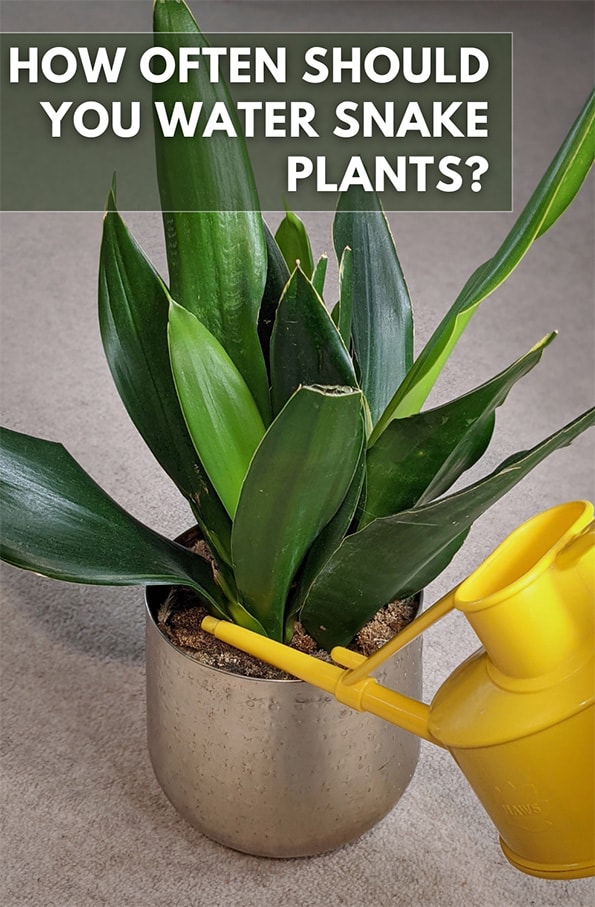
Credit: www.ourhouseplants.com
Checking Soil Moisture
Checking soil moisture is key to watering your snake plant properly. It helps avoid overwatering and underwatering. Snake plants prefer dry soil between waterings. Testing the soil keeps your plant healthy and happy. Use simple methods to know when to water next.
Using Your Finger
Stick your finger about two inches into the soil. Feel if the soil is dry or damp. Dry soil means it is time to water. If damp, wait a few more days before checking again. This method is quick and easy.
Using A Moisture Meter Or Probe
A moisture meter gives a more exact reading of soil moisture. Insert the probe into the soil near the roots. The meter shows if the soil is dry, moist, or wet. This tool helps prevent watering mistakes. It is useful for beginners and busy plant owners.
Signs Of Dry Soil
Soil looks light in color and feels crumbly when dry. It pulls away from the edges of the pot. The soil surface may crack slightly. These signs mean the snake plant needs water soon. Checking soil moisture often prevents plant stress.
Leaf Indicators
Leaf indicators provide clear signs of your snake plant’s water needs. Observing the leaves helps prevent watering mistakes. Healthy leaves show the plant is properly hydrated.
Changes in leaf appearance reveal if the plant is thirsty or overwatered. Pay close attention to color, texture, and firmness. These clues guide your watering schedule.
Signs Of Underwatering
Leaves turn brown and crispy at the tips. They may feel dry and brittle to touch. Thin or stunted leaves indicate a lack of water. The plant looks less vibrant and may stop growing. Soil also feels hard and compacted.
Signs Of Overwatering
Leaves become soft and mushy with a yellow tint. Brown spots or black patches may appear on leaves. Overwatered leaves often look swollen or limp. The soil stays wet for a long time after watering. This can cause root rot and damage the plant.
Drooping Leaves And What They Mean
Drooping leaves can signal both underwatering and overwatering. Leaves may curl or bend downward. Check the soil moisture to know the cause. Dry soil means the plant needs water. Wet soil means reduce watering frequency. Drooping leaves need quick attention to save the plant.
Watering Techniques
Watering techniques play a key role in keeping your snake plant healthy and thriving. Knowing how to water correctly prevents common issues like root rot or dehydration. It is important to water the plant just right, not too much and not too little.
Proper watering also helps the plant absorb nutrients efficiently. Simple tools and careful measuring can make watering easier and more effective. Let’s explore the best practices for watering your snake plant.
How Much Water To Use
Use a small amount of water each time you water your snake plant. The soil should be moist, not soaked. Typically, about 1/4 to 1/2 cup of water is enough for a medium-sized pot.
Pour water slowly around the base of the plant. Avoid watering the leaves directly as this can cause damage. Make sure excess water drains out of the pot to prevent root rot.
Watering Tools And Tips
Use a watering can with a narrow spout to control the flow of water. This helps avoid overwatering and spills. A moisture meter can help check soil dryness before watering.
Water your snake plant in the morning to allow soil to dry during the day. Avoid watering late in the day to prevent excess moisture overnight. Always check the soil moisture by sticking your finger two inches into the soil.
Seasonal Adjustments
Snake plants need different watering amounts in different seasons. Adjusting water helps the plant stay healthy. Seasons change the plant’s growth and water needs. Watch your plant closely to know when to adjust watering.
Watering too much or too little can harm your snake plant. Seasonal adjustments keep the soil just right. This section explains how to water in spring, summer, fall, and winter.
Increasing Water In Spring And Summer
Spring and summer bring warmer weather and more sunlight. Snake plants grow faster and use more water. Water your plant more often during these months. Check the soil every week. Water when the top two inches feel dry. Avoid letting the soil stay wet for too long. More water helps the plant stay strong and green.
Reducing Water In Fall And Winter
Fall and winter are cooler and darker. Snake plants grow slower and need less water. Water less often to prevent root rot. Check the soil every two to three weeks. Water only if the soil feels dry deep down. Too much water in cold months can hurt the plant. Let the soil dry out more between waterings.
Common Watering Mistakes
Watering a snake plant correctly is key to its health. Many plant owners make mistakes that harm their snake plants. These errors can cause root problems or dry leaves. Knowing common watering mistakes helps keep your plant thriving. Avoiding these errors ensures your snake plant stays green and strong.
Overwatering Risks
Too much water is a top problem for snake plants. Overwatering can cause root rot, which kills the plant. The roots sit in wet soil and start to decay. Leaves may turn yellow or soft from too much water. The plant can develop brown spots on the leaves. Overwatering also invites pests and fungi. It is best to let the soil dry completely before watering again.
Underwatering Consequences
Not watering enough also harms snake plants. The leaves become brown and crispy at the tips. The plant may look thin or stunted without enough moisture. Dry soil can cause the roots to shrink and stop working well. The plant stops growing and may drop leaves. Regular checks of soil moisture prevent underwatering problems. Water the plant when the top two inches of soil feel dry.
Reviving A Thirsty Snake Plant
Snake plants are tough, but they can suffer from water stress. Reviving a thirsty snake plant means careful care and attention. Knowing whether the plant is overwatered or underwatered helps bring it back to health. Each condition needs a different approach for recovery. Prompt action can save your plant and keep it thriving.
Treating Overwatered Plants
Overwatering causes root rot and leaf damage. Remove the plant from its pot to check the roots. Trim any soft or black roots using clean scissors. Let the roots dry for a day before repotting.
Use fresh, well-draining soil and a pot with drainage holes. Water only when the top two inches of soil are dry. Avoid watering again until the soil is dry to touch.
Place the plant in bright, indirect light to help recovery. Remove any yellow or mushy leaves to prevent disease spread. Watch closely for new healthy growth as a sign of improvement.
Recovering Underwatered Plants
Underwatered snake plants show dry, crispy leaf tips and stunted growth. Water the plant deeply until water drains from the bottom. Ensure the soil is soaked but not soggy.
Water again only when the top two inches of soil feel dry. Increase watering frequency slightly during the growing season. Avoid letting the soil dry out completely for long periods.
Keep the plant in bright light to encourage growth. Trim off any brown leaf tips carefully to improve appearance. With regular watering, the plant will regain its strength and vibrant look.

Credit: www.happyhouseplants.co.uk
:max_bytes(150000):strip_icc()/how-often-to-water-snake-plants-hero-7c353647932448349e0a05395be072dd.jpg)
Credit: www.thespruce.com
Frequently Asked Questions
How Do You Know If Your Snake Plant Needs Water?
Check the soil by inserting your finger two inches deep. If dry, water the snake plant. Wilted, yellow, or brown leaf tips also signal watering needs.
Does A Snake Plant Need Direct Sunlight?
Snake plants thrive in indirect sunlight and tolerate low light. Avoid direct sunlight to prevent leaf burn and stress.
Do You Water A Snake Plant From The Top Or Bottom?
Water a snake plant from the top to moisten the soil evenly. Avoid bottom watering to prevent root rot.
Where Should I Place A Snake Plant In My House?
Place your snake plant in bright, indirect light or low-light areas. Avoid direct sunlight to prevent leaf burn. It thrives near windows or in shaded corners. Ensure good air circulation and a spot away from cold drafts or heaters for healthy growth.
Conclusion
Proper watering keeps your snake plant healthy and vibrant. Check the soil dryness before watering every time. Water less during fall and winter months. Watch the leaves for signs of water stress. Overwatering causes root rot; underwatering leads to dry, crispy leaves.
Adjust watering based on the season and soil moisture. This simple care routine helps your plant thrive. Consistency and observation make all the difference. Your snake plant will reward you with its sturdy, green leaves. Keep these tips in mind to enjoy a happy, healthy snake plant.