
How Often Should Strawberry Plants Be Watered
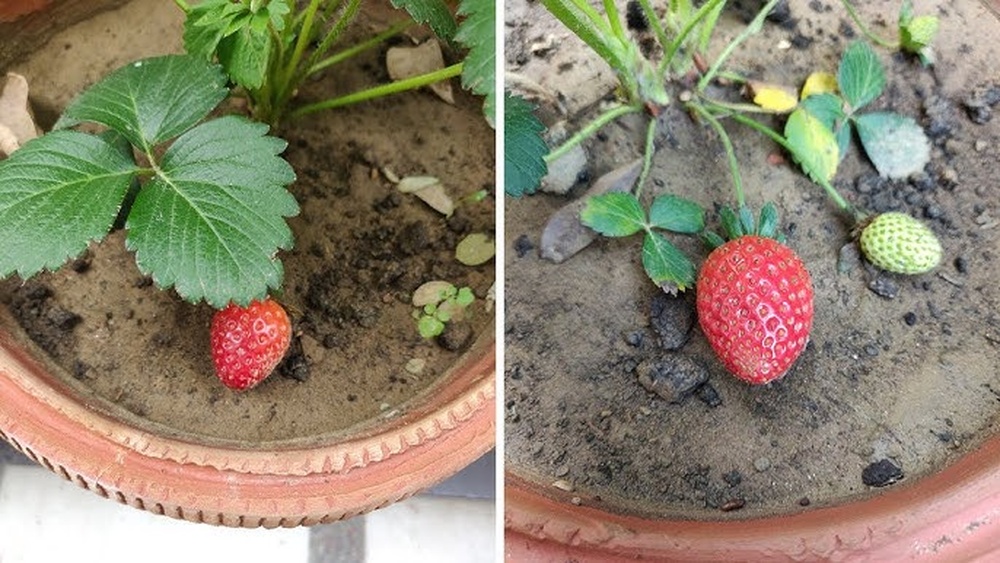
Are you wondering how often you should water your strawberry plants to get the juiciest, sweetest berries? Watering strawberries might seem simple, but the truth is, too much or too little water can harm your plants and ruin your harvest.
You want to keep your soil just right—moist enough to nourish the roots but not soggy enough to cause problems like mold or root rot. You’ll discover the perfect watering routine tailored to your garden’s needs. Keep reading to learn how to tell when your strawberry plants need water, the best times to water them, and tips to help your plants thrive all season long.
Your strawberries—and your taste buds—will thank you!
:max_bytes(150000):strip_icc()/ms-strawberries-36f0faf95598401baf6af0a45ca48a6f.jpg)
Credit: www.marthastewart.com
Water Needs By Growth Stage
Strawberry plants need different amounts of water during each growth stage. Proper watering helps plants grow strong and produce sweet fruit. Understanding the water needs by growth stage ensures healthy plants and better harvests.
Watering Newly Planted Strawberries
New strawberry plants need consistent moisture to establish roots. Water them lightly every day for the first week. Keep the soil moist but not soggy. After the first week, water deeply two to three times a week. This helps roots grow deeper into the soil.
Hydration During Flowering And Fruiting
Flowering and fruiting stages require more water. Strawberries need about one to two inches of water weekly. Water deeply to reach the root zone. Avoid wetting the leaves to reduce disease risk. Consistent moisture improves fruit size and taste.
Adjusting Water For Dormant Periods
During dormancy, plants need less water. Reduce watering to once every ten to fourteen days. Keep the soil slightly moist but not wet. Overwatering in this stage can harm the roots. Properly timed watering helps plants rest and prepare for next growth.
Signs Of Proper Moisture
Proper moisture is vital for healthy strawberry plants. Knowing the signs of proper moisture helps maintain the right water balance. Too much or too little water harms growth and fruit quality. Observing your plants and soil ensures they receive just enough water. This section explains how to check soil moisture and spot signs of overwatering and underwatering.
Checking Soil Moisture Levels
Check soil moisture by touching the soil near the plant. The soil should feel slightly damp but not wet. Insert a finger about two inches deep to test moisture. If the soil feels dry at this depth, the plant needs watering. If it feels soggy, hold off on watering. Consistent moisture helps roots absorb nutrients efficiently.
Recognizing Overwatering Symptoms
Overwatered strawberry plants show droopy leaves and yellowing edges. Leaves may turn brown or develop mold spots. The soil stays wet for long periods, causing root rot. Roots may smell bad or look slimy. Overwatering reduces oxygen to roots, weakening the plant. Avoid watering again until the soil dries out a bit.
Identifying Underwatering Effects
Underwatered plants have dry, crispy leaves that curl up. The leaves may turn pale or brown at tips. Fruit may shrivel or taste less sweet. Soil looks dry and cracks easily. Plants stop growing and appear weak. Water deeply to soak roots and help plants recover quickly.
Best Watering Practices
Proper watering is key to healthy strawberry plants and sweet fruit. Water helps the roots grow deep and strong. It also keeps the plants from drying out or getting too wet. Knowing the best watering practices can improve your strawberry harvest.
Optimal Time Of Day To Water
Water strawberry plants early in the morning. This timing lets water soak into the soil before the heat of the day. Morning watering reduces evaporation and helps leaves dry quickly. Avoid watering at night to prevent mold and disease.
Watering Techniques For Deep Roots
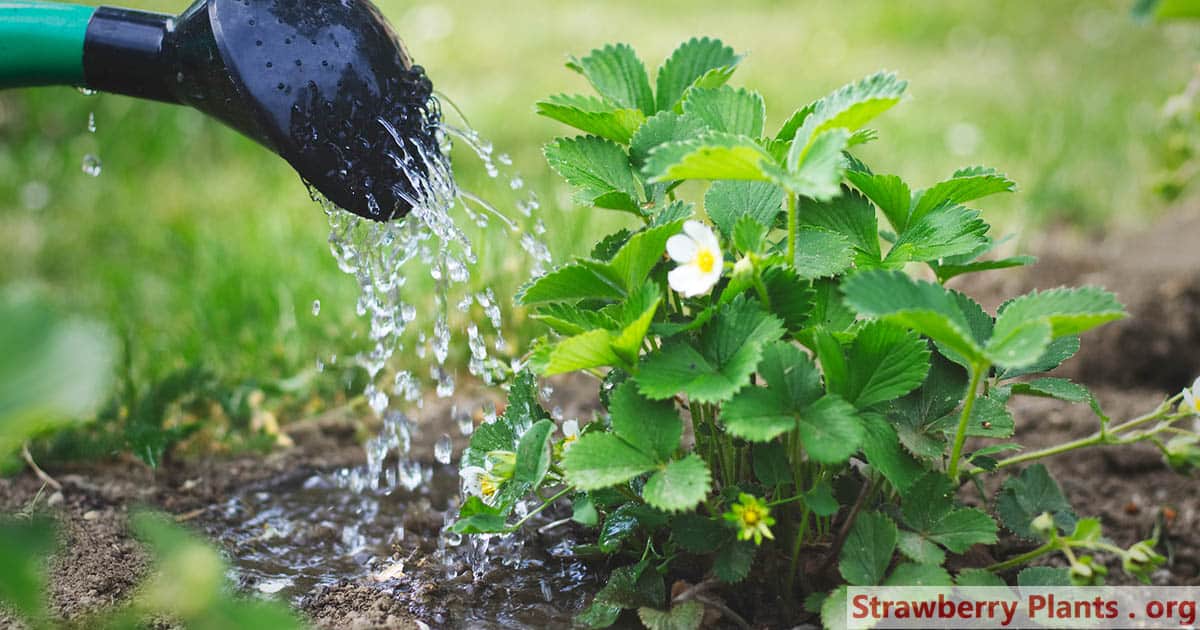
Use a slow, deep watering method. This encourages roots to grow downward. Water until the soil is moist at least six inches deep. Avoid light, shallow watering that keeps roots near the surface. Drip irrigation or soaker hoses work well for deep watering.
Frequency Recommendations For Different Climates
In hot, dry climates, water strawberry plants every one to two days. Check soil moisture often. In cooler, wetter climates, water every three to four days. During rainy periods, reduce watering to avoid soggy soil. Adjust frequency based on rainfall and temperature.
Credit: strawberryplants.org
Environmental Factors Impacting Watering
Watering strawberry plants depends heavily on environmental factors. These factors change how much water your plants need. Understanding them helps keep your strawberries healthy and fruitful. Different conditions affect moisture needs and watering frequency. Adapting your routine to these conditions improves plant growth.
Effect Of Sunlight On Water Requirements
Strawberry plants need sunlight to grow and produce fruit. More sunlight causes faster soil drying. Plants under full sun require more frequent watering. In shaded areas, water less often to avoid soggy soil. Hot, sunny days increase water loss through leaves. Monitor plants closely during intense sunlight periods.
Influence Of Soil Type On Moisture Retention
Soil type controls how long water stays near roots. Sandy soil drains water quickly and dries out fast. Clay soil holds water longer but may cause root rot if overwatered. Loamy soil balances drainage and moisture well. Adjust watering based on soil texture for best results. Test your soil to know its water-holding capacity.
Adjusting Watering In Rainy Vs Dry Seasons
Rainy seasons reduce the need for watering. Excess rain can lead to waterlogged roots and disease. During dry seasons, increase watering frequency to keep soil moist. Use mulch to retain soil moisture and reduce evaporation. Always check soil moisture before adding water in wet weather.
Watering Container Vs Ground Plants
Watering strawberry plants differs between container and ground planting. Containers dry out faster than garden beds. They need more frequent attention. Garden plants have deeper soil to hold moisture longer. Understanding these differences helps keep strawberries healthy and productive.
Special Care For Potted Strawberries
Potted strawberries need careful watering to avoid stress. Containers limit soil volume, so water evaporates quickly. Check soil moisture daily by touching the top layer. Water thoroughly until it drains from the pot’s bottom. Avoid letting soil dry out completely or stay soggy. Potted plants also benefit from misting leaves during hot days.
Drainage Considerations
Good drainage is crucial for both container and ground strawberries. Pots must have holes to let excess water escape. Poor drainage leads to root rot and plant damage. Garden soil should be loose and well-draining. Add organic matter like compost to improve drainage if needed. Proper drainage helps roots get oxygen and prevents waterlogging.
Frequency Differences Between Containers And Garden Beds
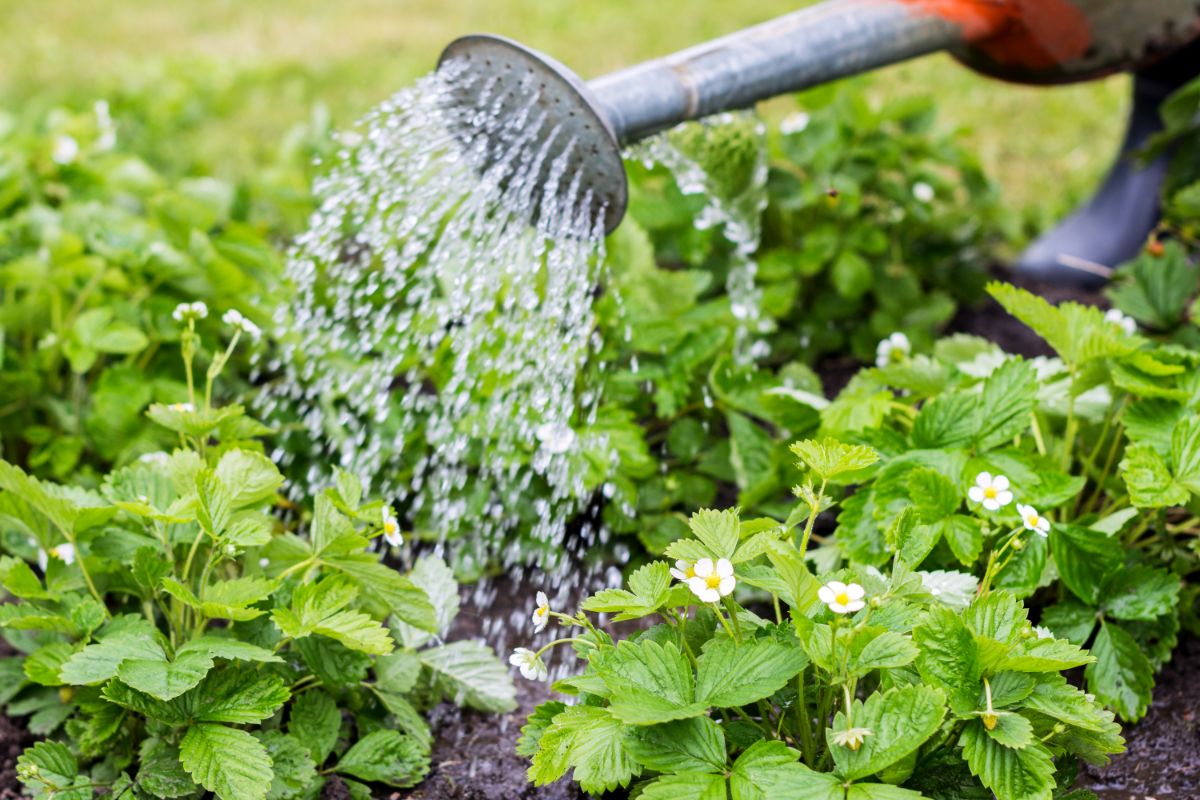
Containers need watering more often than garden beds. During hot weather, container plants might need daily watering. In cooler seasons, watering every two to three days may suffice. Ground plants usually need watering once or twice a week. Always check soil moisture before watering to avoid overwatering. Adjust watering frequency based on weather and plant health.
Credit: strawberryplants.org
Additional Tips For Lush Growth
Healthy strawberry plants need more than just regular watering. Small changes in care can boost growth and fruit quality. Here are some extra tips to help your strawberry plants thrive and produce lush, juicy berries.
Mulching To Retain Soil Moisture
Mulch keeps soil moist longer by reducing evaporation. Use straw, pine needles, or wood chips around your plants. Mulching also helps control weeds that compete for water. It keeps the soil temperature steady, which benefits root health. Apply a 2-3 inch layer for best results.
Using Drip Irrigation Systems
Drip irrigation delivers water directly to the plant roots. This method saves water and reduces leaf wetness, lowering disease risks. Set the system to run early morning for best water absorption. Drip irrigation offers steady moisture without overwatering.
Combining Watering With Fertilization
Mixing water and fertilizer helps nutrients reach roots quickly. Use a balanced liquid fertilizer during watering sessions. Feed plants every 2-3 weeks for steady growth. Avoid over-fertilizing to prevent leaf burn and weak fruits.
Frequently Asked Questions
Do I Need To Water Strawberries Every Day?
Water strawberries deeply twice a week, ensuring soil stays moist but not soggy. Avoid daily watering to prevent root rot.
How To Tell If Strawberries Are Overwatered?
Overwatered strawberries show brown edges on leaves, drooping, moldy fruit, and a foul root smell. Check soil moisture regularly.
Should You Water Strawberries In The Fall?
Water strawberries in fall only if the soil feels dry. Deep watering twice a week helps maintain moisture without overwatering. Avoid wetting leaves to prevent disease.
Can Strawberries Get Too Much Sun?
Yes, strawberries can get too much sun, causing leaf scorch and fruit damage. Provide 6-10 hours of sunlight daily for healthy growth.
Conclusion
Strawberry plants need consistent watering to grow well and produce fruit. Water them deeply when the top inch of soil feels dry. Avoid watering too much to prevent root problems. Morning watering helps leaves dry quickly and reduces disease risk.
Adjust watering frequency based on weather and soil type. Watching your plants closely ensures they get just the right amount. Healthy strawberries start with proper watering habits. Keep this simple routine, and enjoy fresh, juicy berries all season long.