How to Use Self Watering Plant Pots: Easy Tips for Thriving Plants
If you’ve ever struggled with keeping your plants properly watered, self-watering plant pots might just be the game-changer you need. These smart pots take the guesswork out of plant care by delivering water directly to the roots, helping your plants thrive with less effort from you.
Imagine coming home to healthy, vibrant greenery without worrying if you forgot to water them. In this guide, you’ll learn exactly how to use self-watering pots to make your plant care easier and more effective. Ready to transform your gardening routine?

Credit: www.youtube.com
How Self-watering Pots Work
Self-watering pots simplify plant care by providing a steady water supply. They reduce the risk of overwatering or underwatering. These pots have a unique system that keeps soil moist for longer periods. Understanding how they work helps in using them effectively.
Water Reservoir Design
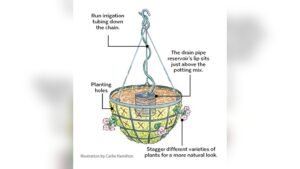
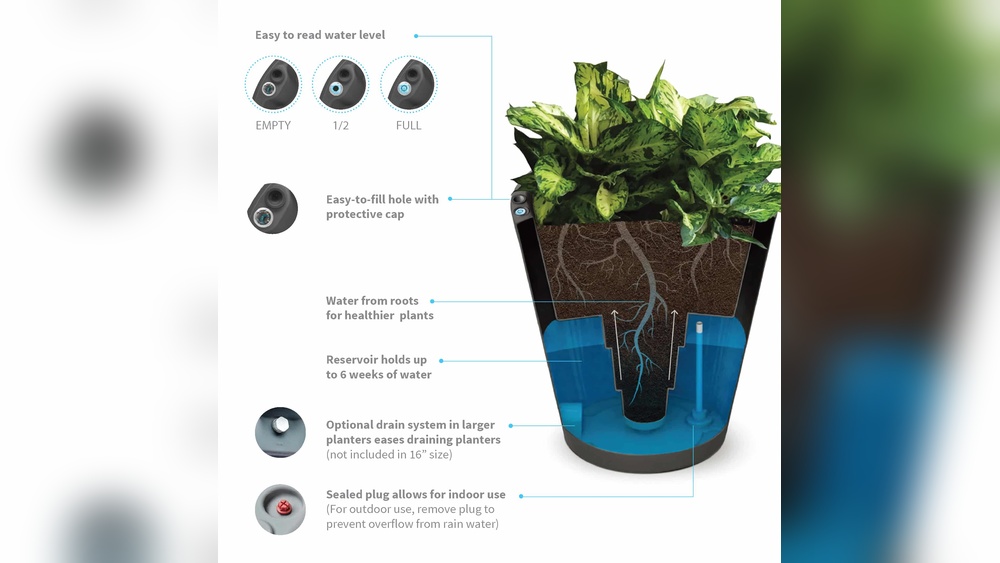
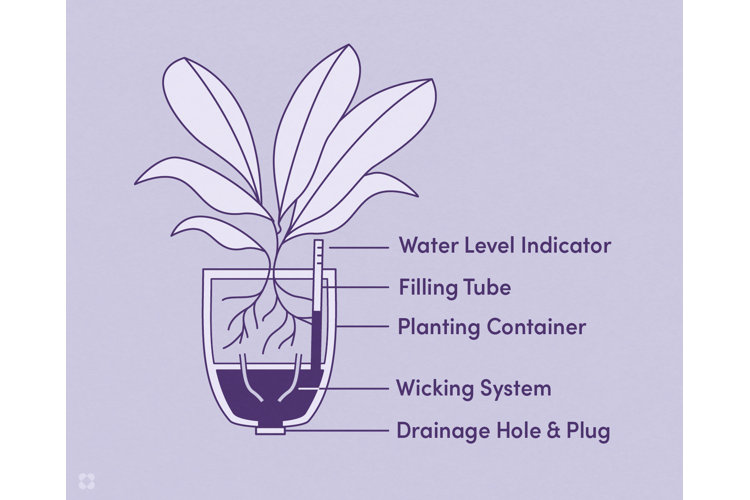
Self-watering pots have a built-in water reservoir at the base. This reservoir holds extra water for the plant’s use. It separates water from the soil to prevent root rot. The pot has a fill hole or opening to add water easily. The design ensures water is available without constant watering.
Soil Moisture Regulation
The soil in the pot stays moist through capillary action. It draws water upward from the reservoir as the soil dries. This process keeps soil moisture balanced. It avoids waterlogging and dry soil conditions. Plants get water only when they need it, promoting healthy growth.
Root Absorption Process
Plant roots grow down to reach the water reservoir. They absorb water through tiny root hairs. This steady water supply supports steady nutrient uptake. Roots do not drown as excess water drains away. The system mimics natural soil moisture cycles, helping plants thrive.
Choosing The Right Pot
Choosing the right self-watering pot is essential for healthy plants. The pot affects water delivery, root growth, and plant health. Select a pot that fits your plant’s needs and your space. Consider material, size, and plant type to ensure success.
Material Options
Self-watering pots come in plastic, ceramic, and terracotta. Plastic pots are light and retain moisture well. Ceramic pots look attractive and keep soil cool. Terracotta pots breathe but dry faster. Choose a material that matches your environment and watering habits.
Size Considerations
Pick a pot size that fits your plant’s root system. Too small pots limit root growth and dry out fast. Large pots hold more water but take more space. Make sure the reservoir size suits your watering routine. Balance pot size with the plant’s growth needs.
Plant Compatibility
Some plants prefer moist soil, others like it dry. Self-watering pots suit plants that enjoy steady moisture. Avoid pots for plants sensitive to overwatering. Check your plant’s water needs before choosing a self-watering pot. Match the pot type to the plant for best results.
Setting Up Your Pot
Setting up your self-watering plant pot correctly is key for healthy plants. The process is simple and helps your plants thrive with less effort. Start with the right soil and plant choice, then prepare the pot for watering.
Adding Soil And Plants
Use a good quality potting mix for best results. Fill the pot with soil, leaving space for your plant roots. Gently place your plant in the soil. Cover roots well but do not pack the soil too tight. This allows roots to breathe and grow.
Initial Watering Tips
Water the soil lightly after planting. This helps settle the soil around roots. Avoid overwatering at this stage. The self-watering system will maintain moisture over time. Check the soil surface to ensure it is damp but not soggy.
Filling The Reservoir
Locate the water reservoir at the bottom of the pot. Fill it with clean water until it reaches the recommended level. The reservoir feeds water to the soil through a wick or capillary action. Refill the reservoir when water runs low to keep plants hydrated.
Maintenance Essentials
Maintaining self-watering plant pots is simple but important. Proper care keeps plants healthy and thriving. These pots reduce watering frequency but still need attention. Regular maintenance helps avoid common problems like root rot or mold.
Monitoring Water Levels
Check the water reservoir often. Most pots have a clear window or indicator. Ensure water does not run too low. Dry reservoirs can stress plants and stunt growth. Keep water at the recommended level to support steady absorption.
Refilling The Reservoir
Refill the reservoir before it empties completely. Use clean water at room temperature. Avoid overfilling to prevent waterlogging the soil. Pour water gently to avoid disturbing the plant roots. Regular refilling keeps plants hydrated and healthy.
Cleaning And Upkeep
Clean the reservoir every few weeks. Remove algae, dirt, or debris that may build up. Use mild soap and warm water for cleaning. Rinse thoroughly before refilling. Clean pots improve water flow and prevent mold or bacteria growth.
Troubleshooting Common Issues
Self-watering plant pots simplify watering but can face some issues. Troubleshooting helps keep plants healthy and thriving. Recognizing problems early prevents damage and improves plant growth.
Overwatering Signs
Too much water causes yellow, wilting leaves. Soil may feel soggy or stay wet for days. Roots can lack oxygen and start to rot. Check the water reservoir level often. Avoid filling it above the recommended mark.
Root Health Problems
Roots need air and moisture balance. Constant wetness can lead to root rot or fungus. Gently remove the plant to inspect roots. Healthy roots look white and firm. Dark, mushy roots mean trouble. Adjust watering frequency and improve drainage if needed.
Preventing Algae Growth
Algae grows in moist areas with light exposure. It can cover soil and water reservoirs. Reduce light on the water surface by covering it. Clean the reservoir regularly to stop algae build-up. Use clean water and avoid overfilling to keep algae away.
Credit: www.wayfair.com
Benefits Of Self-watering Pots
Self-watering plant pots offer many benefits for gardeners. They help plants stay healthy and reduce the effort needed for watering. These pots use a reservoir system to provide water gradually. This design supports plant growth and saves resources.
Water Conservation
Self-watering pots use water efficiently. The reservoir stores water and releases it slowly. This method reduces water waste and evaporation. Plants absorb only what they need. It lowers overall water use, which is good for the environment.
Reduced Plant Stress
Plants get a steady supply of water from self-watering pots. This consistency prevents overwatering or drying out. Healthy roots grow strong with constant moisture. Plants suffer less from stress and stay vibrant longer.
Convenience For Busy Gardeners
These pots save time and effort. Gardeners do not need to water plants daily. The reservoir holds enough water for several days. This feature suits busy lifestyles and travel. Plants remain well-watered with less worry.
Best Plants For Self-watering Pots
Self-watering pots make plant care easier by keeping soil moist. Choosing the right plants helps these pots work best. Some plants thrive in steady moisture, while others need drier conditions. Knowing which plants suit self-watering pots ensures healthy growth and less hassle.
Indoor Favorites
Many indoor plants love the consistent water supply. Spider plants absorb water well and grow quickly. Peace lilies enjoy moist soil and brighten rooms. Snake plants tolerate some dryness but do well with steady water. Pothos plants thrive and look lush in self-watering pots. These plants need less frequent watering and stay healthy longer.
Outdoor Choices
Outdoor plants also benefit from self-watering pots. Herbs like basil and mint do well with steady moisture. Tomatoes grow better with even watering, reducing stress. Ferns prefer moist soil and thrive in shaded spots. Marigolds tolerate regular watering and bloom brightly. These plants save water and reduce daily care outdoors.
Plants To Avoid
Some plants dislike constant wet roots and should be avoided. Succulents and cacti need dry soil and little water. Lavender prefers well-drained soil and can rot in wet pots. Rosemary and thyme grow best in drier conditions. Avoid plants that suffer from root rot or mold in wet soil. Choosing the wrong plants can harm their health in self-watering pots.
Decorating With Self-watering Pots
Decorating with self-watering pots offers both beauty and convenience. These pots bring a fresh look to any space while reducing the need for constant watering. Their design allows plants to draw water as needed, keeping them healthy and vibrant.
Using self-watering pots as decorative pieces can brighten rooms and outdoor areas. They come in various shapes, sizes, and colors that fit different styles. Choosing the right pot helps create a cozy and inviting atmosphere.
Styling Tips
Select pots that match your room’s color scheme. Use bright pots to add a pop of color. Group similar pots together for a unified look. Mix textures, like smooth and rough surfaces, for visual interest. Keep the plants healthy to enhance the style.
Placement Ideas
Place self-watering pots near windows for natural light. Use them on shelves to save floor space. Put larger pots in corners to fill empty areas. Arrange pots on tables to create a natural centerpiece. Avoid crowded spots to let plants breathe.
Combining With Other Planters
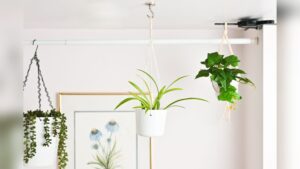
Mix self-watering pots with traditional planters for variety. Use different heights to create layers and depth. Combine pots of different colors for a lively display. Pair them with hanging planters to save space. Keep similar plants together for easy care.

Credit: www.wikihow.com
Frequently Asked Questions
What Is The Best Way To Use Self-watering Pots?
Fill the reservoir with water and plant in the soil section. Let the pot draw water to roots. Check and refill reservoir regularly for steady moisture and healthy growth.
Do You Plant Directly Into Self-watering Pots?
Yes, plant directly in self-watering pots using quality soil. Fill the reservoir below, and roots absorb water as needed.
How Do Self-watering Pots Work?
Self-watering pots have a water reservoir below the soil. Plants absorb water through capillary action. Refill the reservoir to maintain moisture. This system ensures consistent watering and reduces overwatering risks.
Where Does The Water Go In A Self-watering Planter?
Water in a self-watering planter goes into a bottom reservoir. Plants absorb it upward through soil wicks or roots as needed. Excess water drains out through overflow holes, preventing waterlogging. This system delivers consistent moisture directly to plant roots, ensuring efficient water use and healthy growth.
Conclusion
Self-watering pots make plant care easier and more efficient. They provide consistent moisture directly to roots. Fill the reservoir and monitor water levels regularly. This reduces the chance of overwatering or underwatering. These pots suit busy people or those new to gardening.
With simple steps, your plants can thrive with less effort. Give self-watering pots a try for healthier, happier plants.