How Often Do Tomato Plants Need to Be Watered
Are you wondering how often you should water your tomato plants to keep them healthy and thriving? It’s a common question that many gardeners face, especially when growing tomatoes in different climates like Austin, Texas.
Watering too little can leave your plants thirsty and wilted, while overwatering may cause root problems and soggy leaves. Finding the right balance is key to growing juicy, flavorful tomatoes. You’ll discover simple tips to know exactly when and how much to water your tomato plants—helping you avoid costly mistakes and enjoy a bountiful harvest.
Keep reading to unlock the secrets to perfect tomato plant watering!

Credit: savvygardening.com
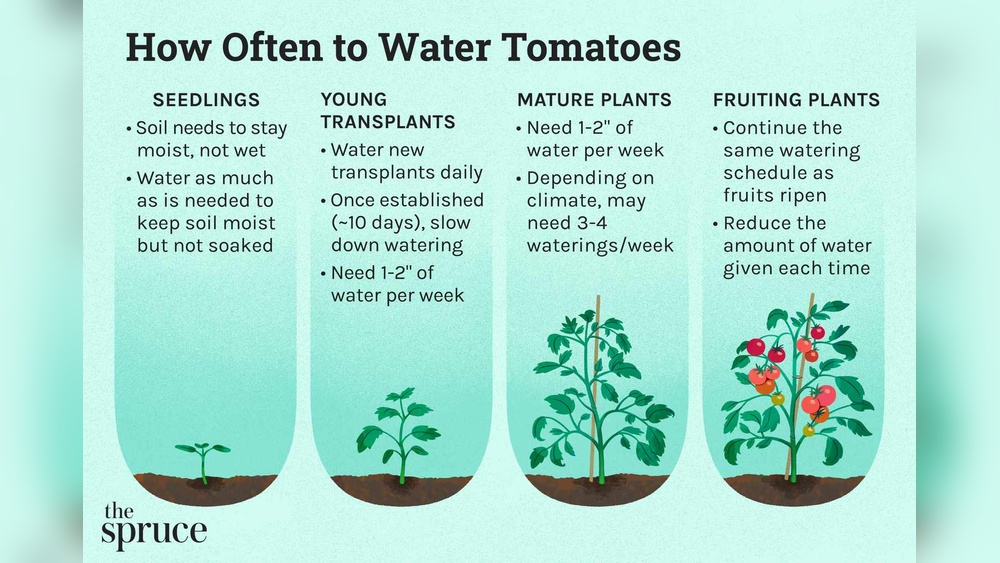
Water Needs By Growth Stage
Tomato plants need different amounts of water at each stage of growth. Understanding these changes helps keep plants healthy and productive. Watering too much or too little can harm the plant or reduce fruit quality. Adjust watering habits as the plant grows to match its needs.
Watering Seedlings
Seedlings need gentle and frequent watering. Keep the soil moist but not soggy. Water every day or every other day to prevent drying out. Use a spray bottle or gentle watering can to avoid disturbing young roots. Seedlings have small roots that absorb water quickly.
Watering Established Plants
Established tomato plants need deeper, less frequent watering. Water 1-2 times per week depending on weather and soil type. Aim to soak the soil deeply to encourage strong roots. Avoid watering leaves to reduce disease risk. Mulch helps keep soil moist longer.
Adjusting For Ripening Tomatoes
During fruit ripening, reduce watering slightly to improve flavor. Too much water can make tomatoes watery and less sweet. Maintain consistent moisture to avoid cracking or blossom end rot. Water early in the day to allow leaves to dry before night.
Soil Type And Watering Frequency
The type of soil greatly affects how often tomato plants need watering. Different soils hold water differently. This changes how quickly the soil dries out. Understanding your soil type helps set a proper watering schedule. Tomato plants thrive best with consistent moisture. Yet, the right frequency depends on soil texture and drainage.
Sandy Soil Challenges
Sandy soil drains water very fast. It does not hold moisture well. Tomato plants in sandy soil need watering more often. Usually, watering every three to four days works. The soil dries quickly, which stresses the plants. Adding mulch can help keep moisture longer.
Clay Soil Retention
Clay soil holds water for a long time. It drains slowly and stays wet. Tomato plants in clay soil need less frequent watering. Watering once a week is usually enough. Overwatering can cause root problems in clay soil. It is important to check the soil moisture regularly.
Loam And Other Soils
Loam soil balances water retention and drainage well. It holds moisture but also drains excess water. Tomato plants in loam soil need watering about twice a week. Other soils vary, so observe how fast they dry. Adjust watering frequency based on soil feel and plant health.
Signs Of Overwatering And Underwatering
Tomato plants need just the right amount of water to grow healthy and strong. Both overwatering and underwatering cause problems. Knowing the signs of each helps you care for your plants better. Watch your plants closely for changes in leaves and stems. Check the soil to decide if your tomato plants need water or rest.
Symptoms Of Overwatering
Overwatered tomato plants often have soft and mushy leaves. Leaves may turn yellow and fall off easily. Stems can become weak and look swollen. Roots may start to rot because of too much moisture. The soil stays wet for a long time and smells bad. Plants may stop growing well and look tired.
Symptoms Of Underwatering
Underwatered tomato plants show dry and crispy leaves. Leaves curl and turn brown at the edges. Stems become hard and brittle. Plants look wilted or droopy during the day. Growth slows down and fruit may be small or misshaped. Soil feels dry and pulls away from the edges of the pot or ground.
Checking Soil Moisture
Touch the soil near the base of the plant. If it feels dry, the plant needs water. If it feels damp or soggy, hold off on watering. Use a moisture meter for more accuracy. Insert it 2-3 inches deep to check moisture levels. Good soil moisture helps roots breathe and absorb nutrients. Check soil regularly to keep tomato plants healthy.
Watering Techniques
Proper watering techniques help tomato plants grow strong and healthy. They improve root growth and reduce disease risk. Using the right method also saves water and time. The way you water matters as much as how often you water.
Learning simple techniques can boost your tomato harvest. Below are key tips on watering tomato plants effectively.
Deep Watering Benefits
Deep watering pushes water down to the roots. This encourages roots to grow deeper in the soil. Deep roots help plants stay strong during dry spells. They also absorb nutrients better. Shallow watering causes weak roots near the surface. These roots dry out faster and stress the plant.
Water slowly and deeply to soak the soil about 6 to 8 inches down. Avoid just wetting the top layer. Deep watering reduces the need to water every day.
Frequency For Containers Vs. Garden Beds
Tomato plants in containers dry out faster than those in garden beds. Containers have less soil to hold moisture. They need watering every day or every other day in hot weather. Garden beds hold water longer and need watering less often.
Check soil moisture by feeling the soil with your fingers. Water containers when the top inch feels dry. Water garden beds when the top 2 inches are dry. Adjust frequency based on weather and soil type.
Best Time Of Day To Water
Water tomato plants early in the morning. Morning watering allows leaves to dry during the day. Dry leaves reduce the risk of fungal diseases. Watering in the evening keeps leaves wet overnight. This can cause mold and blight.
Early watering also helps plants face the heat of the day better. Avoid watering during the hottest midday hours to reduce water loss by evaporation.
Climate And Weather Effects
Climate and weather play a big role in how often tomato plants need watering. Changes in temperature, rainfall, and humidity affect soil moisture levels. Understanding these factors helps keep tomato plants healthy and productive. Adjust your watering routine to match the climate conditions around you.
Watering In Hot Weather
Hot weather dries out soil quickly. Tomato plants need more water during heat waves. Water early in the morning to reduce evaporation. Avoid watering in the heat of the day to prevent leaf damage. Deep watering encourages strong root growth and better drought resistance.
Adjusting For Rainfall
Rainfall reduces the need for extra watering. Check soil moisture before adding water after rain. Overwatering can cause root problems and disease. Use a rain gauge to track how much rain your garden receives. Adjust watering schedules based on recent rainfall amounts.
Humidity Considerations
Humidity levels affect how fast water evaporates from soil. High humidity slows drying, so water less often. Low humidity speeds up moisture loss, requiring more frequent watering. Monitor your local humidity to find the right watering balance. Proper watering prevents stress and improves tomato growth.
Credit: gardenerspath.com
Common Watering Mistakes
Watering tomato plants seems simple but many gardeners make common mistakes. These errors affect plant health and fruit quality. Avoiding them helps tomatoes grow strong and produce well. Understanding what not to do is as important as knowing how often to water.
Overwatering Risks
Too much water drowns tomato roots. Roots need air to survive and grow. Overwatering causes roots to rot and turn mushy. This leads to weak plants and fewer tomatoes. Signs include yellow leaves and soft stems. Overwatered soil stays soggy and cold, harming root function.
Inconsistent Watering
Tomato plants dislike dry and wet swings. Watering irregularly stresses plants and slows growth. It can cause fruit to crack or drop early. Keeping soil evenly moist helps plants thrive. Water at regular times to avoid shock. Consistency supports steady fruit development.
Watering Leaves Vs. Roots
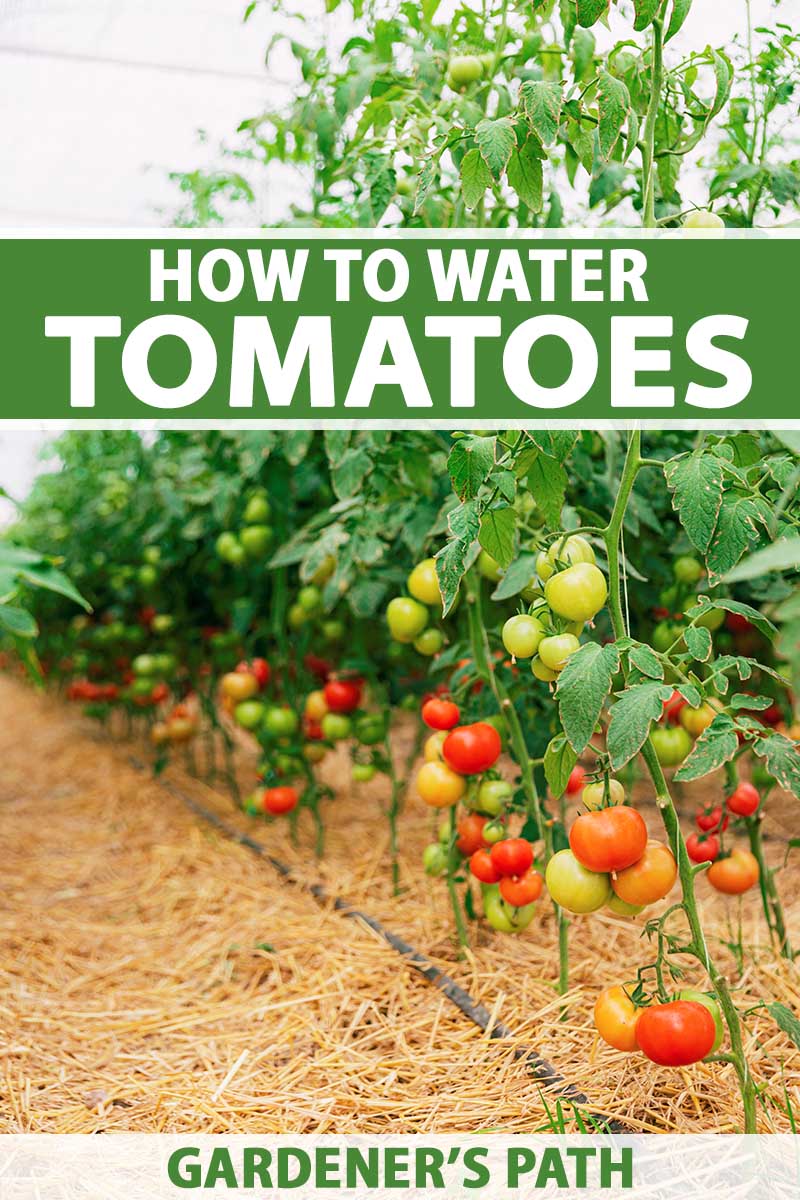
Pour water at the base, not on leaves. Wet leaves increase risk of fungal diseases. Roots absorb water best when soil is moist. Watering leaves wastes water and can harm the plant. Use a drip or soaker hose for targeted watering. Focus on roots for healthy tomato growth.
Frequently Asked Questions
Can You Overwater A Tomato Plant?
Yes, overwatering tomato plants can cause root suffocation and lead to soft, mushy leaves or stems.
How Long Can Tomato Plants Go Without Being Watered?
Tomato plants can typically go 3-7 days without water, depending on soil type and weather. Sandy soil requires more frequent watering, while clay soil retains moisture longer. Check soil moisture to avoid underwatering or overwatering.
Do Tomato Plants Need Full Sun?
Tomato plants need at least 6 to 8 hours of full sun daily for healthy growth and fruit production. Sunlight boosts yield and flavor.
How To Tell If Tomato Plants Need Water?
Check tomato plant leaves: drooping or wilting indicates thirst. Test soil by touch; dry soil means it needs watering.
Conclusion
Tomato plants need regular watering to stay healthy and productive. Water deeply but avoid overwatering to protect roots. Soil type affects how often you water: sandy soils dry fast, clay soils hold moisture longer. Check soil moisture by feeling its weight or texture.
Adjust watering frequency based on weather and plant growth stage. Consistent care helps tomatoes grow strong and yield well. Keep an eye on your plants and water as needed for best results.