How Often Do Monstera Plants Need to Be Watered
Are you wondering how often your Monstera plant really needs watering? It’s a common question because watering too much or too little can harm your beloved green friend.
You want your Monstera to thrive, not just survive, right? Getting the watering schedule just right can seem tricky, but it doesn’t have to be. You’ll discover simple, practical tips to know exactly when and how to water your Monstera, so it stays lush and healthy.
Watering Frequency
Watering frequency is key to keeping your Monstera healthy and vibrant. These tropical plants like moist soil but hate sitting in water. Watering too often or too little can stress the plant and slow growth. Knowing how often to water depends on several factors. This guide covers basic watering tips to help your Monstera thrive.
General Guidelines
Check the soil before watering your Monstera. Stick your finger about two inches into the soil. If it feels dry, it’s time to water. If it feels moist, wait a few days and check again. Water thoroughly until water drains from the pot’s holes. Always use pots with drainage to avoid root rot.
Seasonal Changes
Monstera plants need more water in warm months. Spring and summer cause faster soil drying due to heat. In cooler months, water less often as growth slows. The soil may stay damp longer in fall and winter. Adjust watering based on how fast the soil dries out.
Indoor Vs Outdoor
Indoor Monsteras usually need watering every 1 to 2 weeks. Less sunlight and stable temperatures slow soil drying. Outdoor Monsteras dry out faster. They may need watering every 3 to 7 days depending on heat and sun. Always check soil moisture before watering, indoors or outdoors.
Credit: monsteraplantresource.com
Soil Moisture Checks
Checking soil moisture helps you know when to water your Monstera plant. It stops overwatering and underwatering. Healthy soil moisture keeps roots safe and happy.
Use simple methods to check soil moisture. These methods work well indoors and outdoors. They save your plant from stress caused by wrong watering.
Finger Test
Push your finger about two inches into the soil. Feel if the soil is dry or damp. Dry soil means your Monstera needs water. Damp soil means wait before watering.
Wooden Stick Method
Insert a wooden stick into the soil near the roots. Pull it out and check for wetness. If the stick is dry, water your plant. If it feels wet, wait a few days.
Using A Moisture Meter
Insert a moisture meter into the soil for an exact reading. The meter shows if the soil is dry, moist, or wet. This tool helps avoid guessing and protects roots.
Pot Weight Technique
Lift the pot to feel its weight after watering. A heavy pot means the soil is wet. A light pot shows the soil is dry and needs water. This method works well over time.
Signs Monstera Needs Water
Knowing the signs your Monstera needs water helps keep it healthy. These plants show clear hints when thirsty. Watching your plant closely can prevent damage. Early attention keeps leaves green and vibrant.
Wilting Leaves
Wilting leaves are a common sign of water need. Leaves lose firmness and droop downward. This happens because the plant lacks moisture. Check the soil to confirm dryness. Water your Monstera if soil feels dry.
Leaf Curling
Leaf curling signals stress from dehydration. The edges of leaves curl inward or upward. This reduces surface area to save water. It is a natural response to dryness. Watering will help leaves return to normal.
Brown Leaf Edges
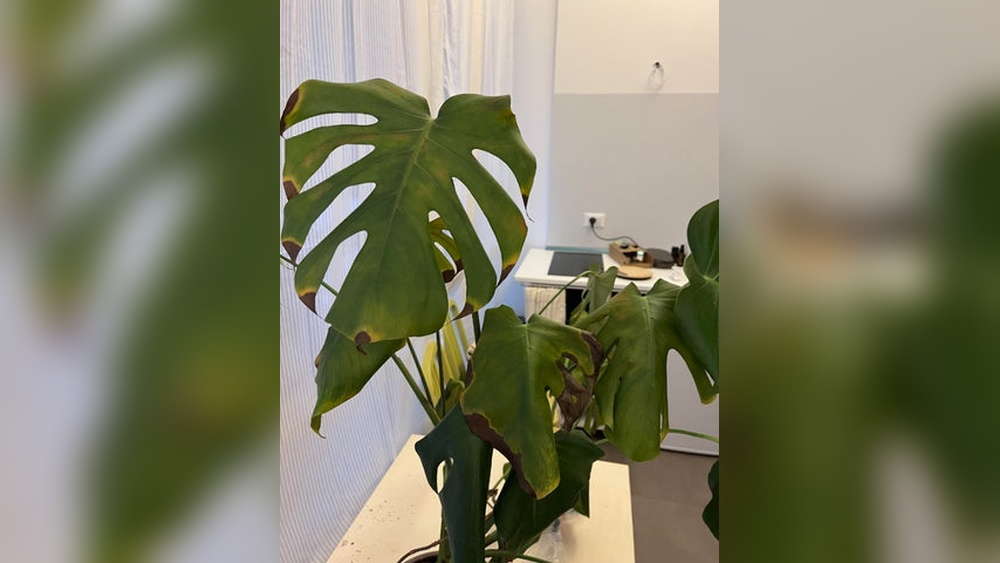
Brown edges on leaves show dehydration damage. Dry soil causes leaf tips and edges to turn brown. This may happen slowly over time. Avoid letting soil dry out completely. Regular watering prevents brown edges from spreading.
Slow Growth
Slow growth means the plant lacks enough water. Monstera needs consistent moisture to grow well. Dry soil reduces nutrient uptake and cell expansion. Keep the soil evenly moist but not soggy. Proper watering supports healthy, steady growth.
Watering Techniques
Watering techniques play a key role in keeping your Monstera healthy. Proper watering helps the plant absorb nutrients and grow strong leaves. It is important to water the plant correctly rather than just often.
Using the right method prevents problems like root rot and dry soil. Each Monstera may need a slightly different approach based on its environment. Understanding these techniques makes watering easier and more effective.
Thorough Watering
Water your Monstera deeply to reach all the roots. Pour water slowly until it runs out from the pot’s drainage holes. This ensures the entire root ball gets moist, not just the surface soil.
Deep watering encourages roots to grow downward. It also helps the plant avoid stress from uneven moisture. Avoid light watering as it can cause weak root systems.
Drainage Importance
Good drainage is essential for Monstera care. Use pots with holes to let excess water escape. Standing water can cause root rot and kill your plant.
Place a tray under the pot to catch extra water. Empty it regularly to prevent water buildup. Well-draining soil also helps by allowing air to reach the roots.
Avoiding Overwatering
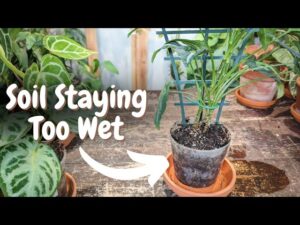
Too much water harms Monstera plants more than too little. Overwatering causes yellow leaves and mushy stems. Check soil moisture before watering again.
Wait until the top two inches of soil feel dry. Use a finger or moisture meter to test. If soil is still damp, hold off watering for a few days.
Factors Affecting Water Needs
Understanding the factors that affect your Monstera’s water needs helps keep it healthy. These plants do not require the same amount of water all the time. Several elements influence how often you should water your Monstera. Paying attention to these helps avoid overwatering or underwatering.
Light Exposure
Monstera plants in bright light use water faster. Direct sunlight makes soil dry quickly. In low light, plants use less water. Adjust watering based on how much light the plant gets daily. More light means more frequent watering.
Temperature And Humidity
Warmer temperatures increase water loss from soil and leaves. High heat makes soil dry out sooner. Humidity slows the drying process. In dry air, water your Monstera more often. Cooler, humid rooms need less frequent watering.
Pot Size And Soil Type
Smaller pots dry out faster than large ones. Soil type also affects water retention. Well-draining soil loses moisture quickly. Heavy soil holds water longer, reducing watering frequency. Choose pot and soil carefully to match your watering habits.

Credit: www.reddit.com
Common Watering Mistakes
Watering a Monstera plant may seem easy, but many people make common mistakes. These errors can harm the plant’s health and slow its growth. Understanding these mistakes helps keep your Monstera happy and thriving. Below are two main watering mistakes to avoid.
Overwatering Effects
Overwatering is a frequent mistake with Monstera plants. Too much water causes the roots to stay wet for too long. This condition leads to root rot, which can kill the plant.
Leaves may turn yellow and drop off when the plant is overwatered. The soil may feel soggy or smell bad. Overwatering also attracts pests and fungi. Always allow the top two inches of soil to dry before watering again.
Underwatering Risks
Underwatering is another common problem. When the plant gets too little water, the leaves start to curl or develop brown edges. The plant may look wilted and weak.
If the soil is dry deep down, the roots cannot absorb enough moisture. This slows the plant’s growth and makes it less healthy. Check the soil often and water your Monstera when it feels dry.
Watering Tips For Healthy Growth
Watering plays a key role in keeping your Monstera plant healthy and vibrant. Knowing how to water correctly supports strong growth and prevents common problems like root rot or dry leaves. Follow these simple watering tips for best results.
Best Time To Water
Water your Monstera in the morning for best absorption. Morning watering allows leaves to dry during the day. This reduces the risk of fungal diseases. Avoid watering at night to prevent excess moisture in the soil.
Frequency Adjustments
Check the soil moisture before watering each time. Insert your finger about two inches into the soil. If it feels dry, it is time to water. If still moist, wait a few days before checking again. Adjust watering frequency based on the season and environment. Monsteras need more water in warm months and less in cool months.
Using Water Quality
Use room temperature water for your Monstera. Cold water can shock the roots. Tap water is usually fine but let it sit for 24 hours to remove chlorine. Avoid using softened or heavily chlorinated water. Rainwater or filtered water works best for healthy growth.

Credit: www.livelyroot.com
Frequently Asked Questions
How Often Should I Water A Monstera Indoors?
Water your indoor Monstera every 1-2 weeks. Check soil moisture by inserting a finger 2 inches deep. Water thoroughly when soil feels dry. Adjust frequency based on light, temperature, and season. Ensure the pot has drainage holes to prevent waterlogging.
How To Tell If A Monstera Needs Water?
Check Monstera soil by inserting your finger two inches deep. Dry soil signals it needs water. Use a moisture meter for accuracy. A lighter pot also indicates dryness. Water thoroughly when needed, ensuring drainage holes prevent waterlogging.
How Long Can A Monstera Go Without Water?
A Monstera can survive without water for about 1 to 2 weeks. Soil dryness signals the need to water.
Does Monstera Need Direct Sunlight?
Monstera thrives in bright, indirect sunlight. Avoid direct sunlight to prevent leaf burn and discoloration.
Conclusion
Monstera plants need watering based on soil dryness and environment. Check the soil with your finger or a moisture meter. Water only when the top two inches feel dry. Use pots with drainage holes to avoid waterlogging. Light, temperature, and season affect watering frequency.
Adjust watering habits during warmer months and lower light conditions. Watching your plant closely helps keep it healthy and thriving. Regular care ensures your Monstera stays vibrant and strong. Simple steps make watering easy and effective for your green friend.