
How Often Should Newly Planted Shrubs Be Watered
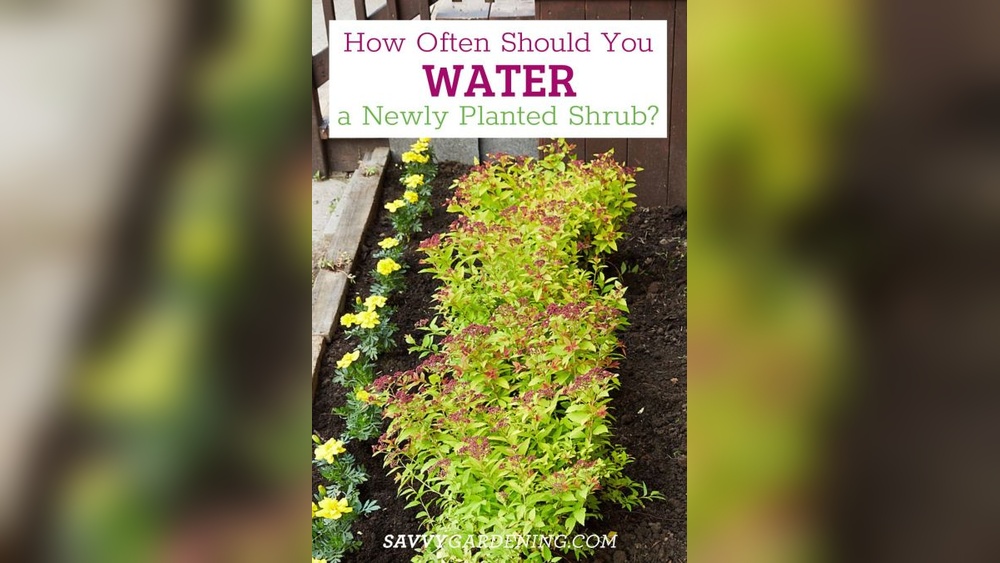
You’ve just planted new shrubs and want them to thrive, but how often should you water them? Getting this right can make all the difference between lush, healthy growth and struggling plants.
Too little water, and your shrubs may dry out; too much, and their roots could rot. You’ll discover simple, practical watering tips tailored to your newly planted shrubs. By the end, you’ll know exactly when and how often to water, ensuring your garden flourishes with ease.
Keep reading to unlock the secrets to giving your shrubs the perfect start!

Credit: savvygardening.com
Water Needs In The First Week
Newly planted shrubs need special care in their first week. Water plays a vital role in helping roots settle into the soil. Proper watering supports healthy growth and prevents stress. During this period, the root system is fragile and requires consistent moisture. The goal is to keep the root ball moist but not waterlogged. This balance helps the shrub adapt to its new environment and encourages strong root development.
Daily Watering Importance
Watering newly planted shrubs every day is essential. Daily watering ensures the soil stays evenly moist. It prevents the roots from drying out, which can cause shock. Early root growth depends on steady access to water. Without daily watering, the shrub may struggle to survive. Even small shrubs need regular watering to build a strong root system. Daily attention during the first week creates a good foundation for future growth.
Keeping The Root Ball Moist
The root ball holds the plant’s main roots and soil. Keeping it moist supports root health and nutrient uptake. Check the root ball daily to see if it feels dry. Water deeply around the root ball to soak the soil thoroughly. Avoid shallow watering that only wets the surface. Moist soil encourages roots to grow outward and down. Proper moisture in the root ball helps the shrub establish quickly and reduces transplant stress.
Adjusting Watering Frequency Over Time
Adjusting watering frequency over time is crucial for the healthy growth of newly planted shrubs. At first, shrubs need more water to help their roots establish. Gradually, they require less frequent watering as they grow stronger and develop deeper roots. This adjustment helps prevent overwatering and encourages the plants to become resilient.
Reducing Frequency After Initial Weeks
During the first two to three weeks, water shrubs daily to keep the soil moist. After this period, reduce watering to every two or three days. Continue this for the next few weeks, allowing the roots to grow deeper. Eventually, water once a week depending on weather and soil type. This slow reduction helps shrubs adapt to natural rainfall and soil moisture.
Signs To Increase Or Decrease Watering
Yellowing leaves or wilting suggest the shrub needs more water. Dry, crumbly soil also signals a need for increased watering. On the other hand, soft, soggy soil or mold growth means watering should be decreased. Monitor the shrub’s leaves and soil regularly. Adjust watering based on these signs to maintain healthy growth without stress.
Watering Techniques For New Shrubs
Watering new shrubs correctly helps them grow strong roots fast. Proper watering techniques keep soil moist without drowning the plant. This balance supports healthy growth and reduces stress on the shrub. Here are two important watering methods to follow.
Deep Watering Benefits
Deep watering pushes water down to the root zone. It encourages roots to grow deeper into the soil. This makes shrubs more drought-resistant in the future. Deep watering also helps prevent shallow roots that dry out quickly. Use a slow drip or soak the soil thoroughly for best results. Aim to moisten soil about 6 to 12 inches deep.
Avoiding Overwatering Risks
Too much water can harm new shrubs. Overwatering leads to root rot and weak plants. It also reduces oxygen in the soil, which roots need. Water only when the top 1 to 2 inches of soil feel dry. Use a moisture meter or your finger to check soil dampness. Good drainage and proper watering prevent these risks.
Credit: extension.umn.edu
Soil Type And Watering Schedule
Soil type plays a key role in deciding how often to water newly planted shrubs. Different soils hold and drain water in unique ways. Understanding your soil helps set a proper watering schedule. This supports healthy root growth and prevents water stress.
Clay Soil Considerations
Clay soil holds water tightly and drains slowly. Water can stay near roots for a long time. Newly planted shrubs in clay soil need less frequent watering. Overwatering may cause roots to rot or suffocate.
Water deeply but allow the soil surface to dry before watering again. Check soil moisture 2-3 inches below the surface. If it feels damp, wait a day or two before watering. This approach helps roots grow deeper without sitting in water.
Sandy Soil Watering Adjustments
Sandy soil drains quickly and holds little moisture. Newly planted shrubs here need more frequent watering. Water does not stay near roots long, risking dryness.
Water shrubs in sandy soil in smaller amounts but more often. Aim to keep the root ball consistently moist but not soaked. Early morning watering helps reduce evaporation loss. Check soil moisture daily during hot weather. Adjust watering to prevent the soil from drying out completely.
Seasonal Watering Tips
Seasonal changes affect how often newly planted shrubs need water. Adjusting your watering habits with the seasons helps shrubs grow strong. Watering too much or too little can harm young plants. Careful attention during different times of the year supports healthy root development and plant growth.
Fall And Winter Care
As temperatures drop, shrubs need less water. Soil stays moist longer in cool weather. Water newly planted shrubs once a week if there is no rain. Avoid watering when the ground freezes. Overwatering in cold months can cause root damage. Mulch around the base to keep soil warm and retain moisture. Reduce watering gradually before winter to prepare plants for dormancy.
Summer And Spring Adjustments
Warm weather increases water needs for new shrubs. Water deeply two to three times a week during dry spells. Early morning watering reduces evaporation loss. Check soil moisture daily; dry soil needs water. Avoid shallow watering, which leads to weak roots. As shrubs grow, reduce watering frequency but increase water depth. Watch for signs of stress like wilting or yellow leaves to adjust watering.
Signs Of Proper Hydration
Knowing the signs of proper hydration helps keep newly planted shrubs healthy. It prevents both overwatering and underwatering. Healthy shrubs grow strong roots and vibrant leaves. These signs show the plant has the right water balance.
Use simple methods to check hydration regularly. This keeps shrubs thriving as they settle into new soil. Watch for clear signals from the soil and the plant itself.
Checking Soil Moisture
Touch the soil near the shrub’s base. It should feel moist but not soggy. Dry soil means the shrub needs water soon. If the soil is wet and heavy, hold off watering. Use your finger or a small tool to check soil 2 to 3 inches deep. This depth shows moisture near the roots.
Observing Plant Health Indicators
Look at the shrub’s leaves and stems. Healthy leaves stay green and firm. Wilting or yellow leaves signal a watering issue. New growth is a good sign of proper hydration. Shrubs with strong, upright stems are well hydrated. Watch for any leaf drop, which can mean stress from water problems.
Tools To Help Watering
Watering newly planted shrubs is crucial for their growth and survival. Using the right tools makes watering easier and more efficient. These tools help deliver water directly to the roots, reducing waste and saving time. They also help maintain consistent moisture levels, which is important for young shrubs. Below are some useful tools to help you water your shrubs properly.
Using Soaker Hoses And Drip Irrigation
Soaker hoses slowly release water along their length. They deliver water directly to the soil near the shrub roots. This prevents water from evaporating quickly. Drip irrigation systems also deliver water slowly and precisely. These systems use small emitters to release water at a steady rate. Both tools reduce water runoff and keep soil moist. Using them helps shrubs get the right amount of water without overwatering.
Moisture Meters And Timers
Moisture meters measure the soil’s wetness near the roots. They tell you when the soil is dry or wet. This helps avoid watering too much or too little. Timers allow you to set watering times automatically. They ensure shrubs get water consistently, even when you are busy. Combining moisture meters with timers creates a smart watering system. This keeps your shrubs healthy and saves water.

Credit: savvygardening.com
Frequently Asked Questions
How Long Does It Take For Shrubs To Establish?
Shrubs typically take 1 to 2 years to establish strong roots and grow well. Water regularly during this time.
Can You Overwater Newly Planted Plants?
Yes, you can overwater newly planted plants. Excess water suffocates roots and causes rot. Water only when soil feels dry.
Should I Water My Bushes Every Day?
Water bushes daily during the first week to keep roots moist. Afterward, water deeply once or twice weekly for established bushes.
How Can You Tell If A Newly Planted Tree Has Enough Water?
Check the soil around the root ball; it should feel moist but not soggy. Wilting or dry leaves indicate underwatering.
Conclusion
Newly planted shrubs need regular watering to grow strong roots. Water them daily in the first week to keep soil moist. After that, water deeply every few days to encourage root growth. Avoid watering too much to prevent root rot.
Watch the soil; if it feels dry a few inches down, it’s time to water again. Proper watering helps shrubs thrive and become healthy plants in your garden. Careful attention now saves you from problems later. Keep watering smart and enjoy your beautiful shrubs.